
Civic Impulse #16: Monthly Review of Grantee Activities
April 2026
April has increased the civic dynamics throughout the country, opening topics that directly concern the daily lives and quality of life of the citizens. Starting from access to health care services and gender equality, up to local policies, green initiatives and educational reforms. Civica Mobilitas grantees continued to act on several levels, combining the field work, advocacy and public analyses.
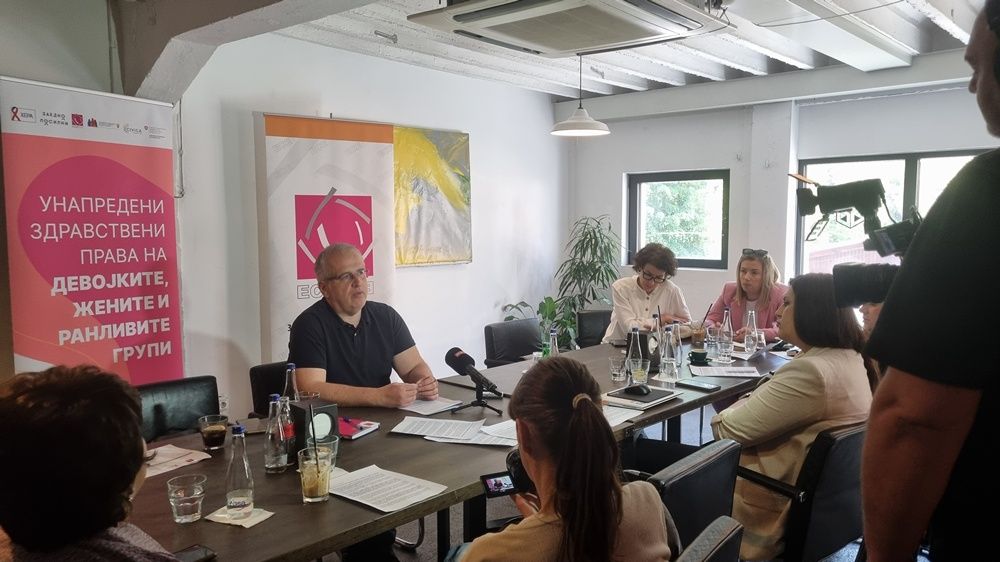
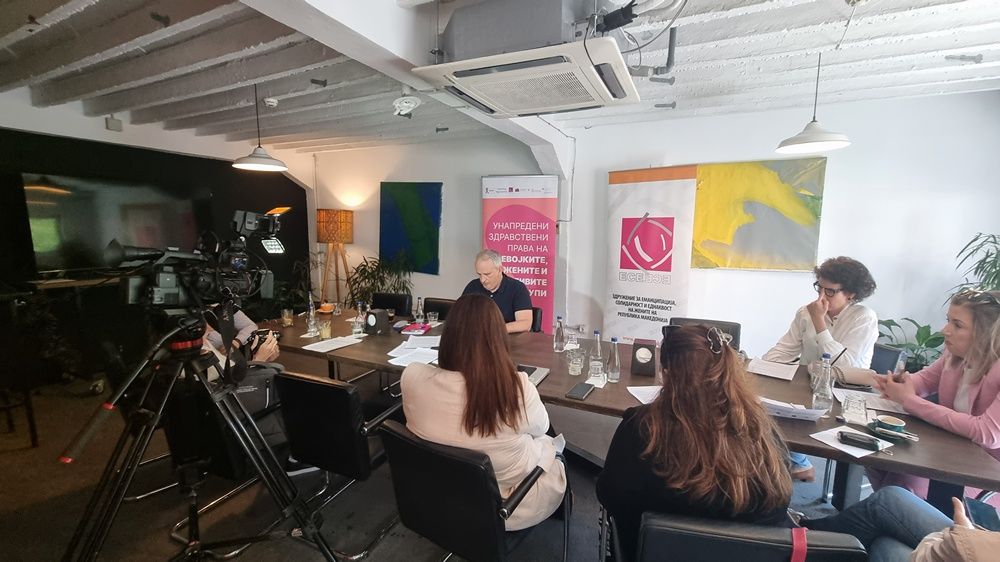
In the area of health care, the Association for Emancipation, Solidarity and Equality of Women – ESE warned that Macedonia has one of the highest cervical cancer rates in Europe. At a media briefing they presented the findings of the monitoring of the screening programme, according to which only 32% of the women had been covered in the last three years, which is far below the planned 75%. The data also show 327 new cases in 2023, as well as a significantly higher rate of diseases occurrence compared to more European countries. The main challenges are the lack of funds, unavailability of gynaecologists in many municipalities and the insufficient education. ESE called for introduction of more advanced screening methods and more efficient prevention policies. The activities are part of the project “Advanced Health Care Rights of Girls, Women and Vulnerable Groups”.
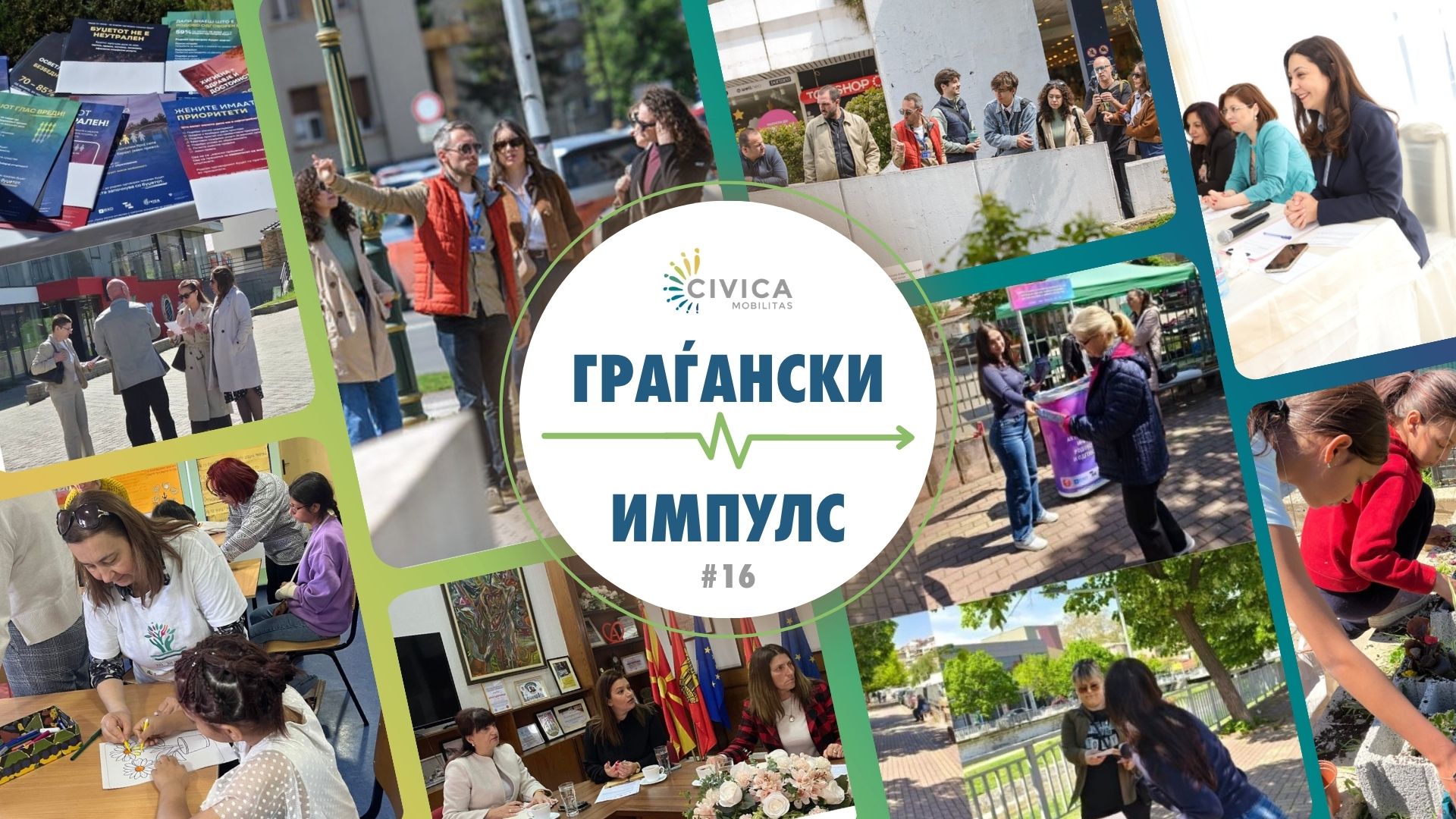
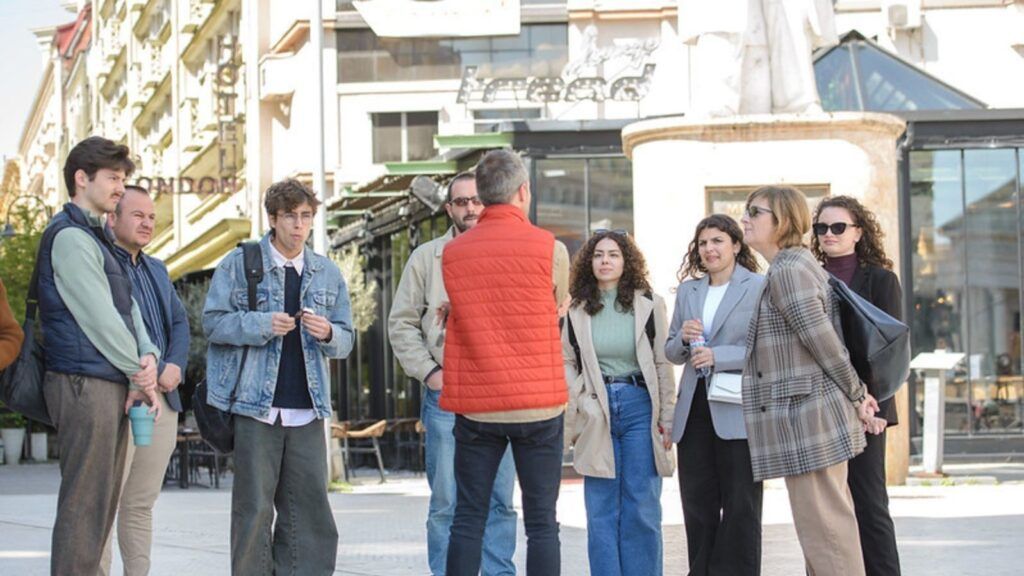
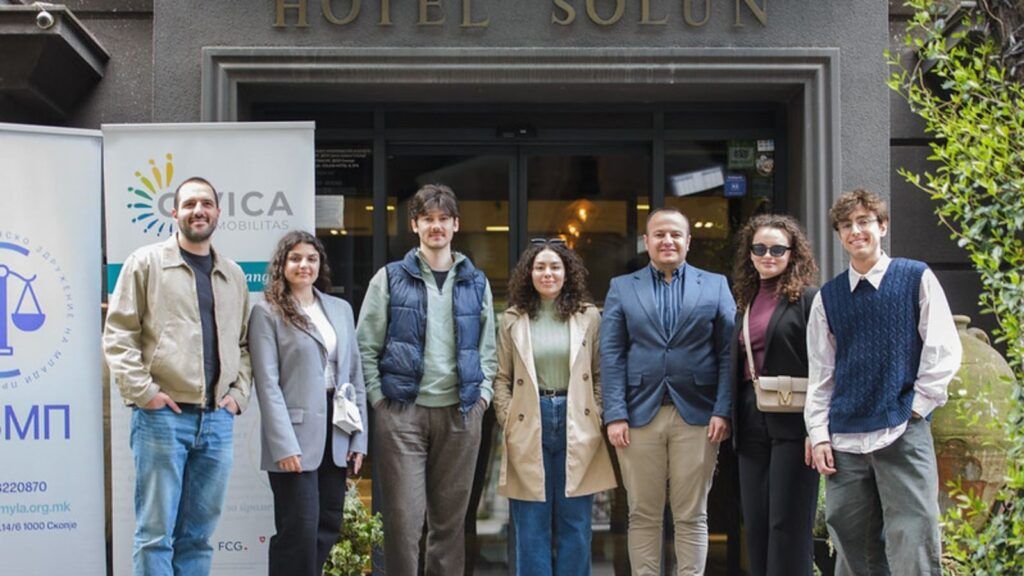
At the youth school of gender equality and local activism, held in Skopje from 21st to 24th April, seven young participants from different cities throughout the country via discussions, field work and creative formats developed ideas for activities in their communities. They spoke about gender norms and stereotypes, communication formats of public campaigns and the role of the public space in the visibility and inclusion of various communities. The interactive walk throughout Skopje, guided by Antonio Pavlovski, opened questions about whose voices miss in the public space. The school was implemented within the project “Mentorship in Judiciary and Youth Engagement on Gender Equality”, which is implemented by the Center for Legal Research and Analyses in partnership with the Macedonian Association of Young Lawyers.

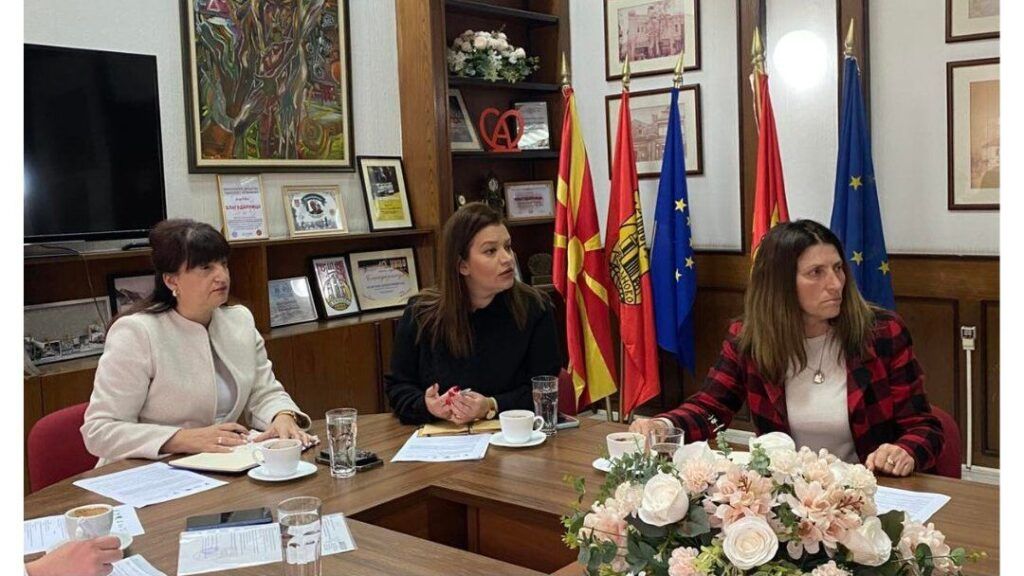
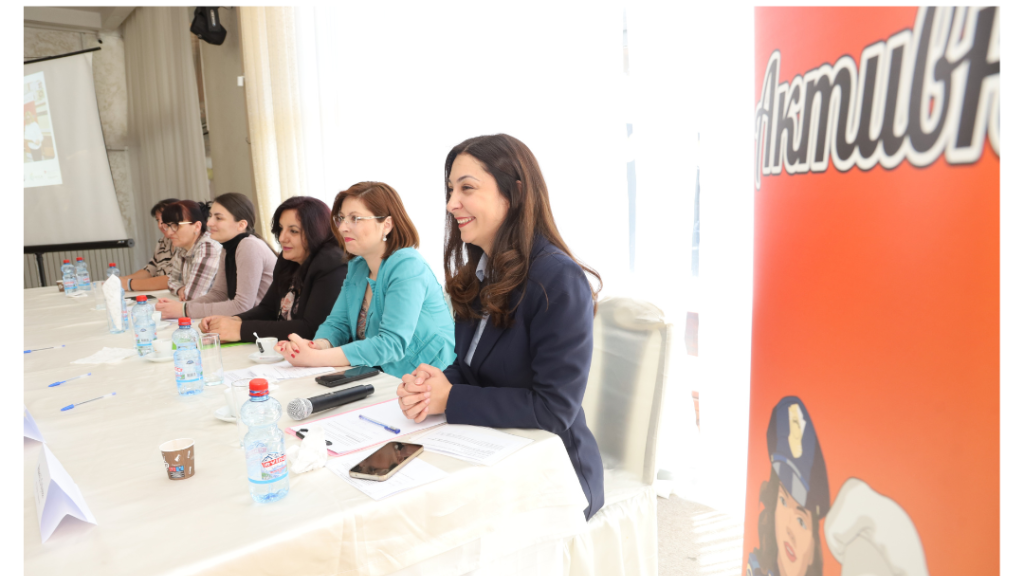
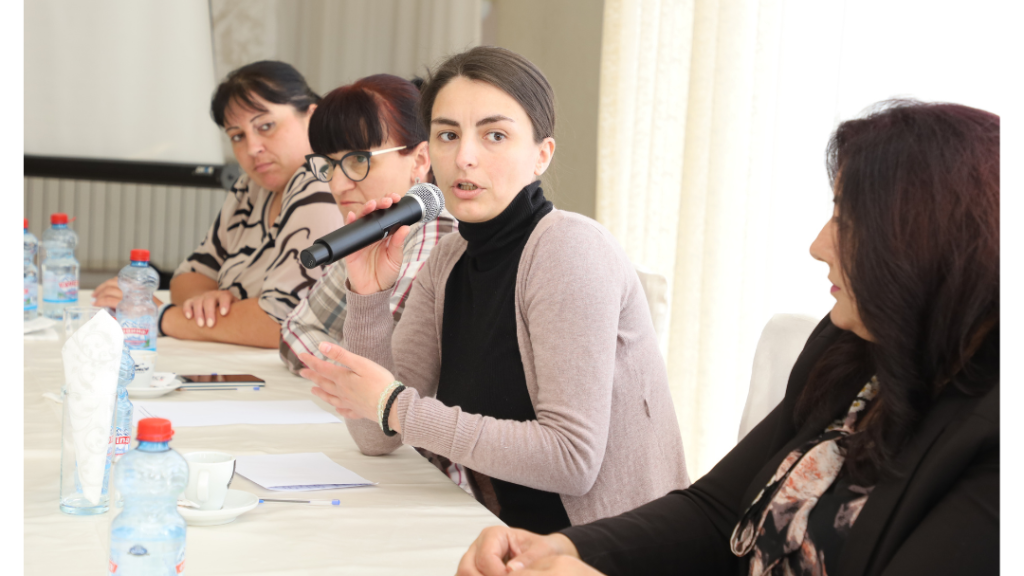
Changes start from the local community, as it was shown by the women involved in the project “Active Women” of “Mother” humanitarian association from Kumanovo. At the third regional networking meeting, women activists and representatives of institutions from Kumanovo, Kriva Palanka and Kratovo spoke about the results of the field work and the specific initiatives that came from the communities. More than 200 women strengthened their capacities for advocacy, local participation and economic empowerment and there were 58 initiatives submitted to the local self-governments. The focus was on issues of public hygiene, public spaces and improvement of living conditions, and the meetings with the institutions opened space for a more direct communication among the citizens and the local government. In the municipality of Kumanovo there was also an advocacy meeting with citizens from the neighbourhoods of Karposh and Pukovsko, representatives of the local self-government and “Hygiene and Greenery” public enterprise, where there were discussion on public hygiene, infrastructure and living conditions. The meeting enabled direct dialogue and addressing the local problems.
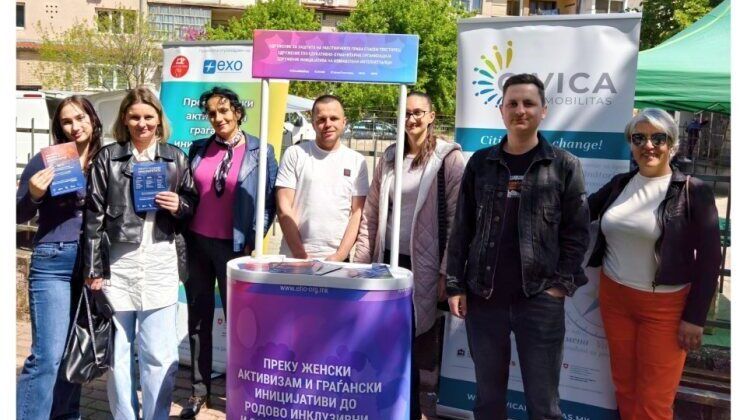
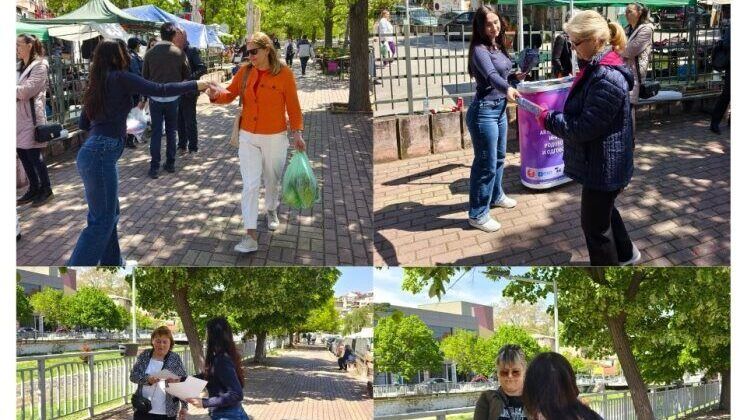
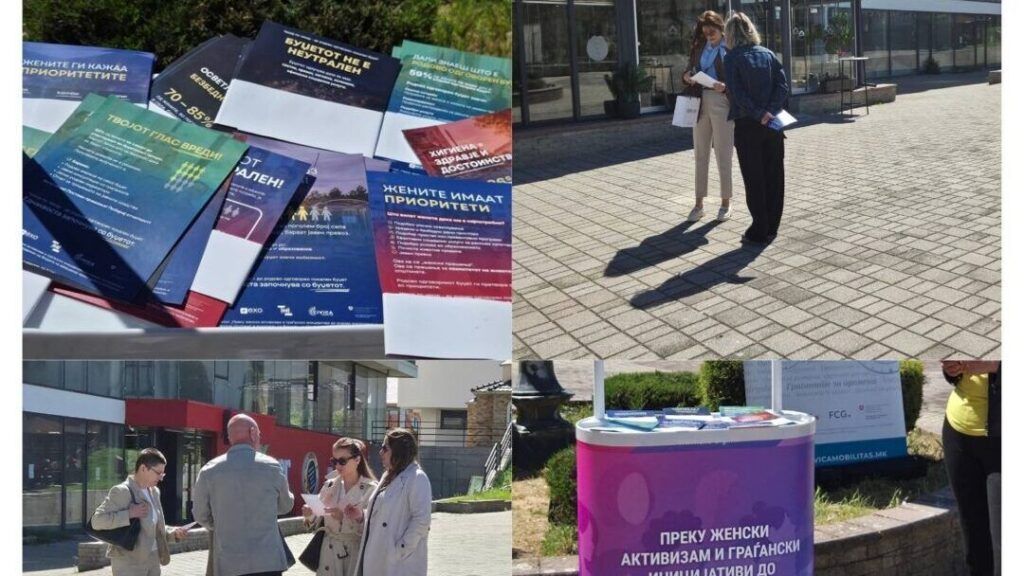
In the municipalities of the eastern region, the organizations “Loud Textile Worker”, “EHO” from Shtip and INI-Vinica continued their campaign ”Budget Is not Neutral”, dedicated to gender responsive budgeting. The research conducted showed that many women still do not know about the concept of gender responsive budget, but they clearly recognize the problems that directly influence their daily lives. They point out the lack of public transport, unsafe infrastructure, insufficient street lighting and the limited access to services related to care. At the open days in Delchevo, Shtip and Vinica, the women stressed the local priorities, underlying that the budget policies must recognize the real needs of the communities.
Environment and sustainable practices were also in the focus of the April activities. The Center for Youth Activism KRIK introduced the “ZZZ Manual for Green Advocacy and Implementation of Local Green Initiatives”, a practical resource intended for youth, youth workers, social workers and local self-governments, with tools, examples and mechanisms for green advocacy and local action.
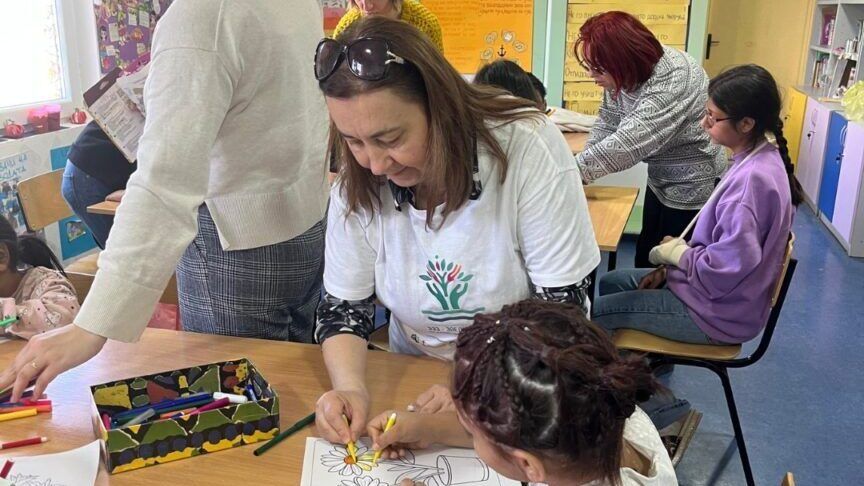
In Shuto Orizari, the initiative “Growing Up Together – From Sustainable Community to Brighter Future”, also implemented by KRIK, created a space where the citizens used interactive workshops to speak about environment, mental health and the importance of community.
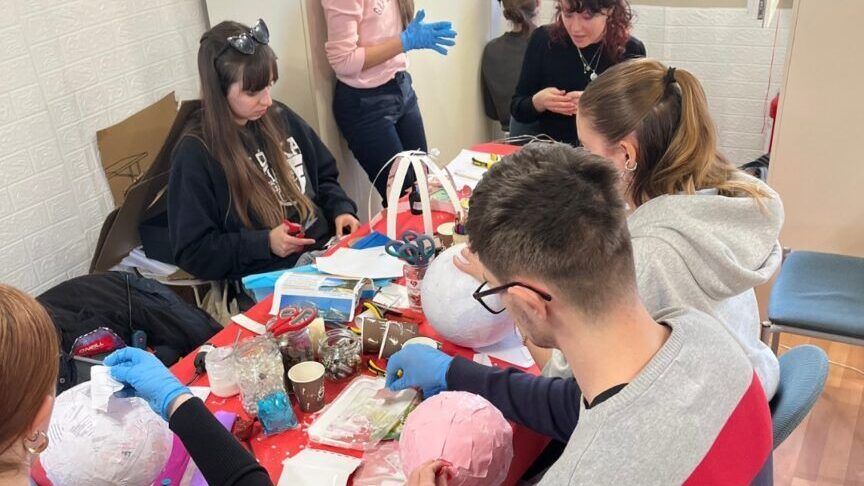
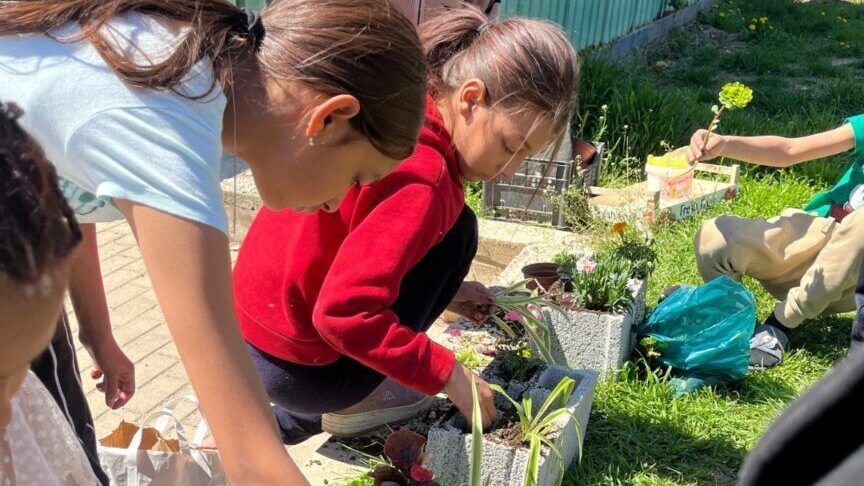
In the meantime, REC and its partners organized a two day workshop to test “Green Business Ideas and Reuse of Biowaste”, where primary school students, supported by their teachers and parents, created innovative products, bioplastic and biopaper and eco-soaps, natural perfumes and biocomposters.
Education was one of the topics that left a strong footprint on the public debate in April. With a series of analyses, reviews and weekly overviews, BIRS opened issues related to the higher education reforms, quality of academic system and the effects of the new legal changes. The focus was on the dilemmas related to digital transformation, influence of artificial intelligence on the way of learning and writing, as well as the need of clearer criteria and strategic management of the educational system. Part of the analyses concerned the public reactions and criticism related to the new Law on Higher Education, which intensified the debate among the academic community, institutions and public.
Overall, the April activities once again showed that the local initiatives, civic education and public advocacy remain the key mover of changes in the communities around the country.