
Civic Impulse #15: Monthly Review of Grantee Activities
March 2026
In this issue of Civic Impulse #15 we mark the most important activities of the grantees in March, with focus on initiatives that contribute to more inclusive, transparent and sustainable society.
Young and experienced journalists will write together about local issues. This was the main topic of the editorial meeting of the journalists and activists of “Local Active Istok” with representatives of RESIS Institute and the Council of Media Ethics of Macedonia (CMEM) held in Shtip, within the project “Community Media for Stronger Civil Society”. The project coordinator Igor Micevski stressed that the focus will be on including young people in the editorial boards, which would benefit both the young people and the local journalism as a whole.
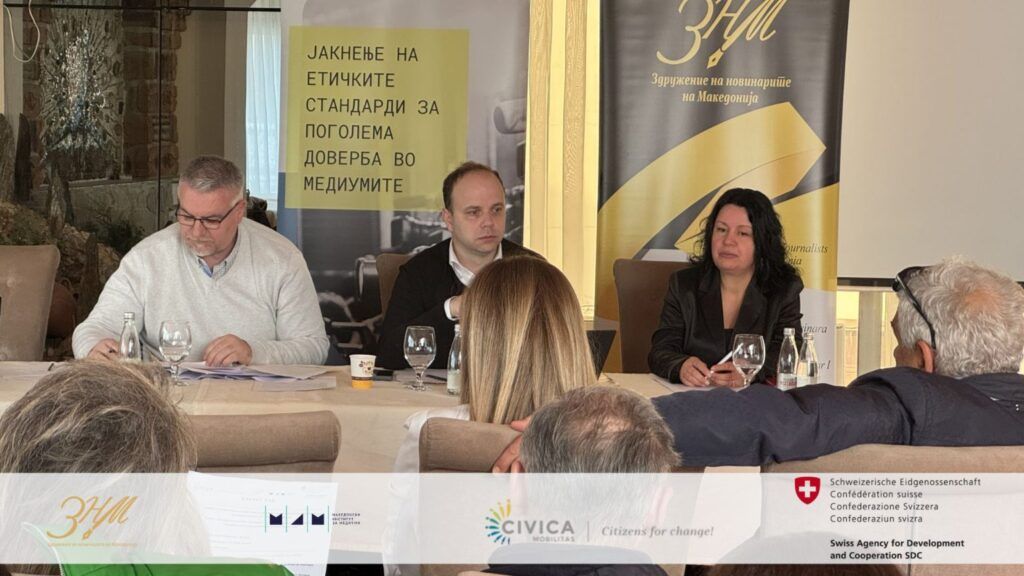
The Association of Journalists of Macedonia (AJM) held consultative meetings with journalists and editors, on 17th March in Bitola and on 25th March in Kumanovo, and within the process of finalizing the new text of the Code of Journalists. At the meetings, the challenges of local journalism were stressed: financial instability, lower number of local media and the rising influence of informal digital sources that do not follow the ethical standards.
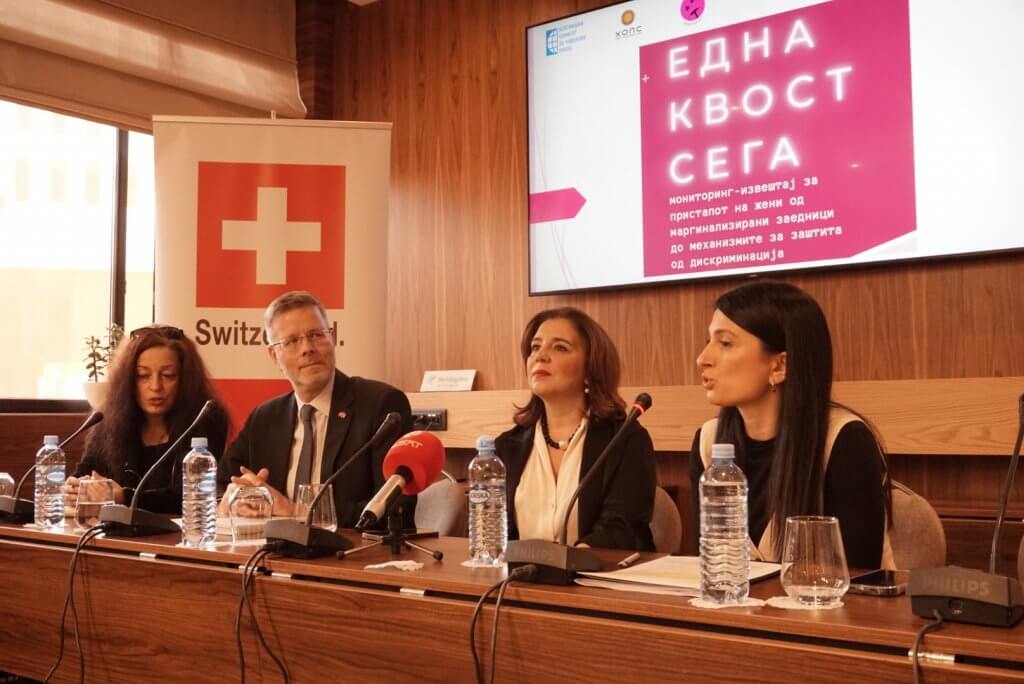
Only 14 out of the 643 cases submitted to the Commission for Prevention and Protection from Discrimination (CPPD) in the period of July 2024 – September 2025, or only 2% come from women from marginalised communities. Although 36% of the total number of cases have been submitted by women, those of the marginalised communities practically remain invisible in the system despite the existence of the legal frame and institutional mechanisms. These finds were presented at the regional forum organised by the Helsinki Committee for Human Rights on 26th March in Skopje, where the monitoring report indicated a significant gap between the formal legal framework and the practical access to justice. The event was organised within the project “Equality Now – Strengthening the Marginalised Communities on Social Inclusion and Non-discrimination”.
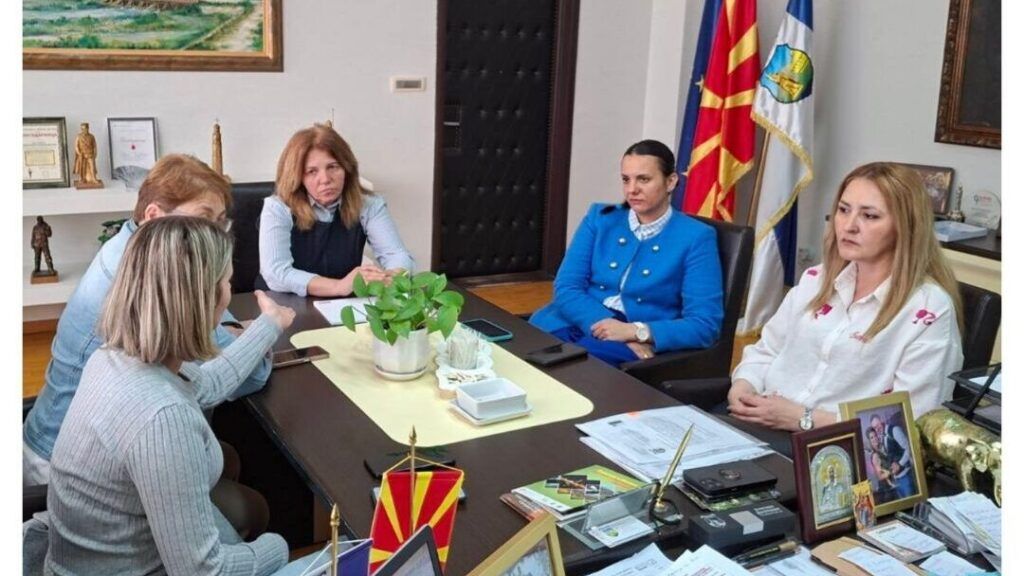
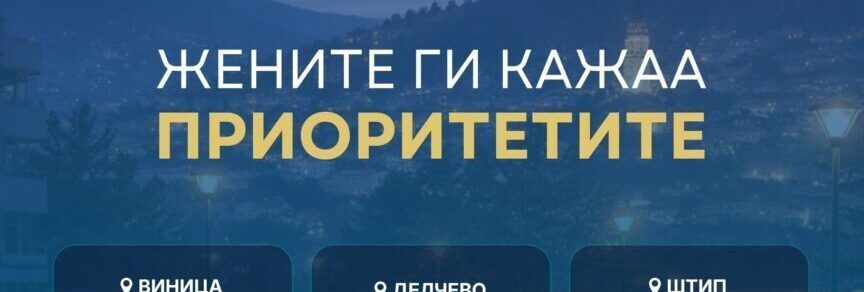
From local meetings to public campaign, “Loud Textile Worker” and its partners strengthen the role of the women in local policy creation. With direct meetings with the municipalities, among which with Delchevo, the issues of public hygiene, lighting and introduction of municipal transport were open as initiatives that should improve the daily lives of the citizens. Parallelly, gender budgeting initiatives were finalised in Ship, where the participants worked on specifying the issues and draft measures, in order to have them ready for advocacy before the institutions. This process will continue with submitting them and asking for specific implementation. The activities are added by the ”Budget Is not Neutral” campaign, which stresses the priorities of the women in Vinica, Delchevo and Shtip – better infrastructure, public hygiene, case for the elderly and safer streets.
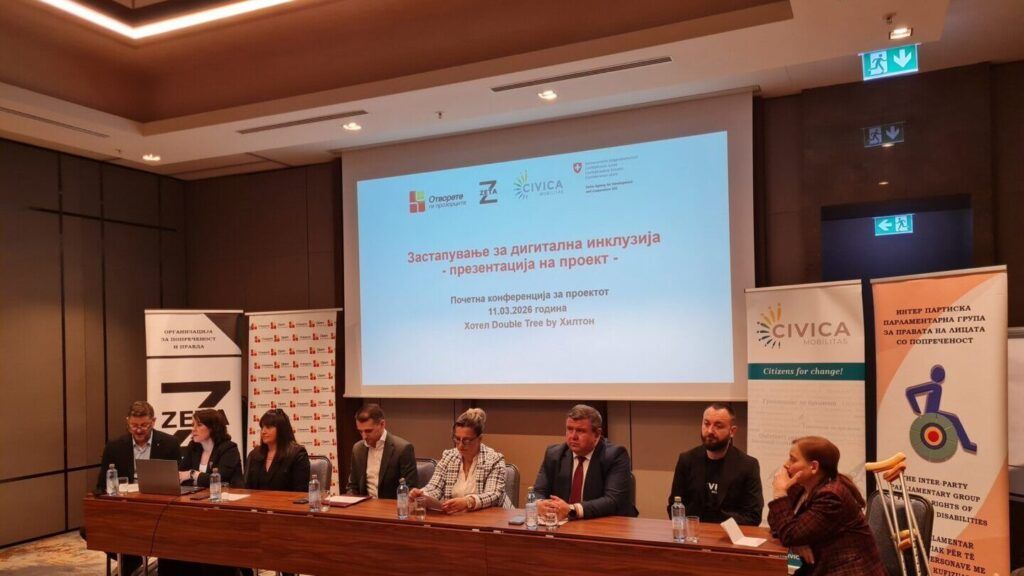
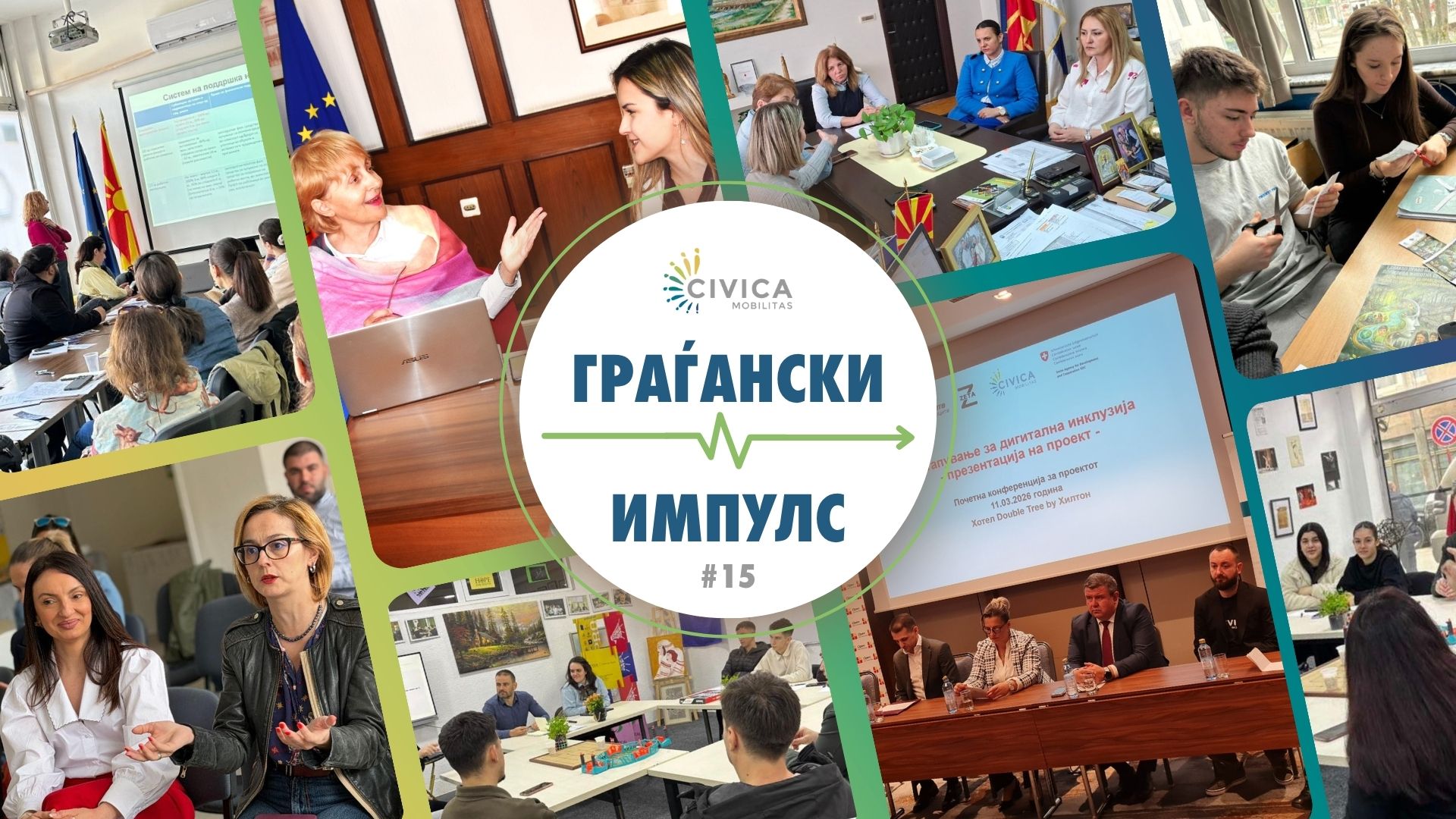
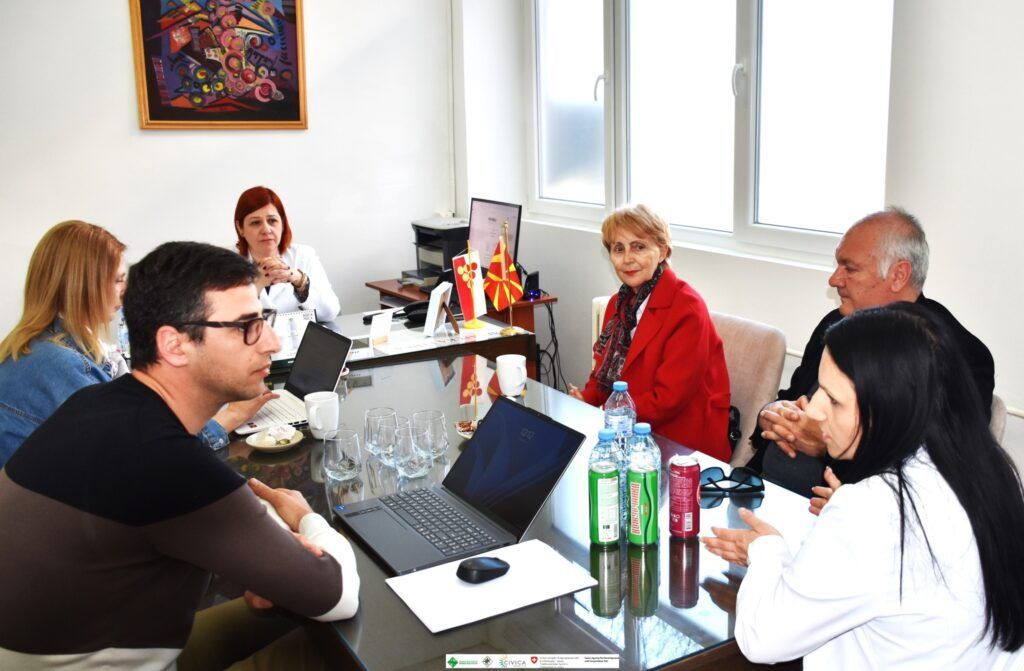
With a message that digital inclusion is a matter of human rights, rather than a technical issue, ”Open the Windows” presented the project “Advocacy for Digital Inclusion”, in partnership with the Association for Disability and Justice ZETA. The event united representatives of the institutions and CSOs around the need for a better access to assistive technology. There were specific proposals mentioned – investments in schools with resource centres and providing assistive technology, up to development of barrier-free digital services. The project will be based on national research and consultations with stakeholders, in order to create systemic solutions that meet the real needs.
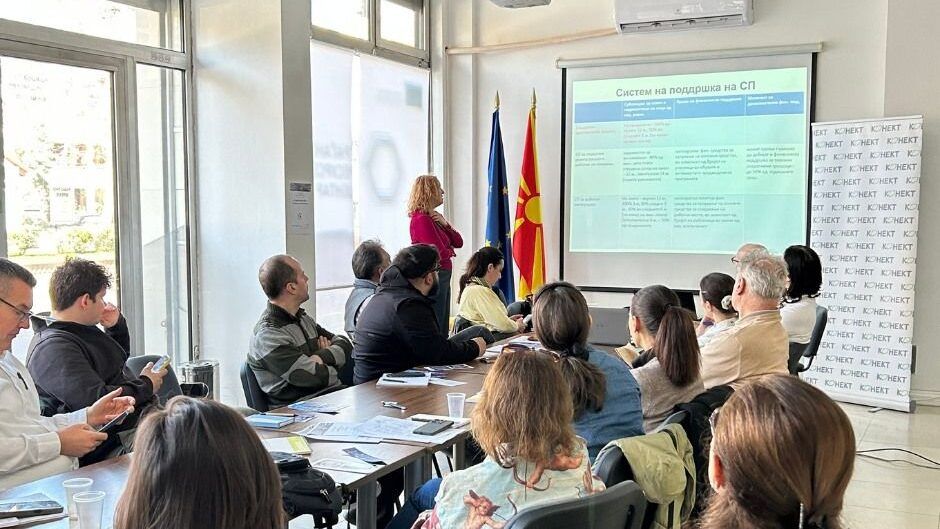
Social enterprises still wait for legal recognition. On 11th March in the Civil Society Resource Centre in Skopje, Konekt united 26 representatives of CSOs, institutions and municipalities at a public debate on the draft-law on social enterprises, within the project “Changes for Sustainability”, implemented in partnership with Apolonia foundation. The discussion was focused on the definitions, conditions for revenue, tax alleviations, subsidies and transparency mechanisms, with a conclusion that the law should be applicable, stimulating and provide a real support to social enterprises.
The Resource Environmental Centre (REC), Eco Logic and Florozon published the article ”Crucial Role of Education in Promoting Sustainable Habits for Bio Waste Management”, prepared within the project “Civic Activism for Circular Economy in Organic Waste Management”. The implementing parties stress the role of the educational institutions in the development of sustainable practices – from introducing school composters and practical activities, to including students in projects and educational initiatives, in order to stimulate environmental awareness, critical thinking and responsible behaviour with the young people and the broader community.
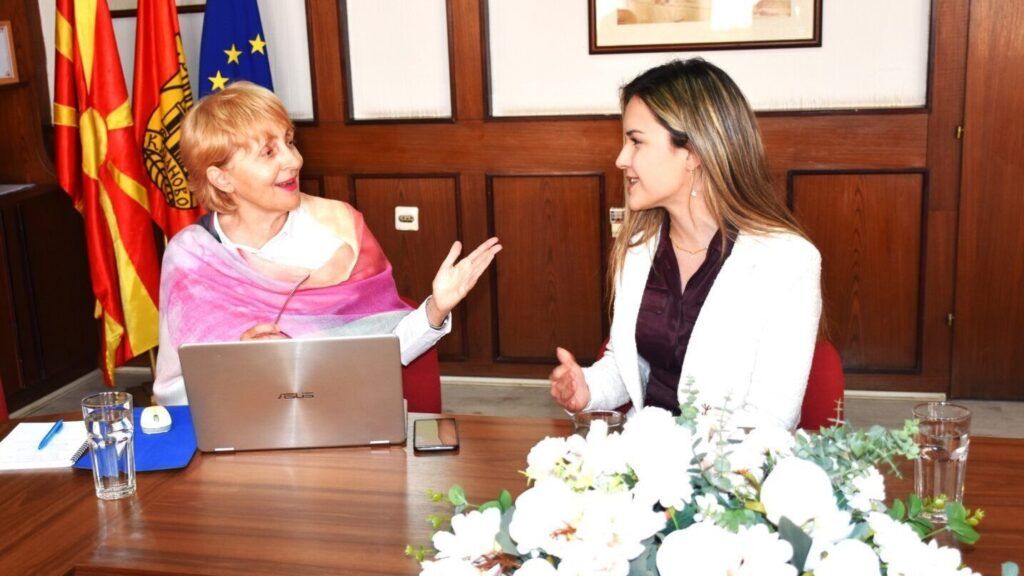
The Green Institute intensified its field activities for better biowaste management via its project “Zero Biowaste: In Partnership with Citizens” by implementing trainings for survey takers and establishing cooperation with the municipalities of Radovish, Kavadarci and Kumanovo. With interviews with local institutions, public enterprises and businesses, the project stresses the need that biowaste is treated as a resource – for compost, energy or other purposes, instead as a waste. The collected data and consultations with stakeholders will be used to prepare a draft concept for systemic solutions for the biowaste at national level.
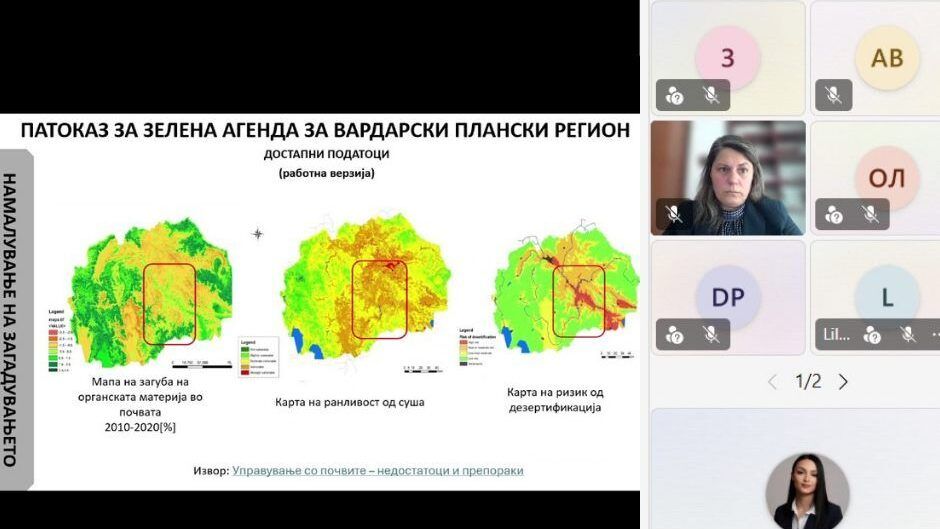
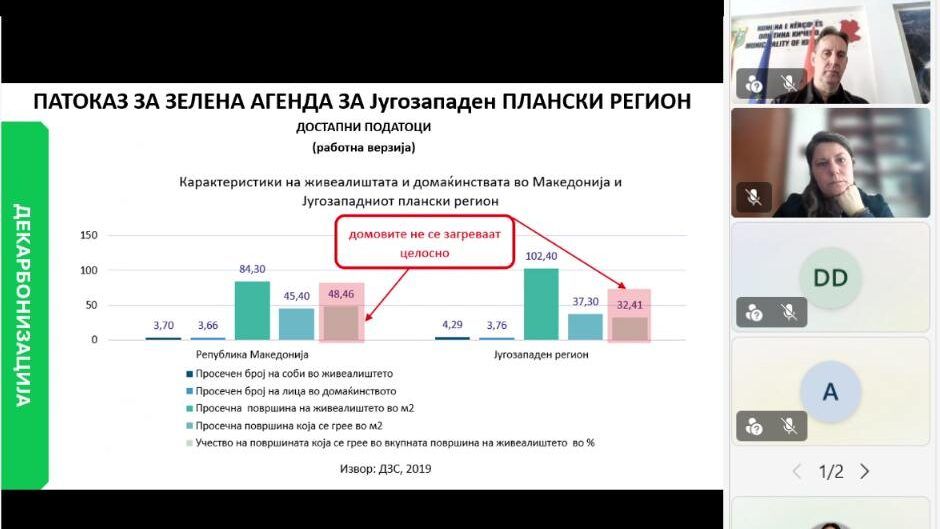
The Centre for Climate Changes implemented a series of on-line working and consultative meetings with representatives of all planning regions in the country via the project “Regional Partnership for Better Implementation of the Green Agenda at Local Level” in order to present and finalise the Roadmap for the Green Agenda. At the meetings with the municipalities from the Southwest, Pelagonija, Southeast, Vardar, Northeast and Eastern regions, the draft version of the document was presented and a discussion was open on how to improve it.
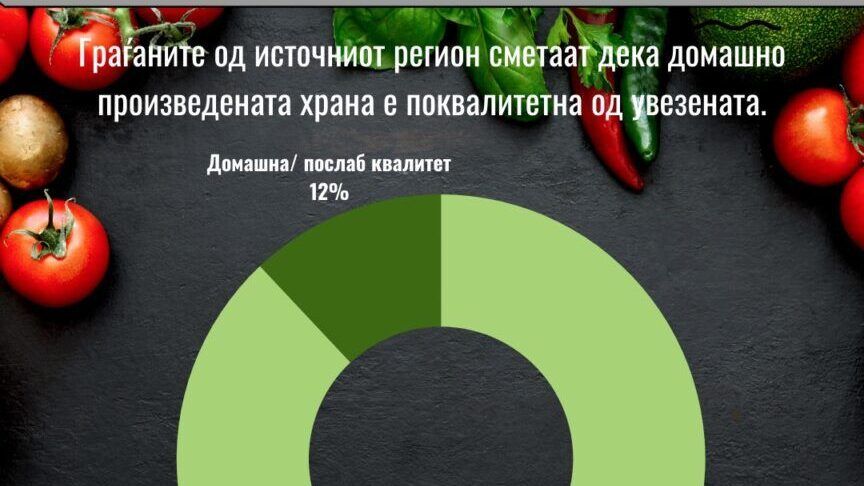
Eco Green Movement Berovo, CCC’s partner, shared data from the Green Agenda Analysis on the Western Balkans, which show an approximation of the views of the citizens from the eastern region. The results show that the citizens are prepared to select waste if there are conditions, that they strongly believe the local food and that they are more and more prepared to pay for healthier products.
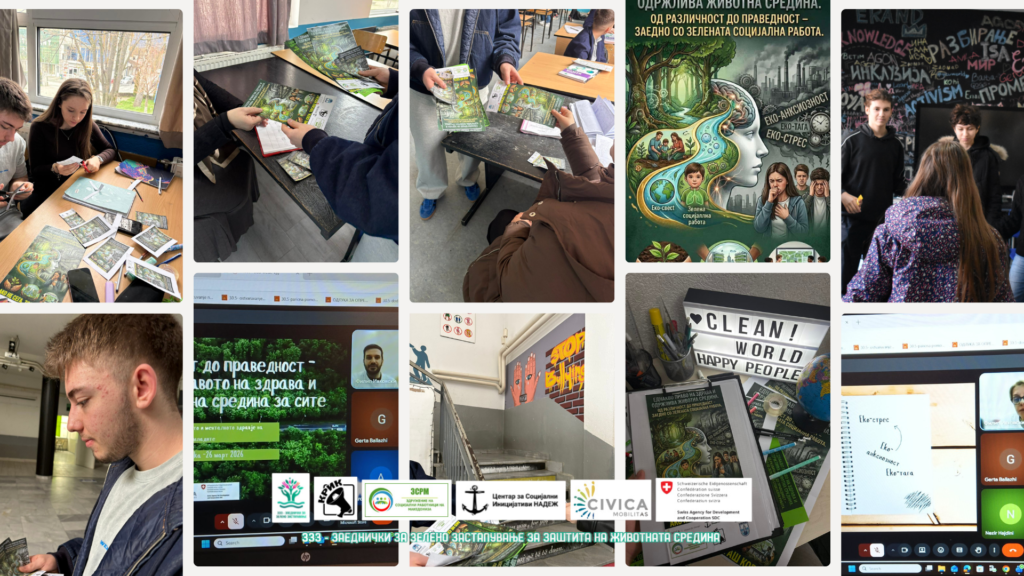
KRIK Centre for Youth Activism has established partnership with Skopje Public Psychiatric Hospital within the project “Together for Greed Advocacy” directed towards improving the support and inclusion in the community. In March and April, the Centre implemented training on the topic of “Between Pollution and Mental Health of the Young”, including 14 young people from the municipal organizations of the Red Cross of the Republic of Macedonia in Gostivar and Kichevo. The participants got acquainted with topics such as eco anxiety, eco sorrow and the role of the young people in building sustainable communities.
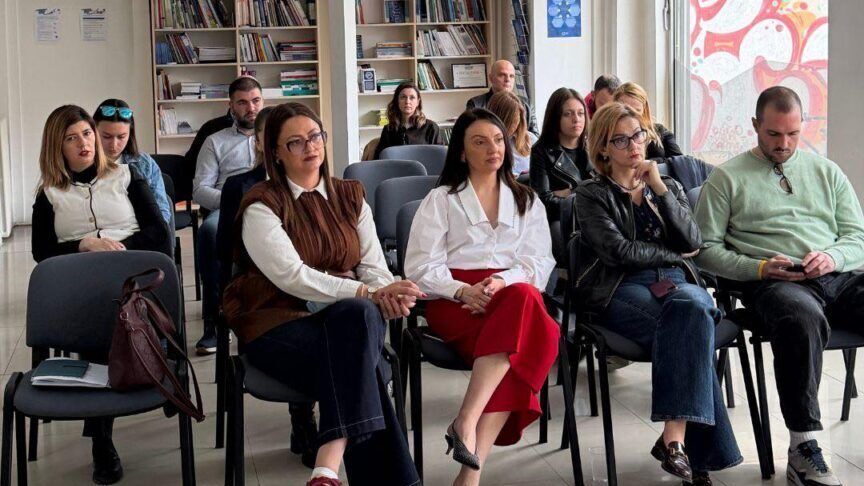
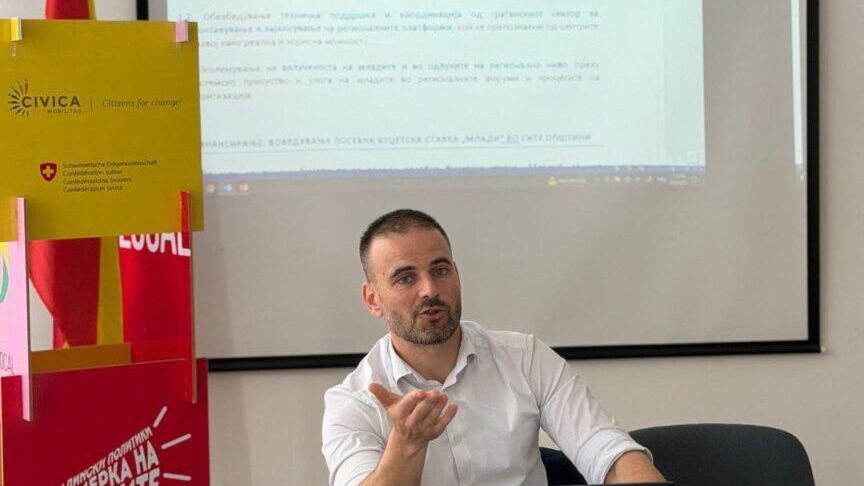
As part of the project “Youth Policies Fit for the Young”, Pro Local from Bitola held two focus groups on 19th March, in Tetovo and in Ohrid, with CSO representatives, where they discussed the differences between rural and urban municipalities, as well as recommendations for improvement of the Law on Youth Participation and Youth Policies. On 26th March, at the Civil Society Resource Centre in Skopje, the head researcher Rubin Nikoloski presented the key findings of the national impact assessment of the Law on Youth Participation and Youth Policies. The data show that the number of local youth councils had decreased since 2021, in many municipalities there had been no budget item for young people, and the young people in the rural areas leave as early as high school.
In order to advance the public debate on high education, the Balkan Institute for Regional Cooperation published five analyses: “University Ranking and High Education Quality”, “Between European Standardization and University Autonomy Dilemma”, “Analysis of the Draft Law on High Education”, “High Education in North Macedonia and the Necessity of Reforms” and “Clash of Educational Cultures: University between Habits and Transformation”.
These activities, supported by Civica Mobilitas projects, confirm the continuous dedication of CSOs in creating better and more quality living conditions for the citizens.