
Civic Impulse #22: Monthly Review of Grantee Activities
October 2026
Civic participation starts by being informed, continues with dialogue and has meaning when the citizens recognize problems, propose solutions and ask for accountability from the institutions. In October, CSOs encouraged such participation by meeting local authorities, educational activities, public forums, creative initiatives and advocacy for better policies.
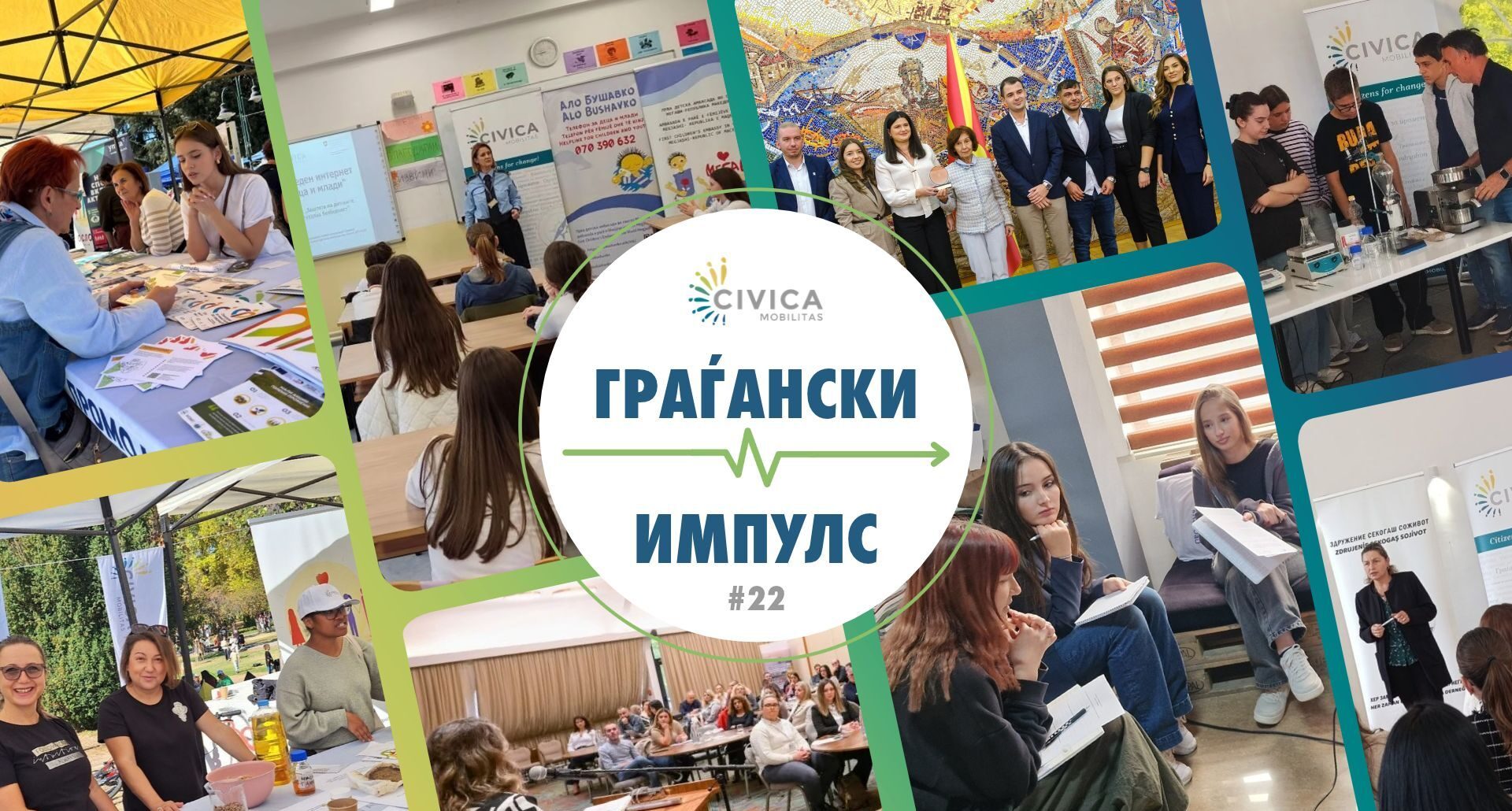
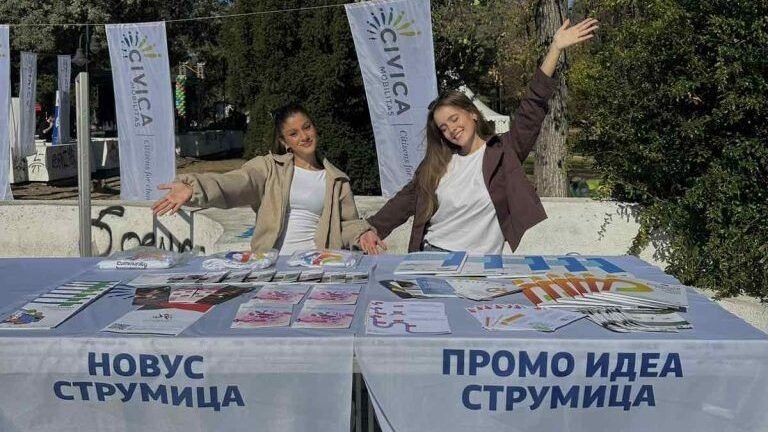
At the ”CSO Day” festival, Promo Idea and Novus presented the network on financial literacy of the young people. The network, which started to develop in the Southeast region, aims to expand at national level as well. The membership is free and voluntary, and the young people are provided access to information on events, trainings and educational material.
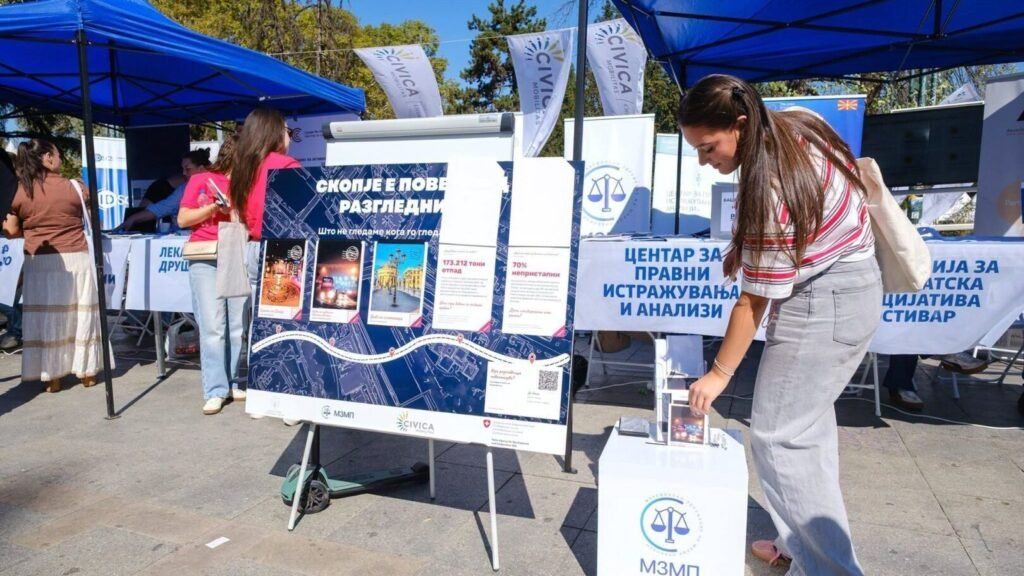
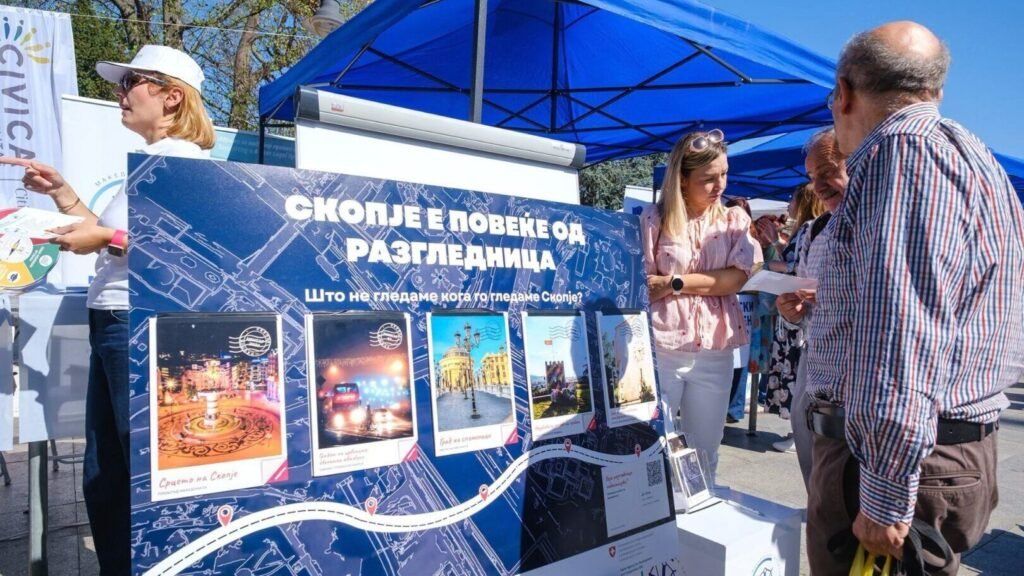
Via a creative initiative, the Macedonian Young Lawyers Association have encouraged the visitors to think about the everyday problems in Skopje. With an exhibition of five postcards there were data presented that related to safety of women, public transport in Shuto Orizari, gender inclusion in public space, waste recycling and accessibility of polling stations for people with disabilities. The visitors had the opportunity to write messaged to the institutions in charge, which the organizers would submit to them. The activity is part of the project “Mentorship in Judiciary and Youth Engagement for Gender Equality”.
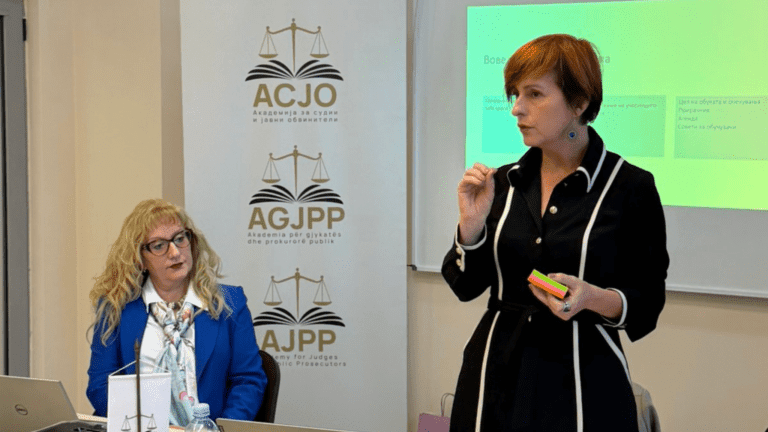
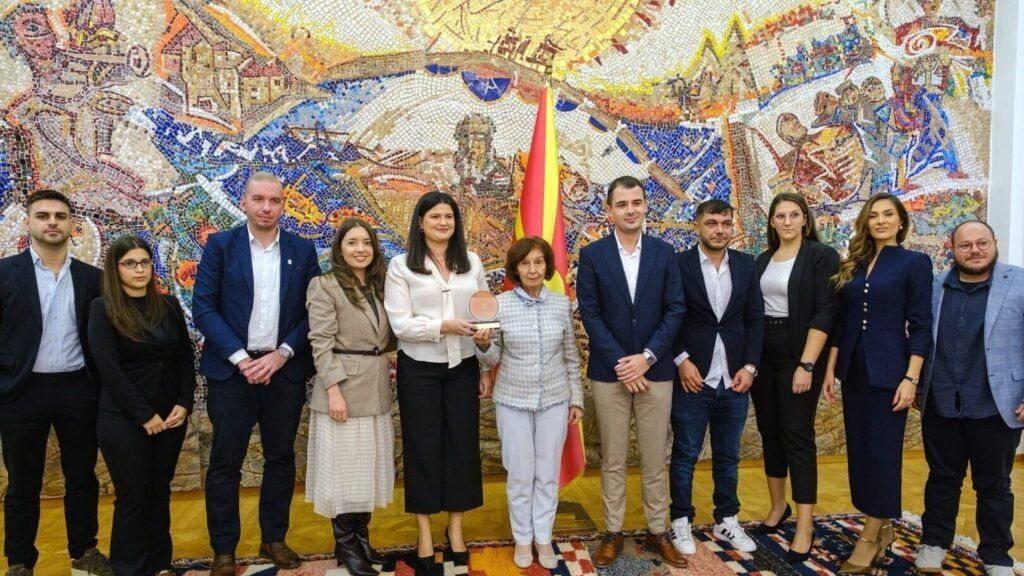
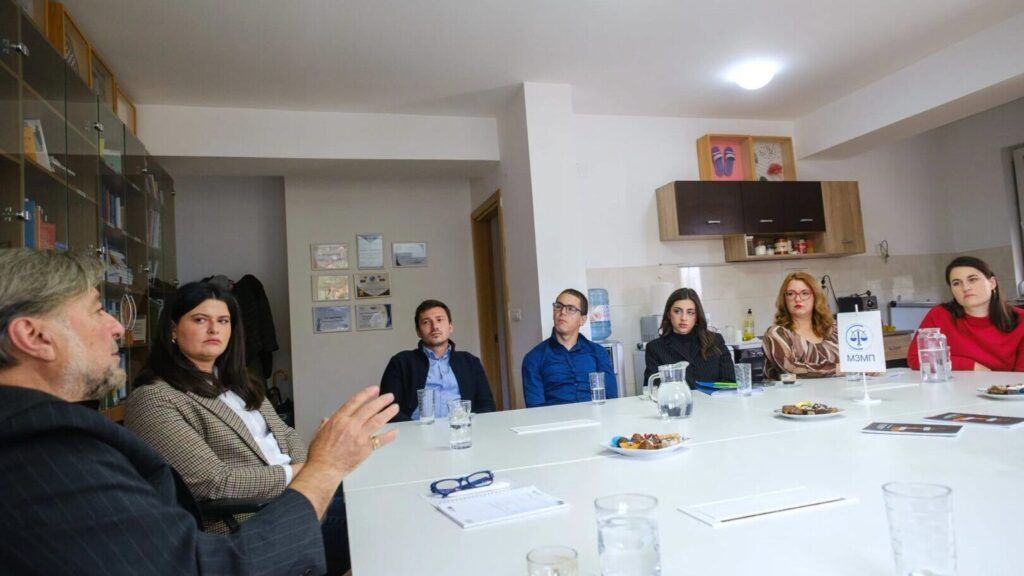
The Macedonian Young Lawyers Association started with mentorship of future mentors in the Academy for Judges and Public Prosecutors. The programme should contribute to establishing a mentoring approach in judiciary, via thematic sessions, analysis of real and simulated cases and exchange of experience. At the same time, on the 35th anniversary of the constitution, the association organised a series of discussions on the “Constitution Days”. The young lawyers discussed with the President of RNM, prof. Gordana Siljanovska-Davkova, who was an external member of the Constitutional Commission in 1991, and with professor Ljubomir Frchkoski, one of the authors of the constitution. The focus was constitutional guarantees, equality, human rights in digital time and constitutional education.
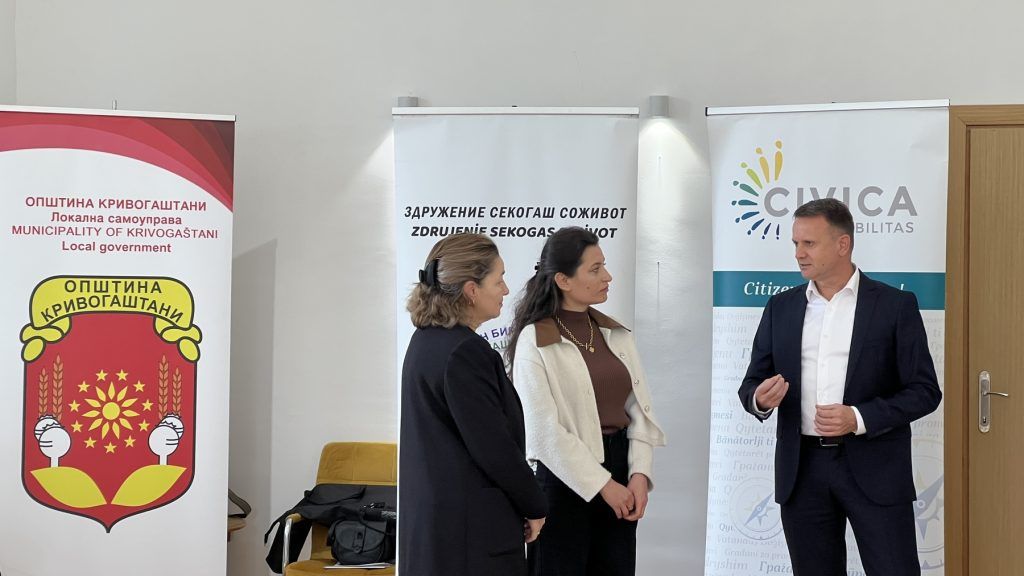
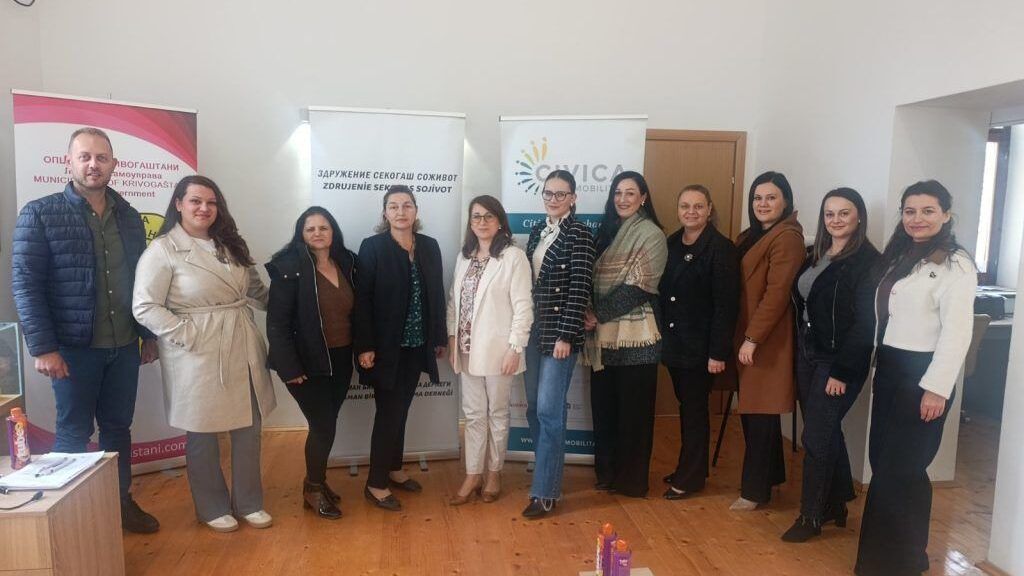
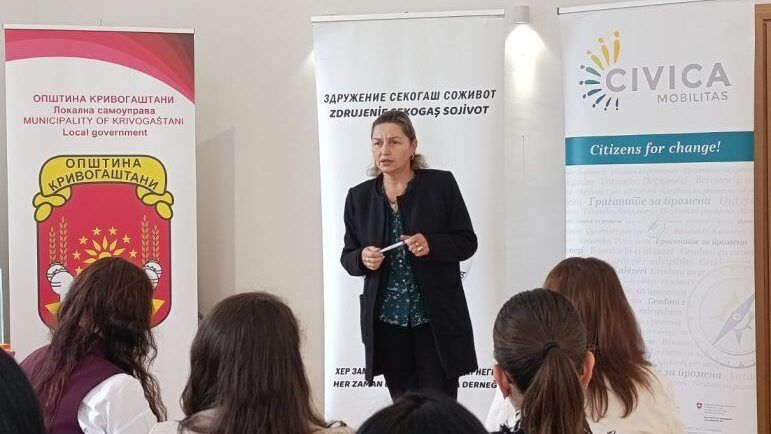
The association “Always Cohabitation” also participated at the festival, whose participants from the make-up training presented the practical skills that they had obtained. They also organised meetings with women and local stakeholders in Resen and Krivogashtani, where they discussed bigger economic and social participation of women. At the meeting in Krivogashtani, held on 29th October, with the mayor Igor Karavilovski, municipal representatives and women from the municipality, issuers related to employment and self-employment, financial support, grants, IPARD-programme and challenges that women from rural areas face were discussed. The activities have been implemented as part of the project “Voice and Participation of Women and Youth in: Creating Public Policies and Enabling Environment for Civic Participation”, which is implemented by Antiko Women’s Civic Initiatives, “Always Cohabitation” and ZOK Adrion.
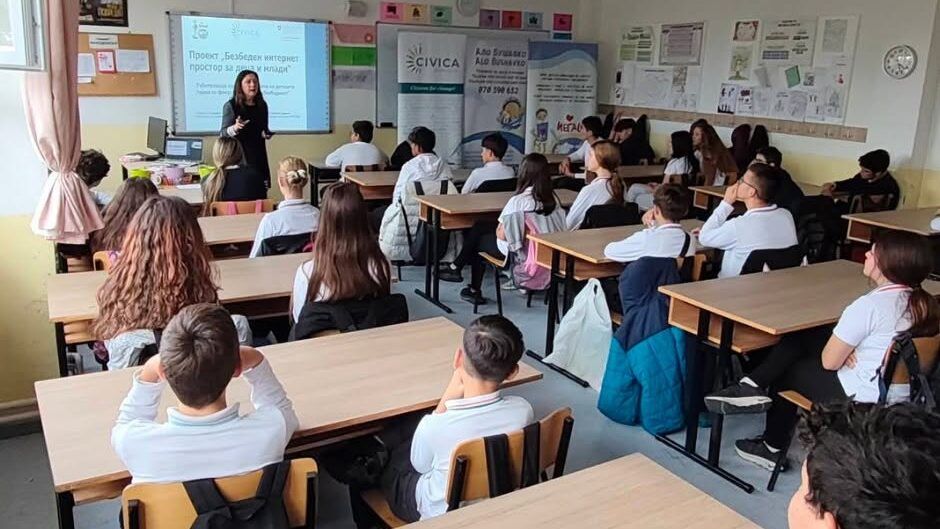
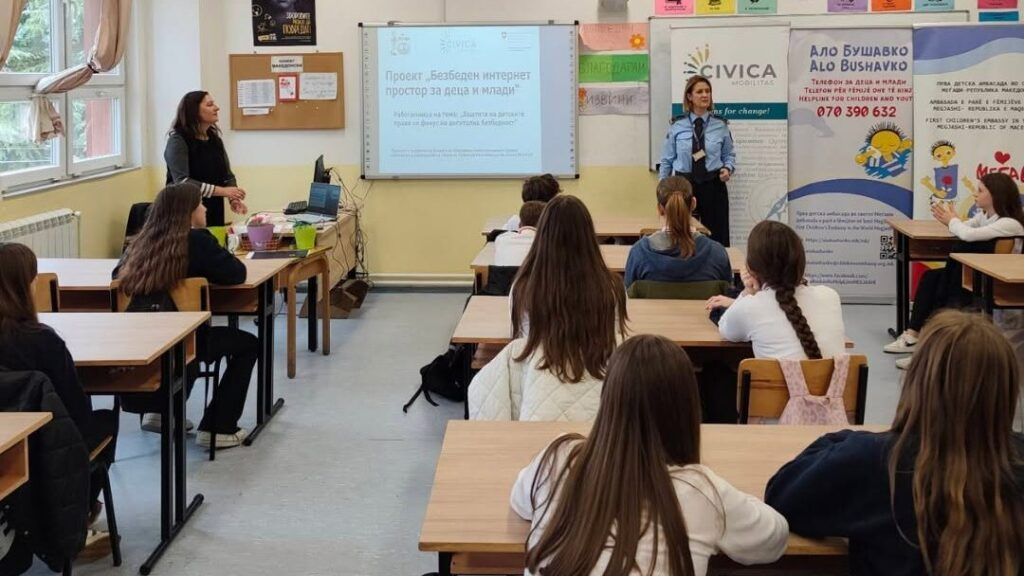
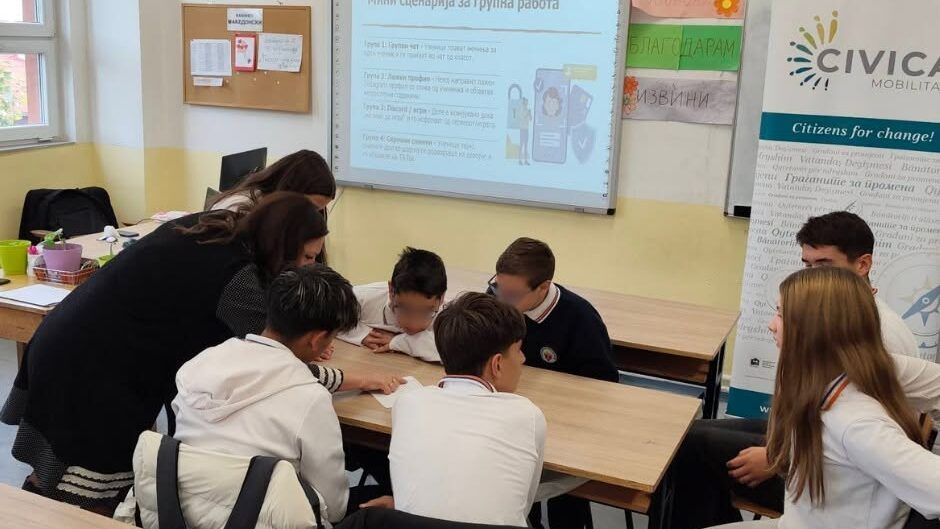
Rights and safety of children were the topic of discussion in the primary school “Dimitar Makedonski” in Aerodrom. On 27th October, the First Children’s Embassy in the World Megjashi, in partnership with Impetus – Centre for Internet, Development and Good Governance, held two workshops with students of eighth grade. Via discussions and practical examples, the students learnt about their rights on the Internet, protection of personal data and privacy, as well as risk recognition and wats of asking for help. The activities are part of the project “Safe Internet Space for Children and Youth”.
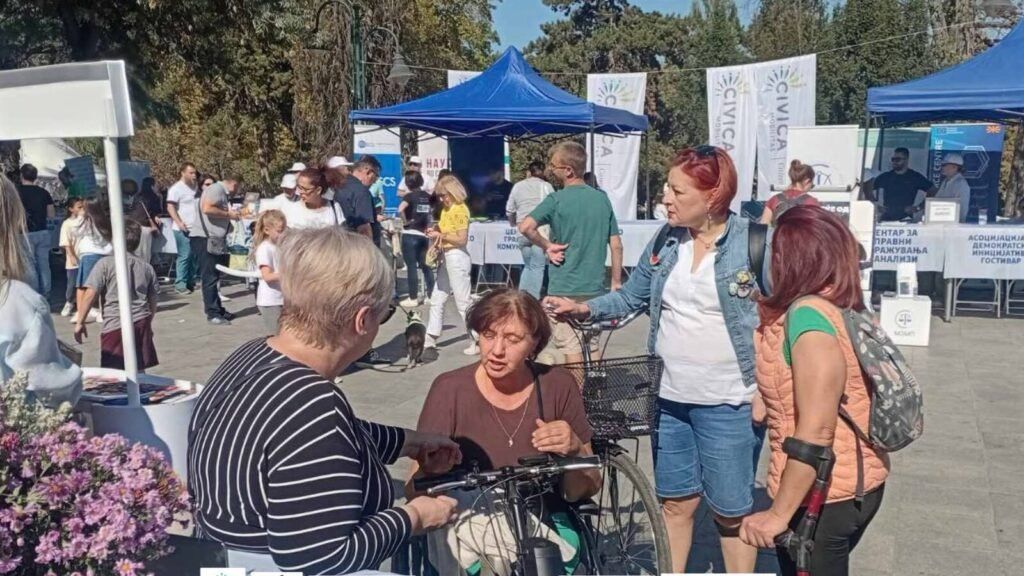
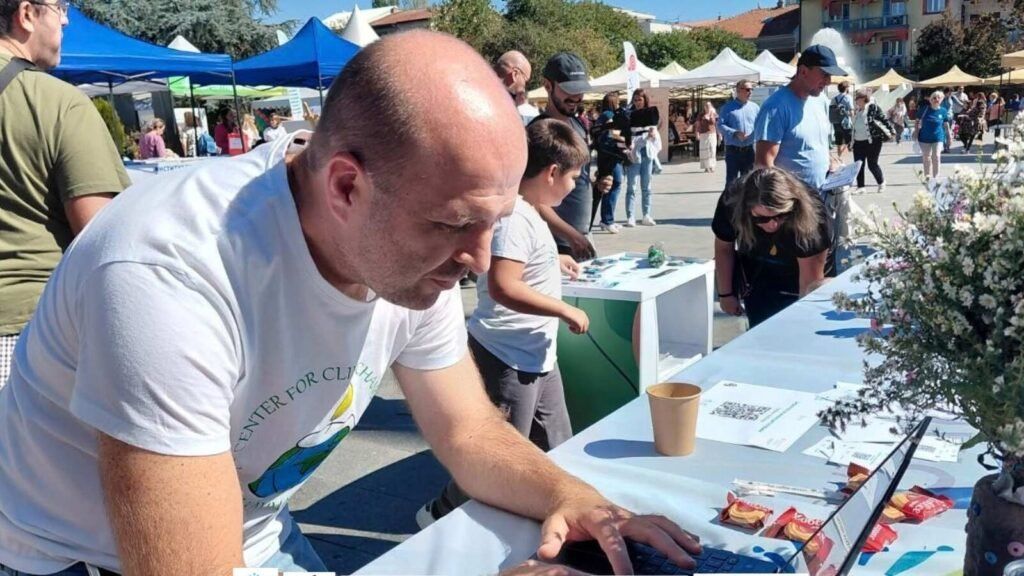
The citizens were given the possibility to also directly report problems from their surroundings. KRIK Centre for Youth activism presented the results of the analysis of the tool “Report a Problem”, via which the citizens can indicate local problems. The analysis covers 87 reports and 53 responses to the survey. From the reports, 31 concern waste in Skopje region, and only five of those surveyed confirmed that the problem that had been reported was resolved. None of them was directly contacted by the municipality. The tool was also presented at the festival “Day of CSOs”, where the visitors had the possibility to report problems. The activities are part of the project “Together for Green Advocacy – ZZZ”.
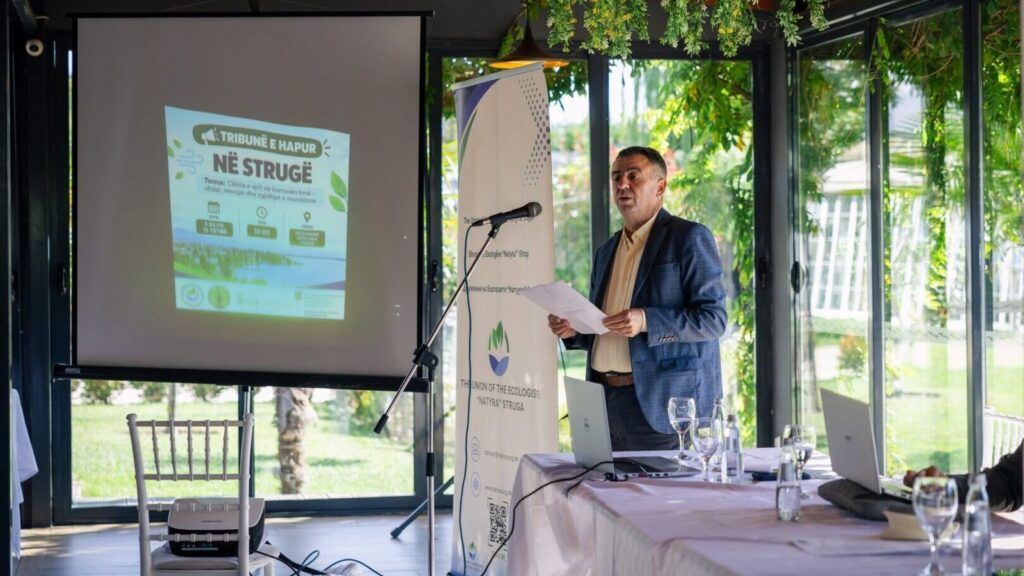
Within the project “Civic Network for Clean Air in the Southwest Region”, on 15th October in Struga, representatives of “Natyra” – Struga association held the first public forum on air quality. At the forum there were data presented from the sensors at Klimerko.org platform, placed in Struga, Ohrid, Vevchani, Debar and Kichevo. The participants in the discussion were representatives of the municipality, citizens, teachers, students, activists and CSOs. The project is implemented in partnership with “Mirko Mileski” – Kichevo scout brigade.
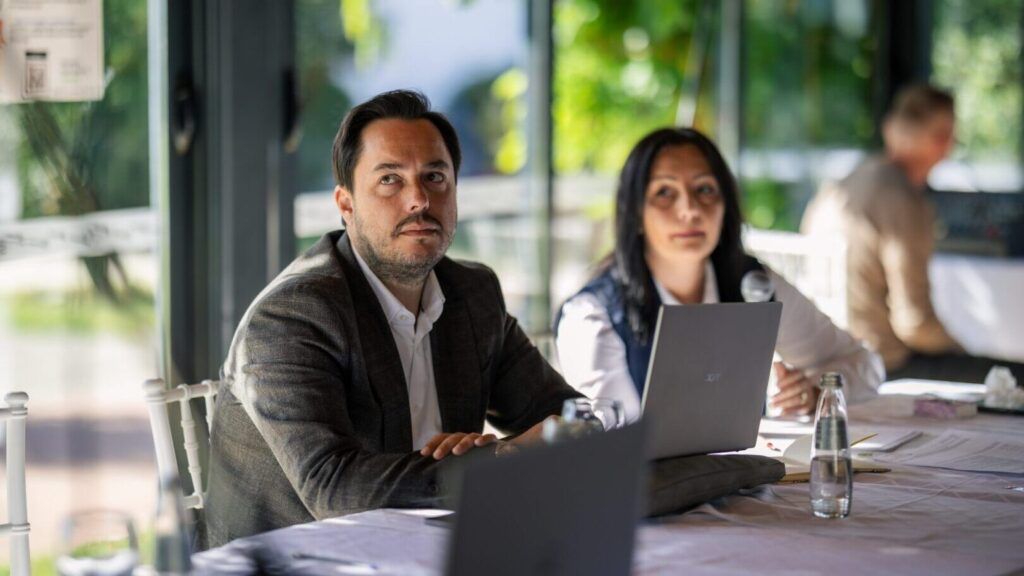
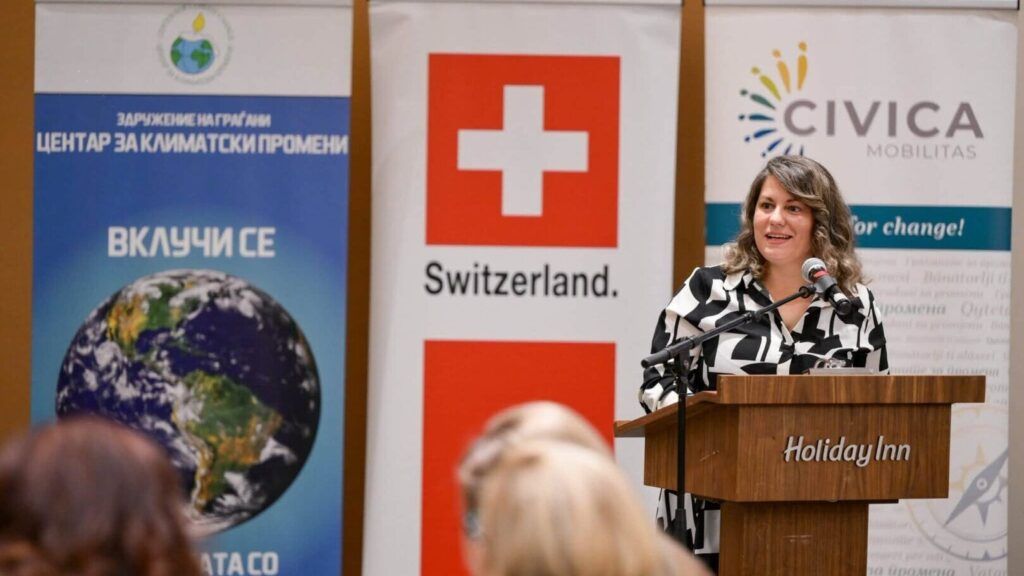
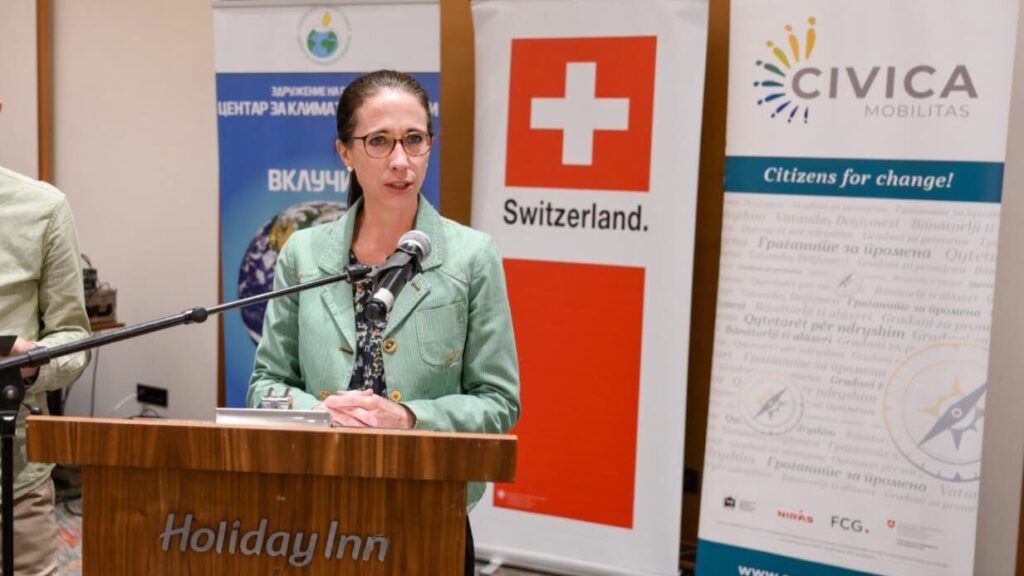
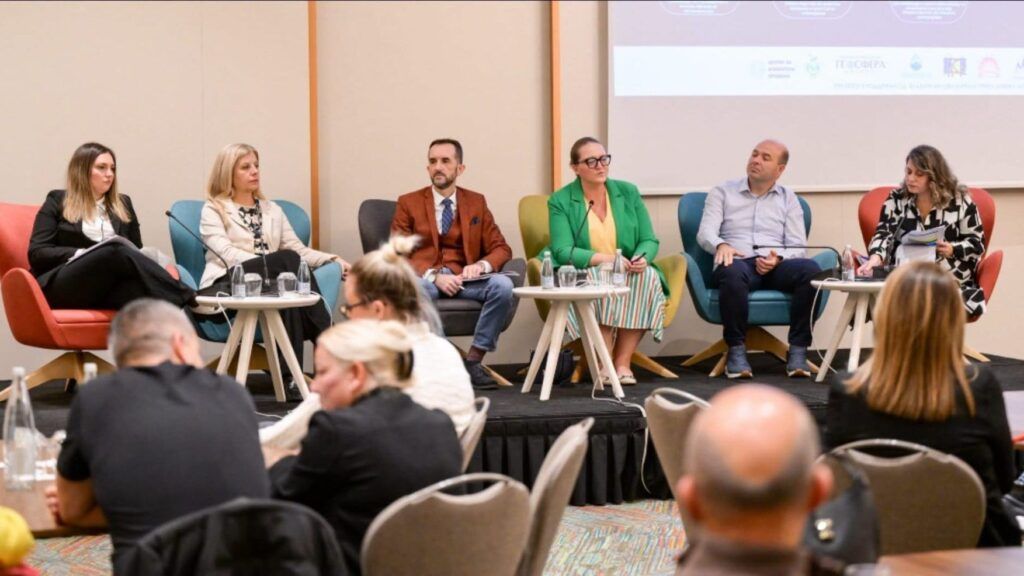
The need for bigger local implementation of the Green agenda was in the focus of the ”Green Agenda: From National Policies to Local Economic Possibilities” forum, held on 30th October in Skopje. At the event, organised by the Center for Climate Changes, representatives of institutions, municipalities, planning regions and CSOs discussed about support, capacities, financing and monitoring of green policies, as well as about the possibilities for green investments and local partnerships. The forum was the closing event of the three-year project “Regional Partnership for Better Implementation of the Green Agenda at Local Level”, which the Center for Climate Changes implements with seven more partner organizations.
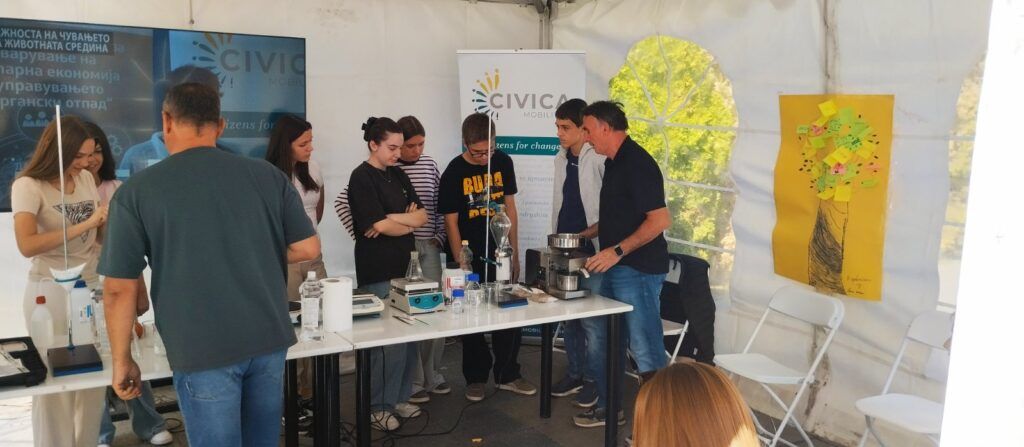
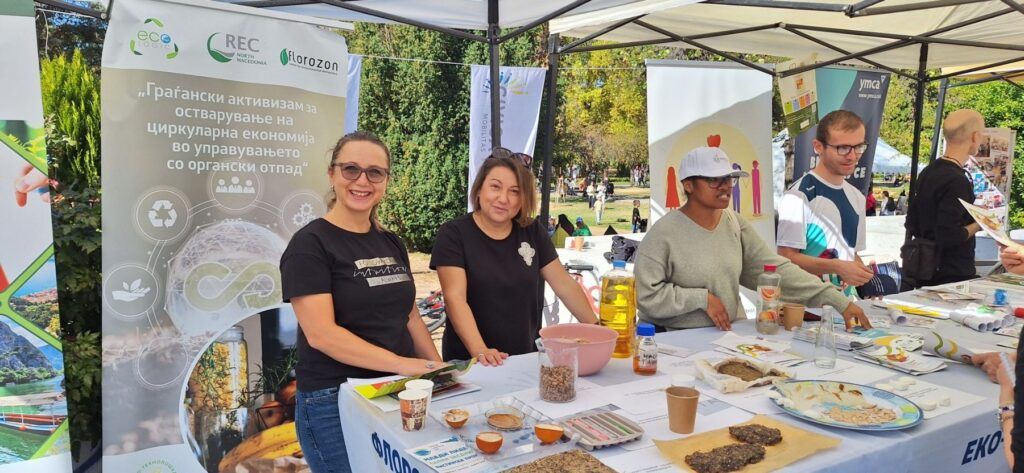
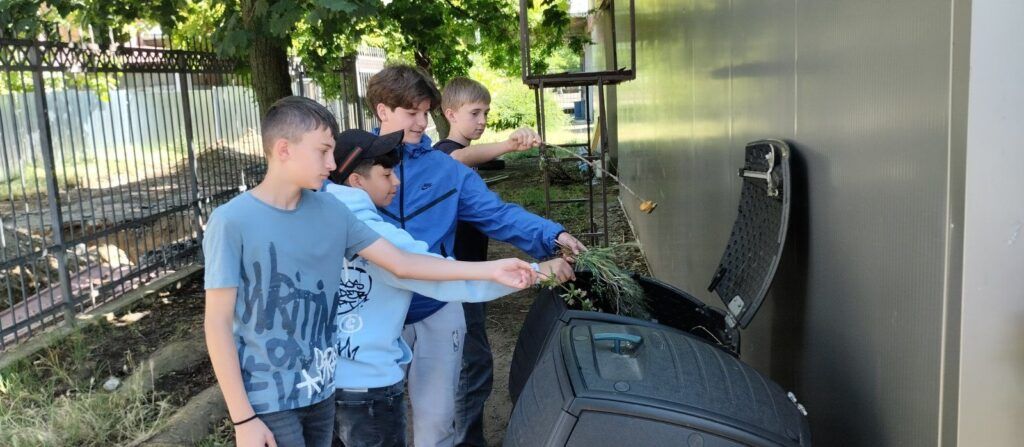
How waste can become a resource was shown by the Center for Environment Resources (REC), Eco Logic and Florozon. At the festival, they exhibited products made of waste and held a workshop for processing and recycling of biowaste, with practical experiments for obtaining pectin and biodiesel. On 27th October, at ”Dimo Hadzi Dimov” primary school, students and teachers demonstrated how organic waste from households can be used for the needs of the school yard. The activities are part of the project “Civic Activism for Implementation of Circular Economy in Organic Waste Management”.
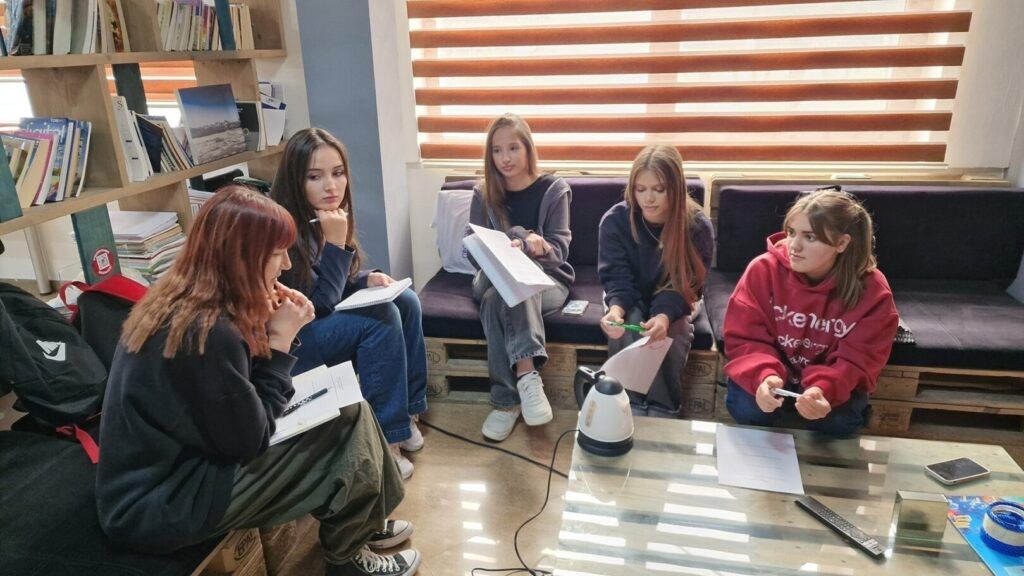
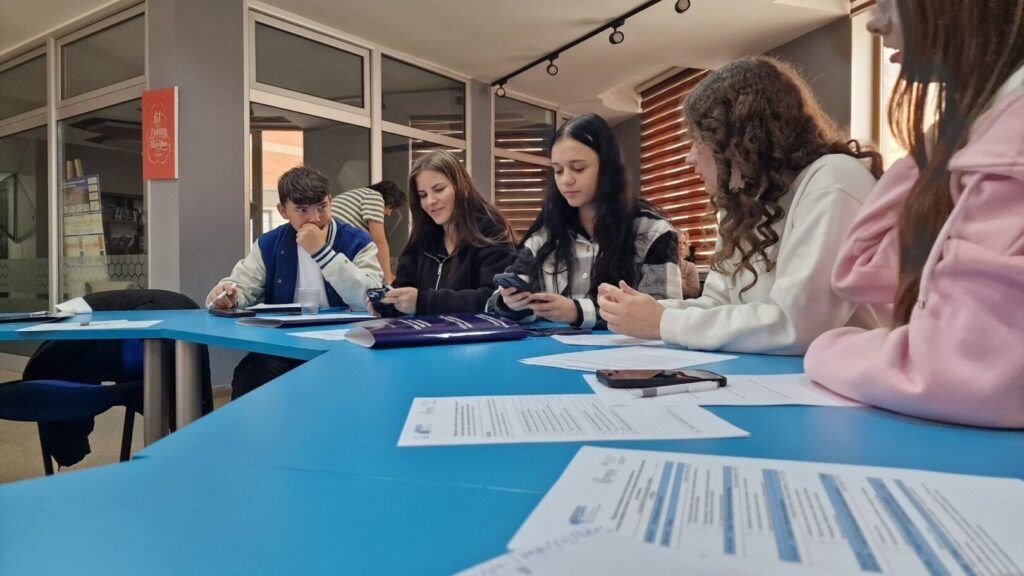
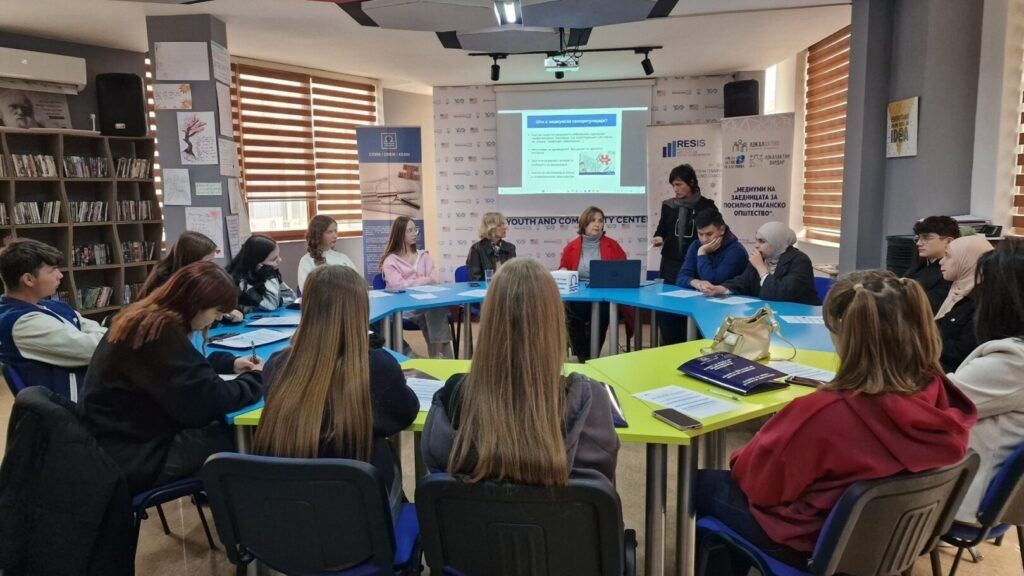
Media literacy and role of local media were topics of the workshop for high school and university students from Gostivar and Polog region organised by the Council for Media Ethics of Macedonia (CMEM) and RESIS Institute. Young people spoke about checking of information, trust in local media and influencers, fake and harmful contents and journalistic standards. They also proposed topics that they want to hear more about, such as the problem with stray dogs, cyber violence and influence of social networks. The workshop is part of the project “Community Media for Stronger Civil Society”.
Changes in legal framework that will make donations and sponsorships in public area easier is advocated by Konekt. After more than 15 years of work in this area, in cooperation with the Ministry of Justice, institutions, business sector and CSOs, the organization proposes changes to the Law on Donations and Sponsorships in Public Area. Proposals are directed to simplifying the procedures, decreasing the administrative burden, bigger transparency and legal security, as well as digitalization of processes.
How many of the promised government measures are really implemented was analysed by Finance Think and partners, via two new public policy documents (briefs), published as part of the project “Bridging the Gap between Political Promises and Fulfilment in Four Development Areas”. The education document monitors 38 measures, 12 of which are fully implemented, 22 are on-going, three have not been fulfilled, and there is no sufficient information for one of them. The analysis shows that the reforms in higher education, science and preschool education have slowed down, among other reasons also due to non-accepted legal solutions. According to youth policy document, out of 23 measures, after two years only four have been fulfilled, while there are no publicly acceptable data on seven of them. There is especially lagging on the employment measures for the young people, digital access, practical work and local youth infrastructures.
Starting from local initiatives and educational activities, up to analyses and proposals for better policies, the October activities show that civic participation has different forms, with a common goal: make problems visible, have the voice of the citizens heard and make the institutions assume their responsibility.