
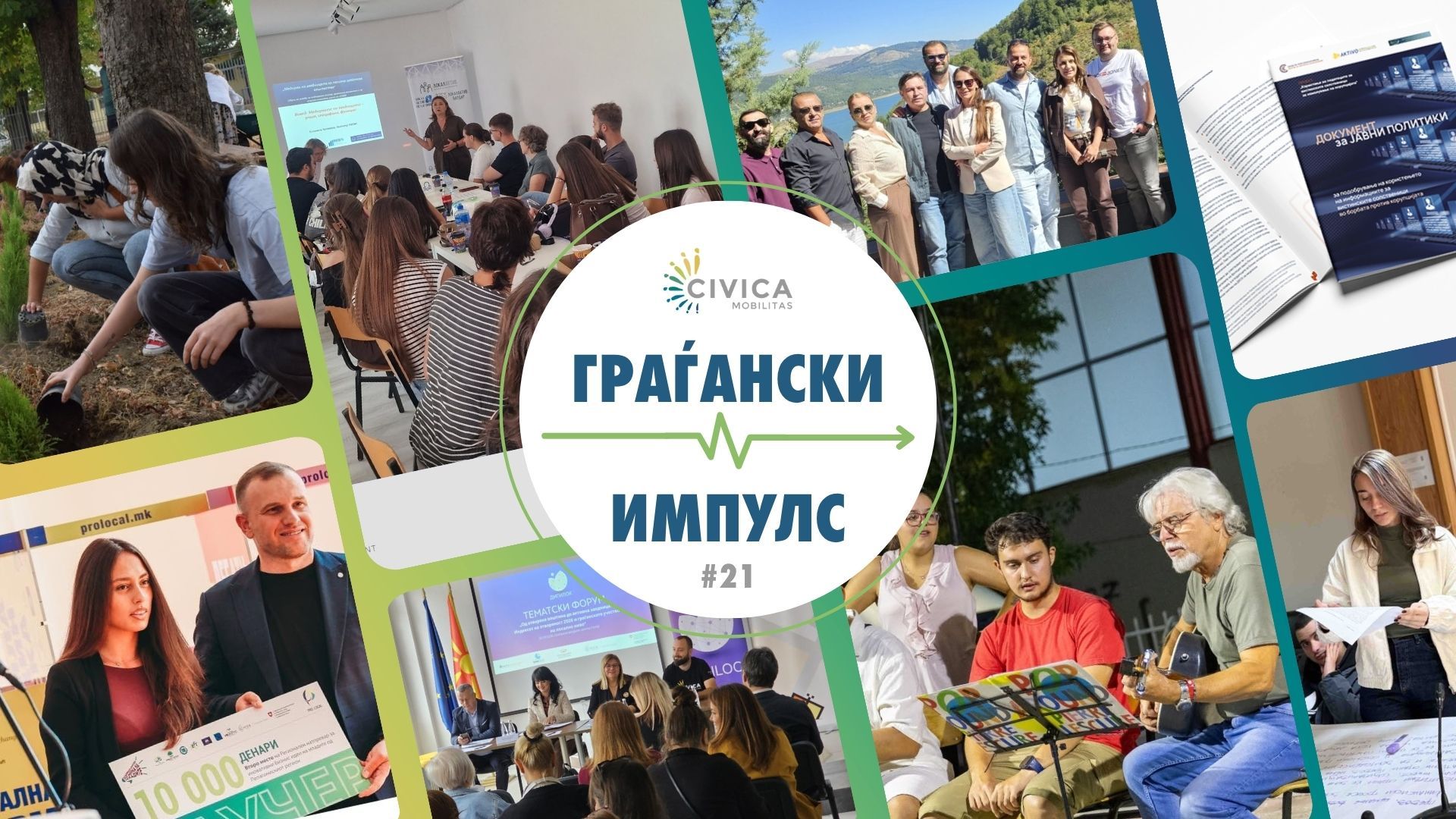
Civic Impulse #21: Monthly Review of Grantee Activities
September 2026
September brought new initiatives for cleaner environment, bigger citizen participation in decision making and more responsible work of the local institutions. The organizations that are Civica Mobilitas grantees worked on solutions for the needs of their communities. Part of the activities brought specific results, and others opened space for dialogue and new cooperation.
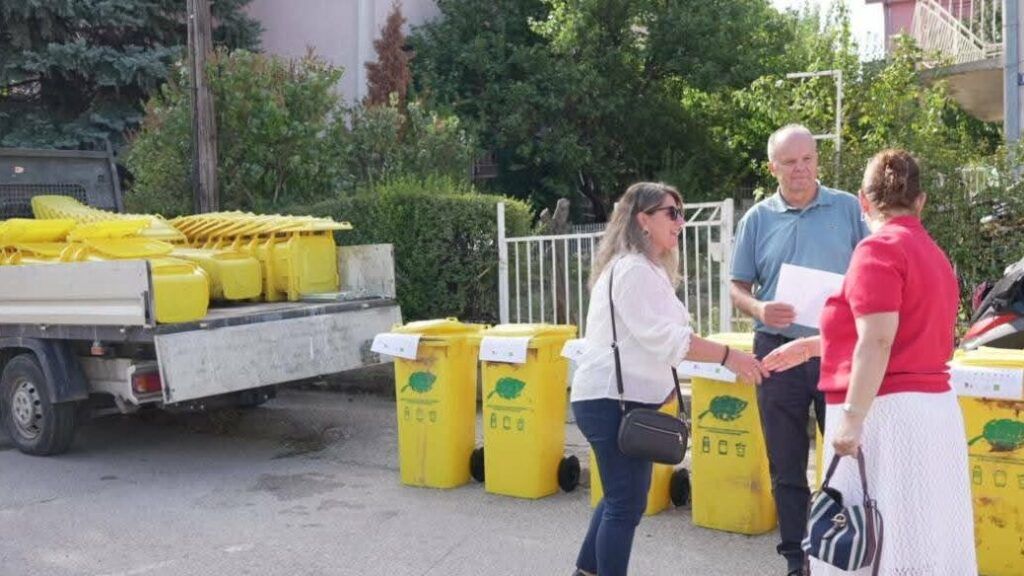
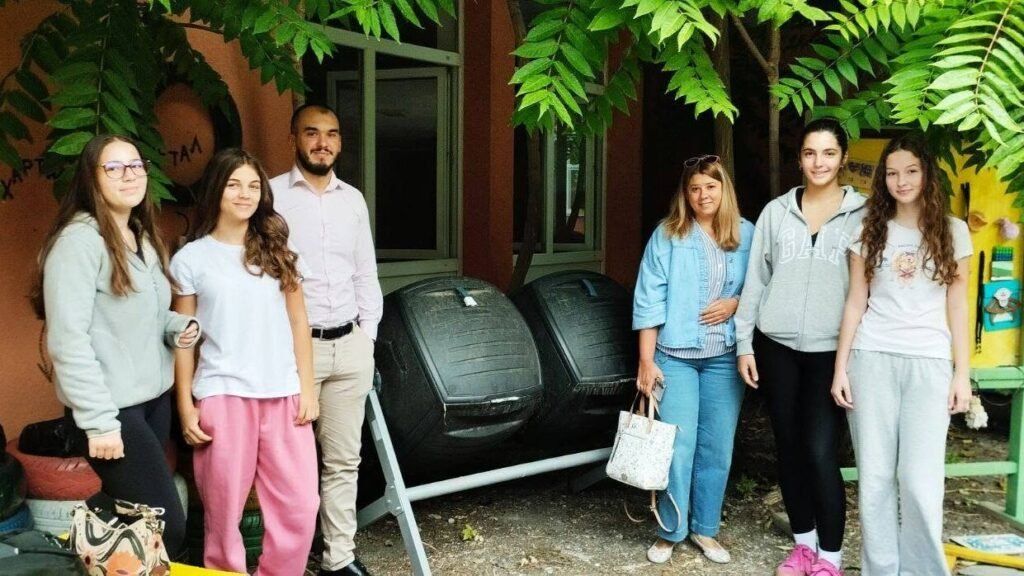
In Zelen Rid neighbourhood in Kumanovo, 200 households received free containers for selection of plastic and cans. The municipality of Kumanovo, with the support of the Center for Climate Changes (CCC) started to establish a primary waste selection system so that the waste is separated in the households.
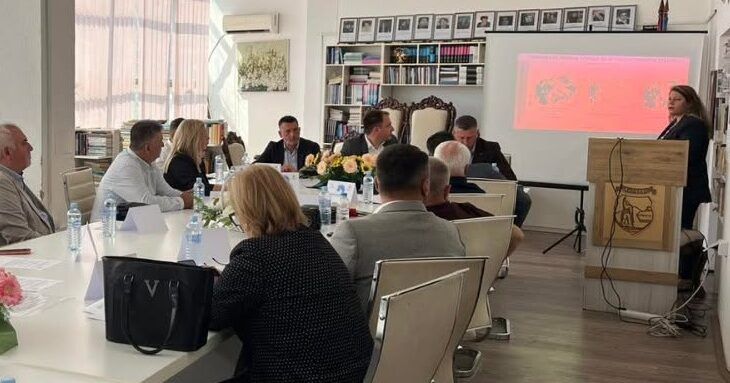
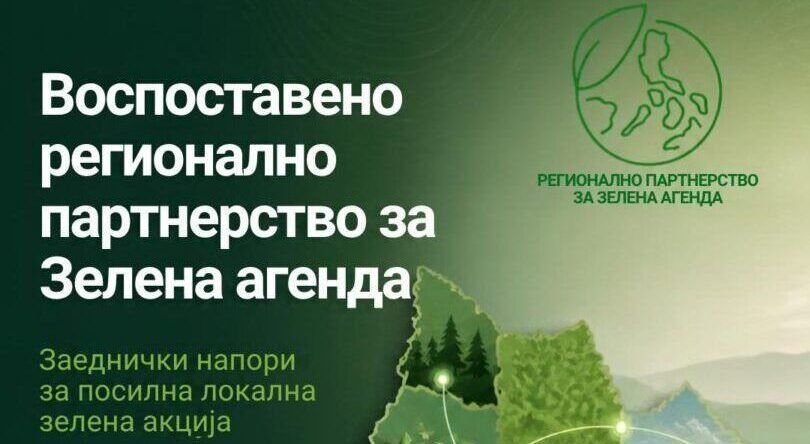
The 2025-2030 Green Agenda Roadmap for the Eastern Planning Region was adopted unanimously, prepared by CCC in consultation with the municipalities from the region. CCC and the partners also informed about establishment of the Regional Partnership for active monitoring of the Green Agenda for the Western Balkans at local level, as a voluntary and informal cooperation platform.
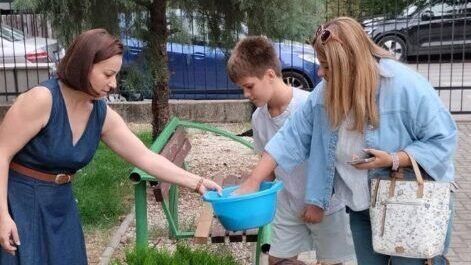
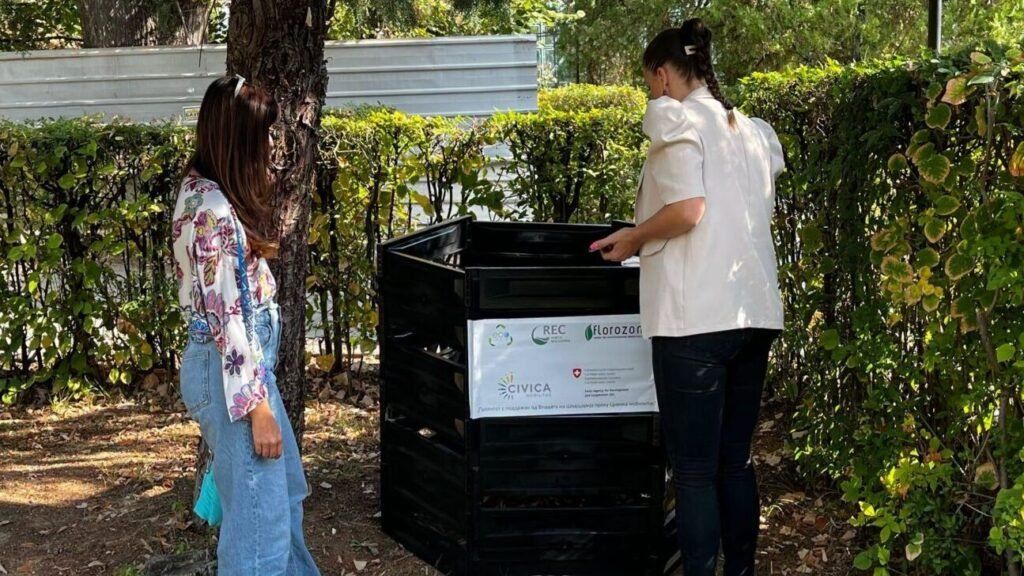
The Center for Environment Resources (REC), in partnership with Eco Logic and Florozon, following a three-month long process of organic waste selection used the compost to green the schools. On 15th September, the compost was used at “Jan Amos Komenski” primary school, and on 16th September the students of “Avram Pisevski” primary school used the natural fertilizer for their herbal garden and the school yard. The activity, supported by the Municipality of Karposh is part of the project “Civic Activism for Implementing Circular Economy in Organic Waste Management”.
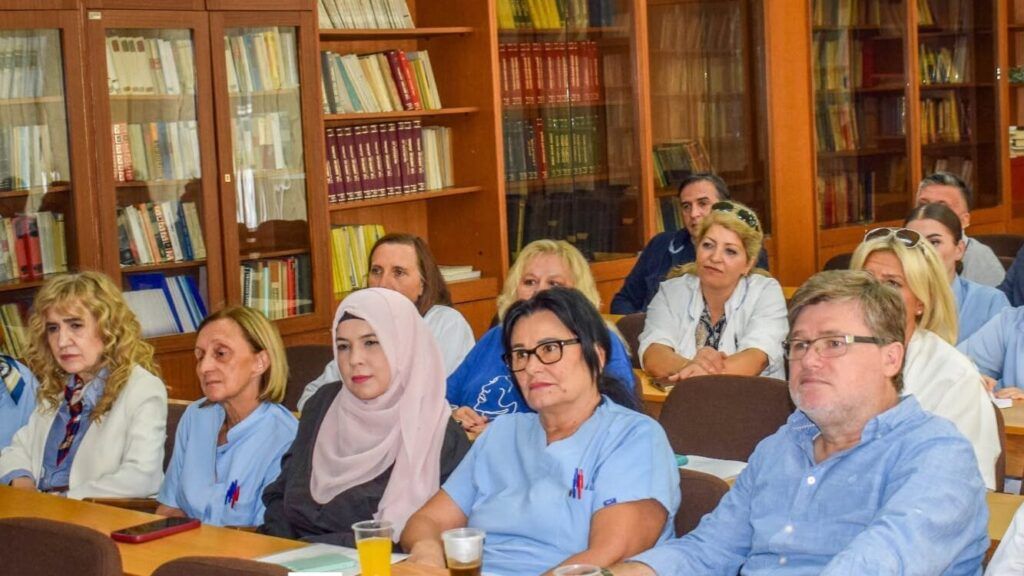
The Center for Youth Activism KRIK, in cooperation with Skopje Public Psychiatric Hospital implemented five practical workshops with the Day Care patients and training for practical implementation of the green social work principles, including horticultural therapy.
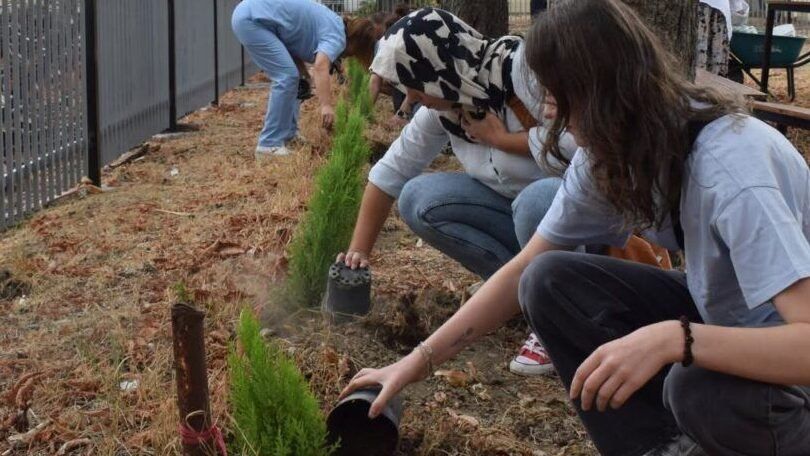
In Valandovo, during the foresting action at “St. George” church, users of guaranteed minimal social aid, students and representatives of Macedonian Forests jointly planted more than 100 seedlings of Arizona Cypress, while the last “Green Caravan” took place in “Frédéric Chopin” park in Kisela Voda.
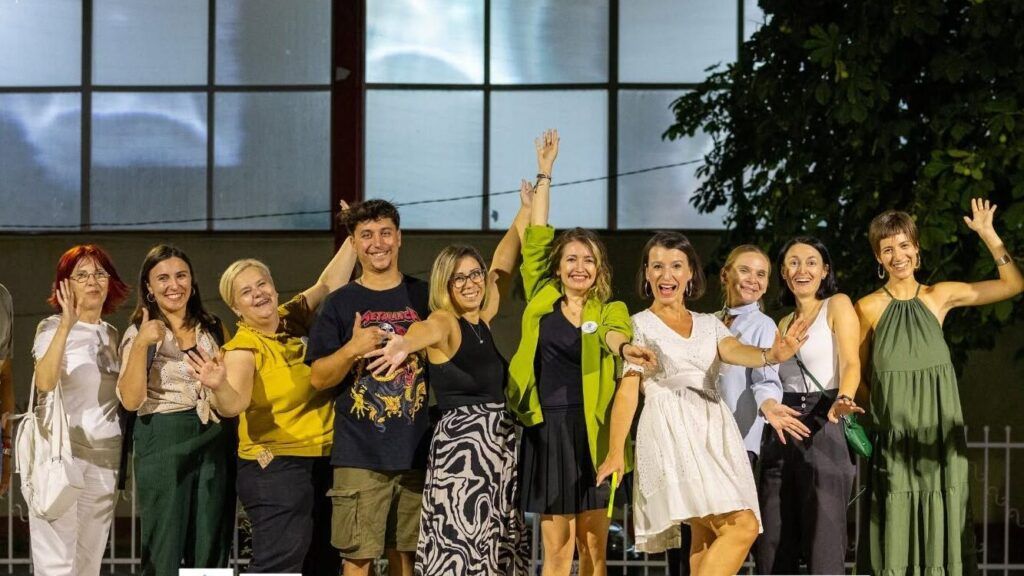
The project “Youth Policies Fit for the Young People” ended with 24 adopted regional measures, 13 of which have already been implemented, the Regional Youth Platform in nine municipalities in the Pelagonija Region and the first national assessment of the implementation of the Law on Youth Participation. The results were presented at the closing event in Bitola on 28th September, in front of more than 100 participants, among whom the Minister Gjoko Velkovski. Based on the assessment, Pro Local will submit proposals for changes to the Law. The Platform also encouraged a competition for innovative business ideas of young people aged 15 to 29, where three ideas were selected out of 18 applications.
The participation of the young people was also encouraged via debates. On 15th September in Lipkovo there was an interactive debate “The Voice of the Young People in Local Decision Making”, organized by “Adrion”. On 17th September, the high school students from “Saraj” high school participated in the public debate “How Decisions Are Made in Our Community” and via a simulation of a municipal council session they voted about a priority issue. In Makedonski Brod, Antiko organized a Thematic forum “Functional Mechanisms for Youth Participation”, whose proposals will be the basis for a policy document, “Young People Can” and “Suportko” Kochani held a series of advocacy meetings on the new protocol and manual for working with young people in crisis situations.
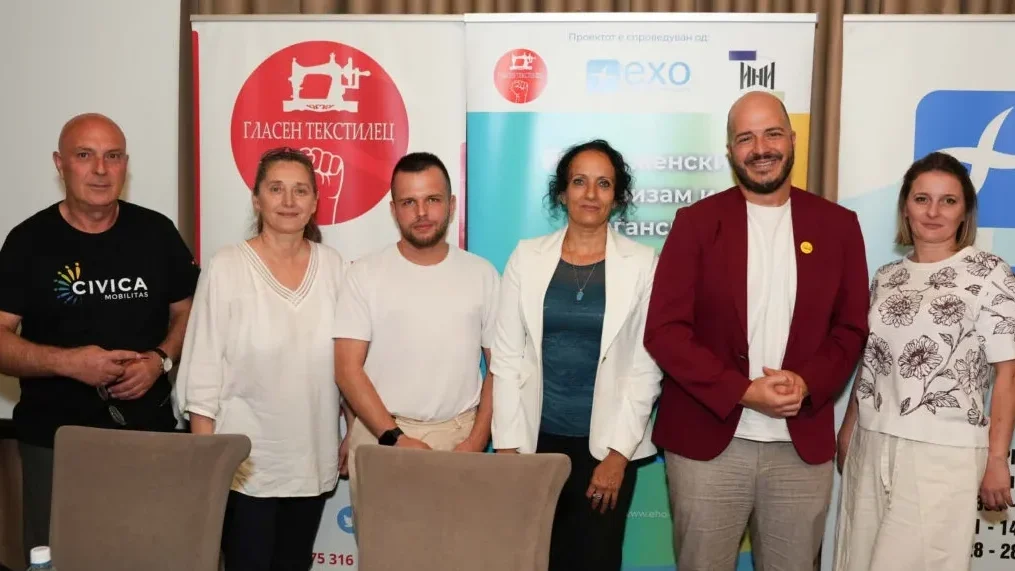
In Shtip, Vinica and Delchevo, the needs and priorities of 545 women and girls were documents, resulting in nine gender budgeting initiatives. The Municipality of Shtip supported the three initiatives of EHO, and one is being reviewed to be included in the 2027 budget. This was one of the main topics of the closing event in Vinica on 22nd September.
The accessibility of public transport was the topics of the forum that “Antiko” organized on 16th September in Veles. In Resen, on the other hand, women and local stakeholders discussed economic empowerment, women’s entrepreneurship, self-employment and gender responsive creation of local policies and budgets at a meeting of “Cohabitation Always”.
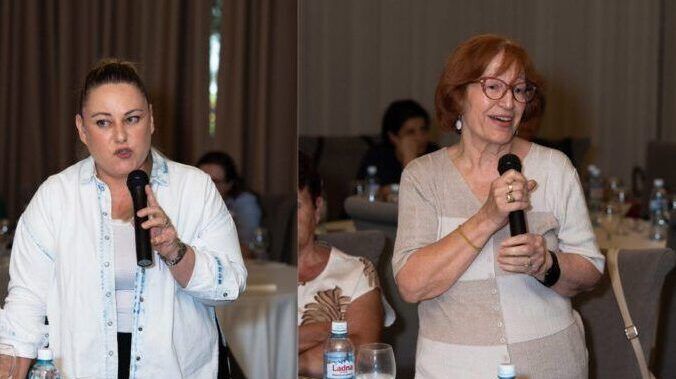
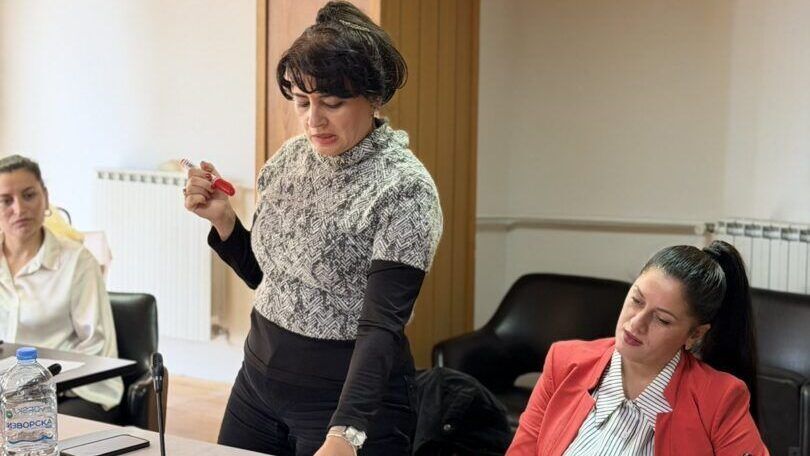
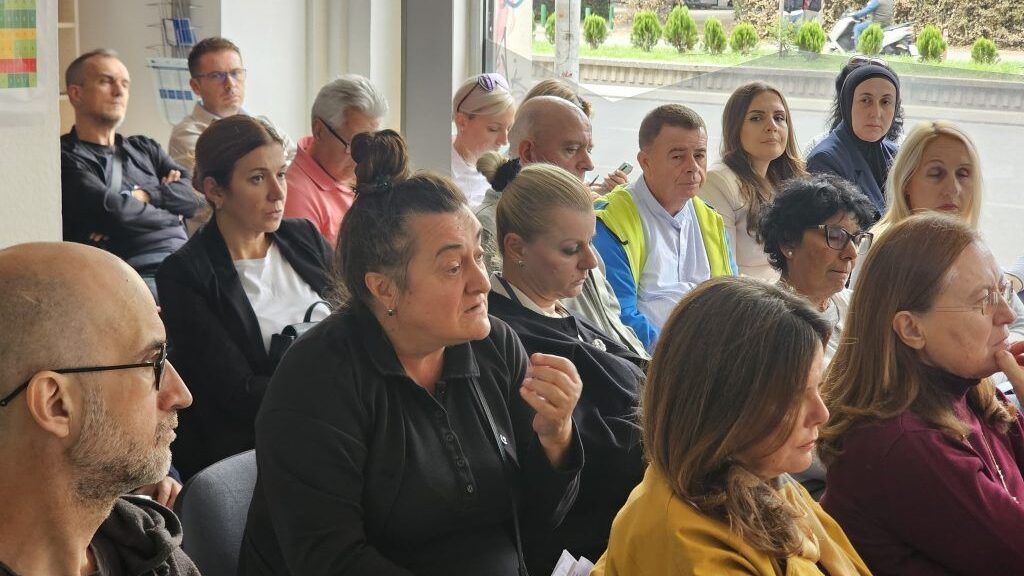
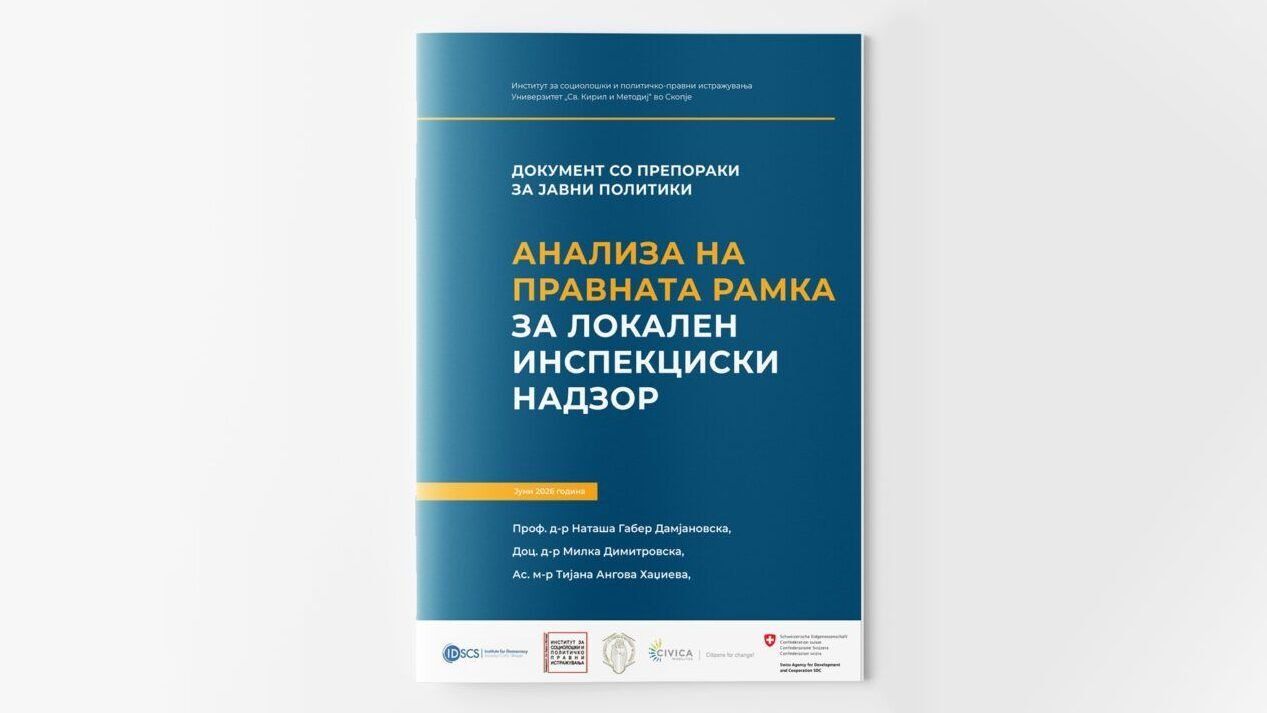
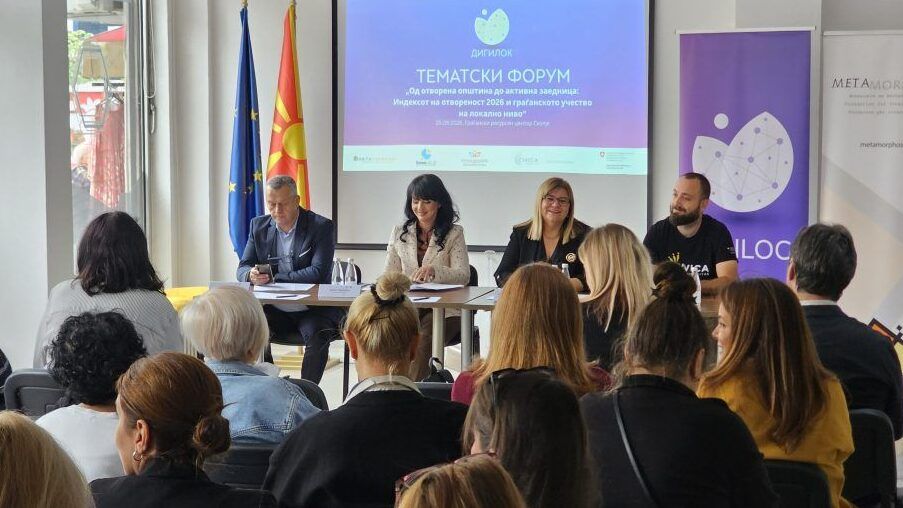
The analysis of the legal framework for local inspection oversight, prepared by ISPPI and IDSCS shows that the law gives the municipalities an opportunity to establish an inspection service, but it is not binding. The 2026 Openness Index showed that the average openness of the 81 municipalities is 39 percent, while Kriva Palanka is the most open with 73 percent again. The results were presented at the thematic forum “From Open Municipality to Active Community: 2026 Openness Index and Civic Participation at Local Level”, organized by Metamorphosis, Rural Coalition and Blink 42-21.
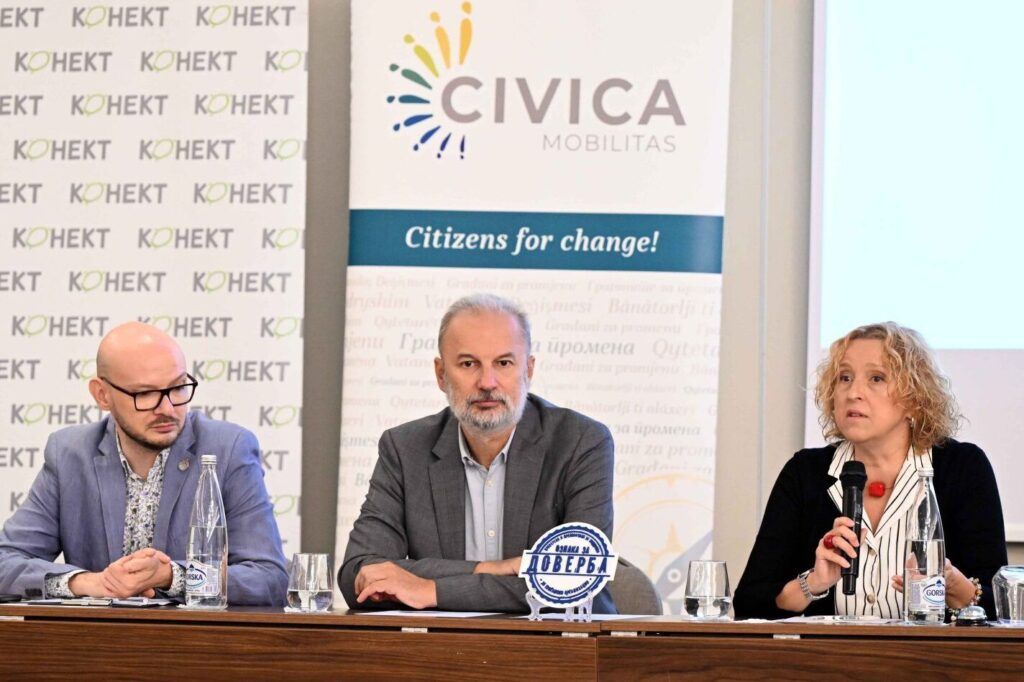
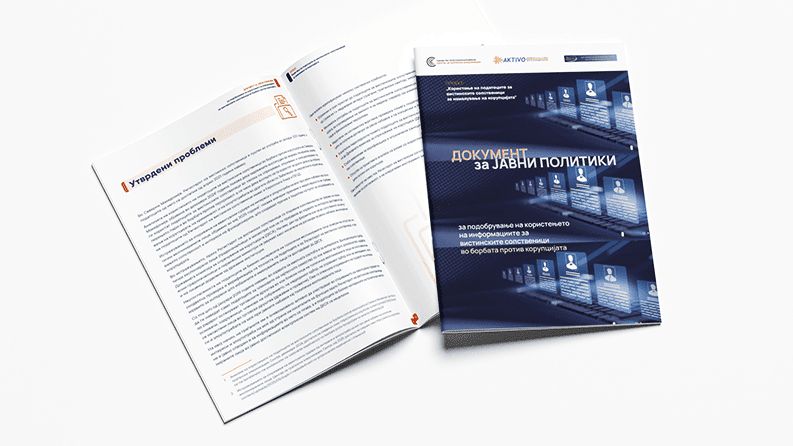
Another aspect of the fight against corruption is the access to information on real company owners. The Center for Civic Communications prepared a policy document for improving the use of this information, which proposes a cheaper or free access and publishing of the names of the company owners who are granted public procurements, Konekt and IMKA Bitola organized a public debate on the changes of the Law on Donations and Sponsorships in Public Activities, with 65 participants from institutions, CSOs and business sector.
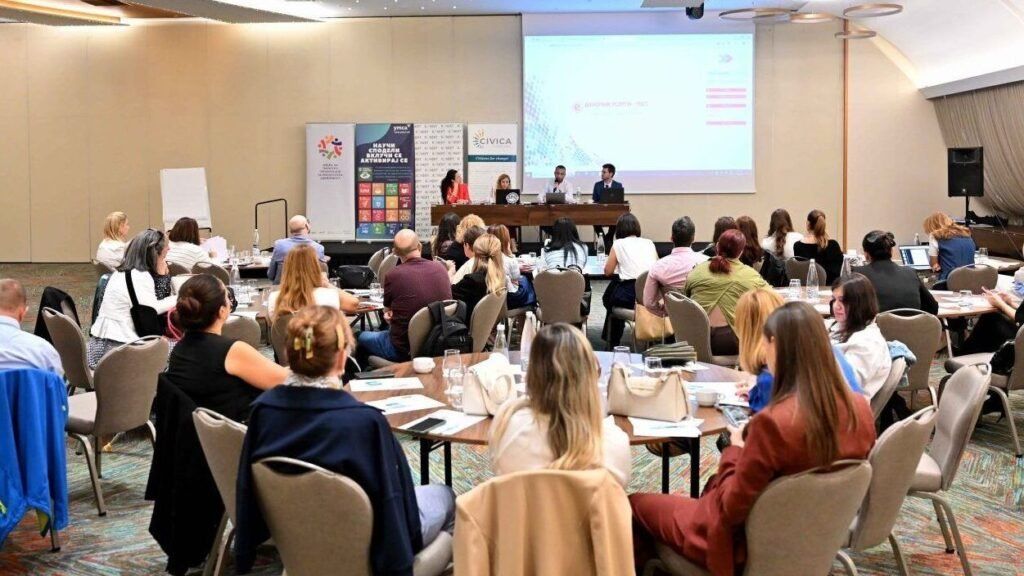
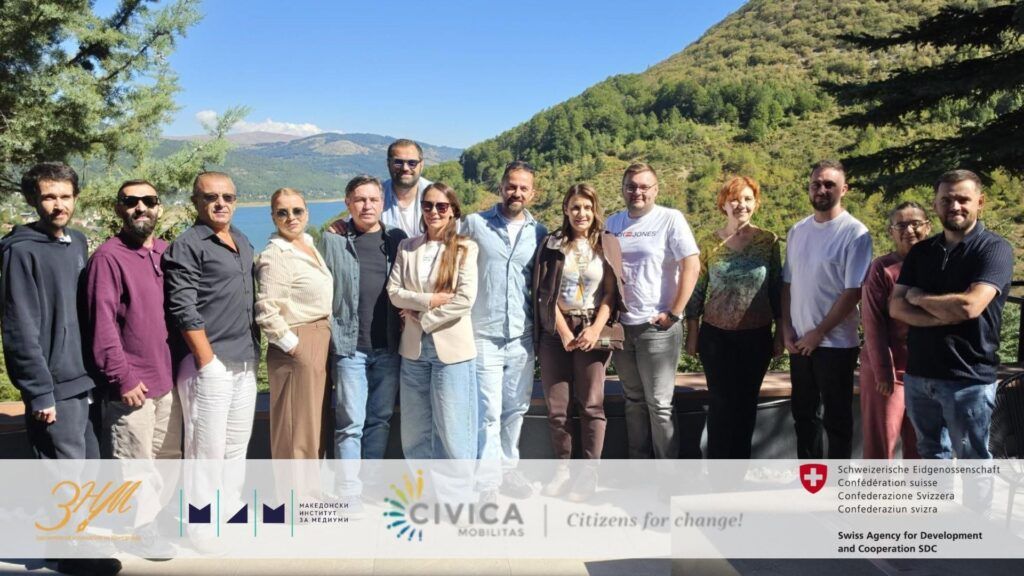
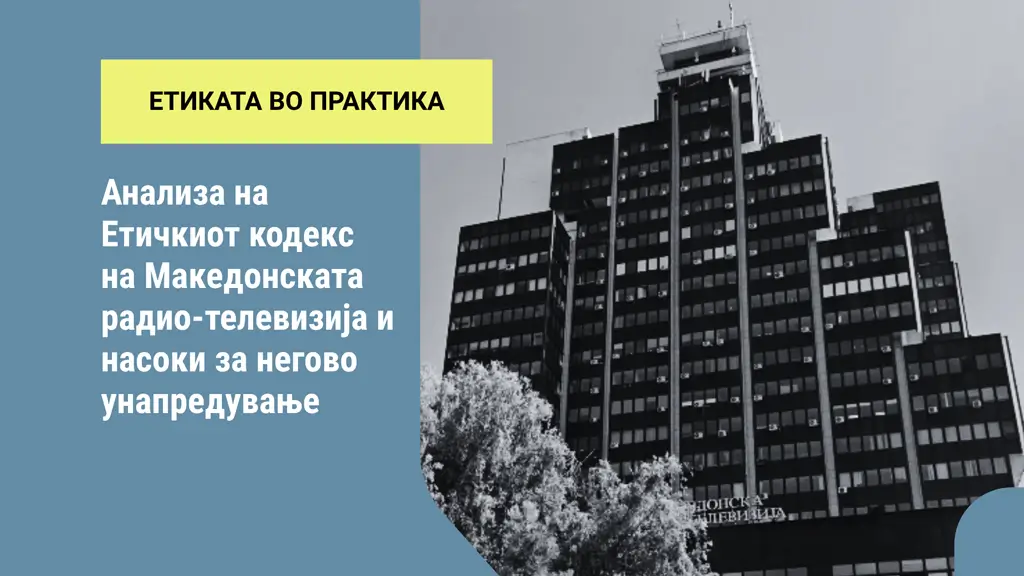
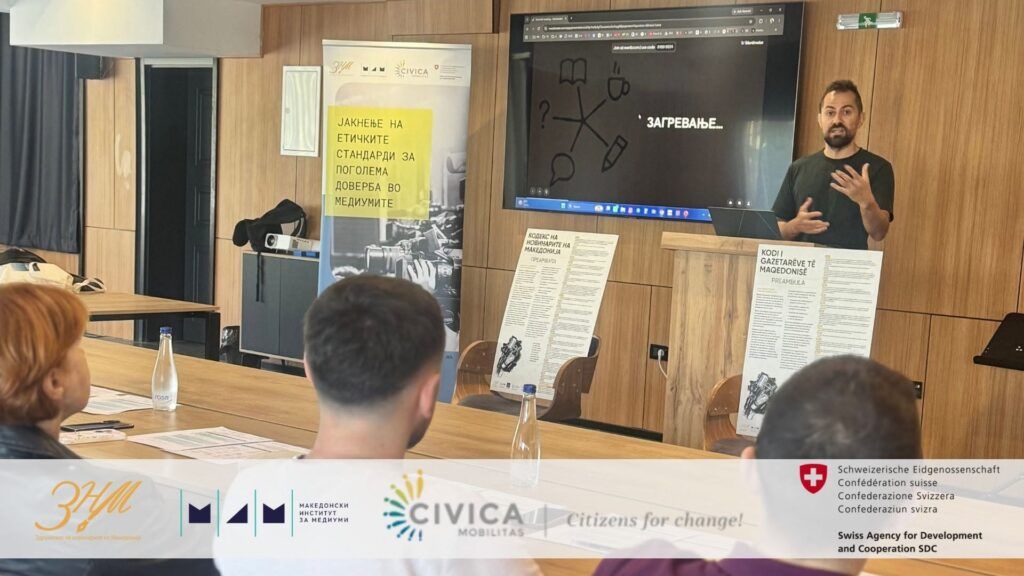
The Association of Journalists of Macedonia (AJM) held a training on the new Code of Journalists of Macedonia on 17th and 18th September in Mavrovo on topics such as AI and disinformation. The Macedonian Institute of Media (MIM) published promotional videos on the ethical standards of journalism and presented the analysis of the existing Code of Ethics of the public broadcaster at MRT.
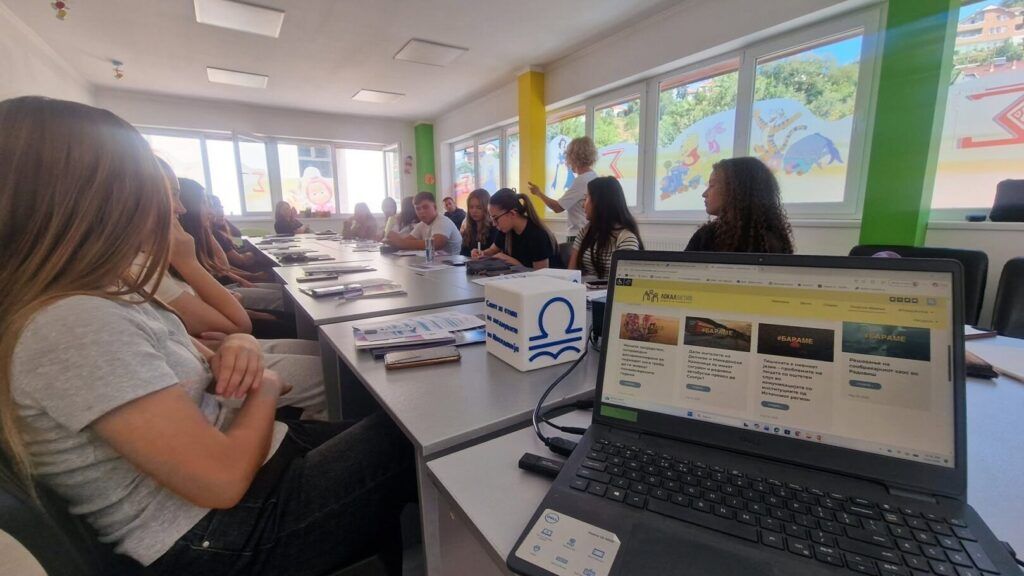
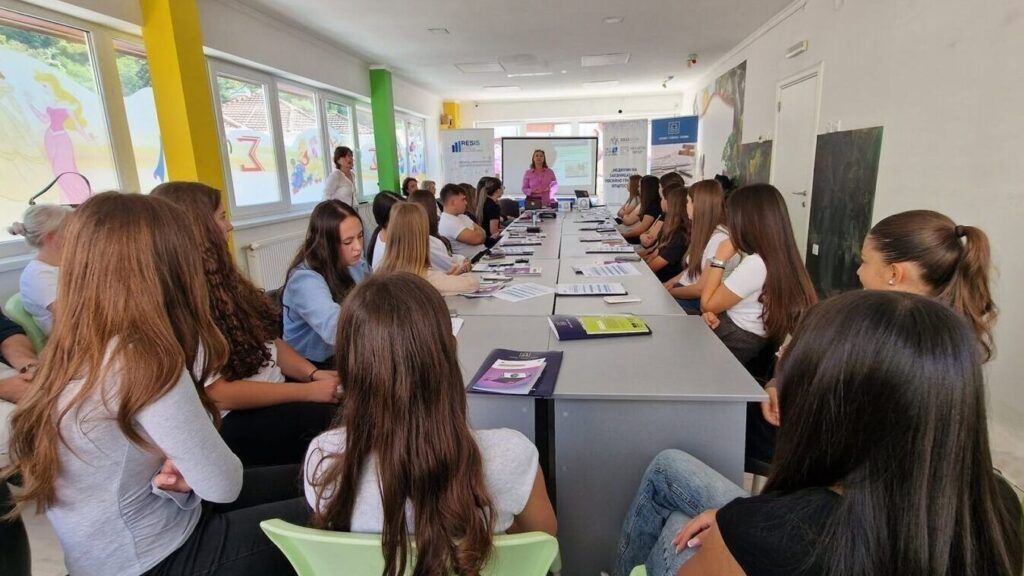
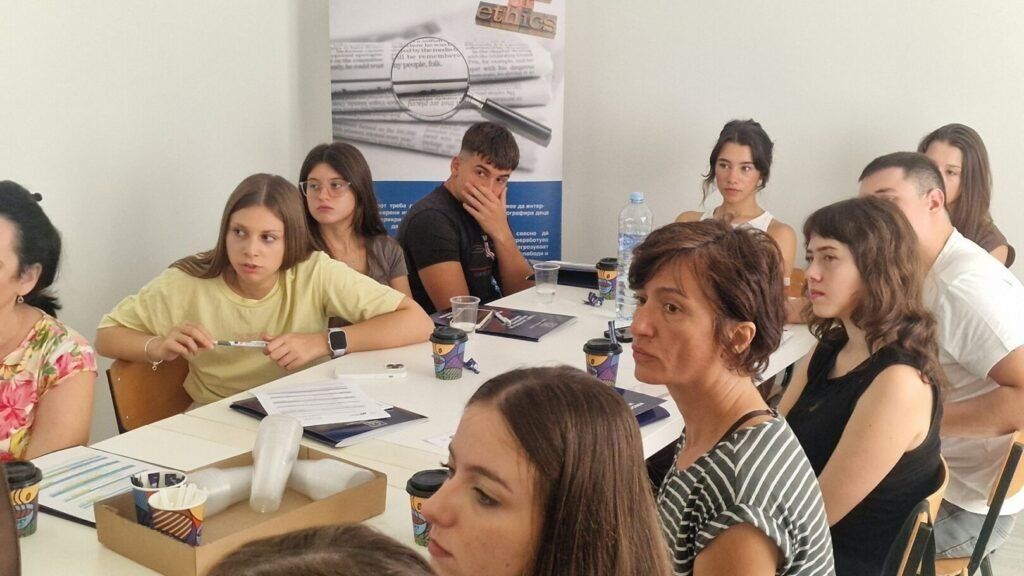
In Kriva Palanka some twenty students participated in the workshop on community media. There was a similar workshop in Gevgelija, where more than 20 high school and university students learned how to turn local problems into journalistic stories of public interest. The workshops were organized by SEMM and RESIS. In September BIRC published a series of columns on the reforms in the higher education, university autonomy and labour market.
The September activities showed that changes are built with cooperation, know-how and active participation. Follow is in the next issue of “Civic Impulse” for a new overview of the developments in the civil society.