институт за европска политика скопје

The European Commission published its third annual Rule of Law Report

The European Commission published its third annual Rule of Law Report. This year, emphasis was placed on the importance of respecting democratic values, human rights and the rule of law, in the context of the developments during the ongoing Russian invasion of Ukraine.

Same as the previous years, four critical areas for the rule of law are monitored: justice systems, the anti-corruption framework, media pluralism and freedom, and other institutional issues linked to checks and balances, while this year’s report for the first time contains specific recommendations addressed to each Member State, intended to encourage countries to continue with planned reforms and identify the problems that must be addressed.

Reforms in the justice systems related to strengthening judicial independence, efficiency and quality of justice, further digitalising justice systems and facilitating access to justice, have been implemented by the many Member States, however, there are still some concerns persisting in a few states regarding judicial independence and the autonomy of prosecution services.

The European Union remains one of the least corrupt regions in the world, albeit corruption remains a serious concern for EU citizens since 68% of them believe that corruption is widespread in their country.

A novelty in this year’s report is that it looks into public service media and their meaningful role in society and democracy, which raises the need to protect their independence, ensure adequate public funding and relieve them from political pressure.

Another novelty is that for the first time, the report also looks at Member States’ implementation of judgements by the European Court of Human Rights.

For the rest of the findings from the Report, see the following link:

https://ec.europa.eu/info/sites/default/files/1_1_194062_communication_rol_en.pdf

These and many more issues will be addressed within the Czech Presidency of the EU Council that began on July 1, and which will be focused on the following five priority areas:

  • Managing the refugee crisis and post-war reconstruction of Ukraine
  • Energy security
  • Strengthening European defence capabilities and cybersecurity
  • Strategic resilience of the European economy
  • The resilience of democratic institutions
Продолжи со читање

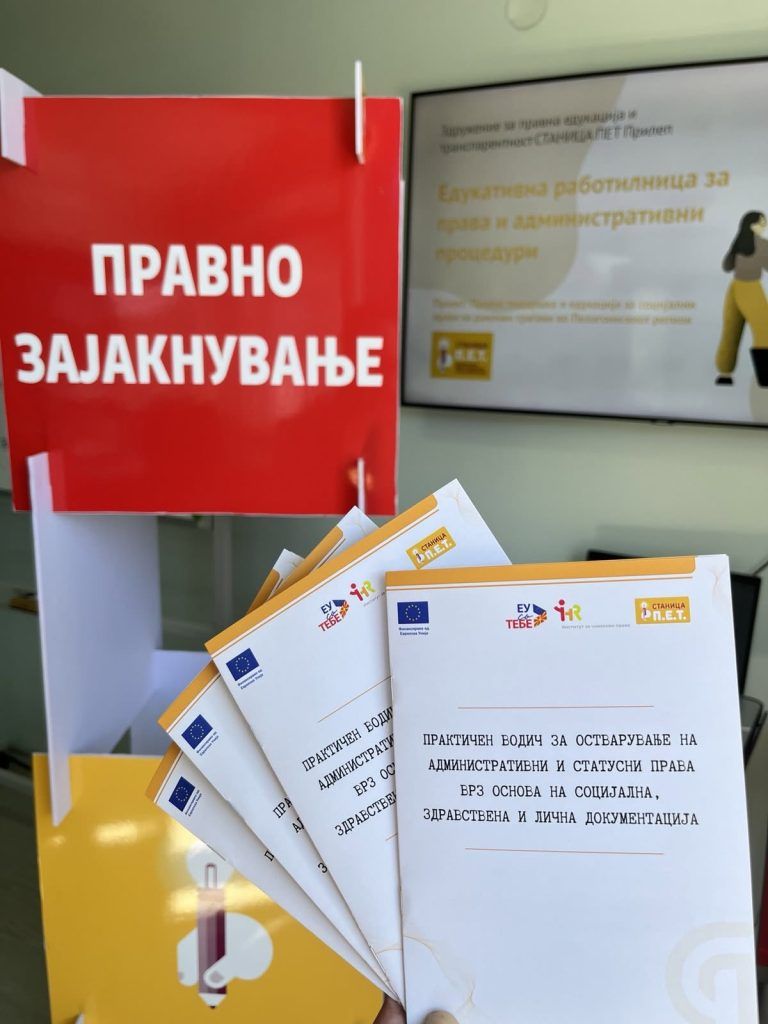
  • Educational workshops: Knowing Your Rights Is the First Step Towards Exercising Them

    Knowing Your Rights Is the First Step Towards Exercising Them. On 23 and 24 September 2026, LET Station organized two educational workshops focused on citizens’ rights and practical administrative procedures for exercising those rights. The workshops aimed to provide participants with practical knowledge and greater confidence when dealing with institutions. Through concrete examples and practical…

  • Insights from Sweden for Strengthening Democratic Resilience and Information Integrity

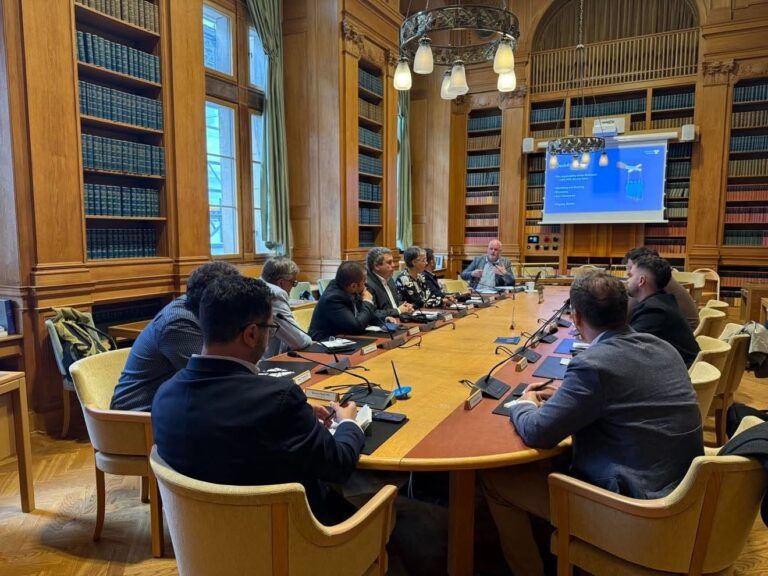
    A delegation of journalists, editors, fact-checkers, media experts, and representatives of institutions from North Macedonia took part in a study visit to Stockholm, organized by the Delegation of the European Union and the Macedonian Institute for Media (MIM), within the framework of the project “Building Synergies Against Disinformation, Including on EU Policies and Activities.” During […]

  • Advanced Training on the Implementation of Environmental Justice

    On 21 September 2026, an advanced training on the implementation of environmental justice was held at the Academy for Judges and Public Prosecutors, bringing together judges, public prosecutors and judicial associates. The training covered several aspects of the practical application of European standards in the field of environmental justice. Judge Mirjana Lazarova Trajkovska presented the […]

  • Dissemination of the project “Civil Education for Democratic Resilience

    During the project “Civil Education for Democratic Resilience”, we had the opportunity to learn more about democracy, civil education and the role of young people in society. One of the main topics was the European Union and the opportunities it offers to young people, especially in the fields of education, mobility, volunteering and youth participation. […]

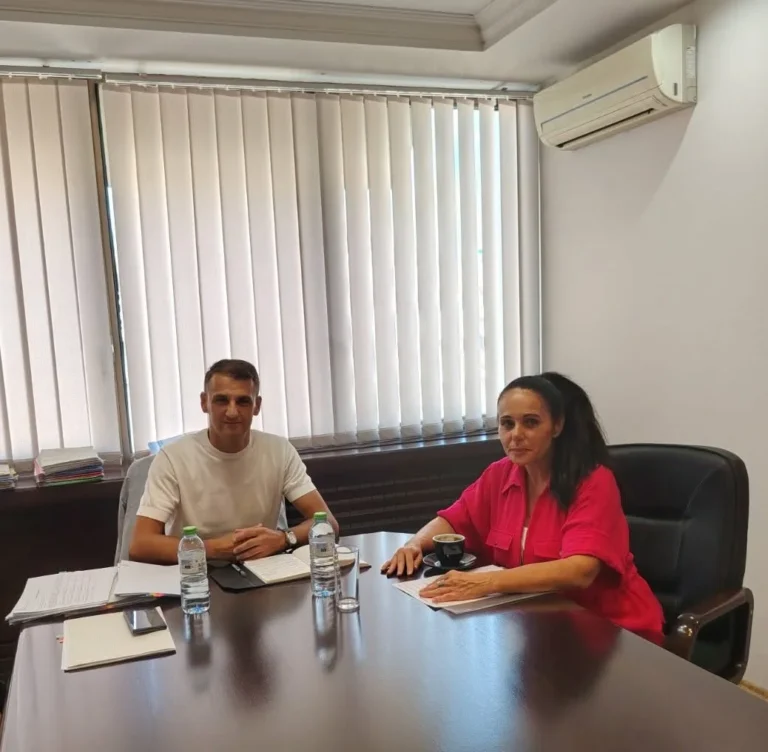
  • Working Meeting with the Minister of Social Policy, Demography and Youth, Mr. Gjoko Velkovski

    The President of the Association of Persons with Cerebral Palsy and Other Disabilities – Veles held a working meeting with Mr. Gjoko Velkovski, Minister of Social Policy, Demography and Youth. The meeting focused on the work of the Association and the current challenges in the provision of social services, with particular emphasis on their availability, […]
    The post Working Meeting with the Minister of Social Policy, Demography and Youth, Mr. Gjoko Velkovski appeared first on Здружение на лица со церебрална парализа и други попречености – Велес.