
From an Idea to a Network of 134 Organizations: When Solidarity Becomes a Force for Changes
Eight years ago, Konekt association recognized something that maybe a few of us wanted to say out loud, that financial sustainability is not a challenge for one organization, but a common issue of the whole civil sector. This idea grew into an initiative to unite twenty CSOs around joint advocacy for changes to the Law on Donations and Sponsorships in Public Area. What started as a small group for resolving a specific problem is now a Network for Financial Sustainability of CSOs uniting 134 members from the whole country.
Throughout the years, the Network showed that when the organizations act in solidarity, their voice is louder, their arguments are stronger and their solutions more feasible. It now consists of organizations with various sizes, missions and areas of work. New, smaller local community organizations also join, using the Network to have the chance to have their challenges heard and taken into consideration in the policy creation processes.
The figures stand for thousands of activities and hundreds of thousands of citizens who are given support every year, via the work of these organizations. Therefore, the issue of financial sustainability of the sector is not an issue of the organizations only, but also of the quality of life in the communities.
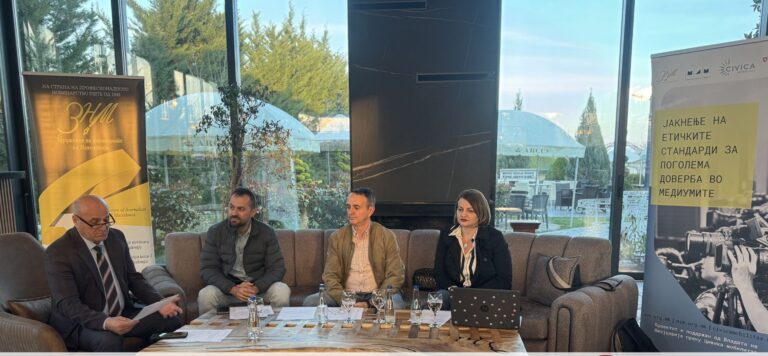
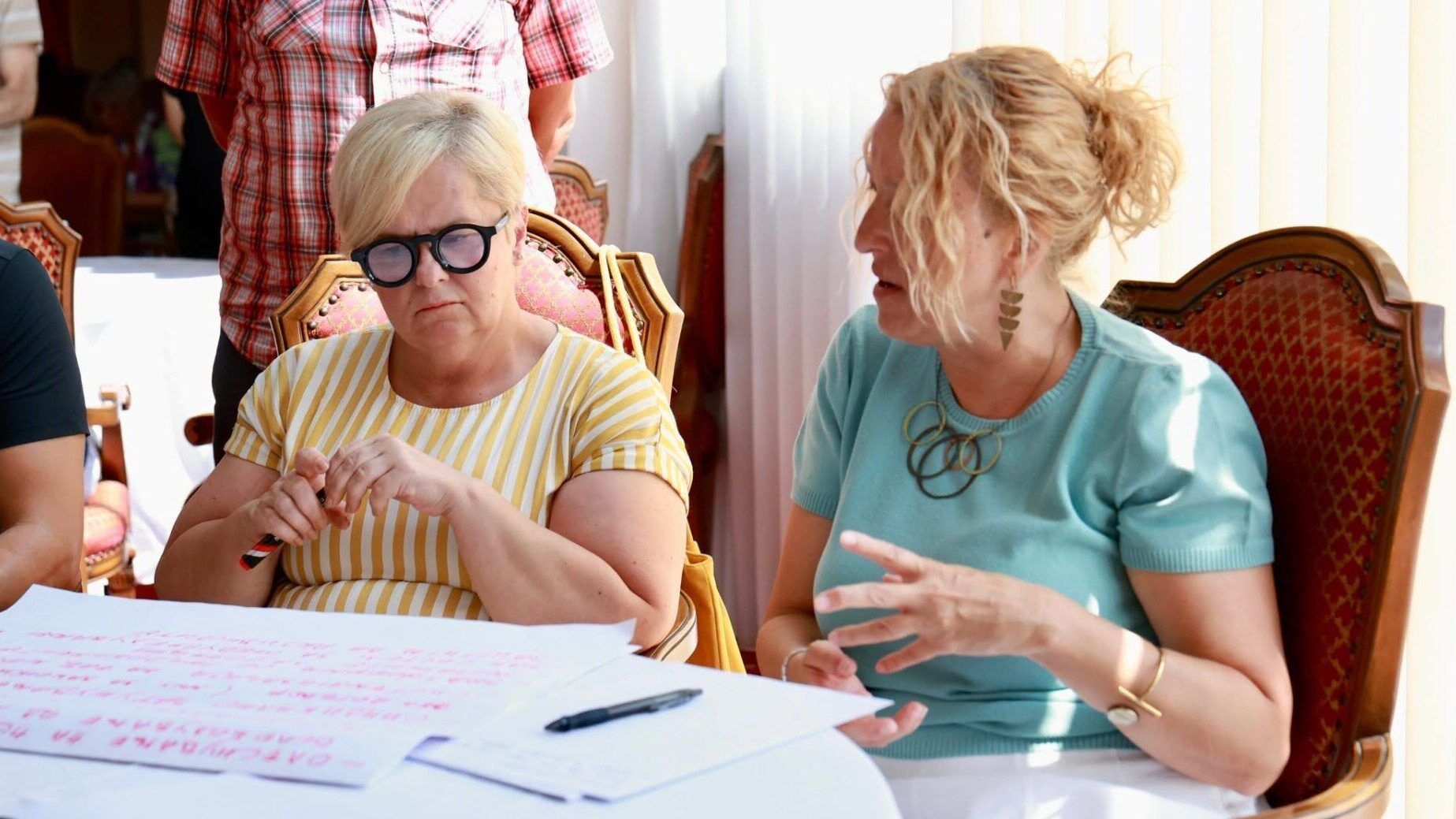
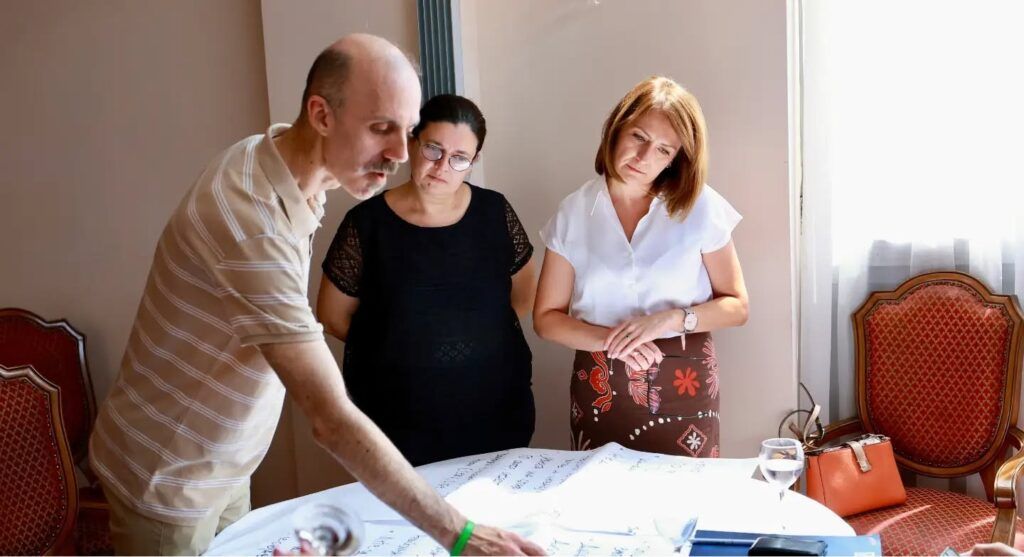
This issue was in the focus of the event of the Network for Financial Sustainability of CSOs which took place on 20th August at the “Millenium” Hotel in Bitola.
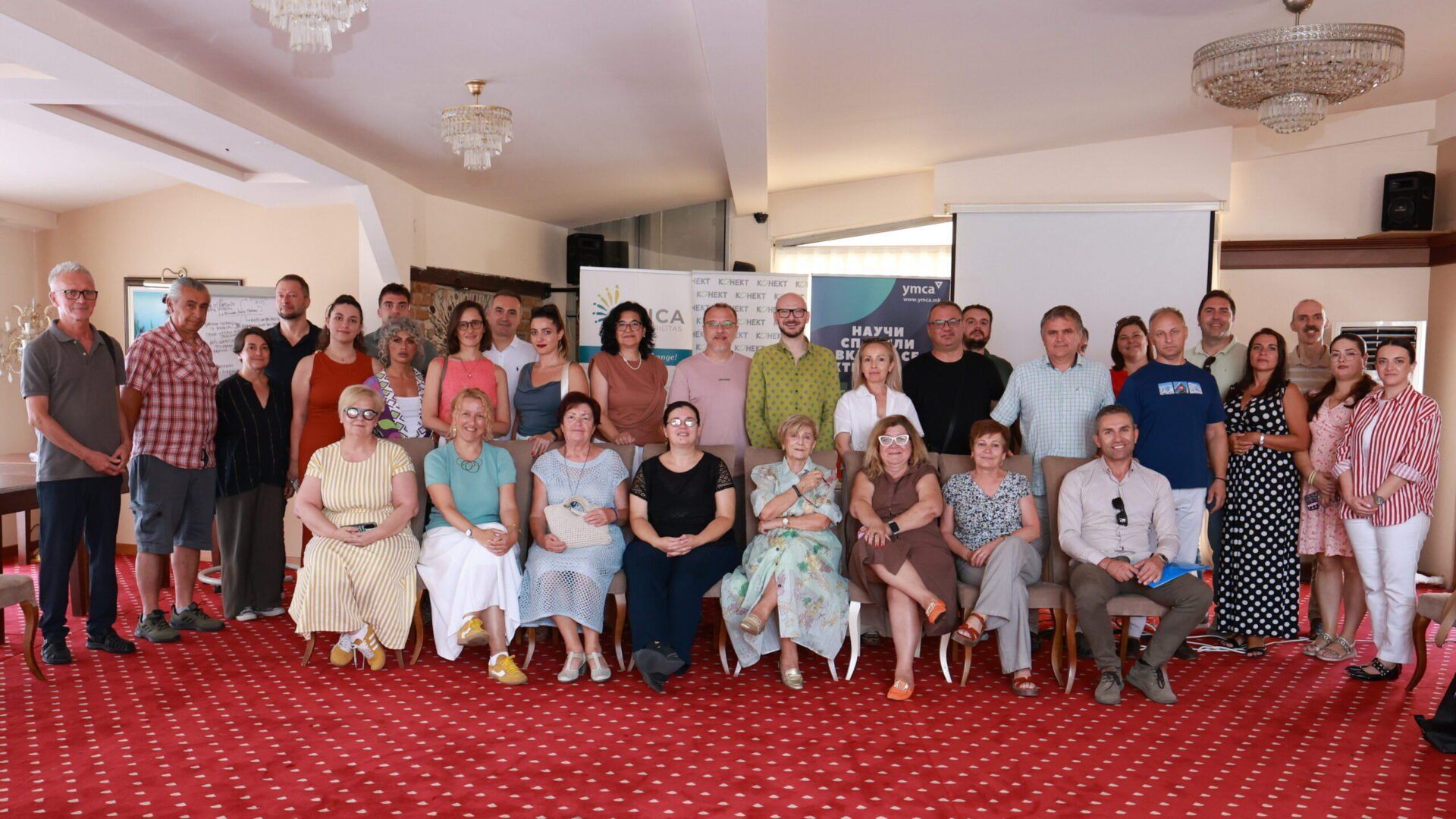
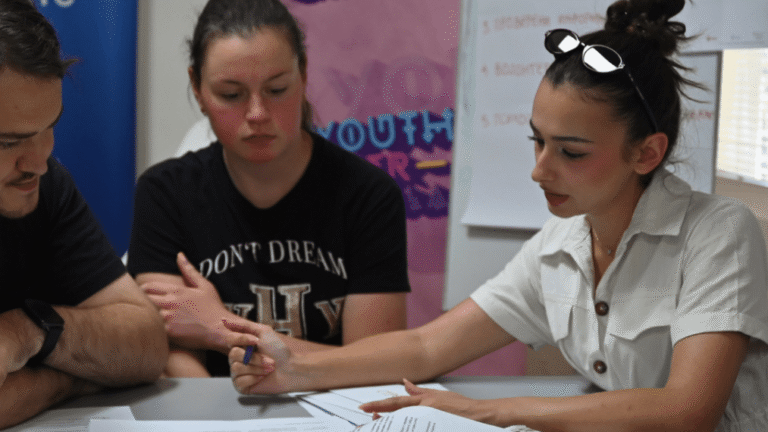
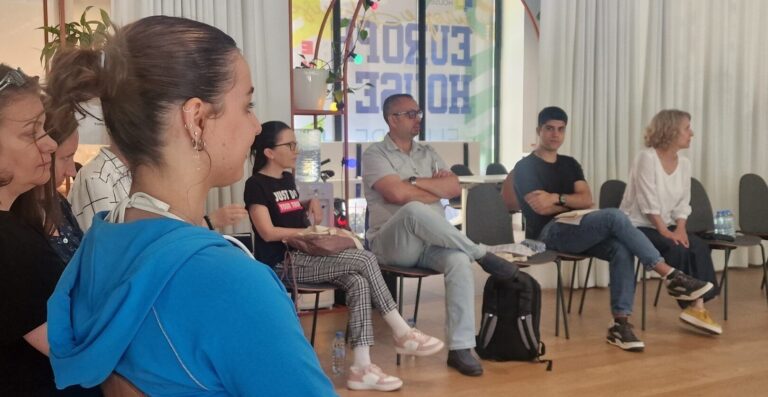
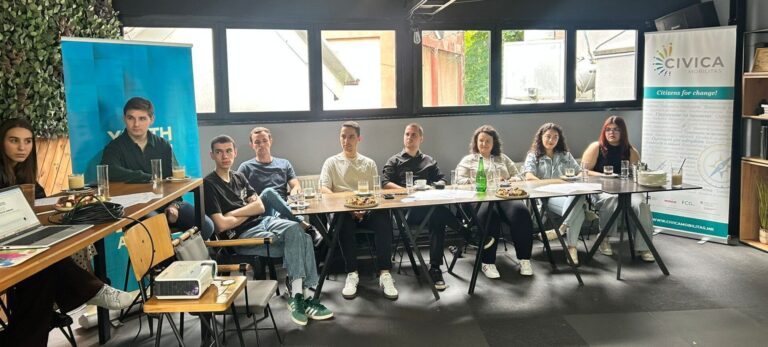
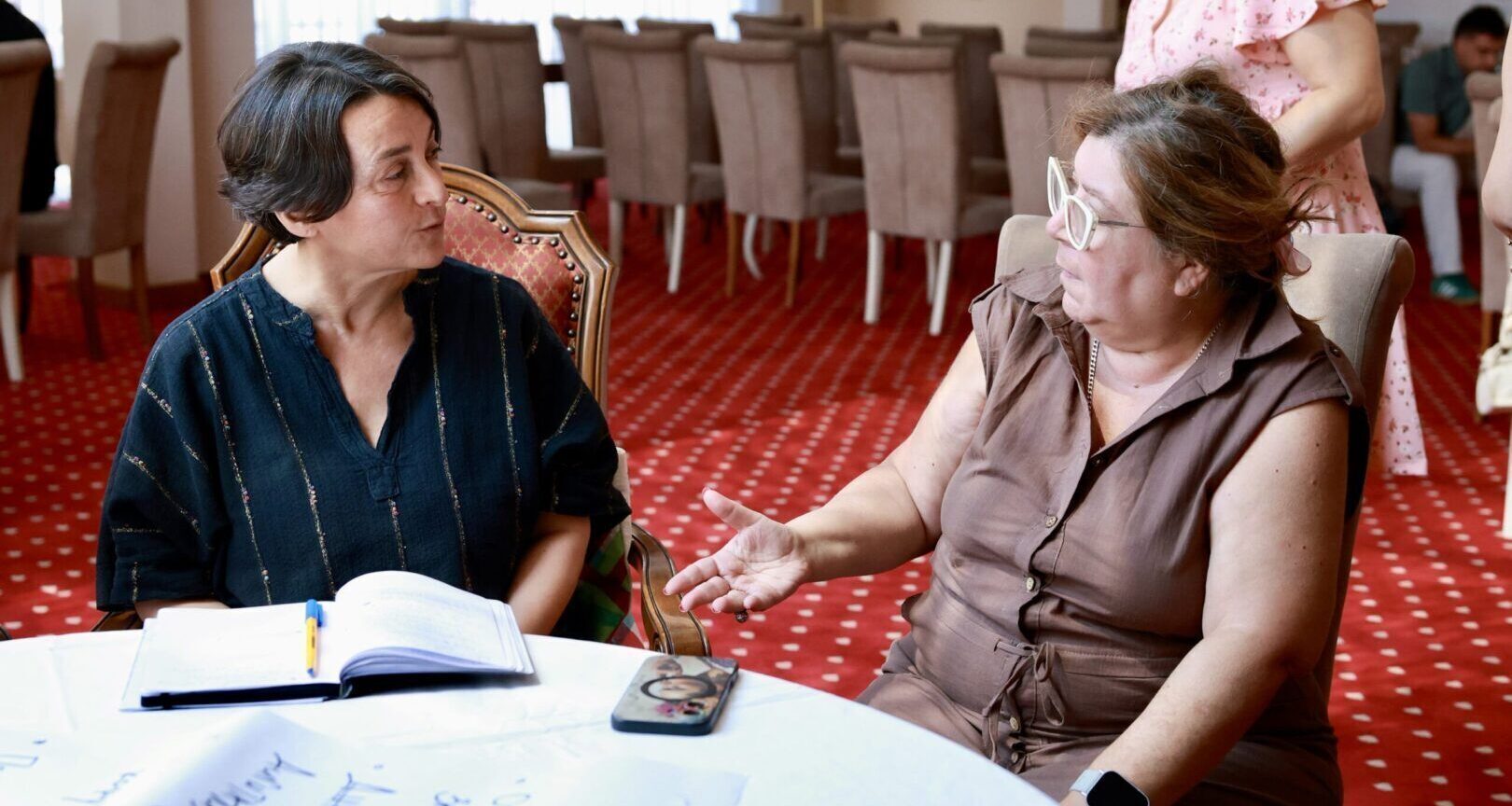
Around 40 representatives, members of the Network, representatives of institutions and companies, among whom there were also key people from the Public Revenue Office, both from the Skopje and Bitola offices, spoke about the challenges that shape the current moment for the civil sector.
At Konekt, they pointed out that after the event had been announced on the social networks, they received several new membership applications. One of the topics that were most discussed was especially pressing. The need to advocate with the foreign donors for lower criteria in “crisis” conditions. It was especially stressed that the withdrawal of part of the international donors and the changes in their strategies open the need for an urgent creation of new and more sustainable sources of funding. Therefore, the reason why this issue is pressing now is simple. Many of the organizations face a lack of finances which makes the risk for their survival a real one.
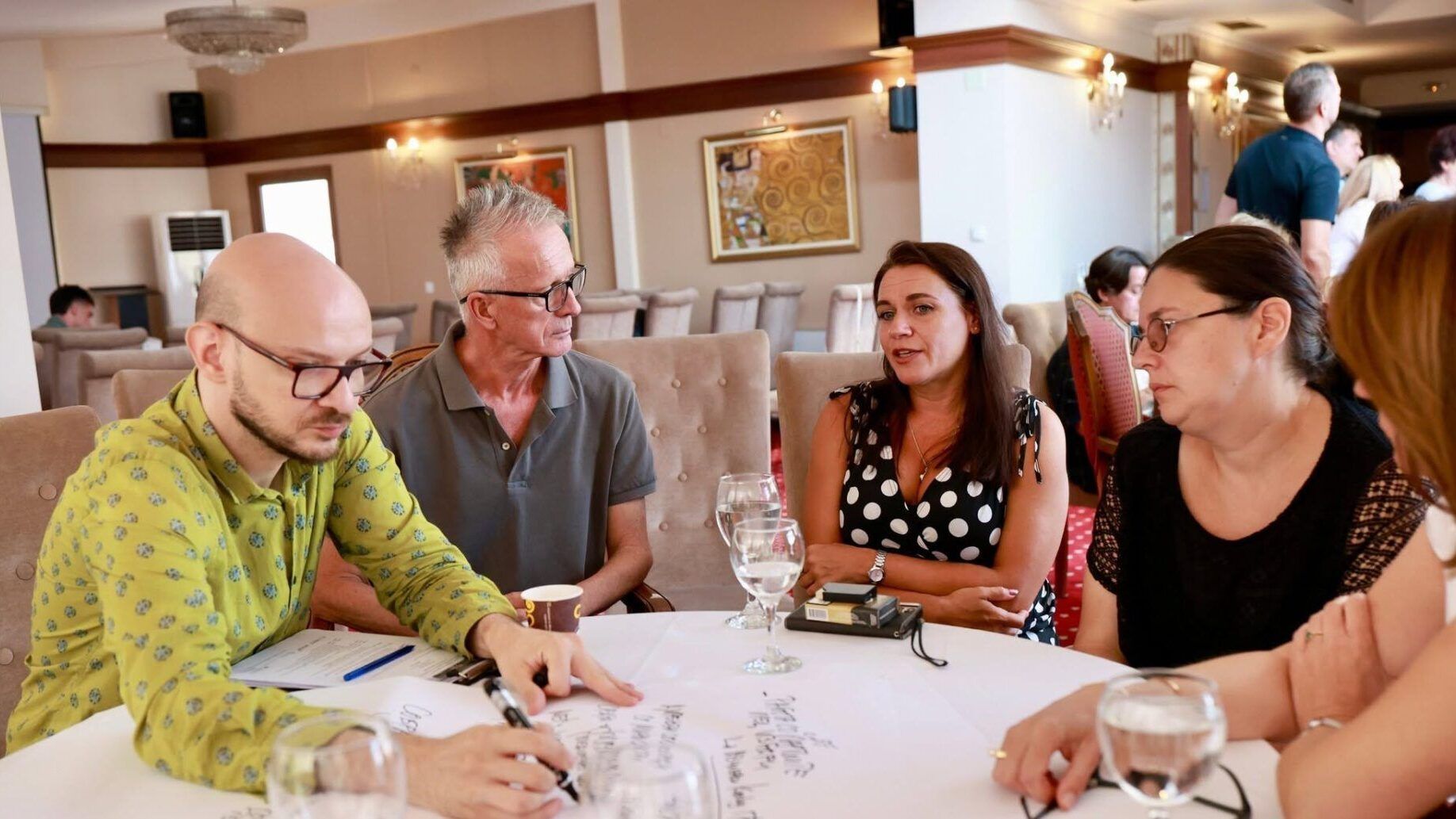
In these circumstances, many organizations think that the reforms that have been announced for years can no longer be postponed. The change of the Law on Donations and Sponsorships is among the most important priorities because it opens possibilities for bigger involvement of citizens and companies in supporting the public interest. Nowadays, there are tax alleviations, but they are most often obtained only by the most persistent, via complex administrative procedures that are a burden to all parties in the process. “Such meetings are important because they enable us to discuss together about the challenges that the civil sector faces, to share experiences, recognize the common problems and find possible solutions. The network creates space for continuous dialogue, cooperation and advocacy, and such initiatives contribute to a stronger and most sustainable civil sector. By networking we establish new contacts, exchange know-how and strengthen the connections with other organizations. When we act together, our experiences and views weigh more”, said Marija Markovska from “Sphere International”.
However, when we asked what the most valuable thing for them was, as organizers, the response was not the figure. It was the solidarity of the sector and the understanding that networking has impact not only in the official part of the event, but also in the breaks, and even in the discussions on the bus. It is there, they say, that information is exchanged, cooperation is agreed, new ideas for new impactful projects arise and collegial support is built.
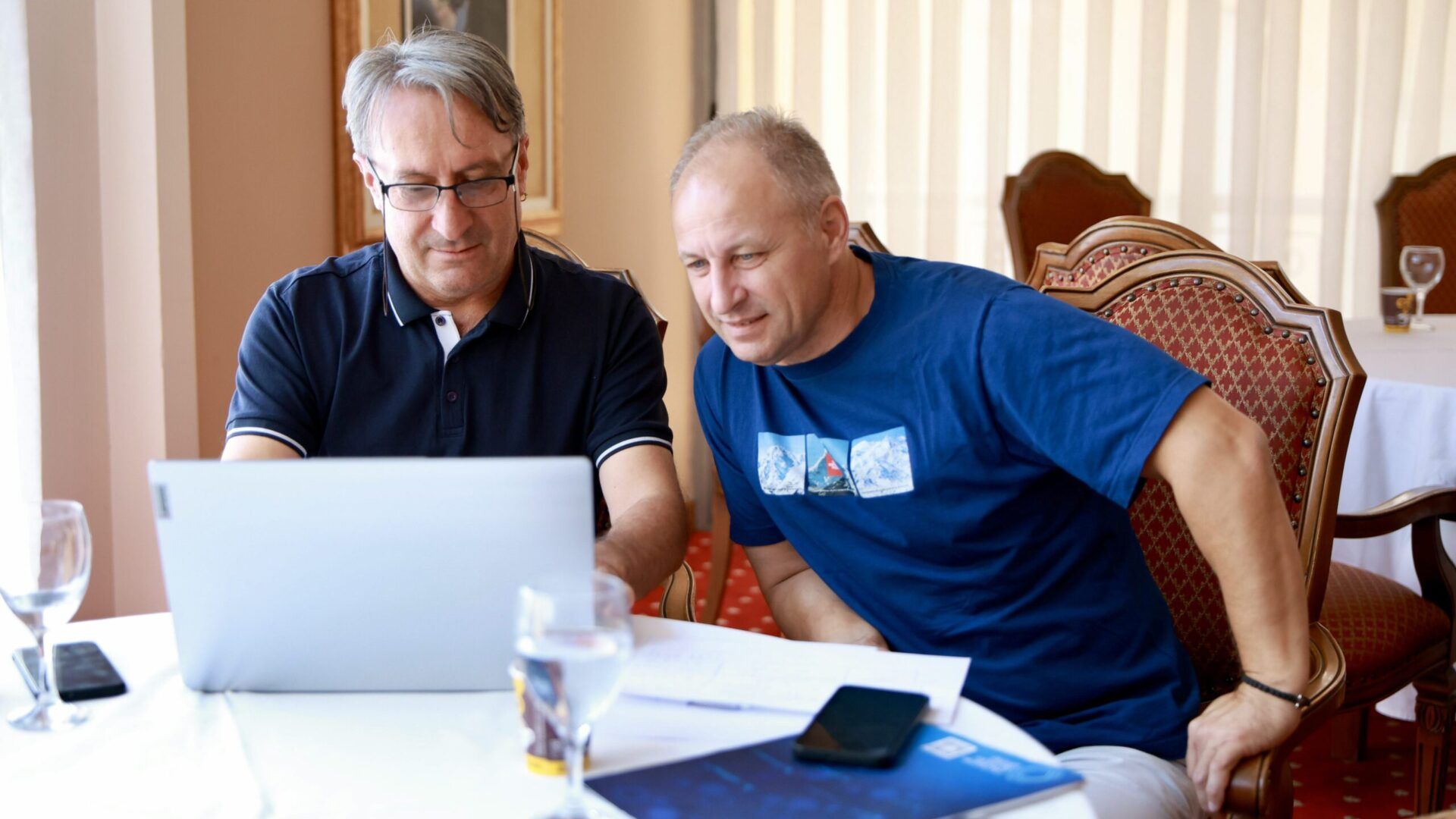
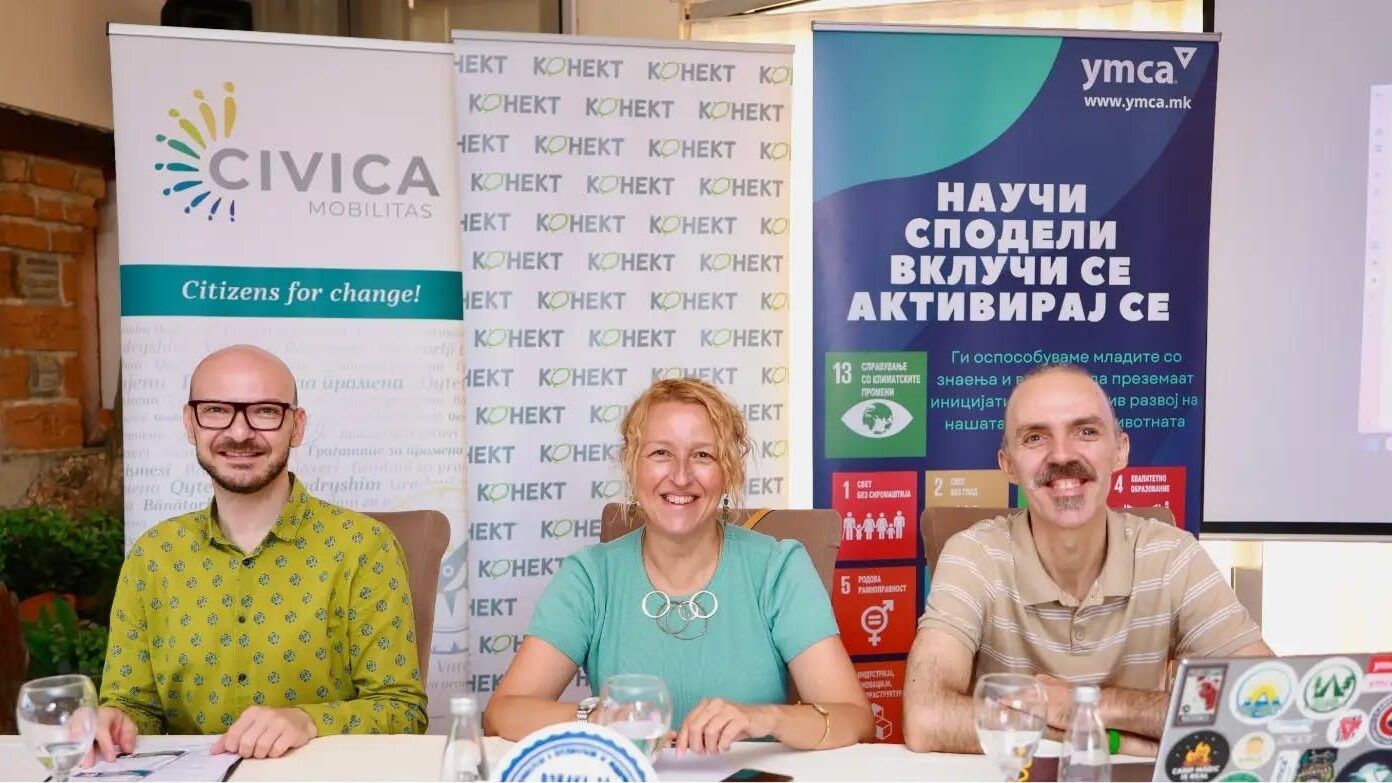
On the other hand, the members of the Network did not only speak about donations. They also spoke about social entrepreneurship, state funding for CSOs, volunteering, work relations in the sector and the need to decrease the administrative barriers in the financial work. For many of these issues, the organizations have been waiting for years for legal solutions that would provide more secure and more sustainable work, which is the focus of the project “Changes for Sustainability” of Konekt and IMKA Youth Association from Bitola, supported by the Swiss Government via Civica Mobilitas.
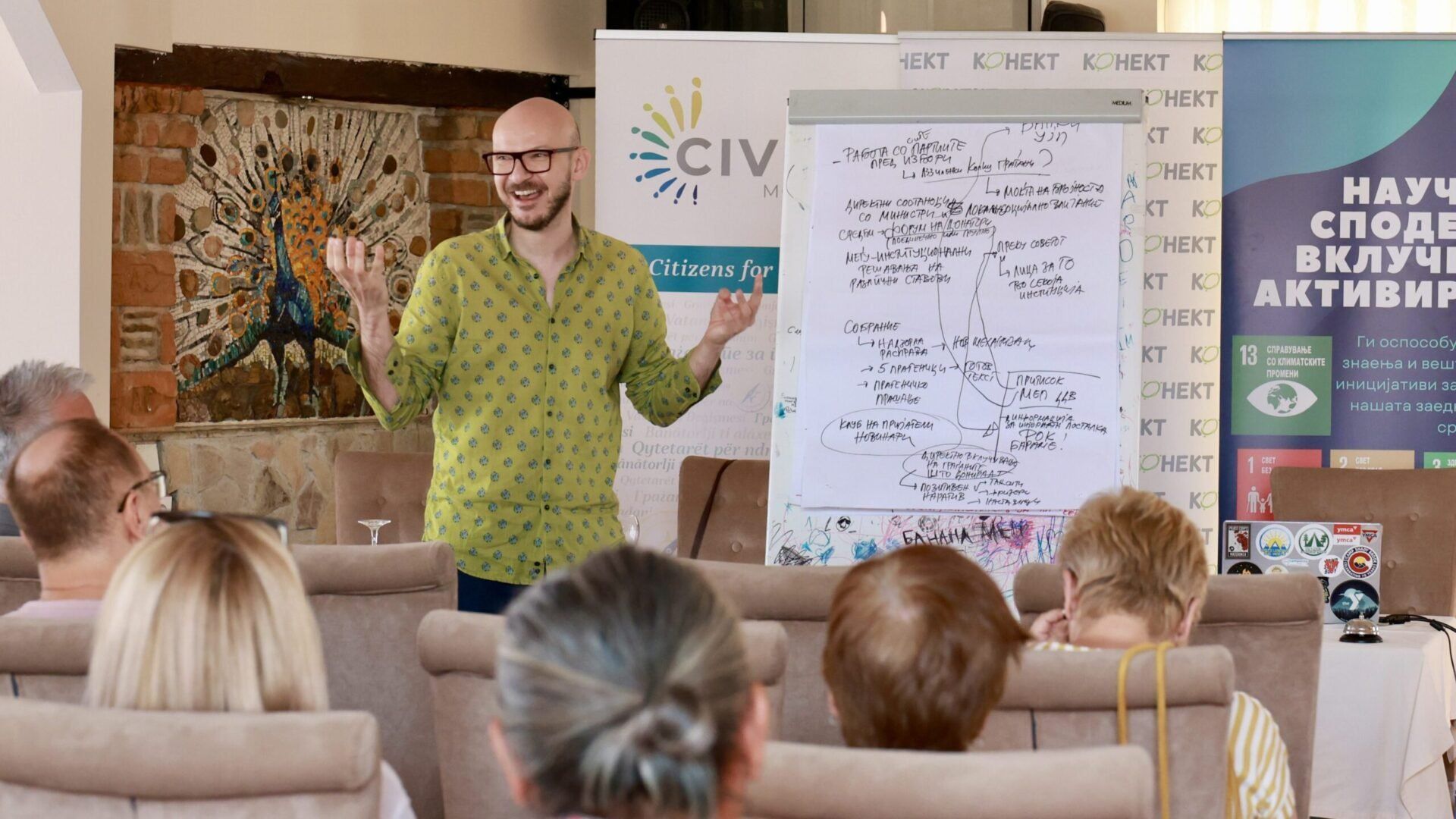
The project works on two main fronts, on one hand towards changes of the Law on Donations and Sponsorships in Public areas, to make it easier for the citizens and companies to use tax alleviations when donating to CSOs, and on the other hand towards decreasing the barriers imposed by the regulations in prevention of money laundering and terrorism prevention (FATF Recommendation 8), when it comes to CSOs’ access to banking services. “CSOs work because of us and for us. They are movers of positive changes in the communities, but one needs systemic solutions for them to fulfil their role in a long term. We need to create mechanisms with which the state will support the work of the CSOs, the companies will contribute with their donations, and the citizens will recognize that they can make big changes even with small individual donations. It is important to also create a favourable legal regulation that would decrease the legal and administrative barriers that CSOs face in their work”, says Nikica Kusinikova, the Executive Director of Konekt, and President of the Council for Cooperation between the Government and the Civil Society.
The process of changes to the Law has given results twice before. In 2017 and 2018, in the part on personal income tax and profit tax. Now, as people from Konekt say, they expect the new Minister of Justice to continue the work of the working group on the law, which has already made a draft text in the previous mandate.
With these efforts, one sees one of the biggest values of the Network. It is a place where experts from various organizations join their knowledge and practical experience to prepare specific and applicable proposals for improvement of laws and policies. Instead of individual reactions, the Network creates joint solutions that come directly from the practice of the organizations that work with the citizens on daily basis.
“Everybody will benefit from the changes to Law on Donations and Sponsorships when it will be easier to come to tax alleviations, more citizens and companies will decide to help, the organizations will have a bigger motivation to raise funds for public interest, and the institutions will be free of the unnecessary administrative procedures. With the digitalization, the process will become faster, more transparent and more secure. This is the change that the civil sector and donors have been expecting for more than 15 years”, says Viktor Iliev, the Executive Director of IMKA Youth Association from Bitola.
The development of the Network shows that financial sustainability cannot be built in isolation. It needs partnerships, shared know-how and joint advocacy. With the support of Civica Mobilitas, as the project implementing partners say, and via the partnership between Konekt and IMKA Youth Association Bitola, the Network has continued to grow and unite the organizations around a joint vision: more possibilities for financing, less administrative obstacles and stronger CSOs that will be able to contribute to the development of the communities in the whole country in a long run.