
“We Don’t Need Another Application, but We Want to Be Finally Heard”
The young people from Krushevo, Kumanovo and Tetovo between the slow procedures and the new attempt for a digital dialogue with municipalities
In many municipalities around North Macedonia, the road from an idea to a real change with the young people often ends even before it has begun. An attempt to report a problem, several attempts to find the real institution and, in the end, a feeling that response is late or not there at all.
“We don’t need another application, but we want to be finally heard”, said a young participant at the workshop in Kumanovo. A sentence that carries within a frustration, but also an expectation that the situation can be changed.
It is this gap between the young people and the municipalities that is the focus of the project “My Voice in My City”, which is being implemented in Krushevo, Kumanovo and Tetovo and attempts to open a new channel of communication via a digital tool based on artificial intelligence.
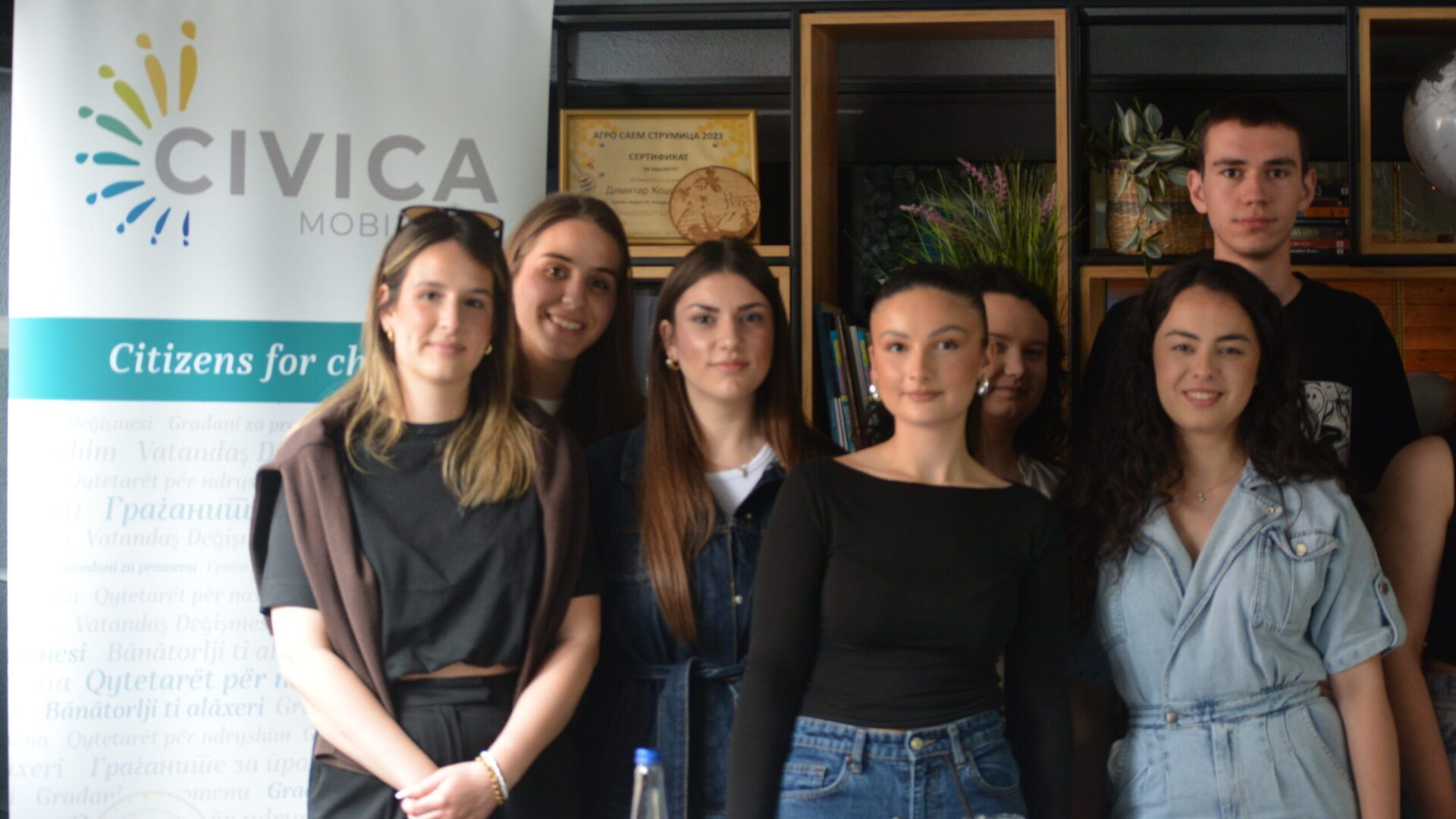
The young people from the three cities say that they most often know where the problem is, but they neither know where exactly to report it, nor how to monitor its resolution. In Krushevo, the communication with the municipality sometimes functions informally, but when it comes to official initiatives, the process becomes slow and unclear. In Kumanovo and Tetovo, on the other hand, there is a predominant feeling that information is not easily accessible, and there is rarely any feedback.
The project has been implemented by the Youth Alliance – Krushevo, the Center for Intercultural Dialogue (CID) and the Institute for Community Development – Tetovo, while the young people are involved not only as beneficiaries, but also as active participants in designing the solution.
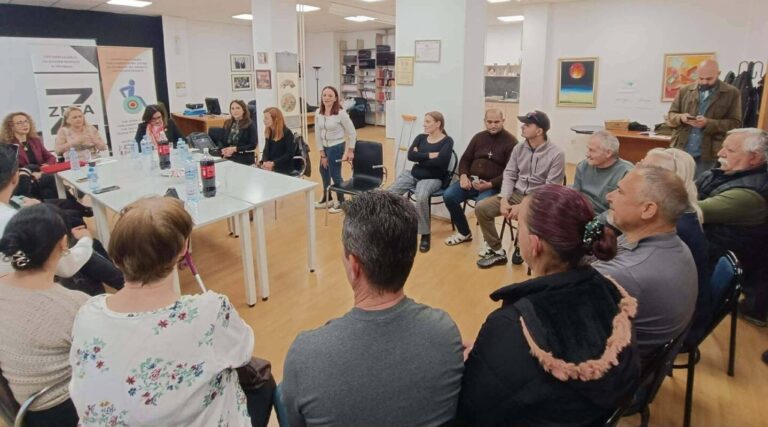
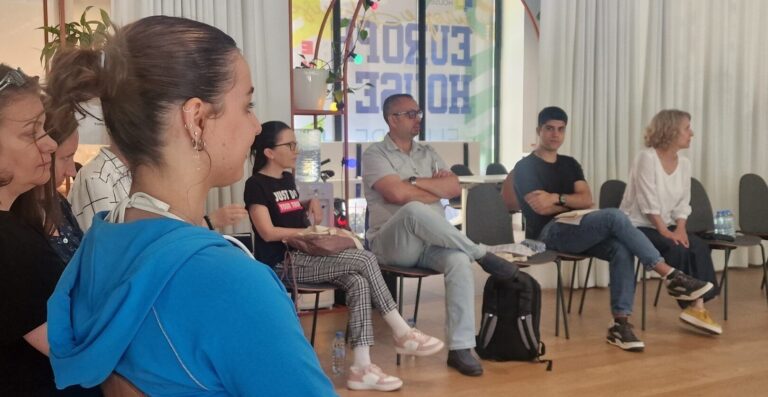
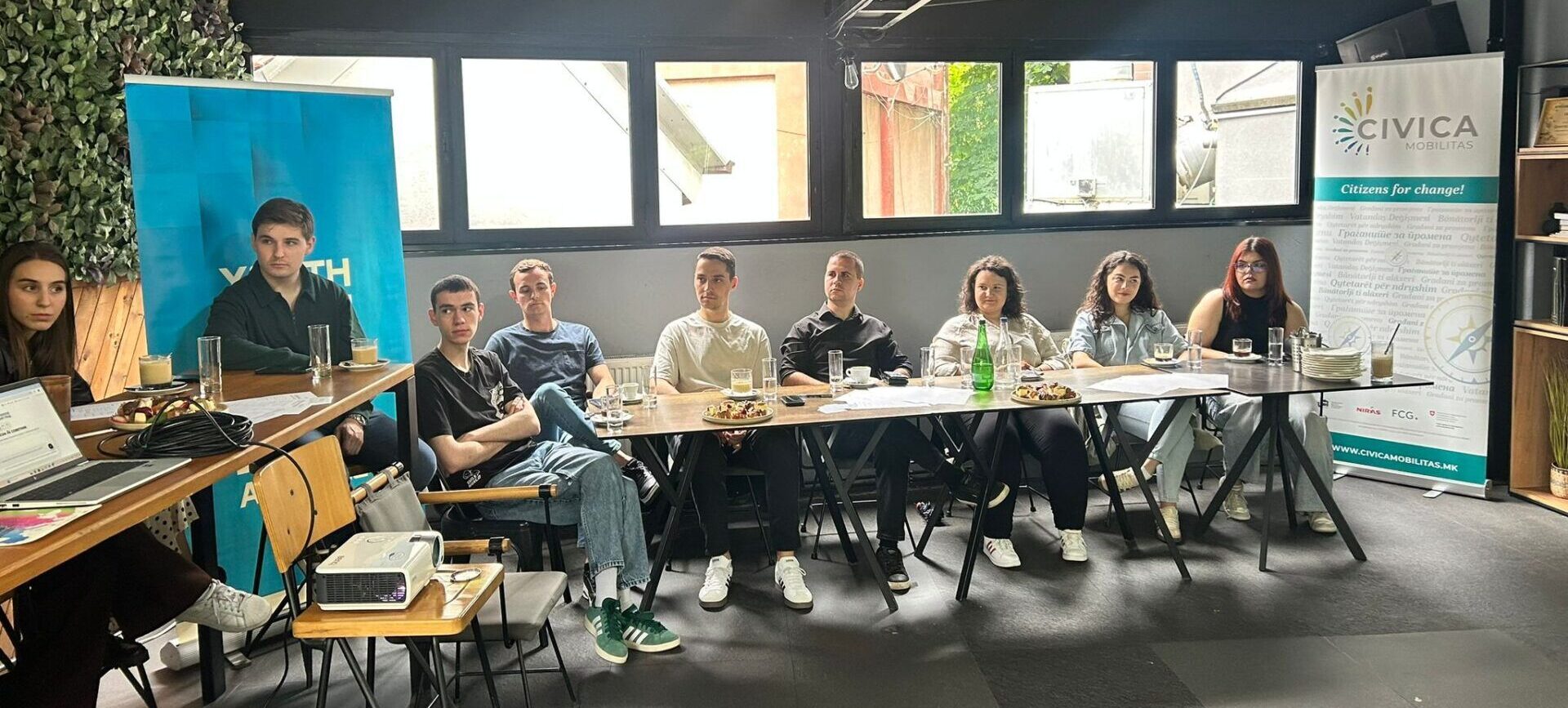
At the artificial intelligence (AI) workshops held in Skopje, Kumanovo and Tetovo, the young people openly spoke about the barriers in their communication with the institutions. Part of them admitted that they often did not know where to start from when they wanted to report problems, nor did they know how their voice was processed further.
“I liked it that someone finally asked what we really needed, rather than presenting us with an already prepared solution”, says Zhivorad Arsik, one of the participants. “In this way we can really influence how the tool would look like, starting from the design up to its contents.”
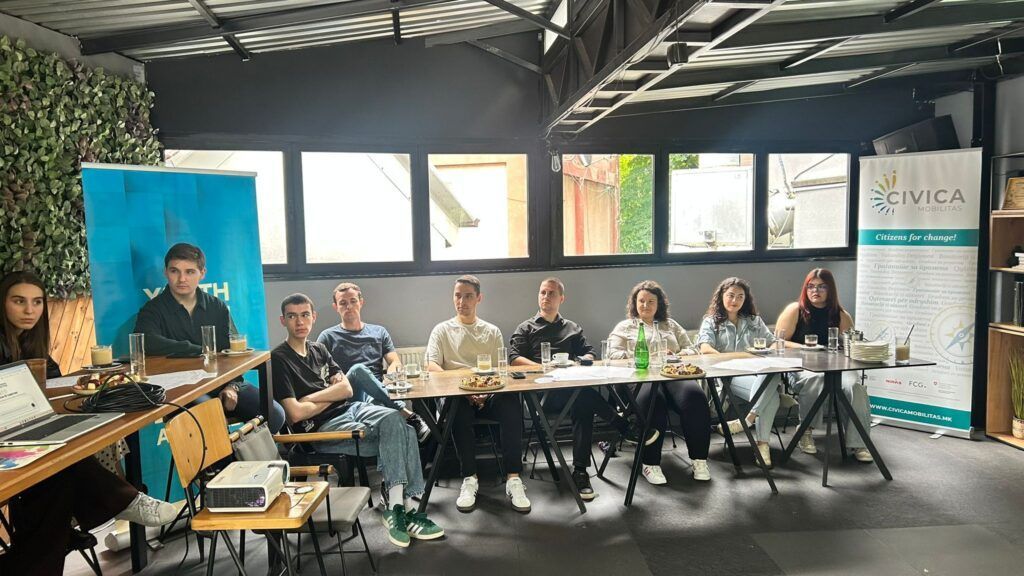
In the beginning, part of the young people were suspicious about the idea to use AI in their communication with the municipalities, but as the discussions developed, their views changed to more open acceptance of the fact that technology could ease and speed up the communication.
The young people do not need complex systems or yet another formal web page. On the contrary, they imagine a simple and intuitive tool which could be used to report problems, receive automatic notifications on the status of their requests, send photos or voice messages from the field, but also to obtain help in formulating their own initiatives. For them, the possibility to monitor the status of their request at any moment, rather than remaining stuck in unclear administrative phases is important.


“I would like to know the meaning of the phrase that something is ‘in the procedure’. Is there work done on it or is it only stuck somewhere?”, says Elena Serafimovska Stojchevska, another participant, describing the experience shared by many.
Although the priorities differ among the cities, the common picture is clear – the young people everywhere ask for the same thing: simples communication and feeling that somebody really listens to them.
At the organizations they say that it was these meetings that showed how much the young people were prepared to participate when they felt that they opinion was valued. They were not only technology users, but also carriers of specific ideas on how it can function in a real local context.
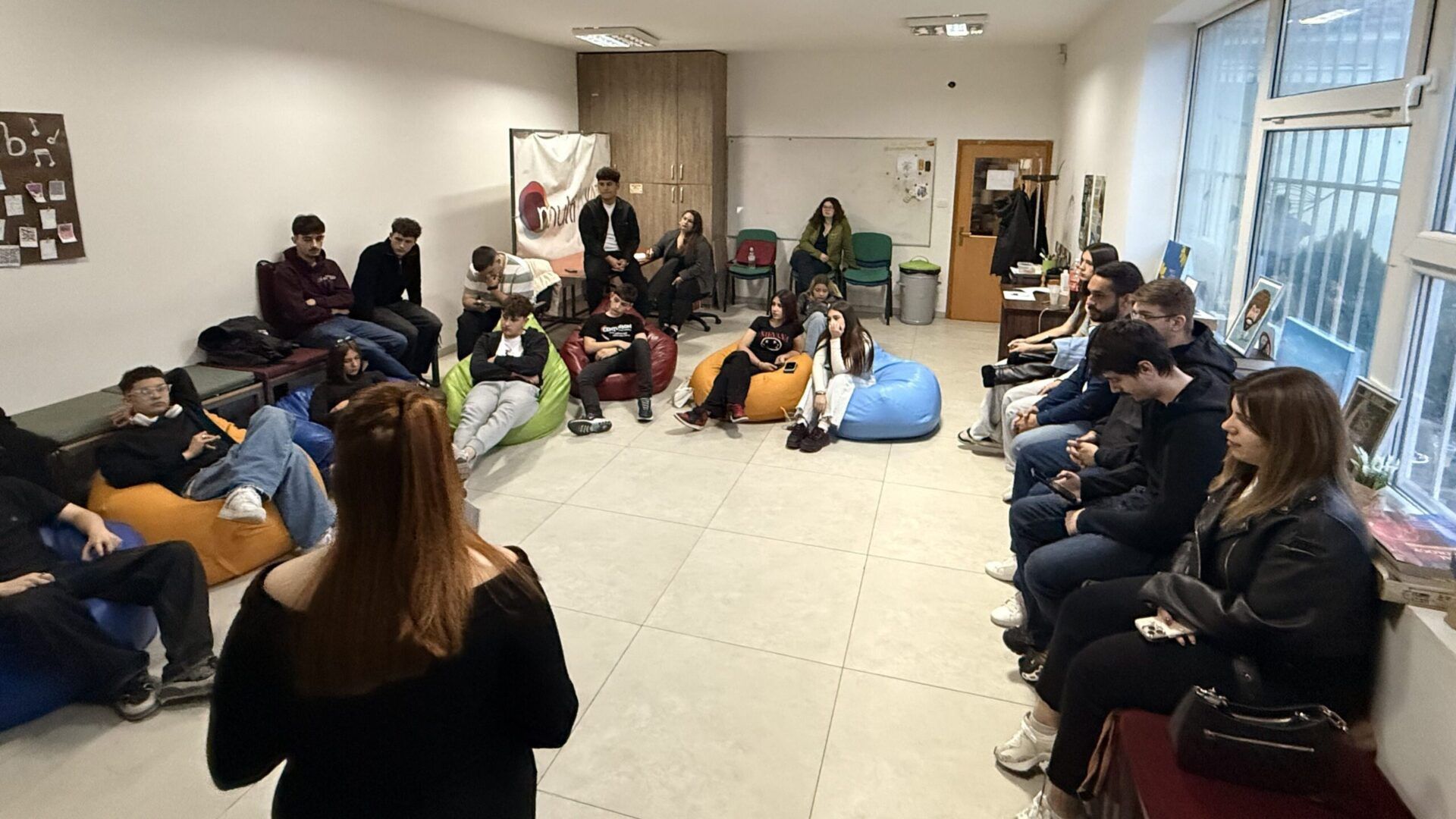
In the coming period, there would be work done on integrating all proposals in the platform development, and there is also a planned ideation where 45 young people will test the tool in practice together with representatives of the municipalities.
“I felt that our opinion could have a specific impact”, says one of the participants.
And maybe it is the most important result of the whole process, not only a new digital tool, but rather the first step towards the feeling that the voice of the young people can finally reach where the decision making takes place.