
“Every Journalist Is an Activist and Every Activist Is a Journalist”
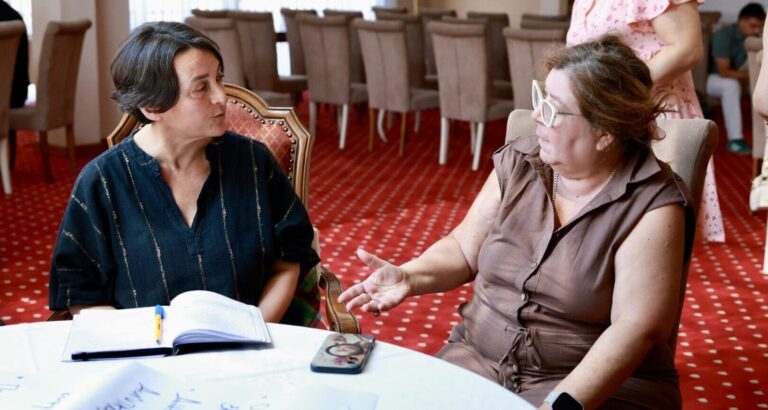
Sara Tanaskoska is a young journalist from Struga. Until recently, she worked for a medium where the local themes were rare. Not because of lack of interest, but because the system simply provided no space for it. “I want to contribute more for my local community. So far, I have not had the possibility to thoroughly cover local themes in some medium, and I see this workshop as an opportunity to obtain knowledge and skills for it”, she said during the workshop of Local Activ in Ohrid.
At a distance of130 kilometres, in Tetovo, Angel Dimovski, a young journalist, says something similar. “The main reason because of which I got involved is that I want to contribute to local journalism and resolving the problems in the community”, says he. And in Valandovo, the activist Ljubica Stojanovska had a different, yet a complementary reason: “I got involved in order to follow the current novelties on proper informing and advocacy before public institutions.” Three people, three different regions, one common problem and a conclusion that local communities do not have a voice of their own.
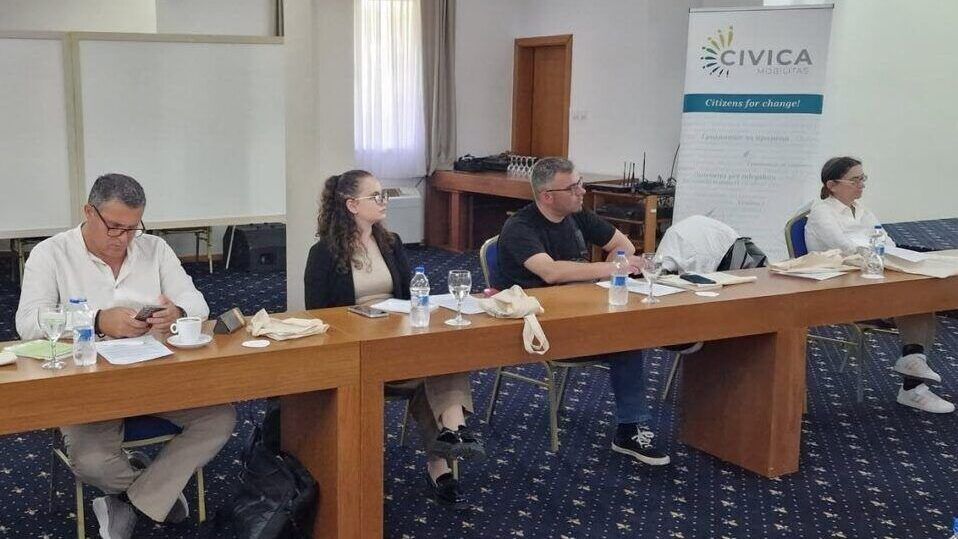
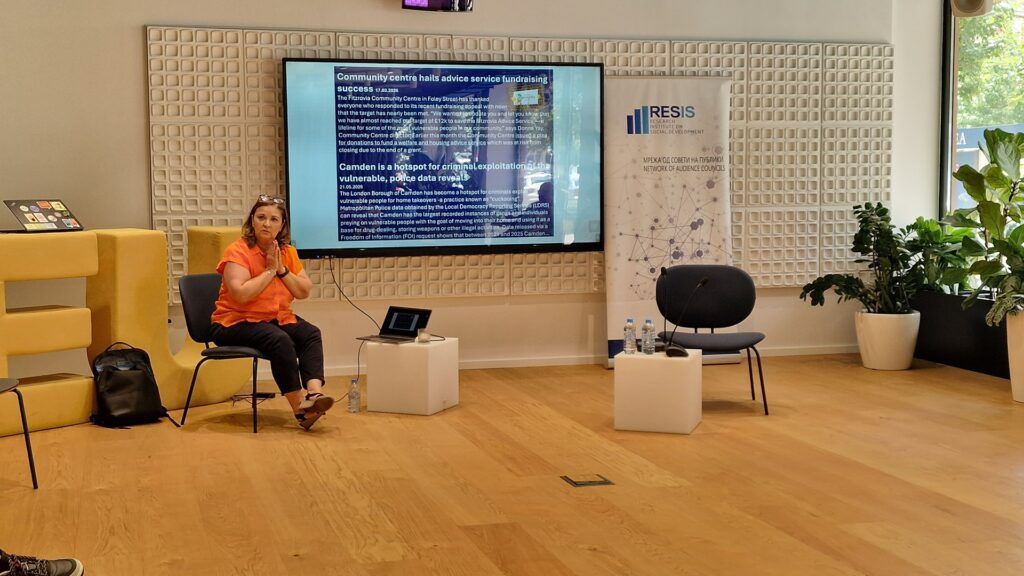
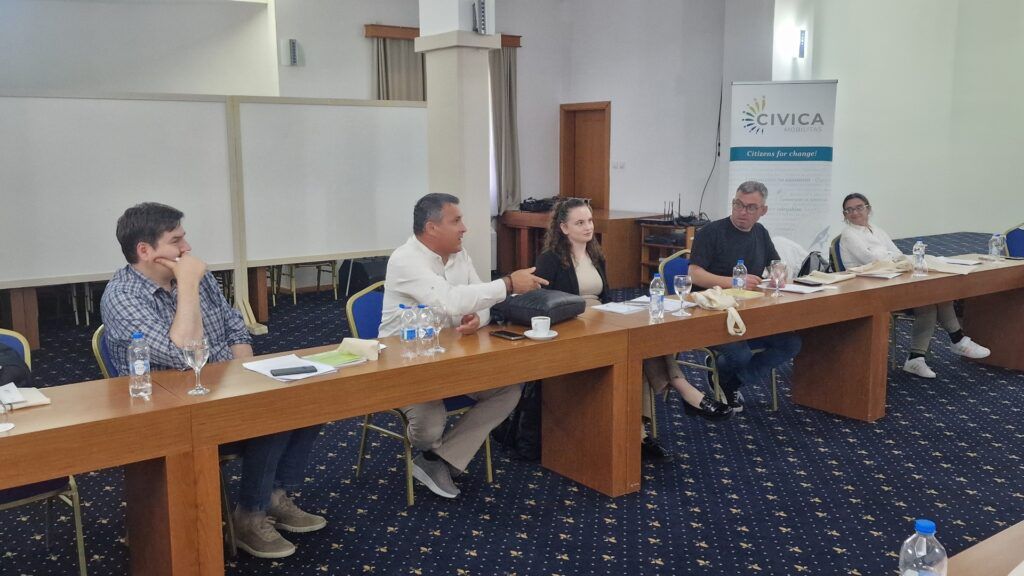
This is the core of the project “Community Media for Stronger Civil Society”, implemented by RESIS Institute and Council for Media Ethics of Macedonia (CMEM).
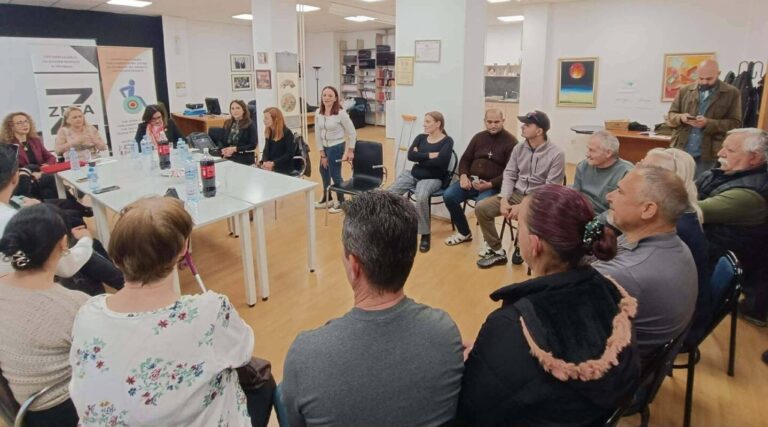
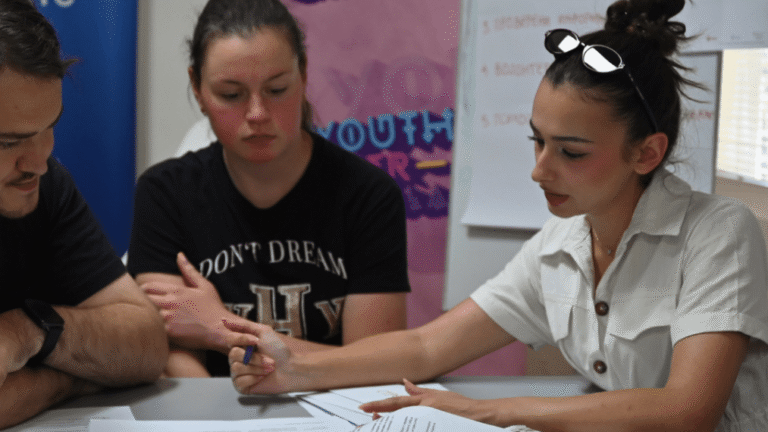
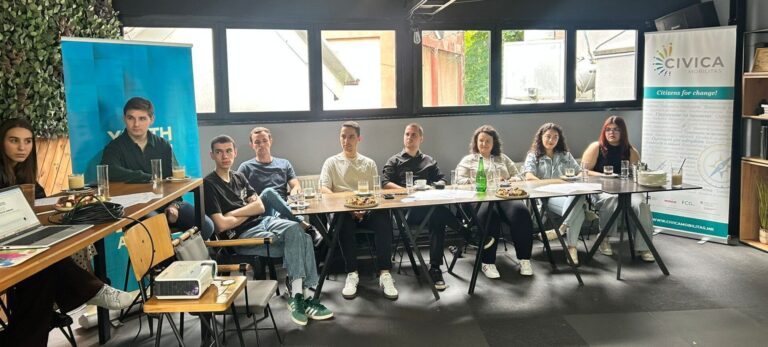
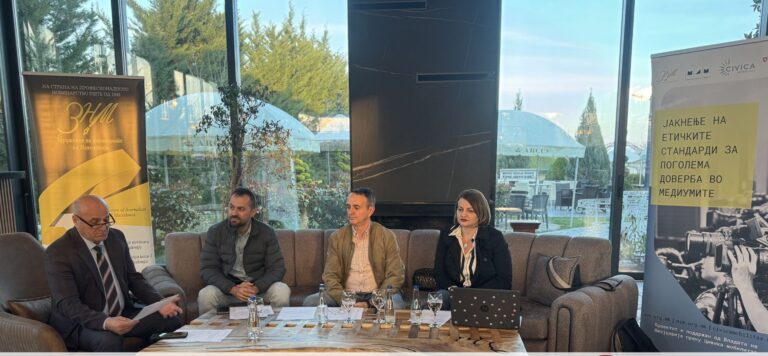
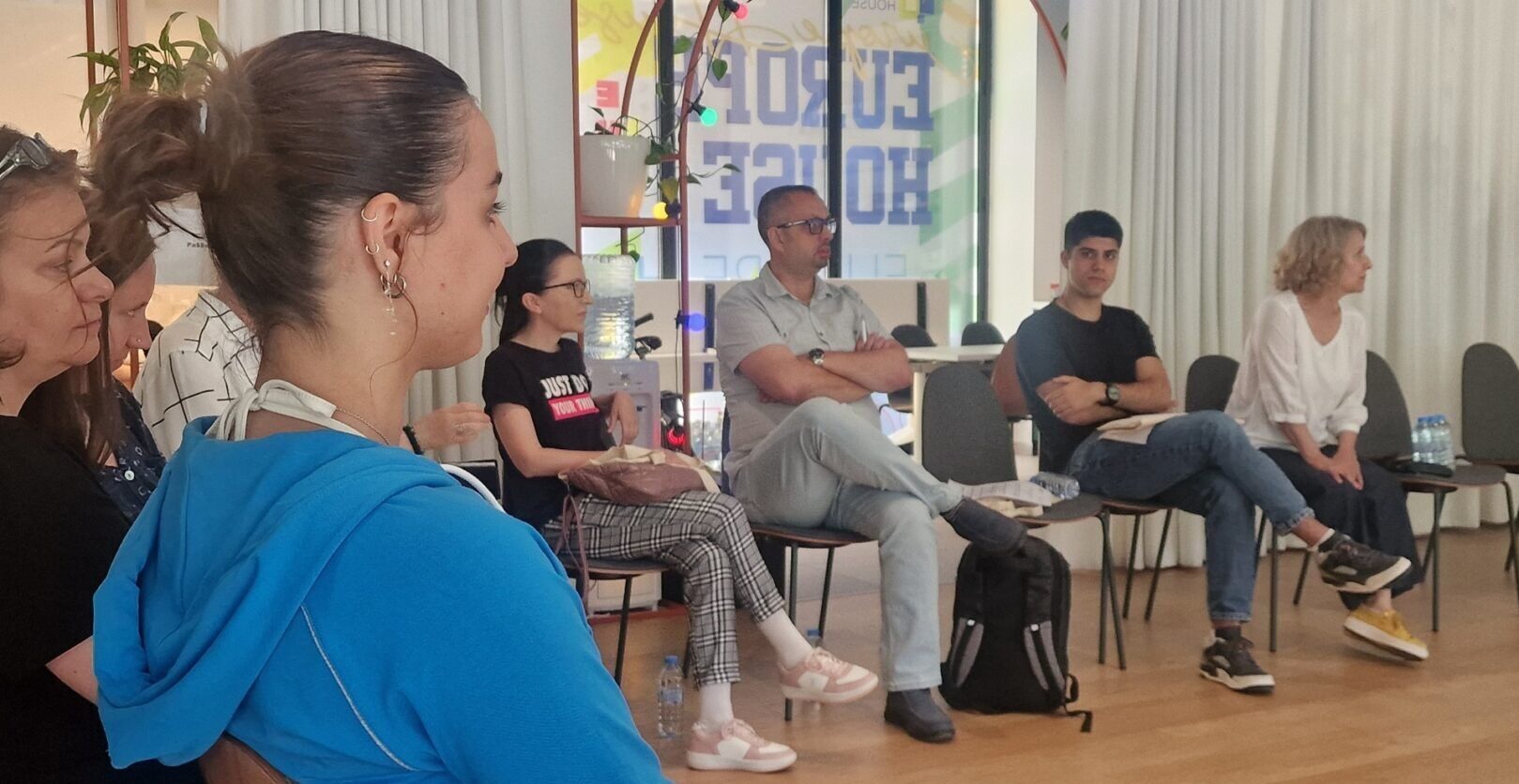
In June, RESIS and CMEM organised workshops in three regions, the Southeast, Southwest and Polog regions. Teh workshops were used to set the foundations for future editorial boards of community media where there are no such. What the workshops confirmed was something that is probably felt by many people, but something that is rarely named: a big part of Macedonia is in danger of becoming a “media desert’. Not because there are no media, but because the existing ones do not produce contents coming from local communities and serving their public interest. The political and corporate pressure on local media, their financial instability, low income of the journalists and the absence of instruments for civic communication… All of these challenges together have the same consequence: the citizens do not know that they have the right to demand, they do not know where to demand and often they do not know that their problem is a problem.
The participants at the workshops felt this on their own skin. In the discussions they showed the specific realities of each region. In the Polog region, the journalists and activists spoke about the bad urban planning and pollution in Tetovo. The region which, according to them, has had an increased risk of malignant diseases, but there is rarely appropriate media space for this. In the Southeast region, the focus was on illegal landfills and destruction of pine forests, but also on the “silent” emigration of the young people, a topic that almost nobody writes about. In the Southwest region, the participants opened the issues about drinking water, landfills and health care reforms.
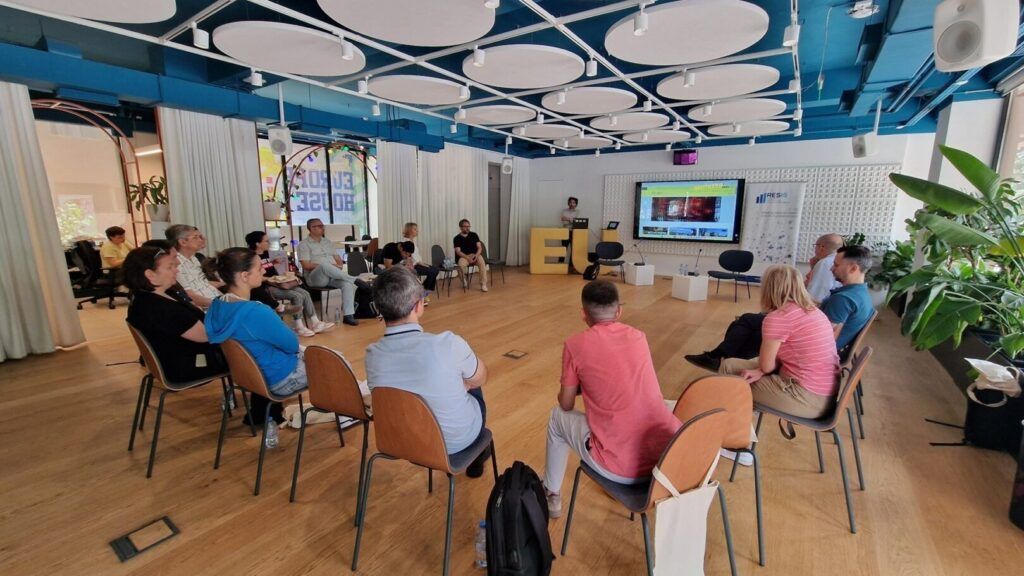
The model promoted by RESIS and CMEM, known as community medium is a conceptual response to these problems. This is a platform that functions as an editorial board: journalists and activists researching local topics together, write about them and publish them. It specifies a specific social demand (what is the problem, which body or institution should resolve it and in which way). This demand then becomes the basis for an advocacy action. The platform monitors it, pressures it and does not forget it until it is resolved. The logic is simple, yet powerful, i.e. that the topics should originate “from the community” and be investigated “for the community”. In the editorial board there are local journalists, civil activists and young people, yet not in their traditional roles. Here, every journalist is also an activist and every activist is also a journalist. The journalists contribute via their research, arguments, articulation. The activists contribute with their knowledge about the local environment, networks, pressure mechanisms. The young people bring in the future, sustainability without which all of this makes no sense.
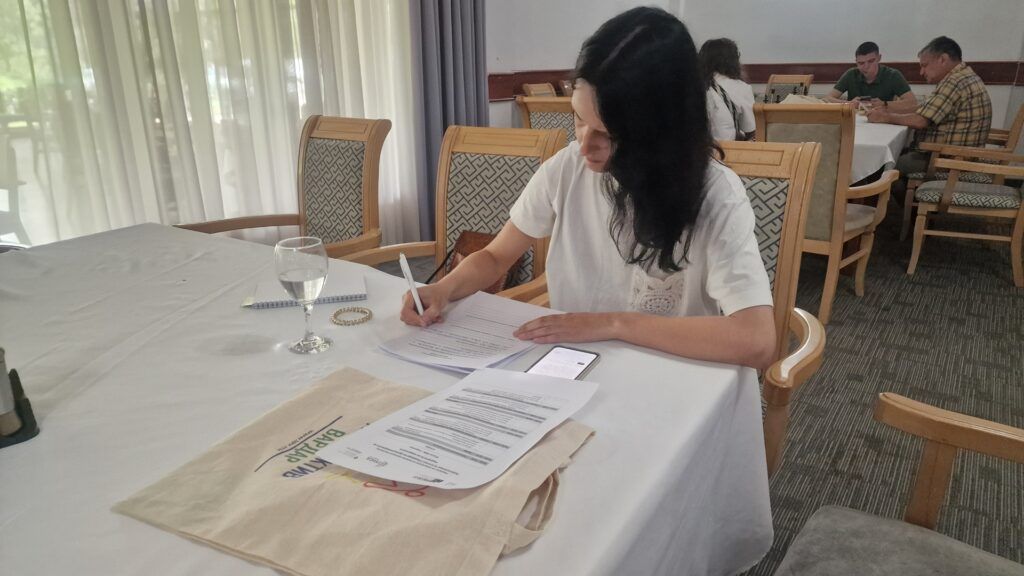
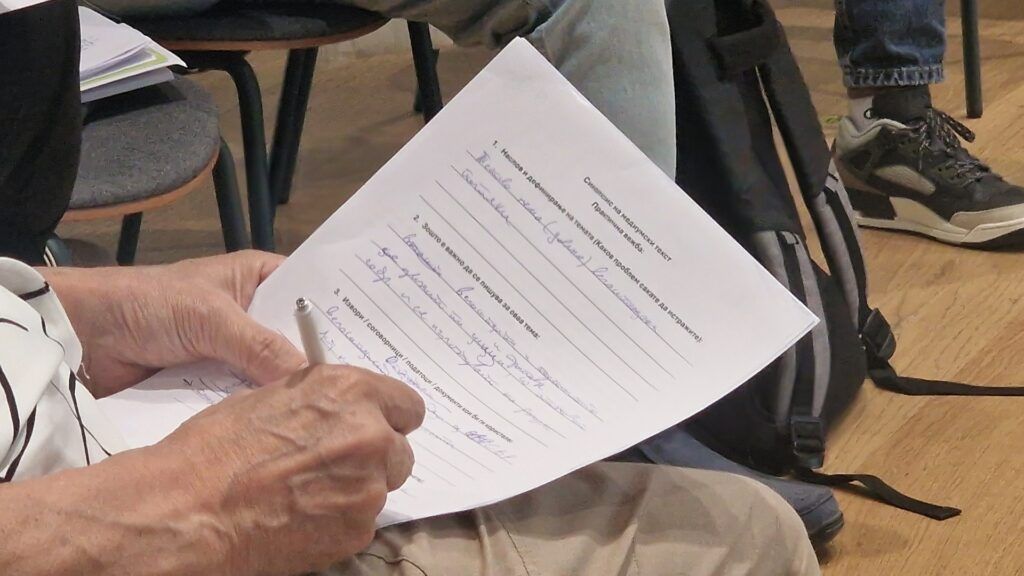
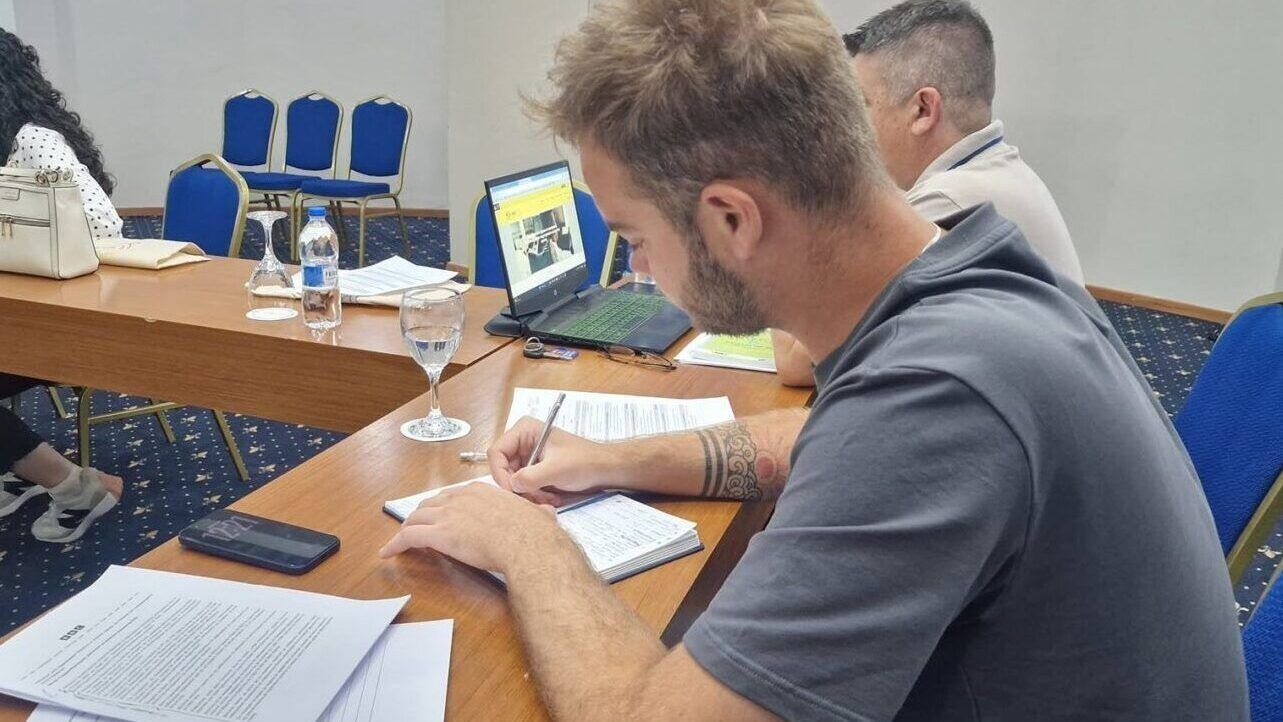
“I believe that journalistic stories can encourage specific changes in the community. I like the scheme of a journalist and a local activist very much, I think that in this way there will be a big impact in resolving the problems that cover journalistic texts”, says Sara Tanaskoska.
One can see that the model functions on the already existing platforms: Local Activ East, Local Activ Varda rand Local Activ Pelagonija. From the moment they have been established until nowadays, there have been more than 120 stories that precisely identify and formulate local demands, and this process has stimulated tens of new advocacy undertakings. The platforms revisit the demands that have not been met yet, and the civil activists involved in the process also write policy documents, as tools that enable them to have a more efficient advocacy with the institutions. Parallelly, there is work done on the diversification of the sources of financing and new communication channels are open between the editorial boards and people in charge to monitor the local demands more efficiently. Still, challenges remain. The financial sustainability of community media also needs support of the regulatory policy that will stimulate independent contents and it will enable consolidation of the sector in a long term.
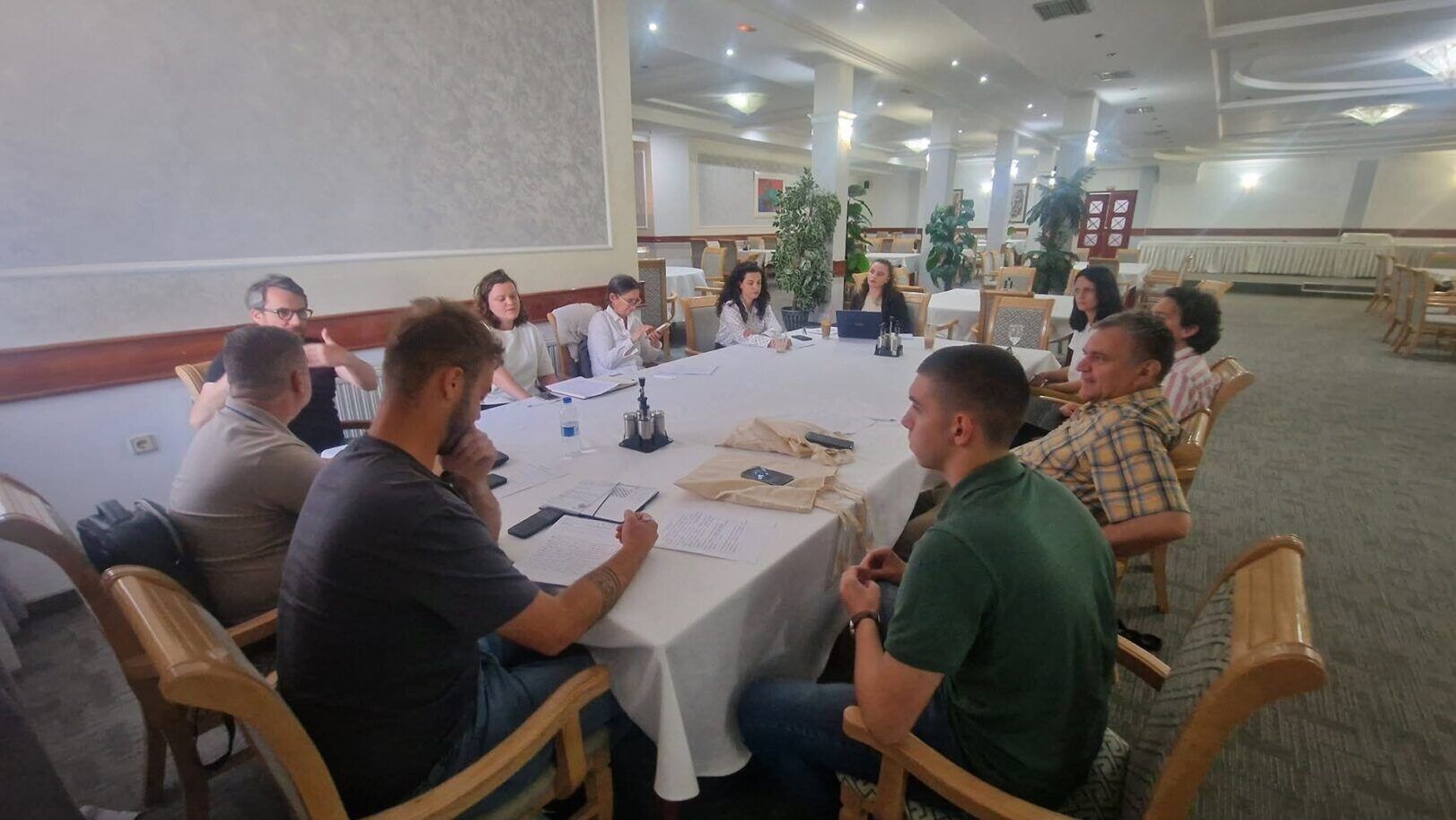
In 2026, the project consolidated these three existing platforms and at the same time broadens the basis in the four new regions. The second half of the year will be focused on content production. The participants will research themselves the topics identified at the workshops and write about them, formulating new demands of the local communities.
Ljubica Stojanovska expects that the change will be visible. “I expect that the citizens are better informed and that capacities for recognizing, selecting and advocacy on important topics will be developed”, she adds. On the other hand, Angel Dimovski is even more direct. “I expect Local Activ to contribute to bigger involvement of the citizens and improved visibility of the problems and needs in the regions, as well as their resolution”, he says.
In essence, this is the purpose. Better media, but also better informed citizens who know that their voice can become a policy.