
Young People Test the Crisis Management Protocol Resulting from Kochani Tragedy
On 16th March 2025, at “Puls” night club in Kochani, the fire caused by pyrotechnical devices engulfed the whole venue within minutes and claimed sixty-three lives, leaving more than hundred injured people. This is the most painful and hardest tragedy that has ever happened to Macedonia, It was this tragedy that showed that the institutions need more time to react, that the community has to be faster, which was the motivation for the project “Connected in Crisis: Young People Building Resilience and Togetherness”, implemented by “Young People Can Do It” from Skopje and Suportko Kochani, with the support of the Swiss Government via Civica Mobilitas. One of the first specific steps was the simulation of state of crisis, with the participation of twenty young people.
The simulation is a test-phase of the first national protocol for youth crisis management in North Macedonia. The goal is that this protocol defines the roles of the youth centres, CSOs and municipalities in the phases of prevention, reaction and psychosocial support. In this way, the young people will be recognized for the first time as stakeholders in the civilian protection and social resilience system. Instead of the institutions and civil sector acting for themselves, as it happened during and after the Kochani tragedy, the idea is to established a lasting, coordinated model in which the youth centres will be integrated in the social plans for reaction in crisis, and the Ministry of Social Policy, Demography and Youth and the Centre for Crisis Management will have regular communication with the network of youth centres. Therefore, the protocol was first tested in controlled conditions, via a game where the participants play the roles of the real stakeholders before continuing with the next steps until the official adoption and implementation in a real crisis.
Before the simulation itself, the research of the current situation with the youth centres and civil sector had revealed many significant challenges. The representatives from “Young People Can Do It”, according to the obtained data, say that “more than half of the young people stated that the crises have a negative impact on their mental health and social life. In that respect, the psychological support stood up as their biggest need, and there was a visible low trust of the parents in the institutions”. Suportko Kochani sees the same problem from a different angle. For them, the biggest challenge is that the youth organizations have a huge wish to help in crisis, but they lack clear directions how to coordinate with the institutions, which often leads to self-initiatives, thus also risky action, while the institutions on the other hand struggle to come to timely and correct information from the field.
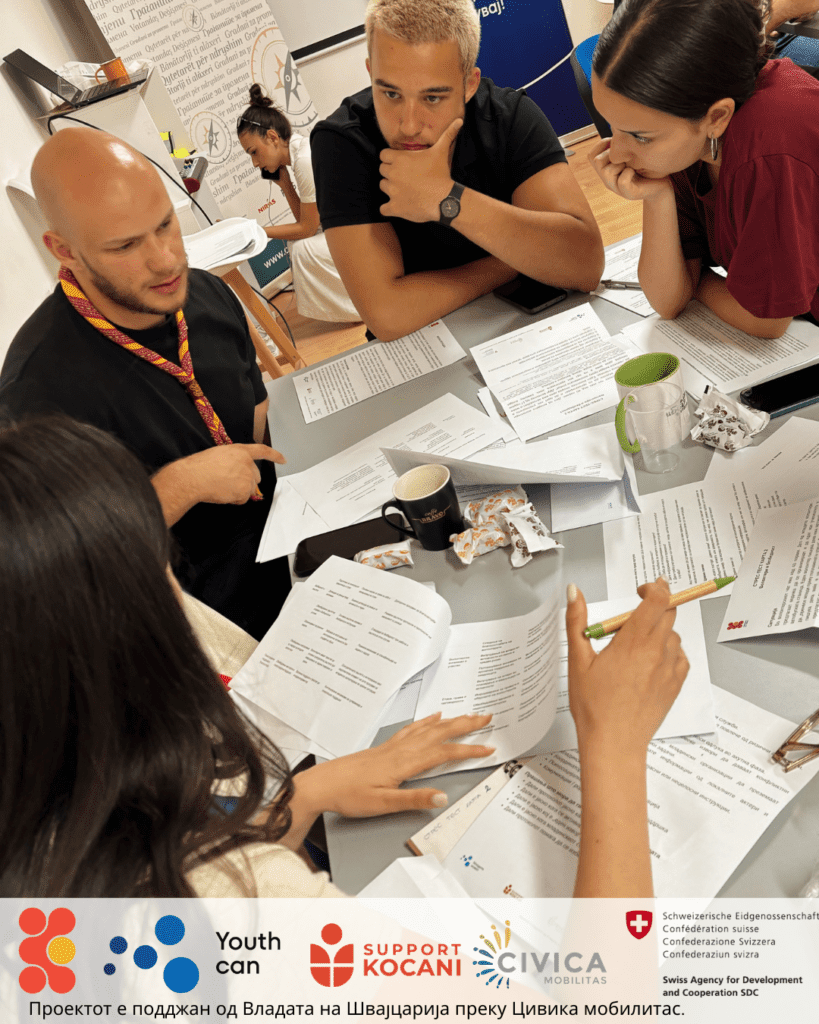
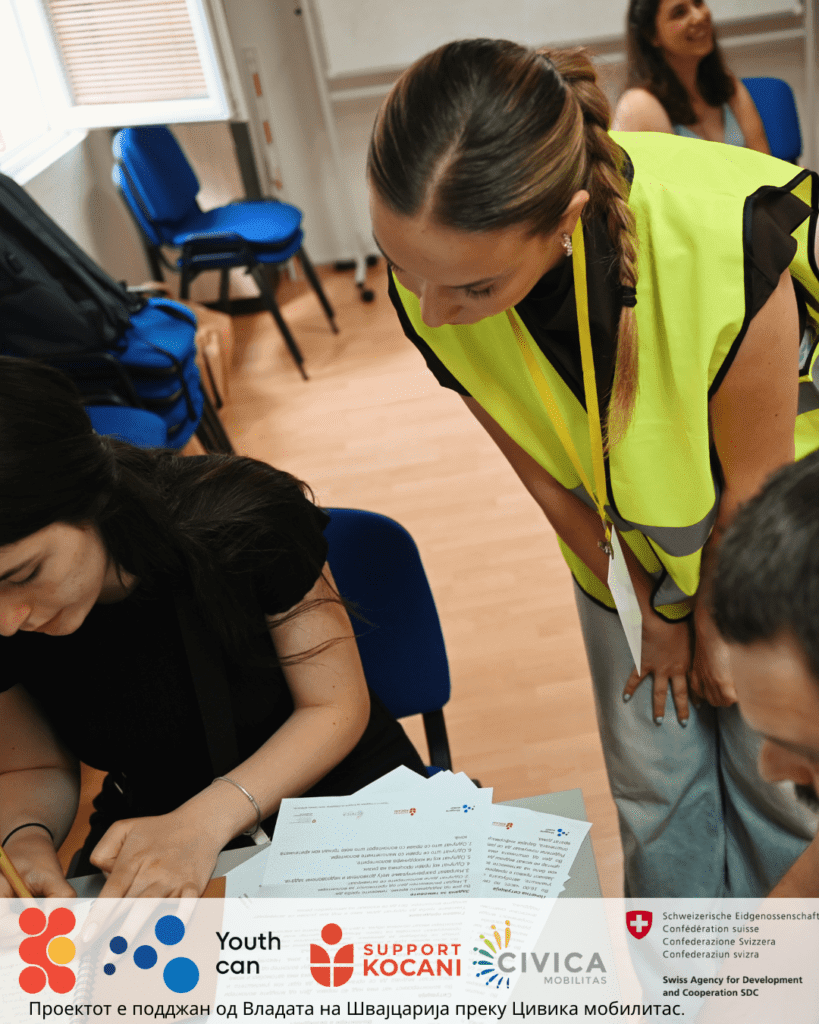
These findings have directly shaped the work of the expert group when preparing the draft protocol. Sara Nikolovska from “Young People Can Do It” states that “special attention was paid to the role of the youth centres as safe spaces for support, to the clear distribution of roles and responsibilities among the institution, as well as the mechanisms for psychosocial support and inclusion of young people”. For Suportko Kochani, these findings mean a full change in the access to the preparation of the document. “It made us not make just another dry theoretical document, but rather a practical framework. We have made the manual with clearly distributed roles> we know exactly who coordinates, who checks the information and what the border is between humanitarian aid and professional rescue services”, explains Klaudija Nikolova from Suportko Kochani.
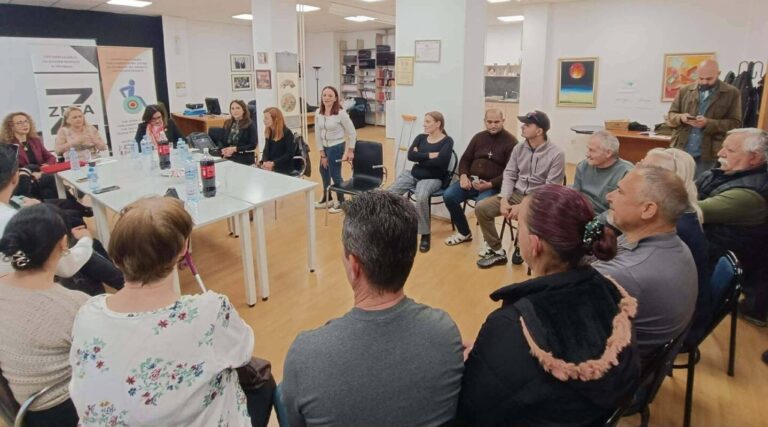
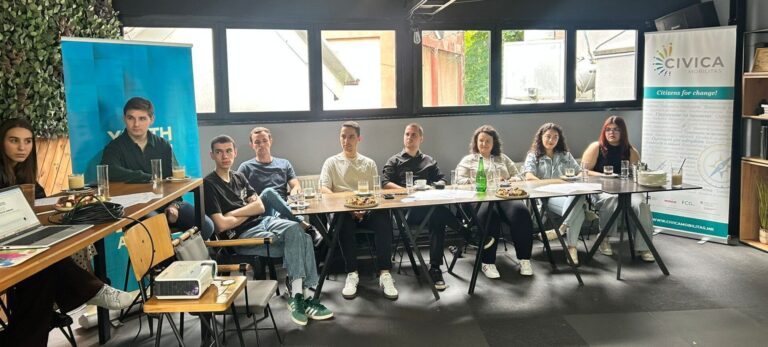
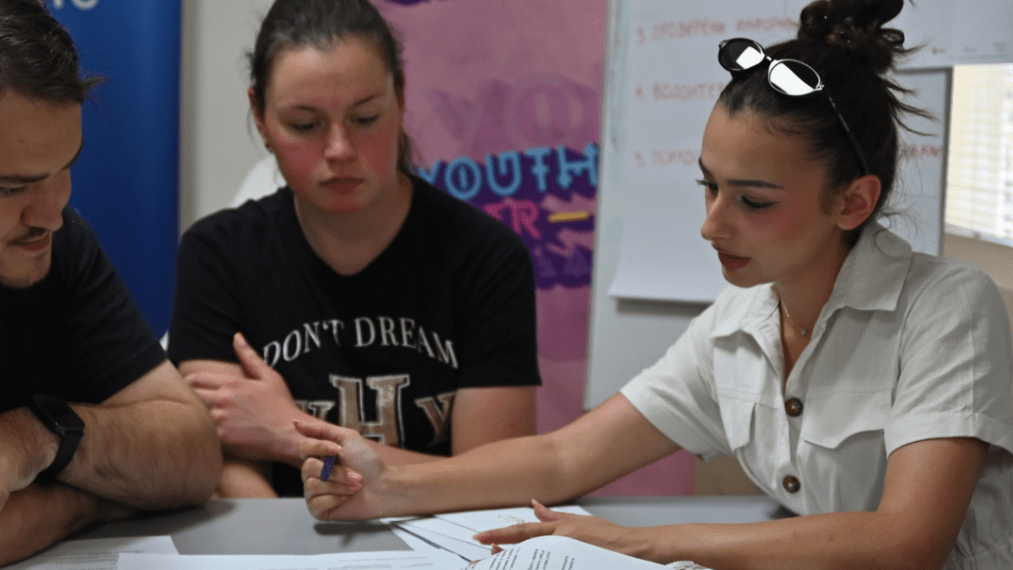
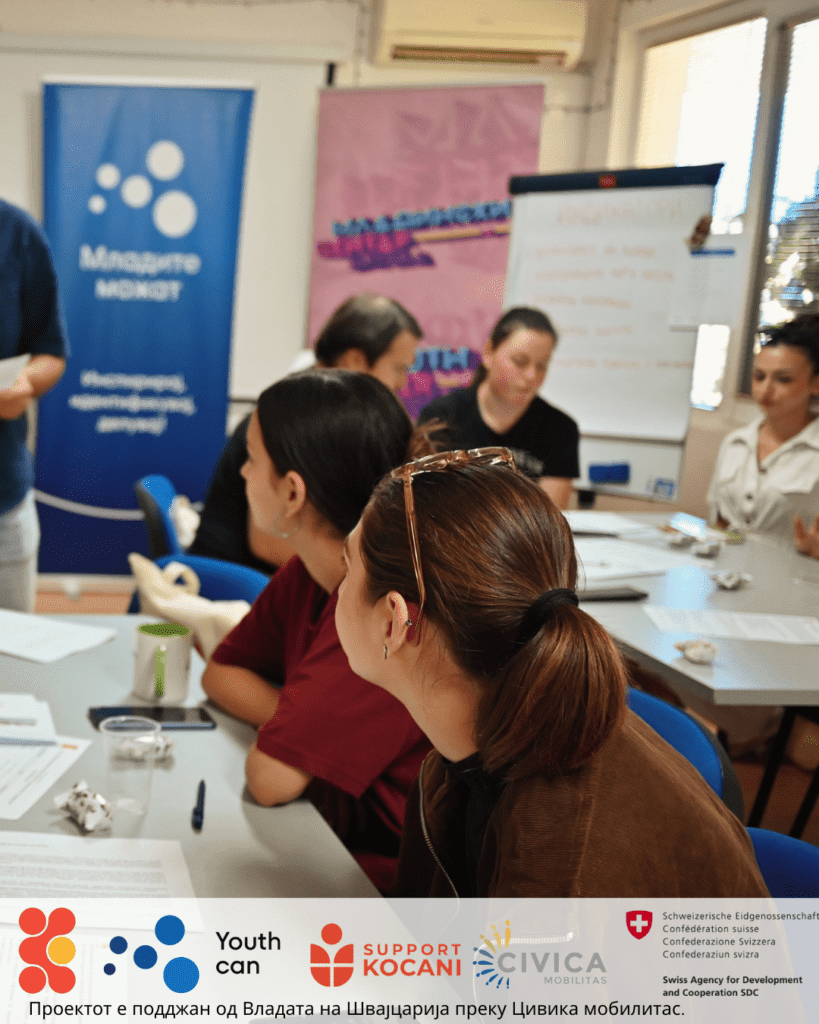
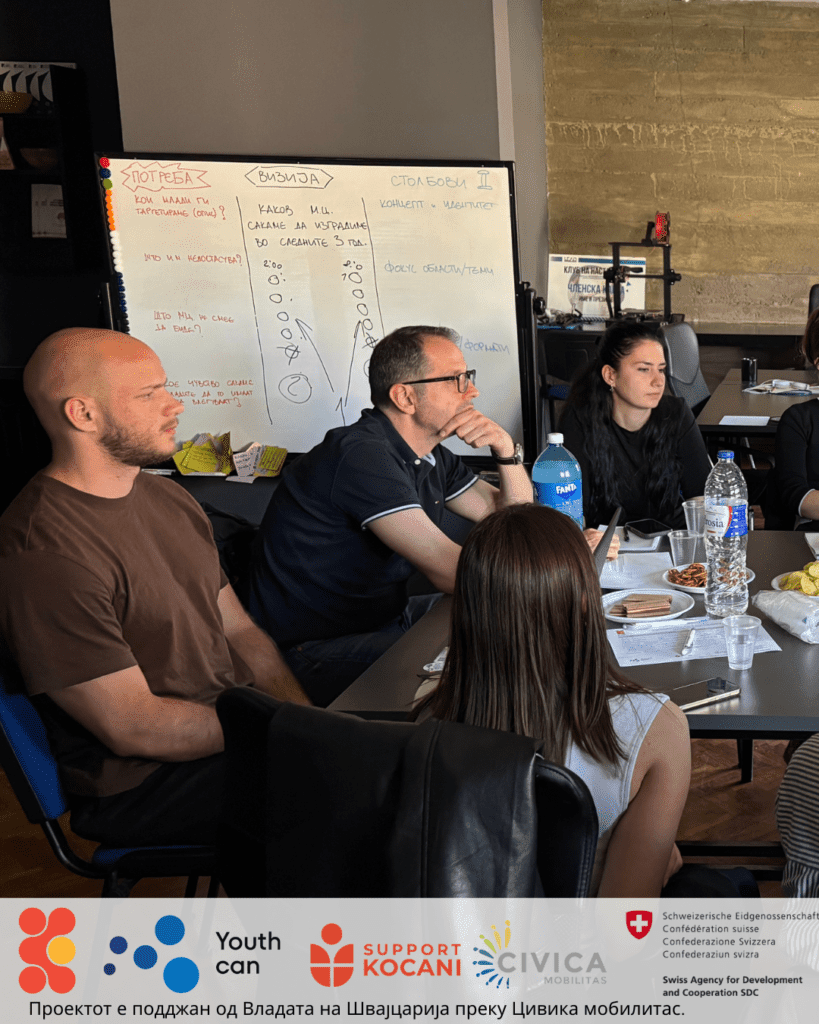
The simulation was envisaged as an interactive social game in which each participant had a role matching a real actor in the protocol – a representative of the municipality, Centre for Crisis Management, youth centre, psychologist and other relevant stakeholders. With various scenarios and challenges, the participants were supposed to make decisions, communicate with each other and act according to the steps proposed in the protocol, say the people from “Young People Can Do It”. Suportko Kochani has additionally upgraded the game with stress-test cards and real scenarios, with flooded streets, cut connections, panic on the social networks. The goal, as stated by project implementors, was to use the game to see how the participants will manage with the manual itself in practice and how they will manage the stress of fast decision making.
The biggest challenge for the participants was the coordination among different institutions and making quick decisions in conditions of limited information, said Nikolovska from “Young People Can Do It”, adding that the participants had realized that the effective crisis management depended on timely communication, trust and mutual cooperation. Klaudija Nikolova from Suportko Kochani describes the tensest moment via a specific scene: “The tensest moment was when they were faced with fake news and panic on the social networks, and at the same time they were called by concerned parents and volunteers who wanted to immediately go and ‘rescue’. There was a lot of uncertainty and real understanding of how difficult the decision was when you need to proclaim something safe.” The participants were seriously involved in their roles, and the feeling of responsibility and uncertainty made the game very realistic for all parties.
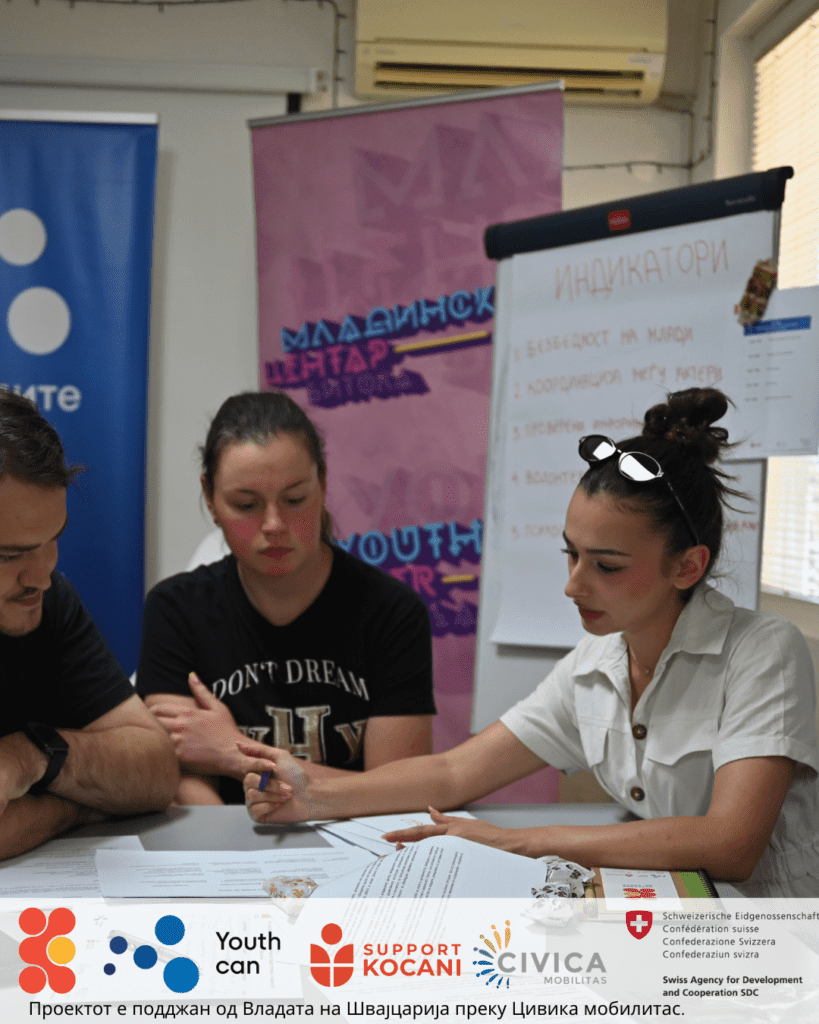
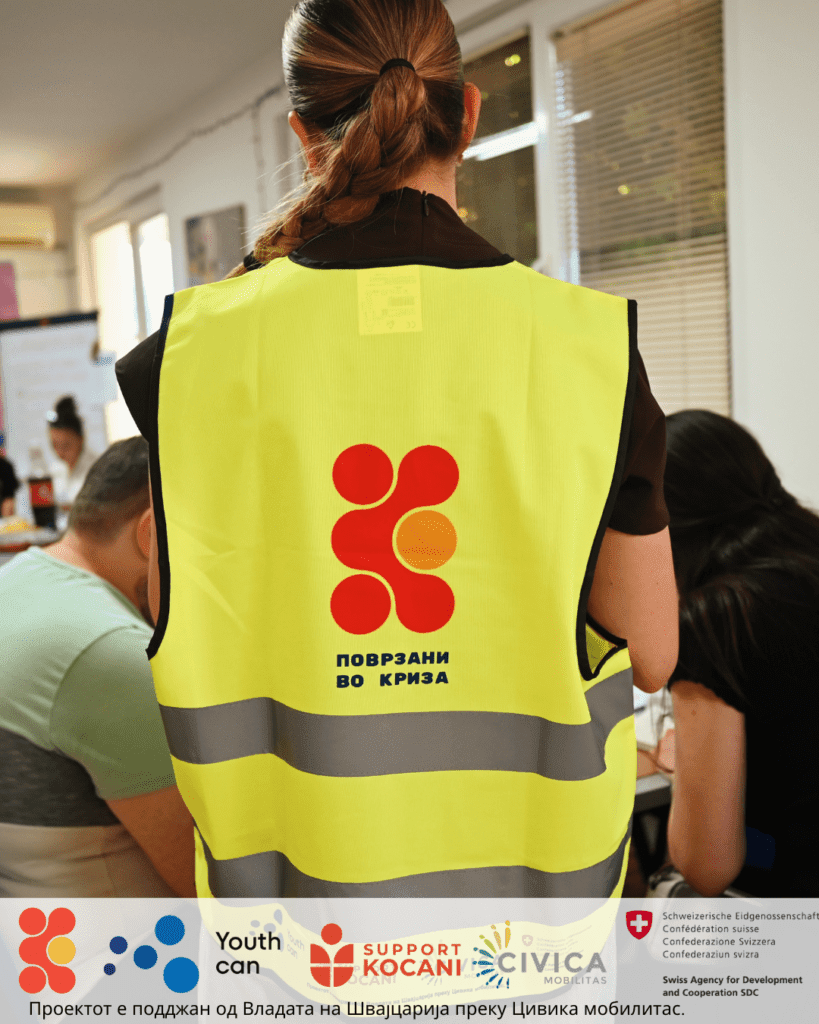
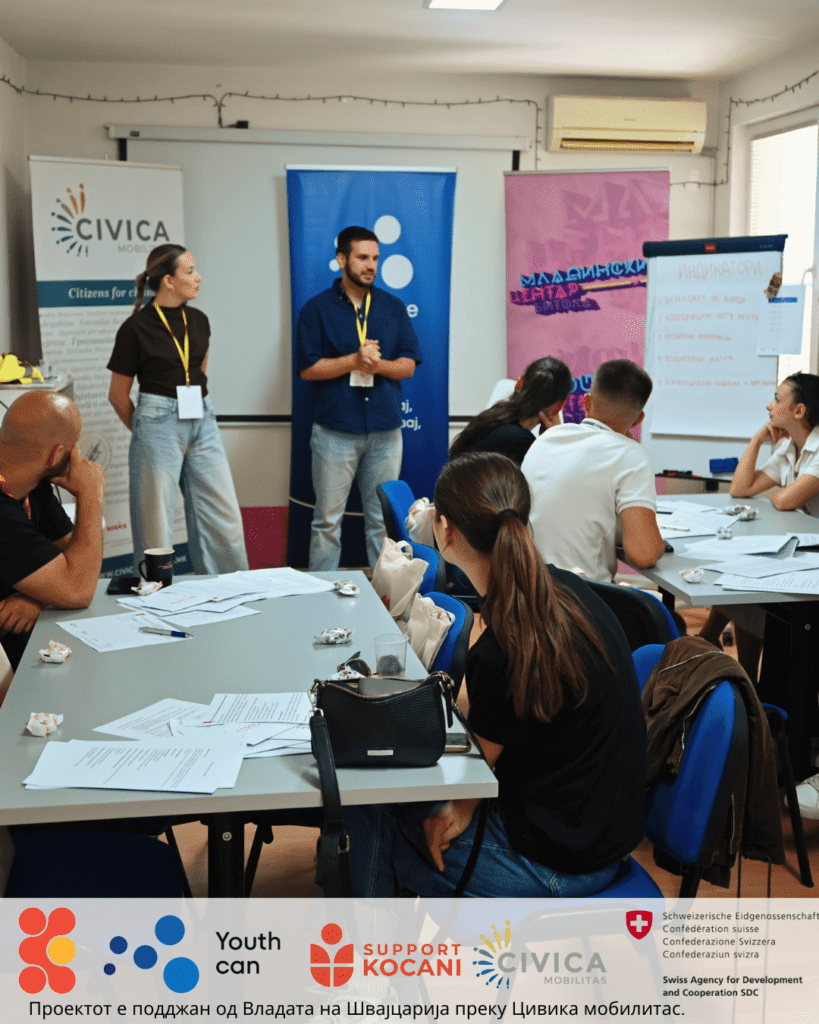
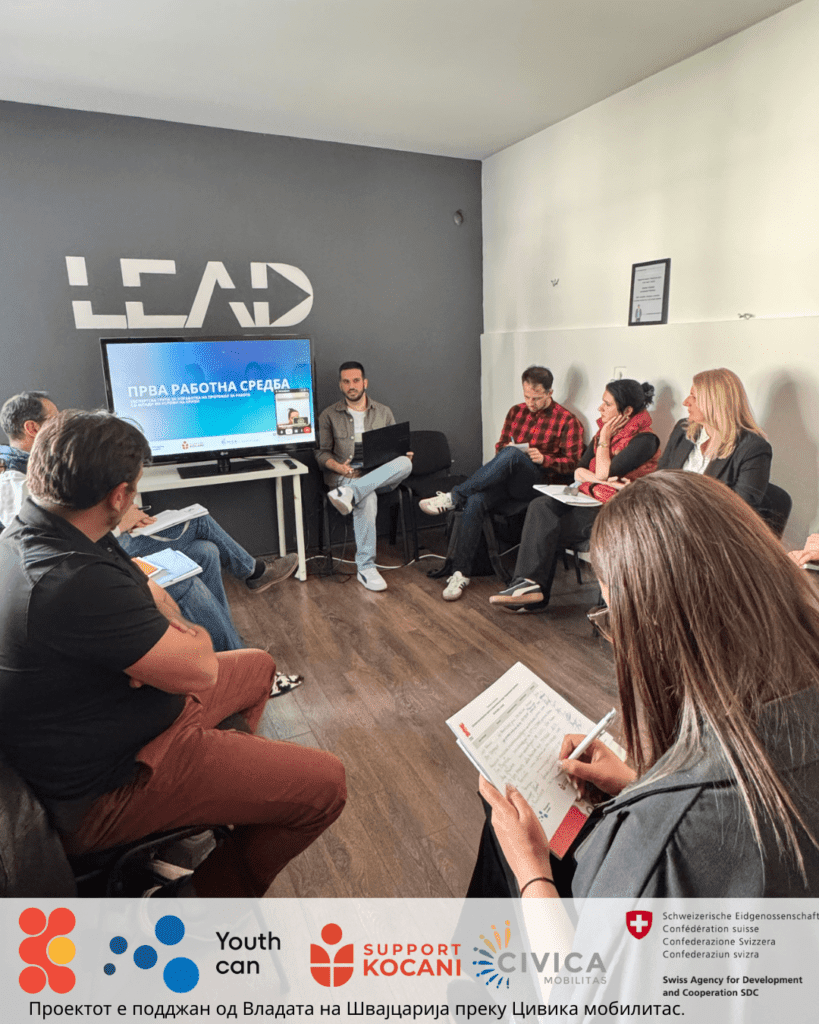
The simulation showed that the protocol is a good basis, but at the same time it opened questions about additional improvements. The people at “Young People Can Do It” stress that therefore, after the end of the game there was another meeting with the expert group, where all remarks and proposals obtained from the participants were reviewed, and the document was additionally improved. “Not we know which procedures should be additionally specified – for example, who gives the final confirmation about the safety of the facilities and how to remove disinformation faster, before they cause massive panic”, adds Nikolova from Suportko Kochani.
For the organizers, the biggest value of the simulation was that the protocol is not only a document on paper. “The most valuable was that the protocol was not only a document on paper, but it was put on a practical test. With the direct participation of the young people, we were given honest reactions, specific proposals and insight into how the proposed procedures function in a real dynamics”, said Sara Nikolovska from “Young People Can Do It”, adding that one of the most striking moments was when the participants realized that good intention in itself is not enough unless there are clearly defined role, coordination and timely communication. Suportko Kochani also have a similar impression, when the participants realized that in crisis, the most important is to respect “the chain of command, rather than make heroic moves on their own, which can endanger security”.
The volunteers who participated in the testing also shared their impressions about the games, and their experience revealed how realistically the game had conveyed the pressures of a real crisis. “I liked the dynamics of the game very much because it has given us a feeling as if we are in a crisis HQ”, says Dea Andreeva, a volunteer from Kochani. She stresses that the biggest surprise for her was how easy it is to create panic via the social networks and fake news.
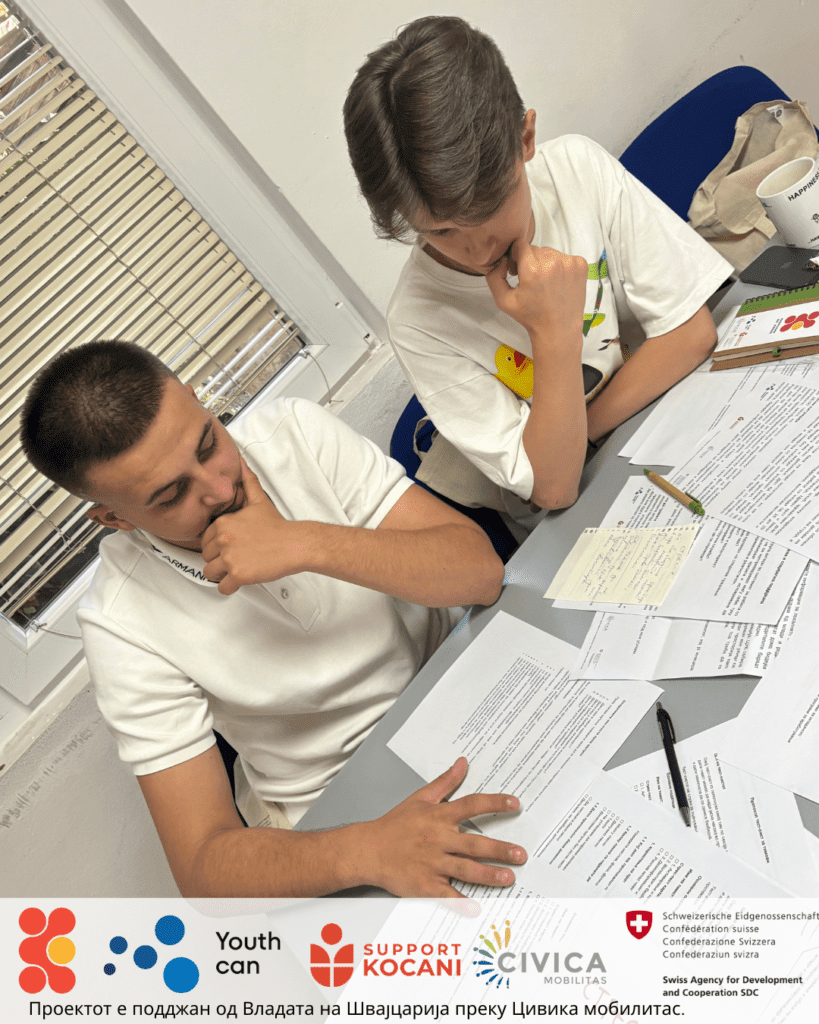
This element of chaos and fast decision making also left an impression with the volunteer Denis Bozhinov, who stated that the most interesting, but also the tensest part was when the participants started to receive conflicting information from all sides. “We needed to decide in a second what would come next”, he explains.
The participants felt that their decisions really had weight. For the volunteer Mia Andreeva, her own mistakes and decisions in the game could clearly indicate what exactly should be improved in reality when it came to the manual. “We knew that our remarks would really influence the final form of the protocol that would be used by the youth centres”, says she.
The experience of the game also gave the volunteers a clear view of what was missing in the current version of the protocol. Bozhinov thinks that “the document should have a clearer step on fast check of the information before it is released in the public, in order to prevent spreading of disinformation”. Andreeva, on the other hand, indicated the need of a more precise part on communication with the parents in crisis situation, as they are often the biggest source of pressure when there is panic.
The next steps of the project are directed to finalizing the national protocol based on all collected recommendations, its promotion and advocacy before relevant institutions, while the central activity in the coming period will be organizing a big national simulation for its testing in a broader frame. Parallelly, the activities that strengthen the resilience of the young people and the cooperation among the youth centres, institutors and civil society continue.