
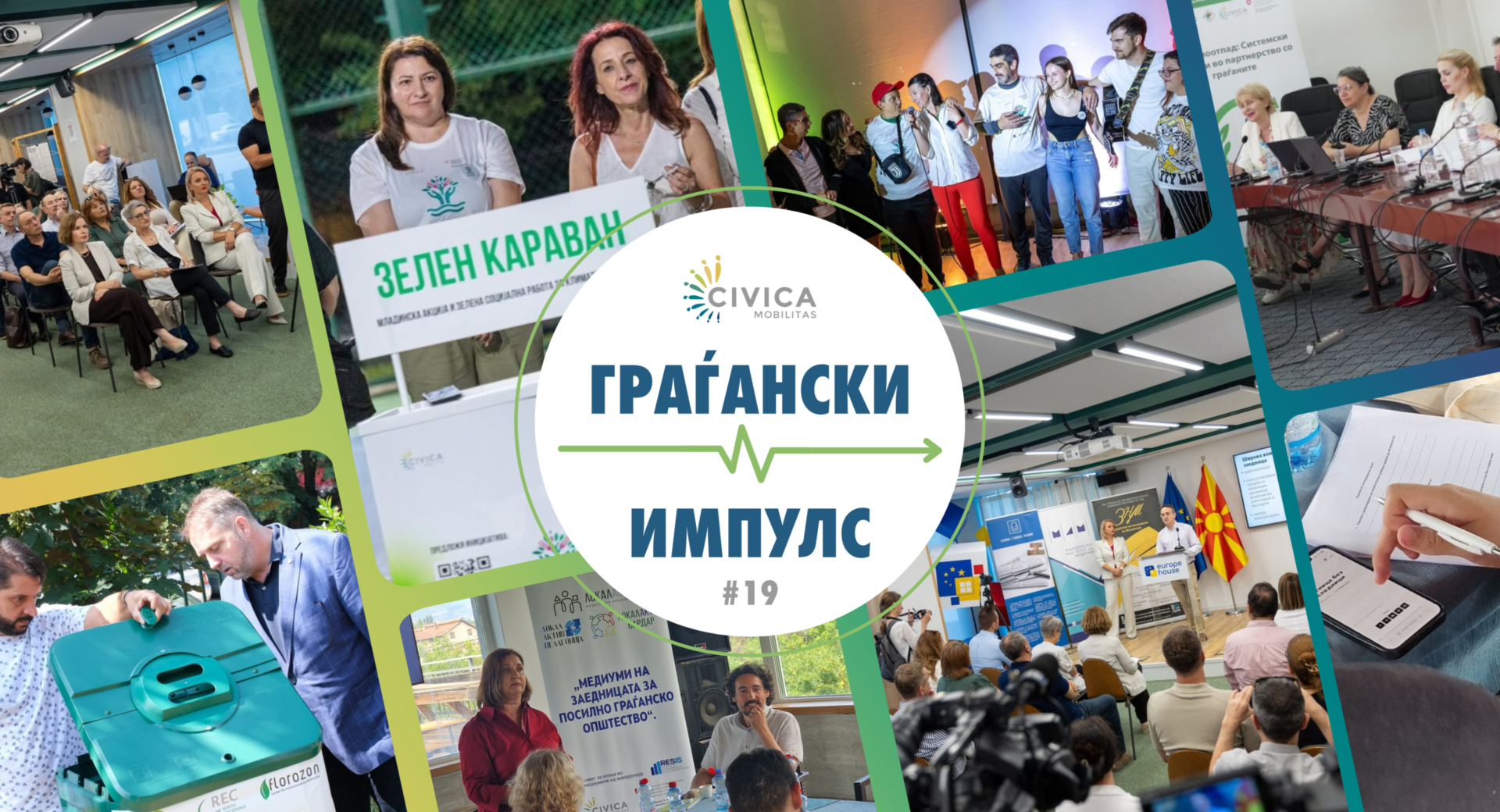
Civic Impulse #19: Monthly Review of Grantee Activities
July 2026
In July, civic activism showed that change is built also with small, everyday steps. The community media continued receiving new space in the regions, while the journalism professionals had a new ethical compass. The environment has remained in the focus of many of the grantees, which have shown circular economy in their caravan through cities, up to composting in kindergartens. The young people in Krushevo experimented with artificial intelligence in order to solve the problems in their communities, and the analyses on higher education and gender equality indicated which challenges are yet to be resolved. This issue of Civic Impulse informs about the most important activities of Civica Mobilitas grantees during the month.
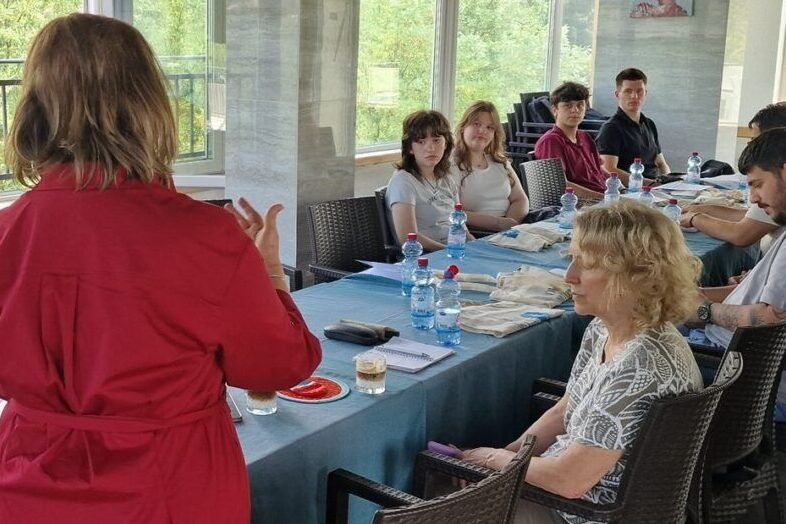
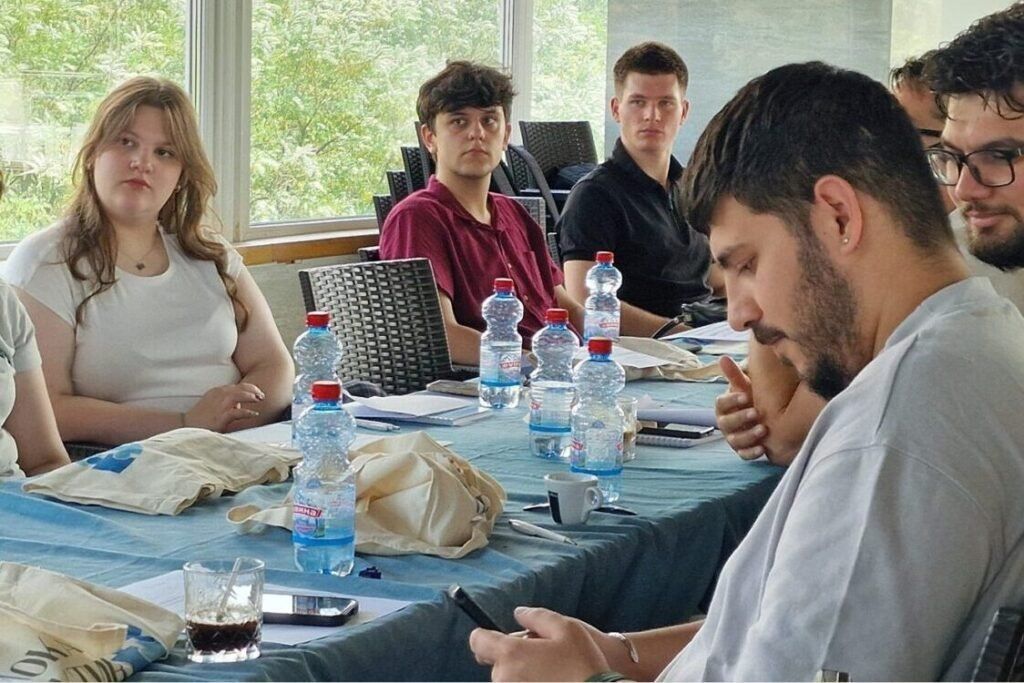
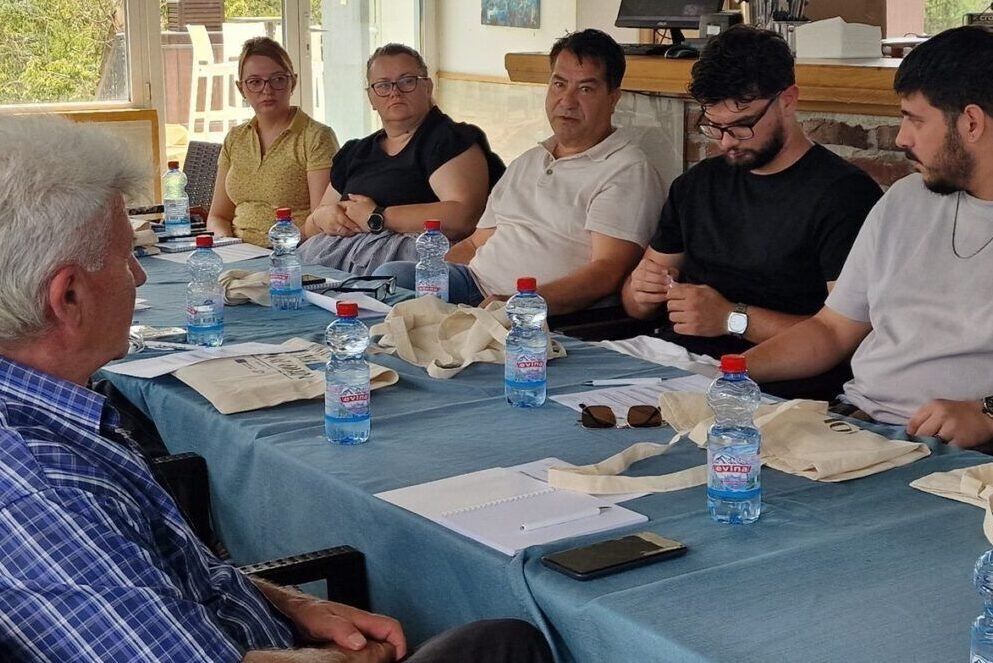
RESIS Research Institute on Social Development and the Council for Media Ethics of Macedonia organised a workshop in Kumanovo for fifteen young people, activists and journalists from the Northeast region. The event is part of the project “Community Media for Stronger Civil Society”, whose goal is that “Local Active” initiative is also expanded in new regions. The participants discussed the professional and ethical standards in reporting, and in the end, they developed ideas together, in order to make new stories from them for the “Local Active” platform.
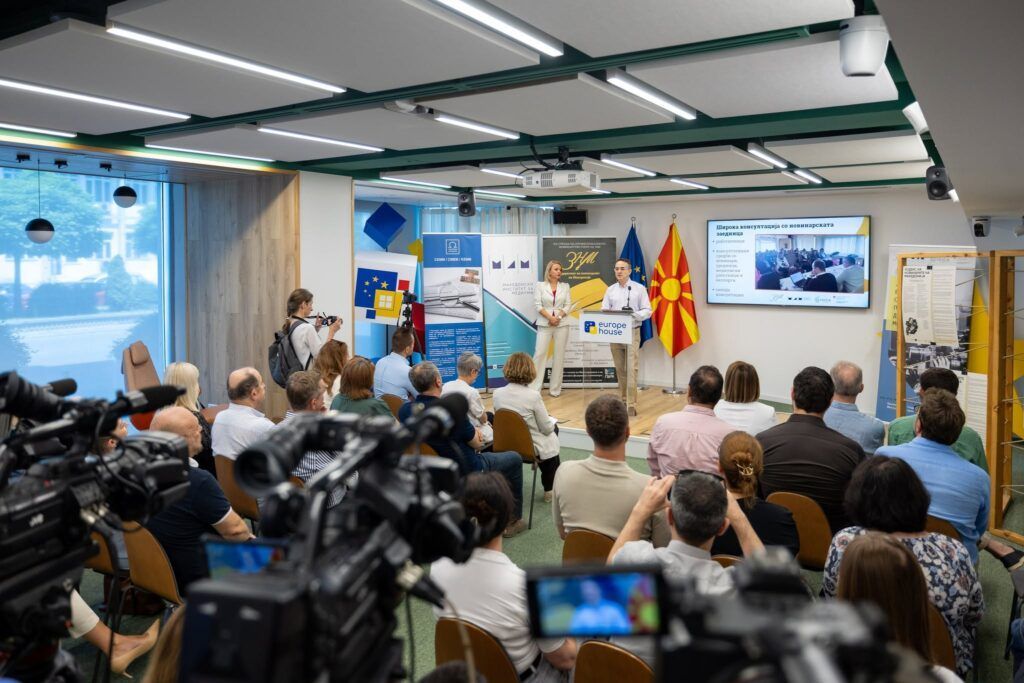
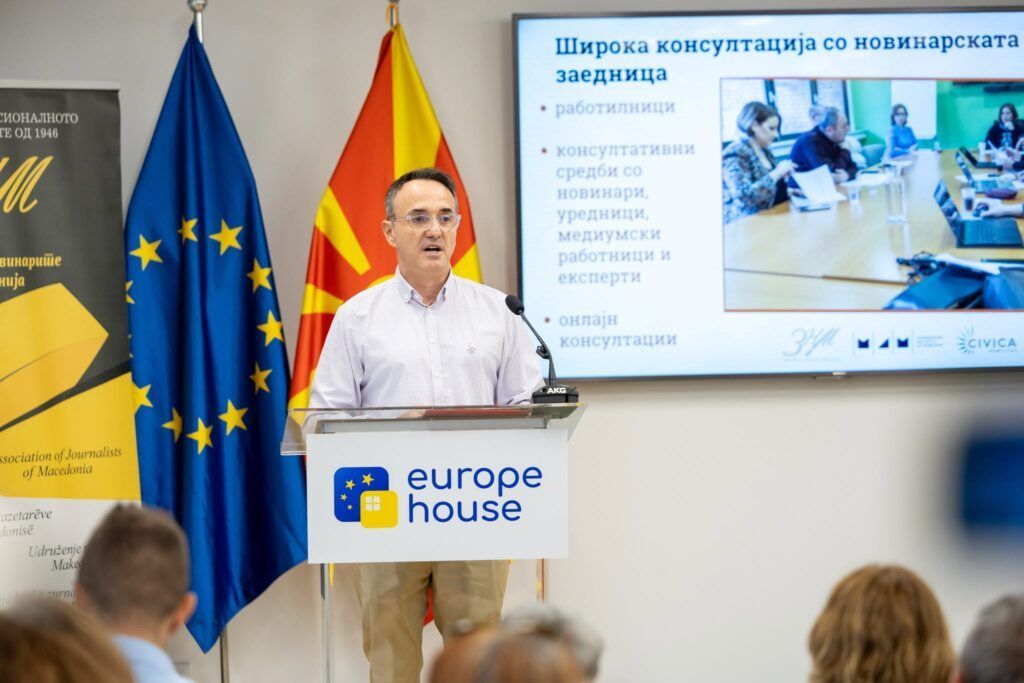
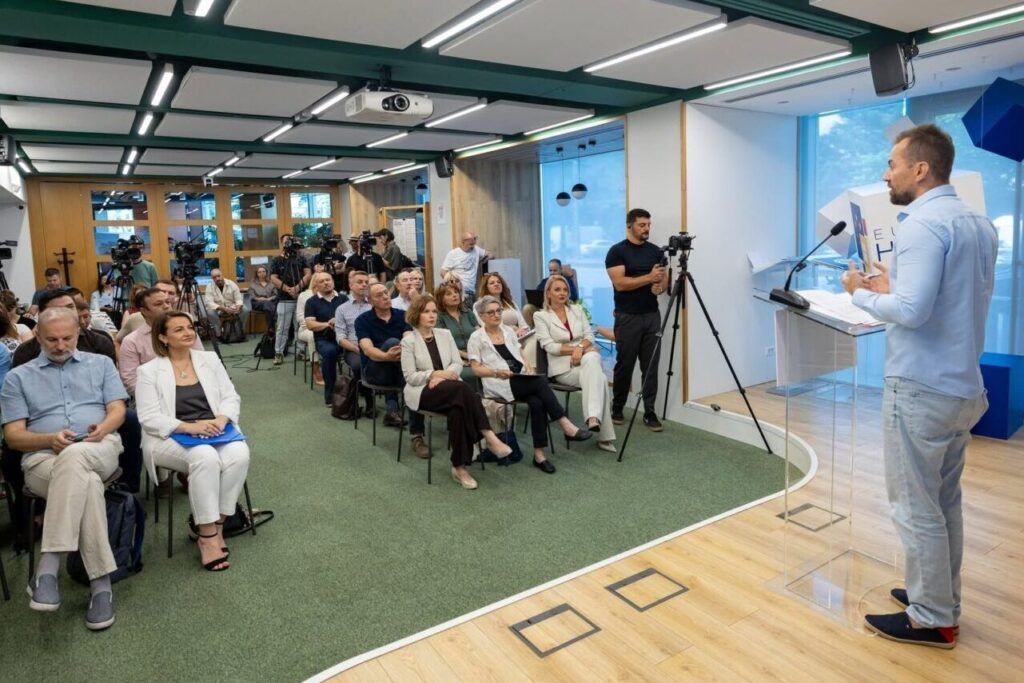
On the other hand, and still within the journalism world, the Association of Journalists in Macedonia, the Macedonian Institute of Media and the Council for Media Ethics of Macedonia promoted the new Code of Journalists of Macedonia, a result of an inclusive, multi-phased process within the project “Strengthening the Ethical Standards for Bigger Trust in the Media”. The code specifies the standards in a number of areas, such as use of artificial intelligence, checking of information, protection of vulnerable categories and reporting on suicide. The code is available at the web pages of AJM and MIM in eight languages.
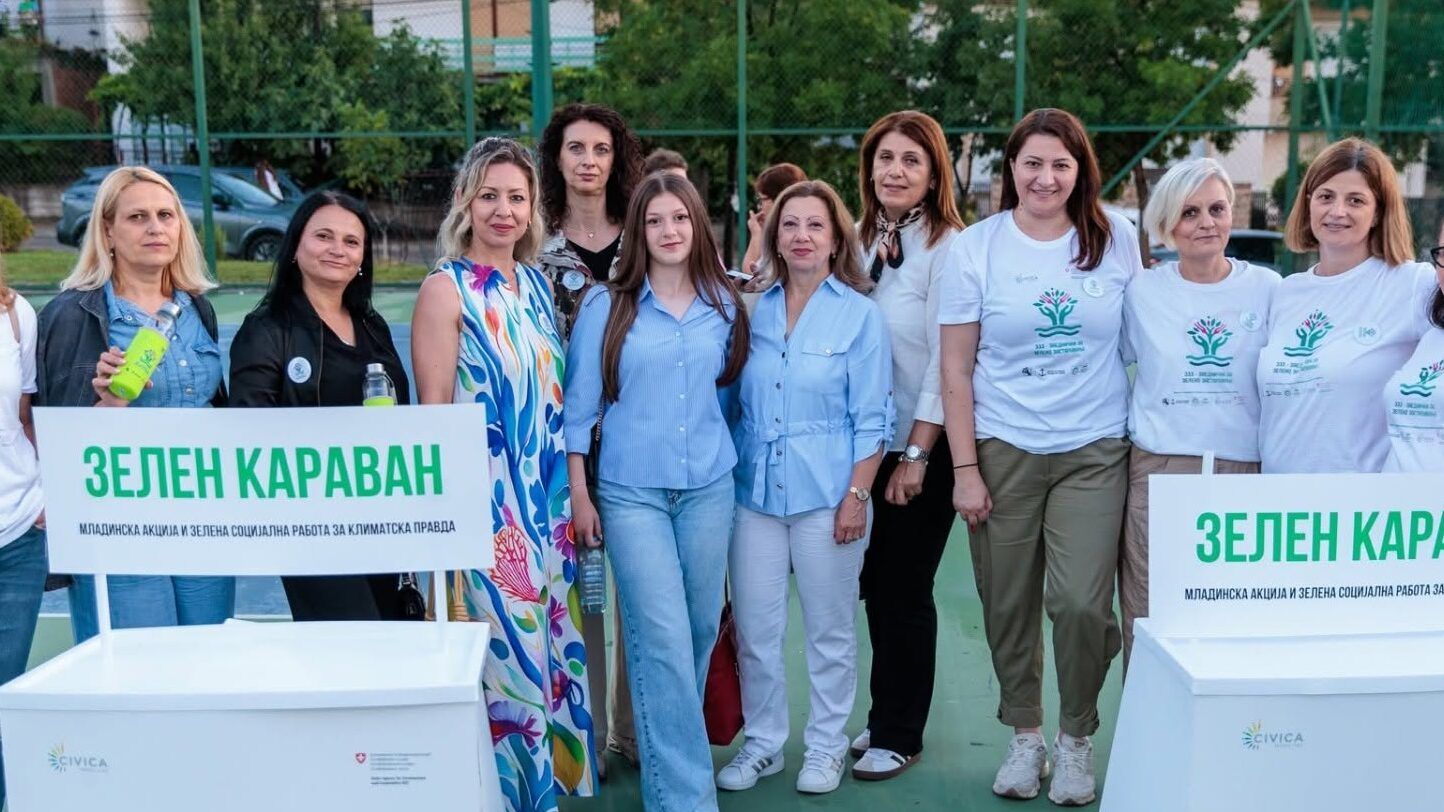
This July, the environment was discussed in the open, and the 2026 Green Caravan continued throughout the cities with music, laugher and educational contents for the citizens. The caravan stopped in Negotino, where the evening was spent in educational activities and talks on sustainable contents, with the moderator Ana Zafirova, stand-up performance by Nadica Petrova and PEPPERMINT music. The same format was taken to Shtip, where the children from “Vera Ciriviri-Trena” kindergarten also took the stage with an eco-recital, as well as the students of “Dimitar Miraschiev” primary school, with an eco-fashion presentation. The last stop for July was Strumica, implemented in cooperation with NOVUS Center for Research and Analyses. The caravan was part of the project “ZZZ – Together for Green Advocacy for Environment Protection”, which is implemented by KRIK Center for Youth Activism together with “Hope” Center for Social Initiatives and the Association of Social Workers of Macedonia.
Can community service for children become a tool for green changes? This is the question for the new CMA KRIK initiative, part of the same project. Although the measure is a legal requirement, it is still rarely implemented in practice. Therefore, the organizations propose that it is piloted as a sort of green social work, in the municipalities of Negotino, Demir Kapija, Rosoman and Kavadarci, where, instead of being limited to legal obligation, it becomes a possibility for the children to be included in maintenance and arranging of greenery, foresting and environmental actions.

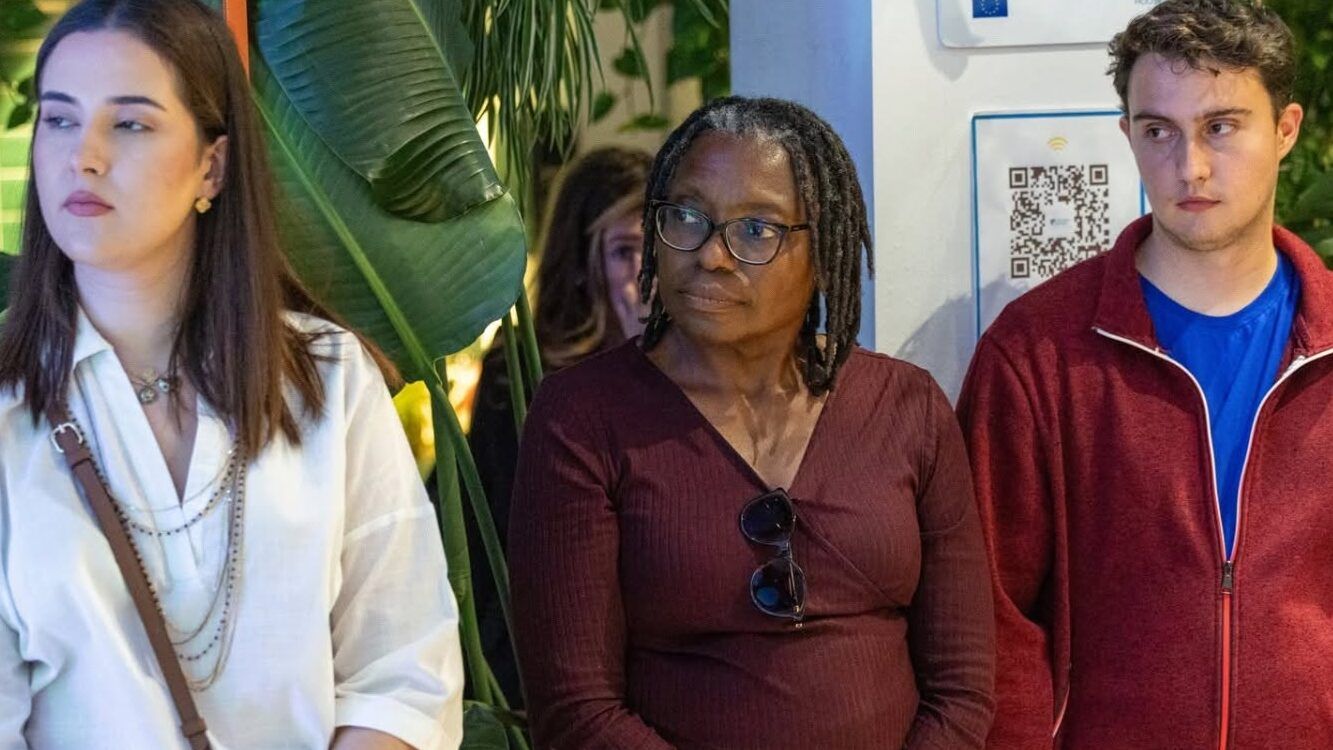
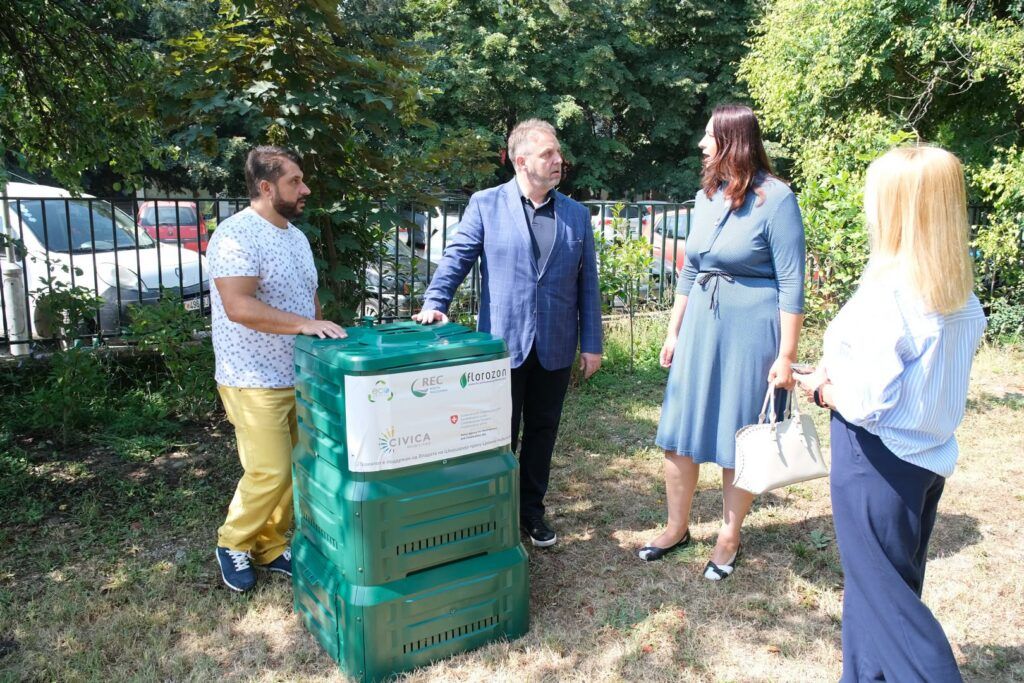
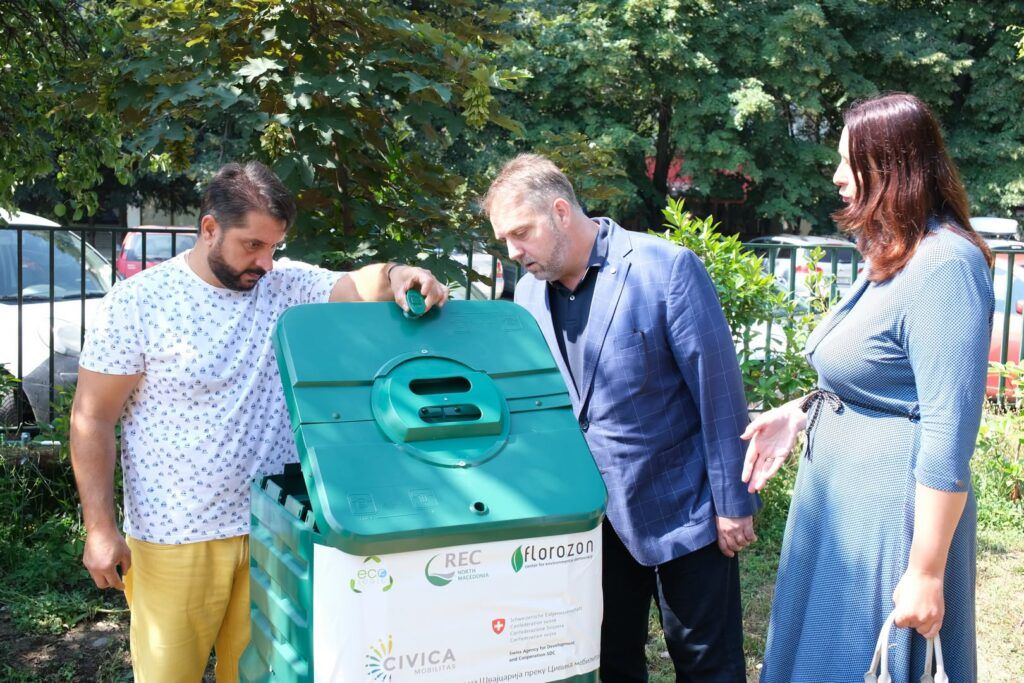
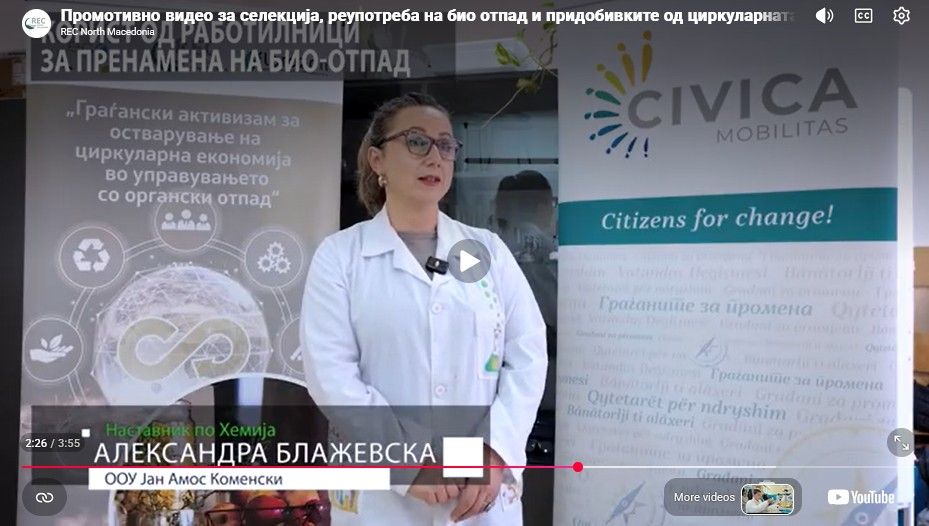
Care about green habits of the youngest has also continued in Skopje kindergartens. With donor support, via the project “Civic Activism for Implementation of Circular economy in Organic Waste Management”, implemented by the Resource Environment Center (REC), “Eco Logic” and “Florozon”, there was a donation of a composting set to “Orce Nikolov” kindergarten in the municipality of Karposh. The Mayor of the municipality was also present at the event, expressing his satisfaction with the initiative and visiting the children in the kindergarten. The composting set will enable that the organic waste in the kindergarten is properly selected and composted, and the children will be actively included in the process; with practical activities, they will learn how it is turned into natural manure. The organizations also prepared a new promotional video which stresses the importance of organic waste selection, and it is produced by experts, teachers and primary school students.
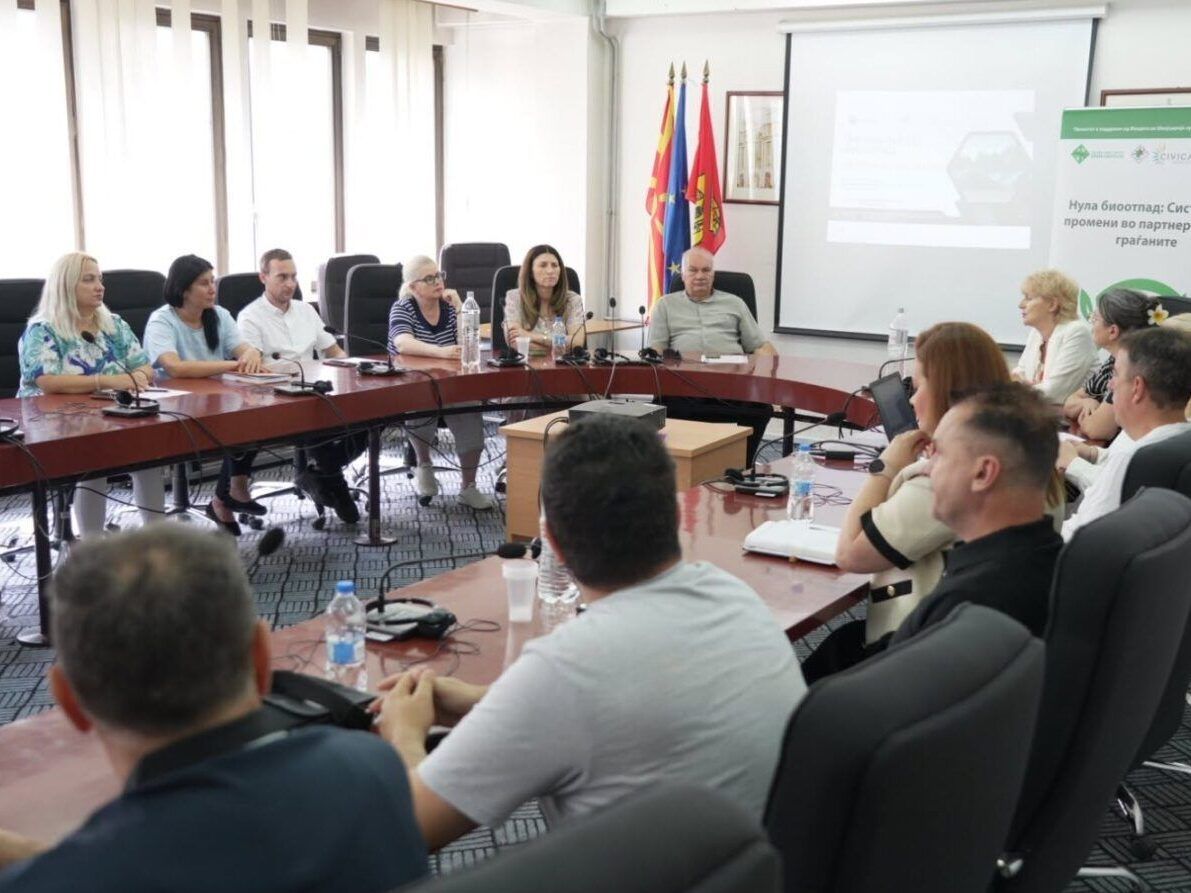
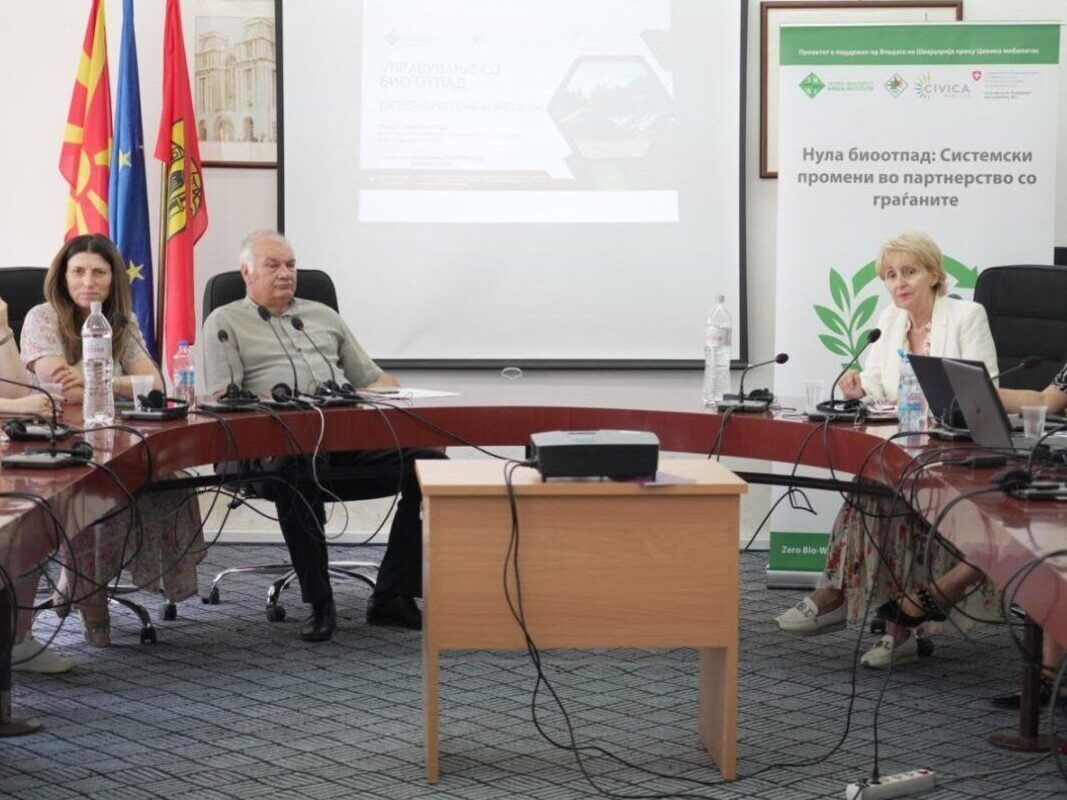
The circular economy was in the focus at regional level as well. The Green Institute, in partnership with the National Association of Private Forest Owners held two regional forums in July, as part of the project “Zero Bio Waste: Systemic Changes in Partnership with the Citizens”. At the Kumanovo forum on 2nd July, the results were presented according to which the Northeast region creates more than 40,000 tons of biowaste per year, and four days later, at Berovo forum, there was a research on the Eastern Planning Region presented; the bio waste amount is more than 86,000 tons per year. The participants of the two forums agreed that stronger institutional support is needed, as well as joint action for establishing a sustainable system for bio waste management.
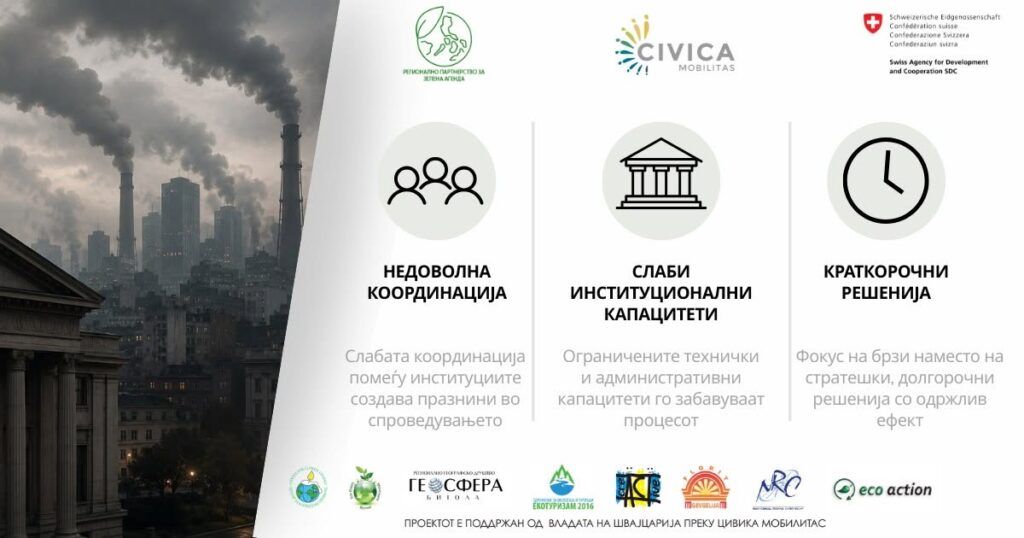
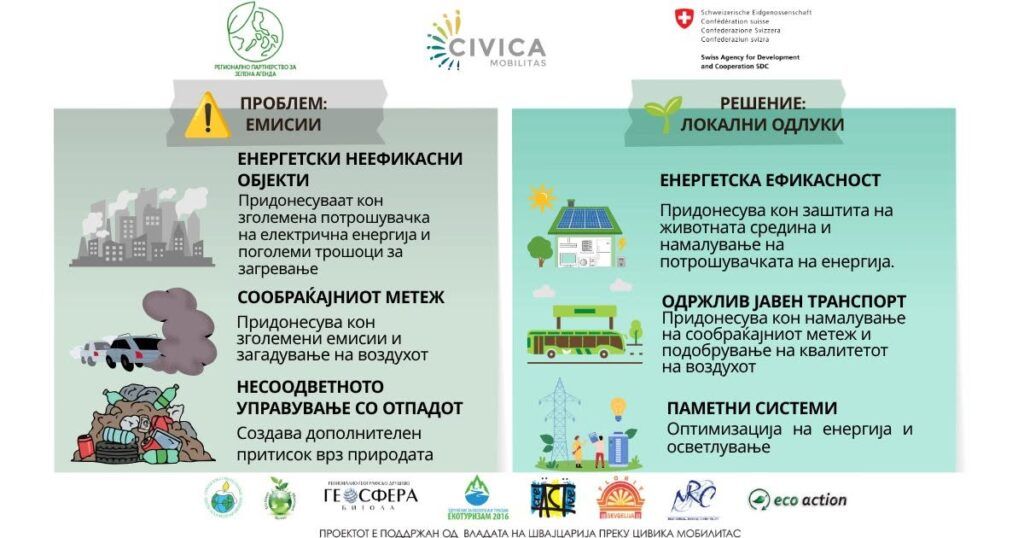
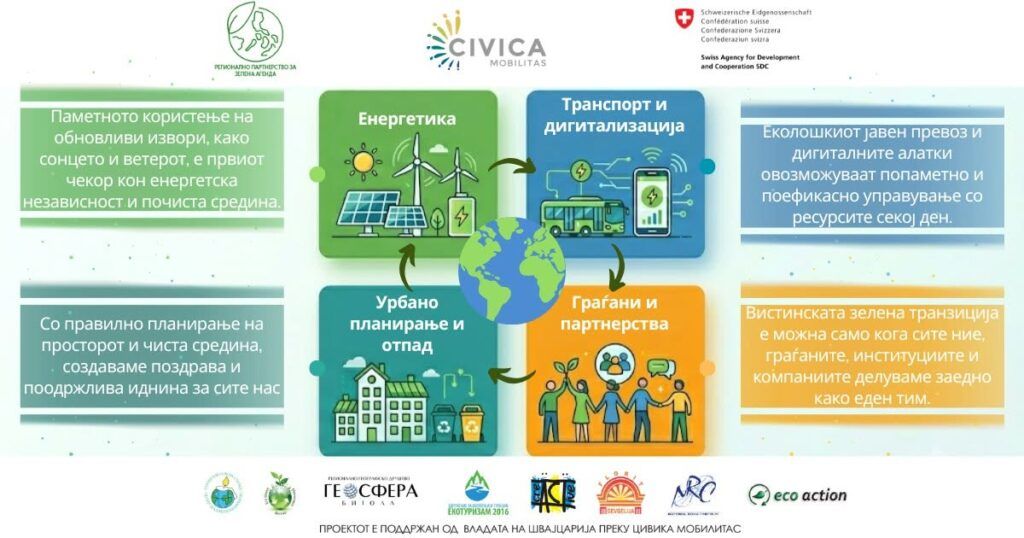
The broader image of the green transition was also shaped by the Center for Climate Changes, which focused on the topics about the situation in the country, starting from the unequal preparedness of the municipalities to manage climate changes, via institutional and systemic obstacles in policy implementation, up to the fact that decarbonisation actually starts from everyday local decisions. The joint message is that the real transition asks for stable institutions, coordination and involvement of all stakeholders. The activities are part of the project “Regional Partnership for Better Implementation of the Green Agenda at Local Level”, which the Center for Climate Changes implements together with seven more partners.
While the adults were searching for systemic solutions for the environment, the young people in Krushevo searched for their own solutions with the help of technology. From 6th to 8th July, 45 young people from Krushevo and Tetovo participated at the AI Ideathon “My Voice in My Town”, where they recognised challenges that the young people in their local communities recognise and they developed creative solutions with the help of the artificial intelligence. The result of the ideathon are local youth maps with needs, priorities and proposals for each municipality, which the participants presented with short presentations of their ideas. The project is implemented by Youth Alliance Krushevo, IRZ Macedonia and the Centre for Intercultural Dialogue.
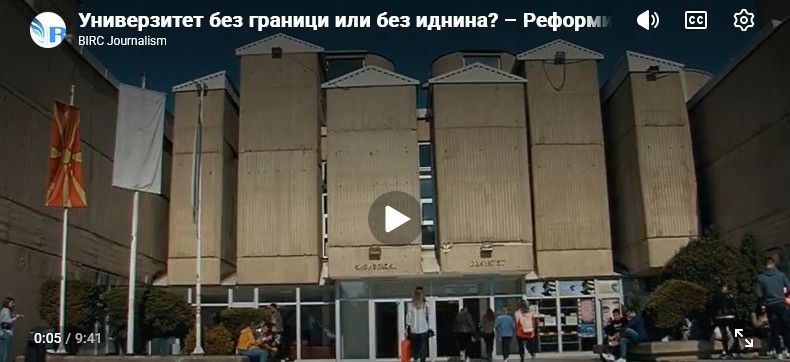
The question where youth education should lead has remained open at analytical level as well. The adjustment of the university programmes to the needs of the labour market has remained one of the main challenges of the higher education, as shown in the latest analysis of BIRC, Forum for Reasonable Policies and ISSHS. According to the Dean of the Faculty for Business and Economy at SEEU, Blerta Abazi, the problem is structural, because the universities change for years, while the labour market asks for new skills in couple of months. According to the latest data, more than 8,000 people with higher education in the country have been looking for jobs, while the employers report lack of practical and technical skills. The same topic is covered in more details by the documentary “University without Borders or without Future? Reforms that Are Late”, in which former ministers, rectors and experts research why the key reforms of the Bologna process have not been finished yet. Both the analysis and the documentary have been prepared within the project “Advocacy for Inclusive Development”.
The formal existence of rights and institutions does not automatically imply an effective protection, as shown in the new policy document of the Helsinki Committee for Human Rights. Despite the relatively developed legal framework, women from rural areas, LGBTI community members, women using drugs, sex workers, convicts and homeless women still face multiple and intersectional discrimination, economic dependence and lack of trust in the institutions. The document has been prepared within the project “Equality Now – Empowerment of Marginalised Communities for Social Inclusion and Non-discrimination”, which HCHR implements together with HOPS – Healthy Life Options and Margini Coalition.
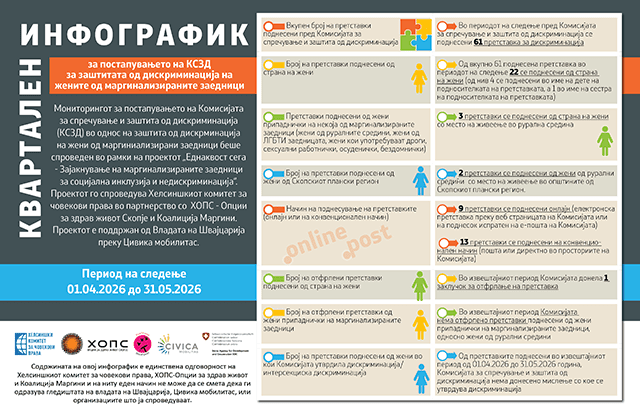
The figures confirm the same picture. According to the latest infographic, there were 61 complains on discrimination submitted to the Commission for Prevention and Protection from Discrimination in the period of 1st April to 31st May 2026, 22 of which are by women. At the same time, HCHR published the analysis for implementation of the Law for Prevention and Protection from Discrimination for the period of 2023-2026, which shows no positive changes in the legal framework. On the contrary, the changes in the Law of Primary Education have derogated the regulations for protection from discrimination. The analysis paid special attention to the selection of the Commission members, a process which has been constantly pointed out by CSOs as one resulting in candidates selected according to political party affiliation rather than according to legal criteria.
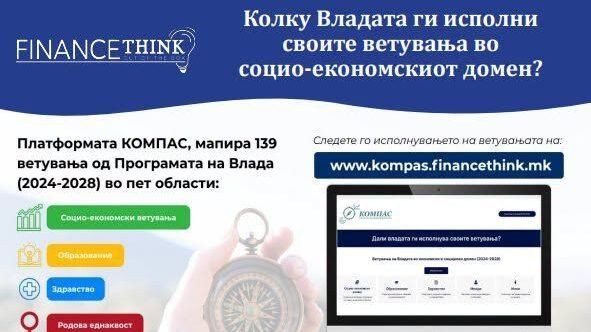
The responsibility of the institutions towards the citizens was measured by Finance Think. The latest policy brief no. 80 shows a mixed picture. The key macroeconomic indicators move in a relatively favourable direction, but there are underachievements in the promises that directly influence the living standard of the citizens. Half the mandate, only 11% of the promises have been fully fulfilled, and the analysis shows that the government has achieved bigger progress with the macroeconomic stability than with the promises that ask for deeper structural reforms. The brief has been prepared within the project “Bridging the Gap between Political Promises and Fulfilment in Four Development Areas”.
“Societas Civilis” Institute for Democracy – Skopje has informed about the progress of the project “Local Inspectors under Magnifying Glass: Promotion of Legality and Accountability of Local Inspection”, which they have implemented since the beginning of the year, together with the Institute for Sociological and Political and Legal Research (ISPPI). So far, there have been more than 1,500 pieces of information collected from 95% of the municipalities in the country, and more than 50 legal documents have been analysed. There will be four analytical documents coming in the next period, there will be a public event at which the key findings and recommendations will be presented, as well as training for journalists to use the data for investigative journalism.
From community media to composting in kindergartens, from young people’s ideas to analyses of education and justice, July activities of Civica Mobilitas grantees confirm that the civil sector remains alive and active in the summer months as well, always on the side of the citizens and their everyday needs.