
World Health Day: What Is the Reality for Women, Girls and Vulnerable Groups in the Field?
The World Health Day this year is under the topic “Healthy Beginnings, Hopeful Future” – a message that reminds us that health is the foundation of each story of development and dignified life. However, what does this mean in reality for the women, girls and vulnerable groups?
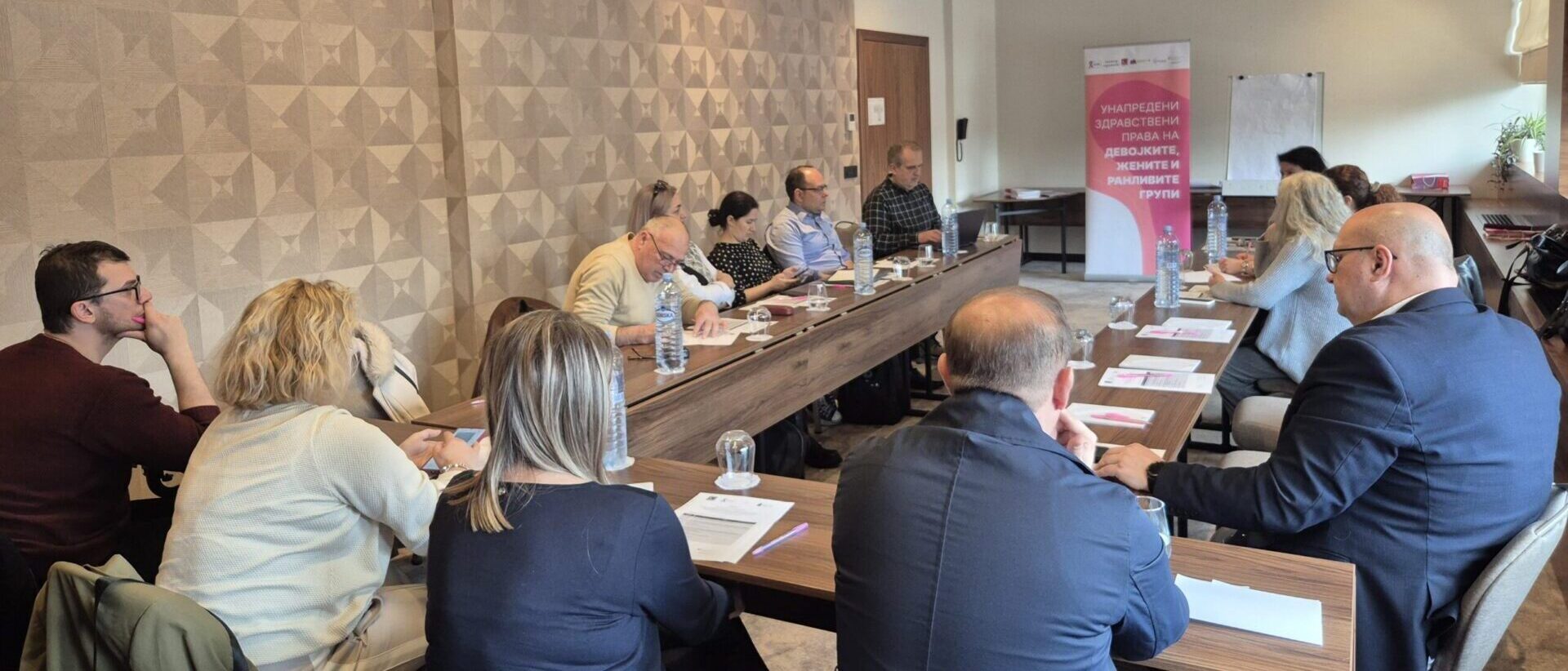
For many people, access to preventive health care is still not a guaranteed right, but rather a privilege depending on the socioeconomic status, place of living or personal circumstances. Women and girls face a lack of accessible and quality services, especially when it comes to reproductive health, screening programmes and preventive check-ups. With the vulnerable communities, this reality is even harder, as lack of appropriate information, financial barriers and discrimination often make the health care services unreachable.
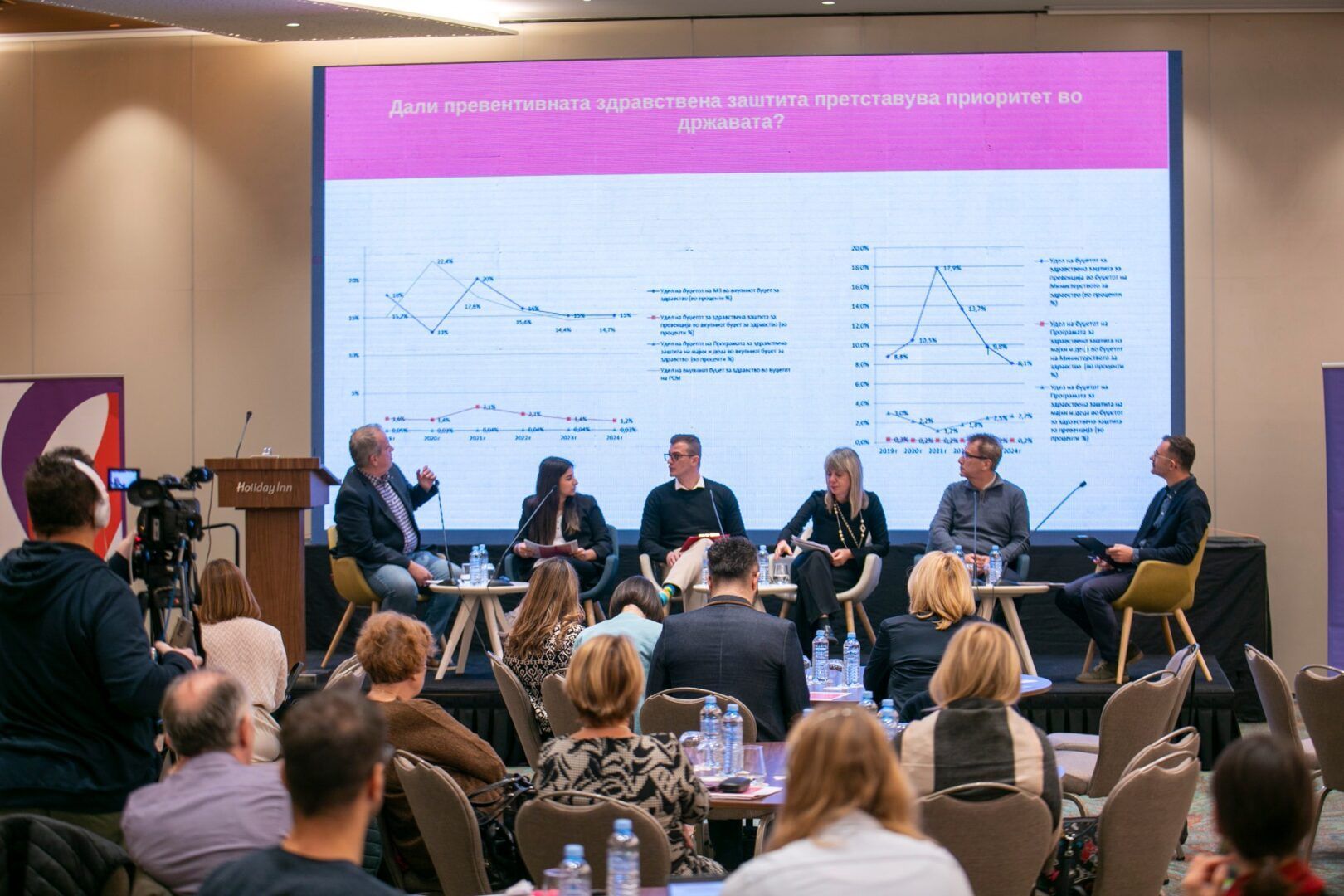
The investments in health, especially in the preventive programmes, are of key importance for long-term improvement of the public health; nevertheless, investments in this sector remain limited. Since 2019, the state has allocated on average only 10% of the Ministry of Health budget for prevention programmes, with the exception of 2021, when this percent was temporarily increased to 18%. Instead of a continuous growth, the prevention programmes budget has decreased in the course of the last years, especially in the area such as malignant diseases screening and prevention from contagious diseases. For example, the HIV prevention budget was MKD 49,100,000 in 2019, while it has been decreased for more than 60% in 2023 and amounted to MKD 19,469,000, which has significantly limited the availability of these services for real prevention.
Women, girls and vulnerable groups most often face the biggest challenges when it comes to access to quality health services. Although the goal of the National Programme for Early Detection of Cervical Cancer is to cover 75% of the women aged 21 to 59, according to the Analysis of the Programme for Early Detection and Screening of Malignant Diseases conducted by the civil sector, in reality, only 15% were tested in the last three years. With breast cancer screening, the figures are even lower – less than 10% of the women aged 50 to 69 have been covered by a mammographic check-up.
Although the infant mortality rate has been decreasing, women, especially in rural areas and vulnerable communities, such as the Roma ones still face serious obstacles. In the country, there are only around 160 gynaecologists in the primary care, unequally distributed which means that many women do not have access to regular check-ups during their pregnancy. The preventive gynaecological health care is late, thus endangering not only the reproductive health, but also the general health of women. There is an inappropriate coverage of women by patronage nurses during their pregnancy and after the delivery, first of all because of the existing problems that this service faces.
The situation with the children is similar; there are only 110 paediatricians in the primary care and a decreasing vaccination rate, especially with the MRP vaccine, making the danger of epidemics real. At the same time, the Ministry of Health has cancelled the key educational and promotional activities of the Programme for Active Protection of Mothers and Children, the campaigns for vaccination promotion, as well as the activities for supporting the work of the patronage nurses.

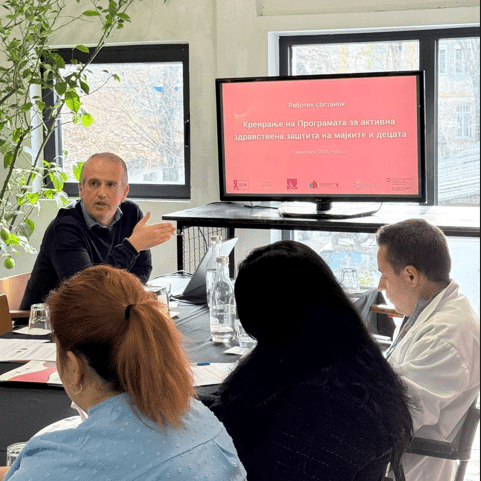
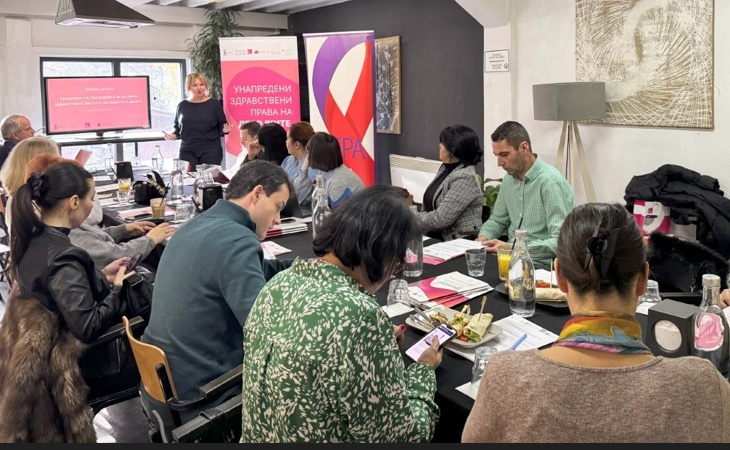
Additionally, the analyses have shown that 46% of the pregnant women in the rural areas have not made a single checkup in the first three months of their pregnancies, although the timely health care during the pregnancy is crucial for the health of the mothers and new-borns. As many as 30% of the mothers have not received any information about the importance of the screening tests for hearing and sight with the new-borns, according to our Analysis of the Programme for Active Health Care of Mothers and Children.
Therefore, we have been advocating for changes with the institutions at all times, so that they provide: available gynaecological and paediatric care at primary level at the complete territory; strengthening the work of the patronage services and teams for preschool and school-age health care; return and promotion of health education, support to breastfeeding and increased coverage of vaccination; increased budget funds for prevention programmes – Programme for Active Health Care of Mothers and Children and Programme for Cervical Cancer Screening; active involvement of the citizens and CSOs in the creation and monitoring of health policies.
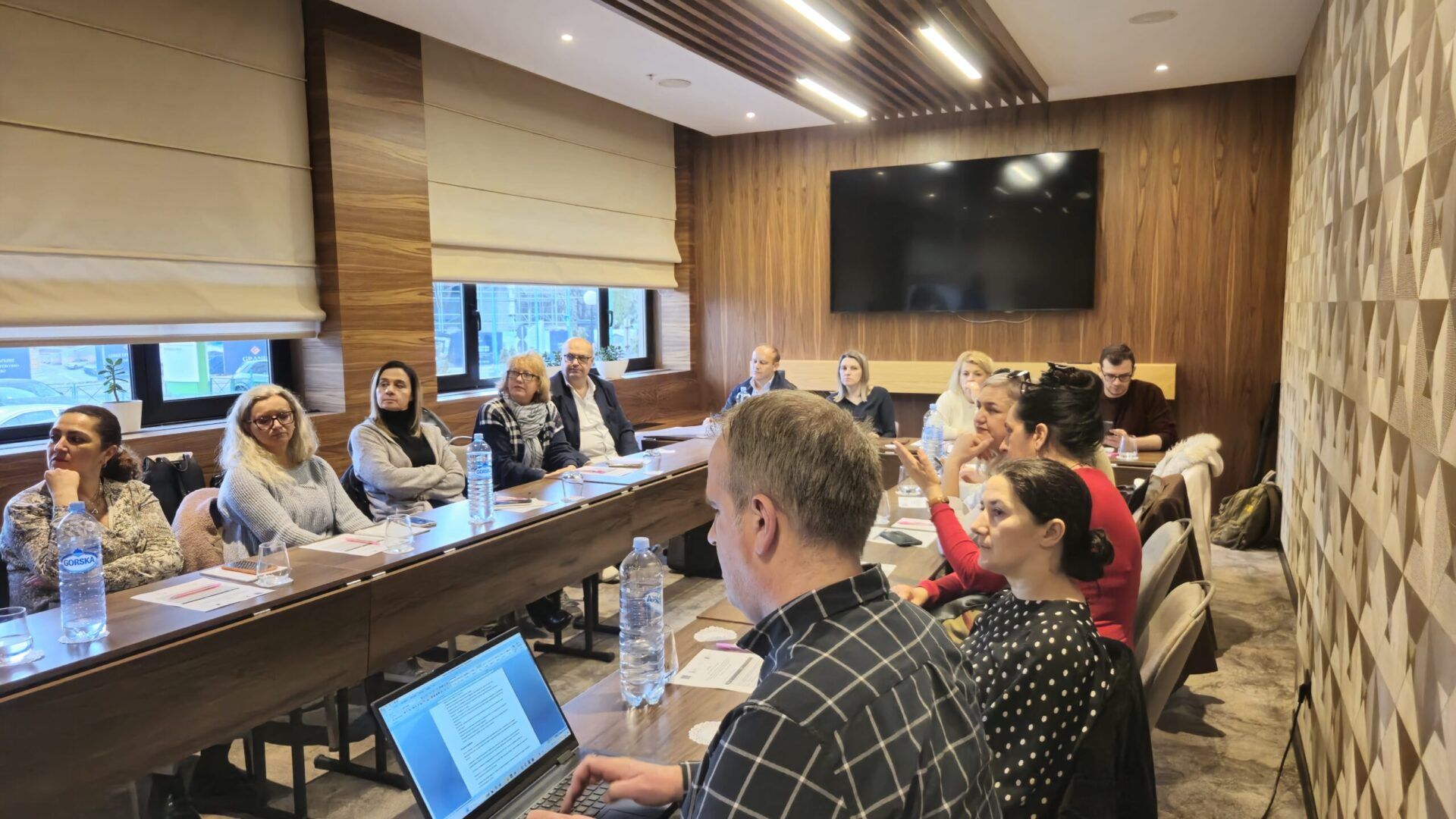
The World Health Days is not only an occasion for discussion, but also a reminder that health has to be a priority every day. The healthy beginning is not a privilege – it is a right. This right has to be guaranteed for every woman and every child. Therefore, ESE, HERA and the Women’s Initiative from Shuto Orizari stress the need for the state to provide equal and available access to health care for women, mothers and children in Macedonia. Only in this way can be build a hopeful future for all.
The activities are part of the project “Advancing the Health Rights of Women, Girls and Vulnerable Groups” that is implemented by HERA – Association for Health Education and Research, in partnership with the Association for Emancipation, Solidarity and Equality of Women – ESE, the Association Initiative for Women’s Rights from Shuto Orizari and the Association for Support to People Living with HIV – Stronger Together Skopje. The project is supported by the Swiss Government via Civica Mobilitas.
![[Aggregator] Downloaded image for imported item #51694](https://civicamobilitas.mk/wp-content/uploads/2026/10/1_cover-600x400-1.jpg)
![[Aggregator] Downloaded image for imported item #51442](https://civicamobilitas.mk/wp-content/uploads/2026/10/VACANCY_Comms-officer-600x400-1.png)