
Civic Impulse #20 – Monthly Overview of Grantees’ Activities
AUGUST 2026
August was another eventful month for the grantees of Civica Mobilitas, who through various activities demonstrated that civic participation is a daily, rather than a one-time process. It seems that over the past month, most activities were dedicated to the environment and climate change, but topics related to youth, education, enabling environment, and similar areas were not left behind.
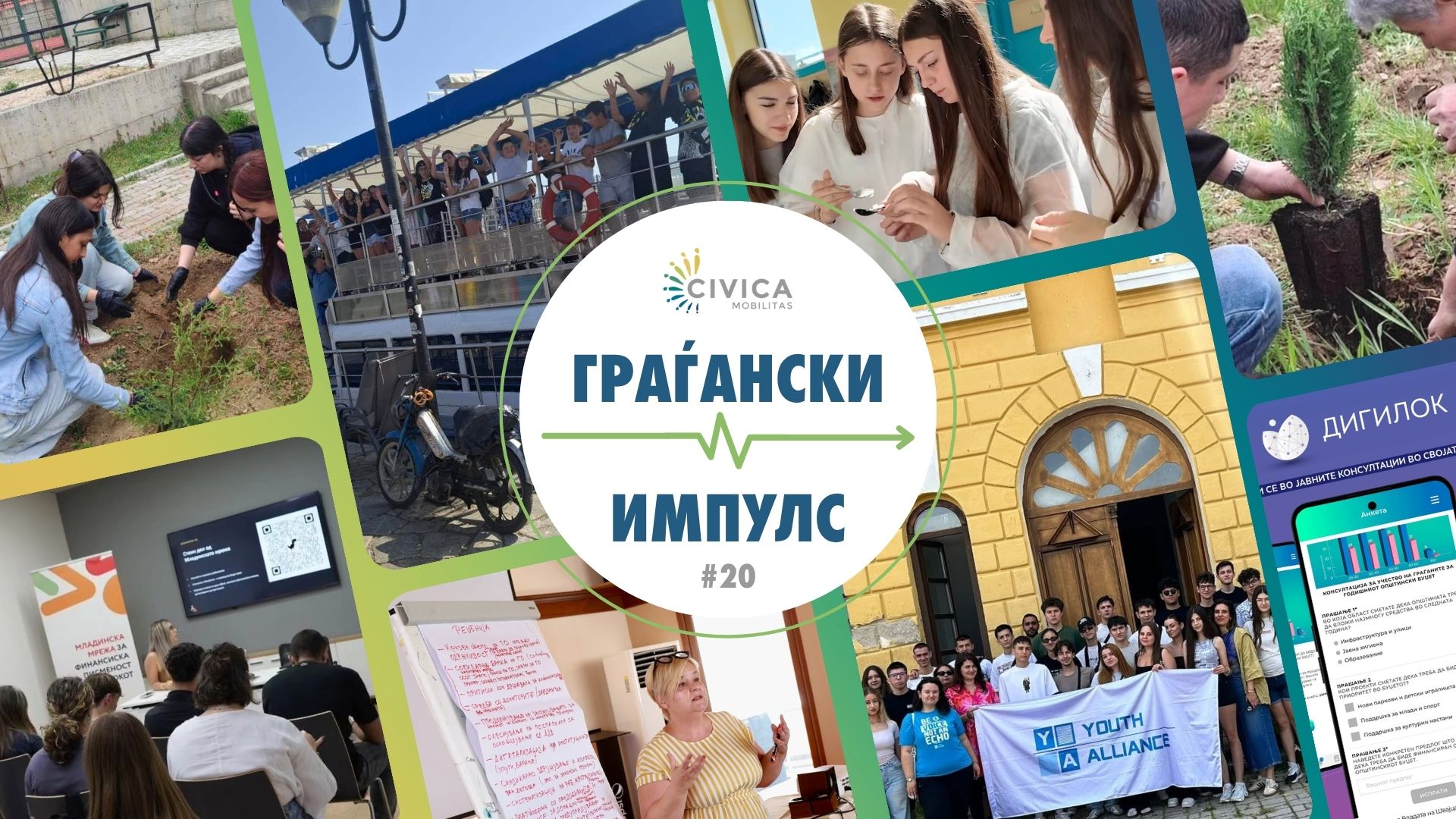
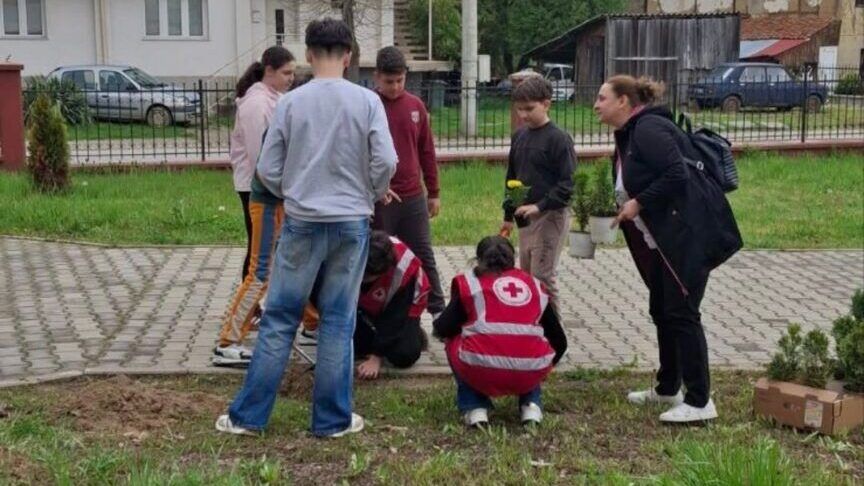
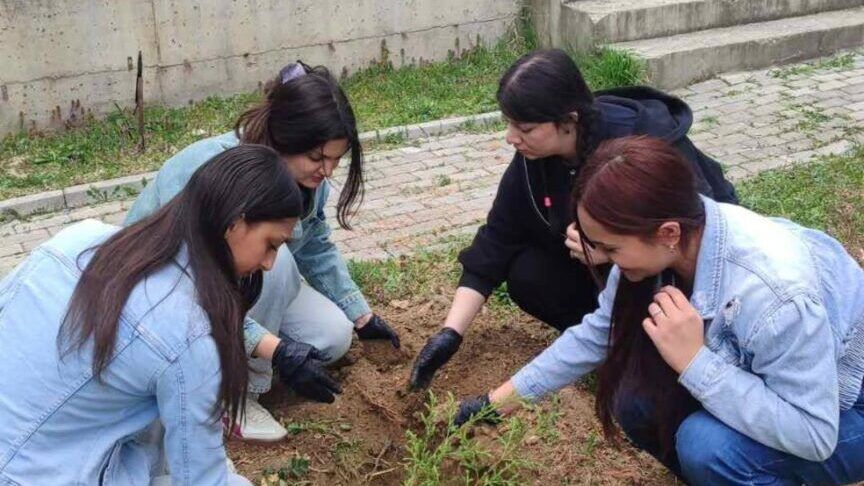
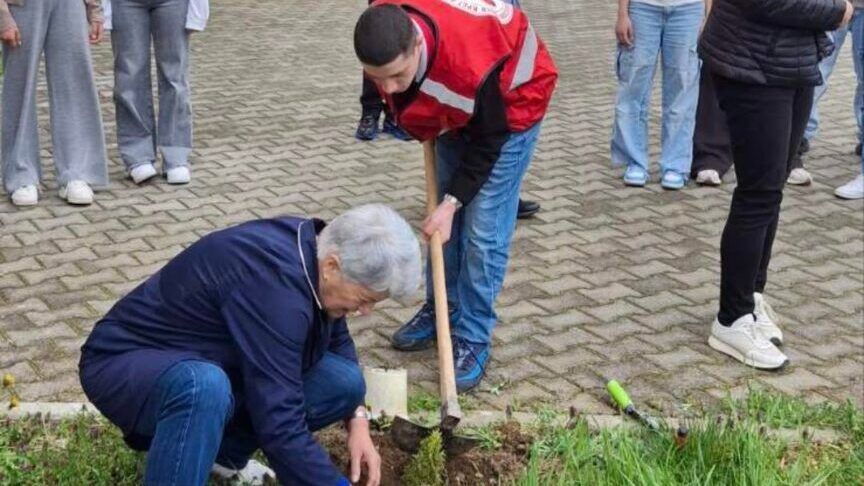
The Center for Youth Activism “KRIK” shared a series of activities accomplished through the project “ZZZ – Jointly for Green Advocacy for Environmental Protection”. Through the initiative “Recognize the Problem, Create a Solution, and Take Initiative for a Cleaner Local Environment“, 24 high school students from Tetovo and Gostivar identified the main environmental challenges in the Polog Region and developed several youth solutions. The “Circular Park” initiative at the primary school “Dedo Iljo Maleshevski” in Berovo showed how green social work can connect the school, students, institutions, local community, and volunteers around a common goal: a healthier, greener, and more beautiful environment. Sixth and eighth-grade students actively contributed to creating a new green corner while gaining knowledge about nature, environmental protection, and their role in building a sustainable community. The initiative “Clean and Green Schoolyard – For a Healthy and Inclusive Community” brought together around 30 students from SUGS “Shaip Jusuf” in the municipality of Shuto Orizari, who actively participated in clearing and arranging the schoolyard, where they planted 16 new saplings.
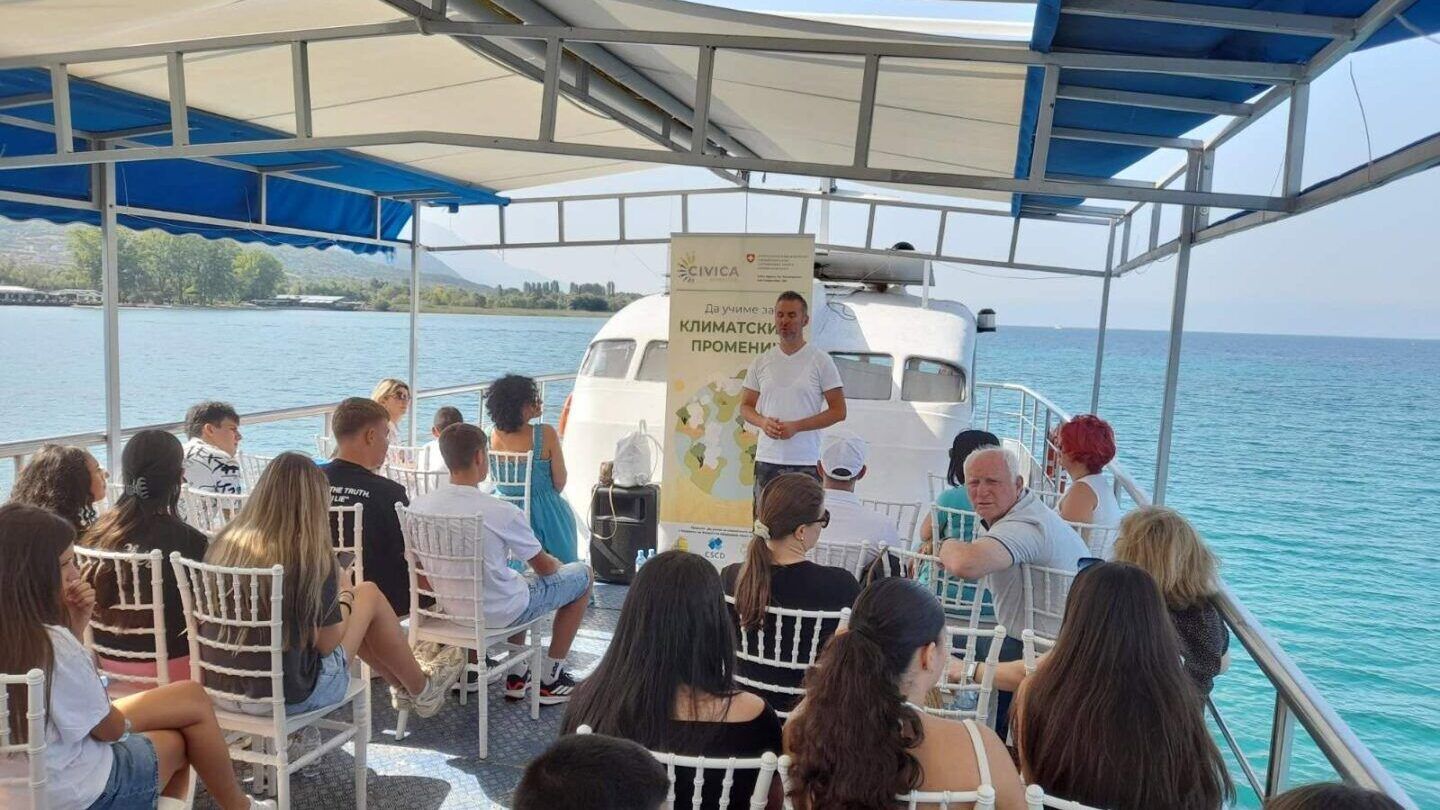
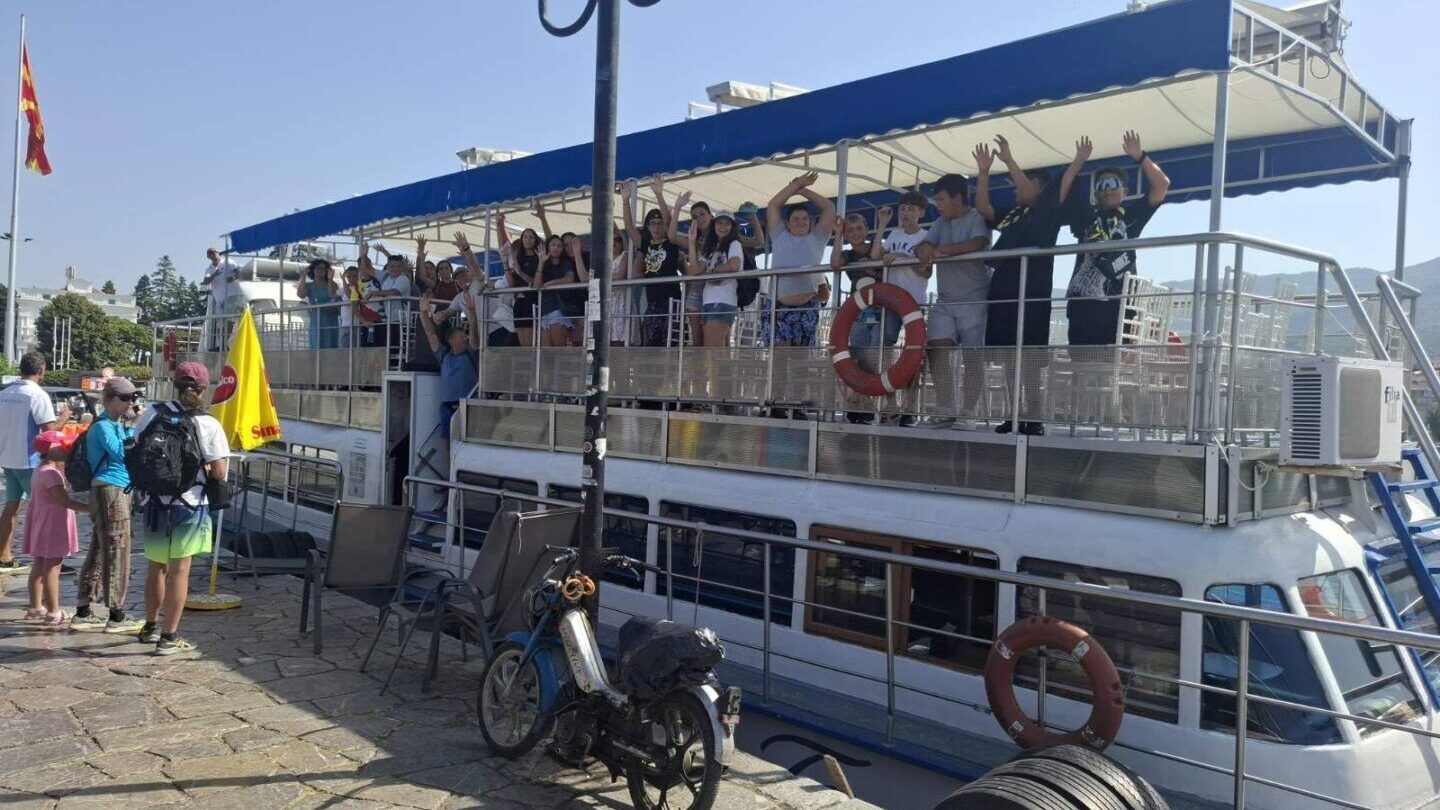
Through the project “Let’s Learn About Climate Change”, the Scout Detachment “Krste Jon” from Struga, the Center for Sustainable Community Development from Debar, and the Regional Green Center Ohrid organized an educational boat ride on the vessel “Galeb” on August 31. Participants included students from the primary schools Vancho Nikoleski, St. Kliment Ohridski, and Hristo Uzunov from Ohrid, high school students from “28 Novembra” from Debar, and scouts from “Krste Jon” from Struga. They had the opportunity to observe parts of the reed belts of Lake Ohrid directly from the boat, socialize, and share experiences.
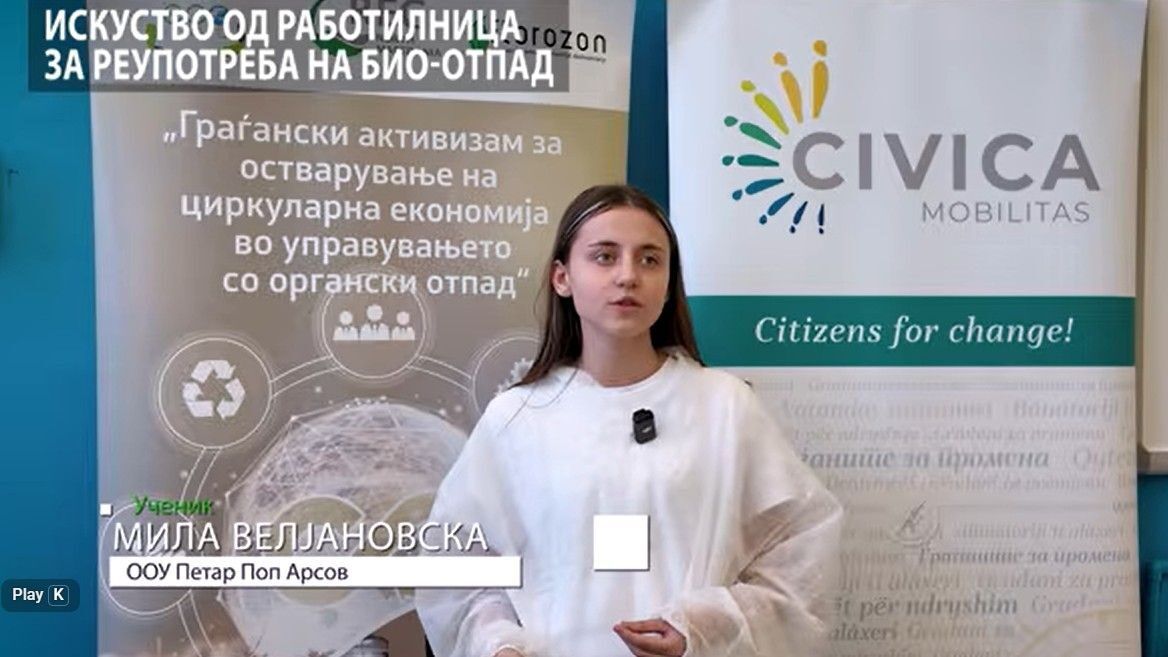
A promotional digital campaign featuring educational and informative content on the benefits of organic waste was shared by the Resource Center for Environment (REC), in partnership with “Eco Logic” and “Florozon”, aiming to encourage citizens to take immediate action regarding proper waste sorting. The video, part of the project “Civic Activism for Achieving a Circular Economy in Organic Waste Management”, featured teachers and primary school students where the project’s educational workshops took place. Eco Logic also shared videos recorded during workshops and the testing of green business ideas with primary school students in the municipalities of Karposh, Gjorche Petrov, and Kisela Voda, where youth learned how bio-waste can be transformed into a resource and an opportunity for sustainable development.
The Center for Climate Change, together with “Ecotourism 2016” from Ohrid and in cooperation with Prof. Dr. Bojan Simovski, developed a Protocol for the identification, control, removal, and long-term monitoring of the invasive species Ailanthus altissima (tree of heaven) at the archaeological sites of Upper Gate in Ohrid and Heraclea Lyncestis in Bitola. The protocol establishes practical guidelines for mapping, safe removal, preventing re-spread, and restoring native vegetation to preserve the natural and cultural values of these areas in the long term.
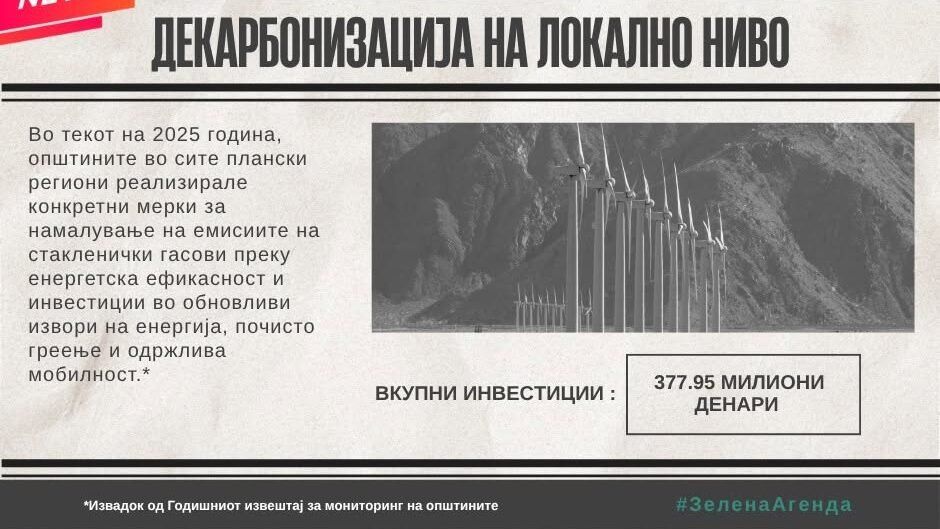
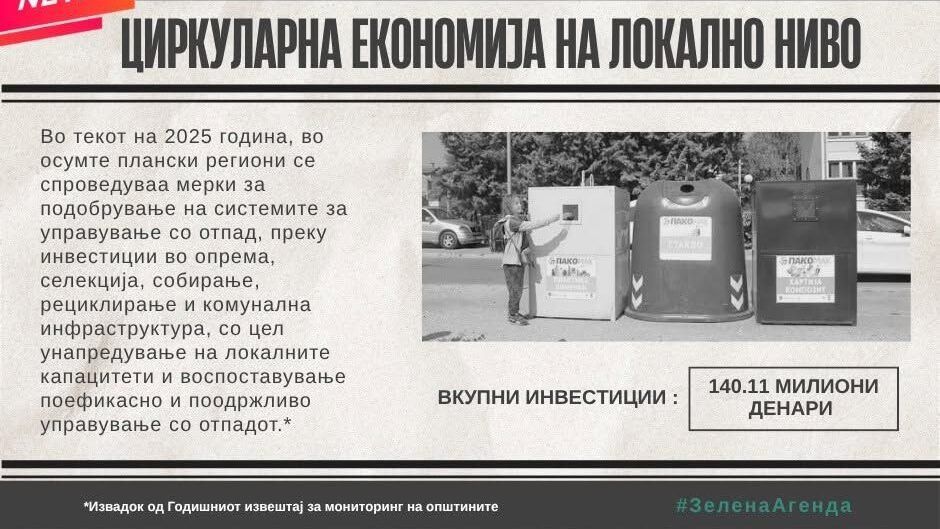
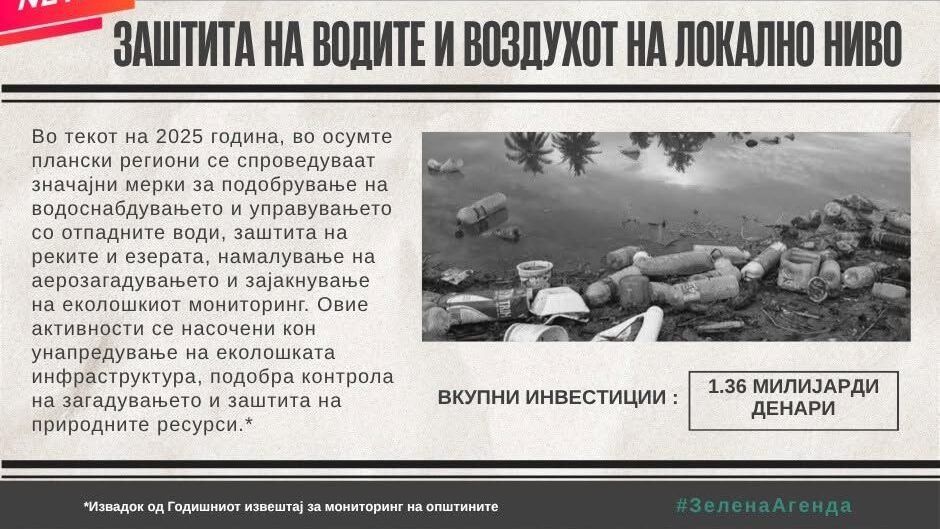
CCC also published a series of analyses on green investments across the eight planning regions. According to the decarbonization report, at least 377.95 million denars were invested or planned for energy efficiency measures, photovoltaics, cleaner heating, and sustainable mobility, with the largest single investment being 191 million denars by the Municipality of Centar for smart LED lighting. The water and air protection report shows that at least 1.36 billion denars were invested in water supply and sewerage infrastructure, wastewater treatment, and the protection of rivers and lakes, with increasing use of sensors, drones, and nature-based purification solutions. On the other hand, the circular economy report indicates that at least 140.11 million denars were directed toward utility vehicles, primary waste sorting, composting, and recycling, along with the gradual introduction of eco-islands and separate collection of organic, textile, and electronic waste. In these analyses, developed with partner organizations for the project “Regional Partnership for Better Implementation of the Green Agenda at the Local Level”, CCC concludes that the next step is connecting these measures into functional regional systems with measurable targets.
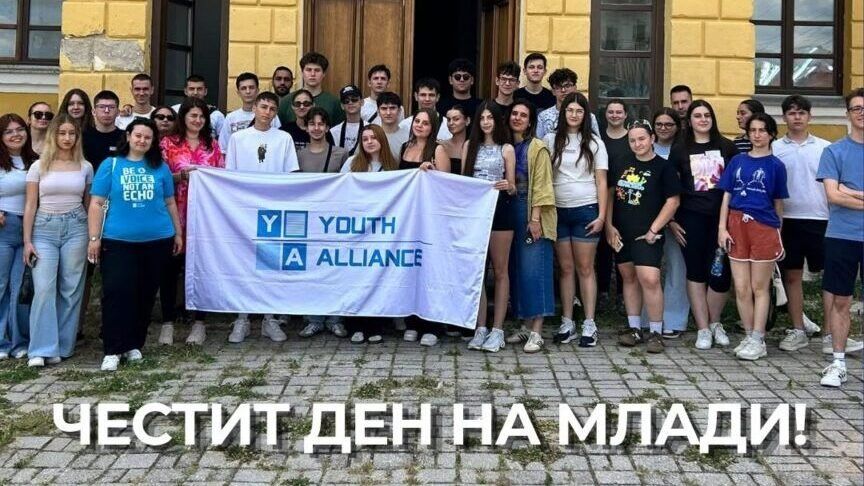
The Civica Mobilitas community includes many dedicated and active young people. Therefore, for International Youth Day, together with Youth Alliance Krusevo and project partners, we decided to mark this year’s theme, “Different Contexts, Common Aspirations”, through a joint publication for the project “My Voice in My Town”. This project involves youth from Krusevo, Kumanovo, and Tetovo who, despite differences in their living environments, actively participate in local decision-making. According to the implementers, 45 young people have so far mapped challenges in their communities, generated ideas, and developed prototypes using an AI tool, sending concrete recommendations for improvement to their municipalities.
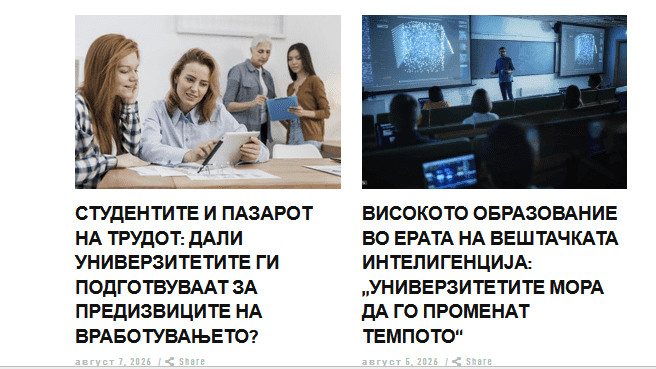
BIRC published a series of new materials from the project “Advocacy for Inclusive Development” dedicated to the state of higher education in the country. In the analysis on the alignment of study programs with the labor market, journalist Goran Lefkov warns that university programs still rely on outdated models, citing the healthcare sector as an example where up to 2,000 doctors graduate each year, yet staff shortages have never been greater. In the text on higher education in the era of artificial intelligence, university assistant Besnik Xhezairi warns that universities must not prepare youth for yesterday’s labor market, but for tomorrow’s. Regarding the accreditation system, IOHS-S director Marjan Bojadziev points out that re-accreditation still focuses on technical criteria rather than program relevance, while student Luiza Residi notes in her review that universities pay more attention to issuing diplomas than preparing qualified personnel. Through a personal story as a student, Enis Shaqiri’s column describes a university lacking basic equipment and literature, asking whether the new legislative package for higher education will bring real change or remain another promise on paper.
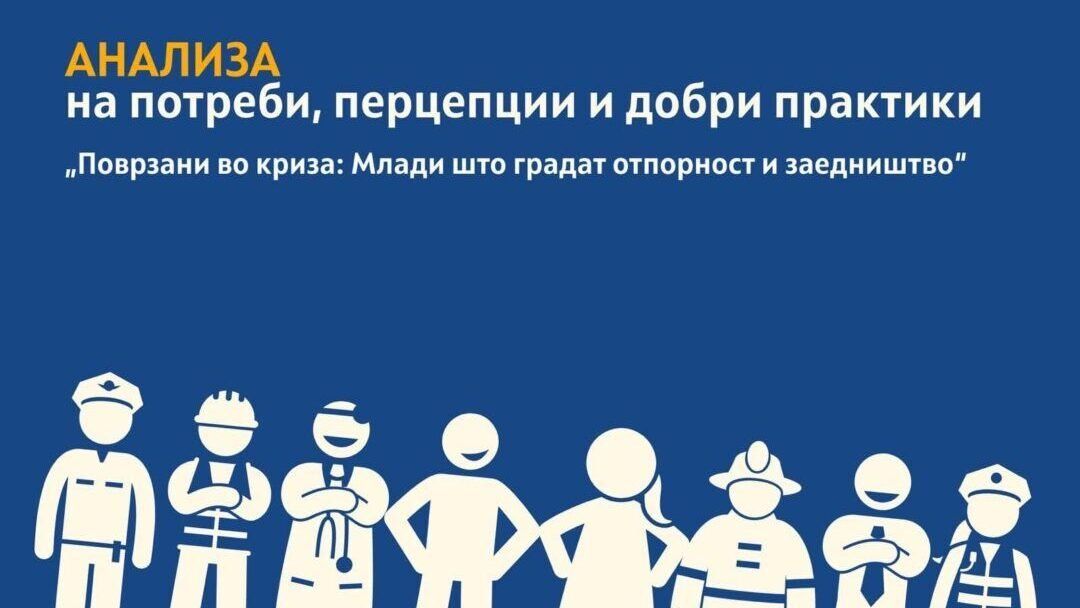
“Youth Can” and “Supportko” Kochani, through the project “Connected in Crisis: Youth Building Resilience and Togetherness“, published the “Needs, Perceptions, and Good Practices Analysis”, focusing on how young people perceive and cope with crisis situations. Findings show that youth demand greater psychological support, more information, and safe spaces, but institutions still respond inadequately to these needs, alongside a lack of trust and coordination among stakeholders. On the other hand, the analysis shows that youth have great potential to be active during crises, especially through volunteering, provided training and clear mechanisms for their involvement exist. The publication recognizes youth centers and organizations as a bridge between youth and institutions, with the full document available on the organization’s website.
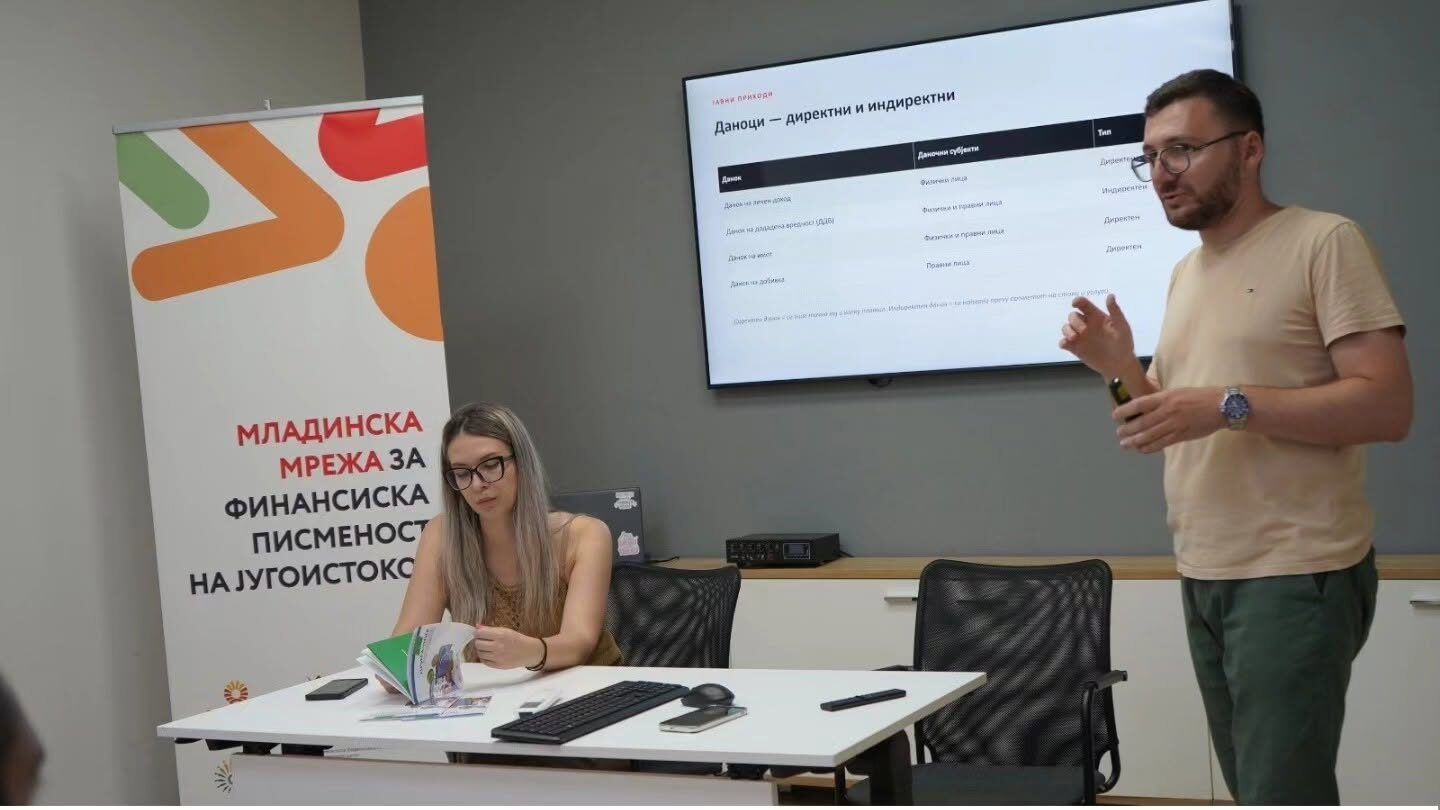
“Novus” from Strumica held a final event for the project “Youth Network for Financial Literacy in the Southeast”. The event presented the achieved results and experiences from implementing the project, with special attention given to the Financial Literacy Handbook—a practical tool through which young people can gain knowledge about budgeting, saving, and responsible borrowing. Guidelines for the future operation of the youth network EduFin Hub were also presented, ensuring it continues to serve youth beyond the project, which was implemented in partnership with Promo Idea from Strumica and “Kruna Plus” from Radovish.
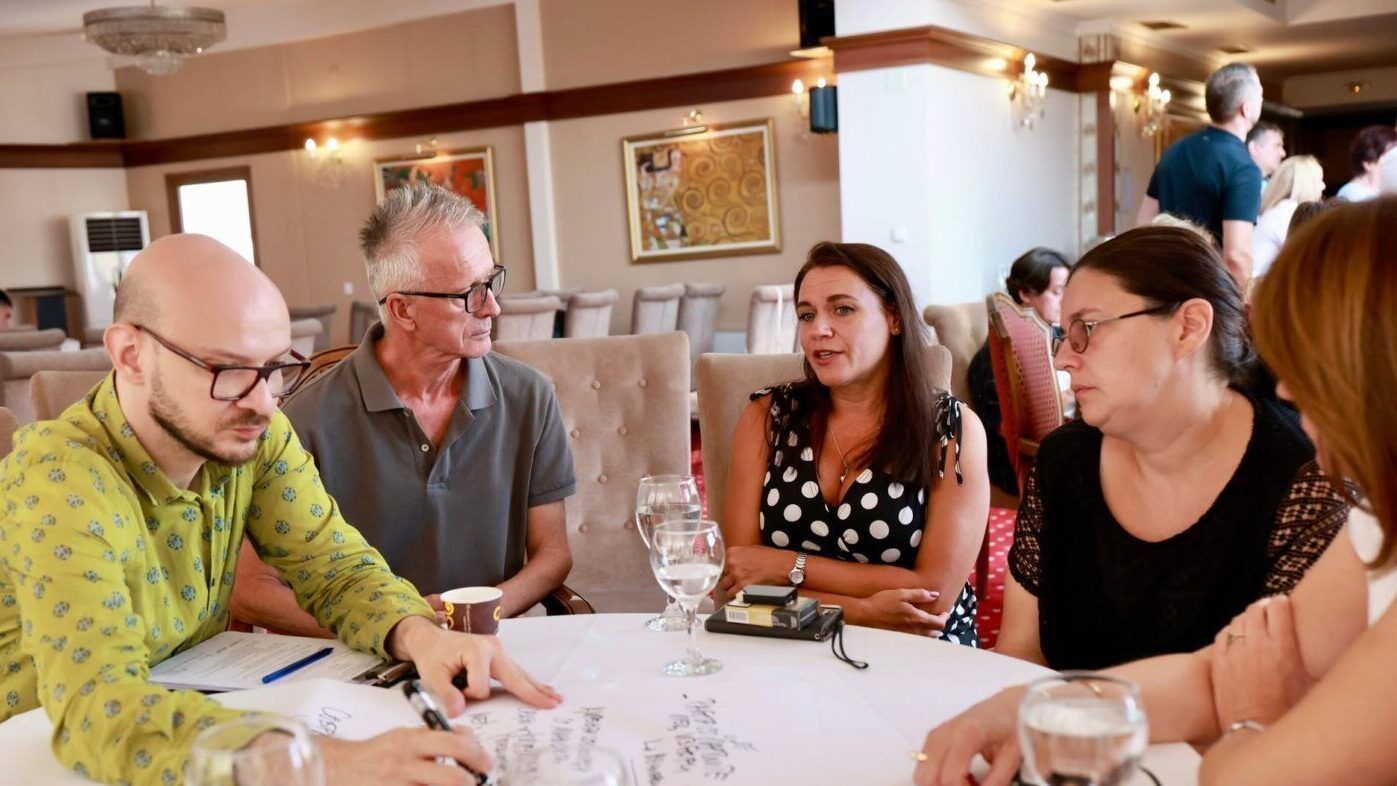
In Bitola, through the project “Changes for Sustainability”, Konekt and YMCA Bitola held a meeting with members of the Network for Financial Sustainability of CSOs. The discussion focused on securing conditions for more stable and sustainable funding for the civic sector, with a focus on the Law on Donations and Sponsorships in Public Activities, whose legal and administrative barriers the civic sector has highlighted for over 15 years. The event also promoted a Collection of Case Studies on this law, containing 14 practical examples and recommendations for improving the legal framework. Participants also defined the Network’s advocacy priorities for the upcoming period, as well as next steps to improve conditions for the financial sustainability of CSOs.
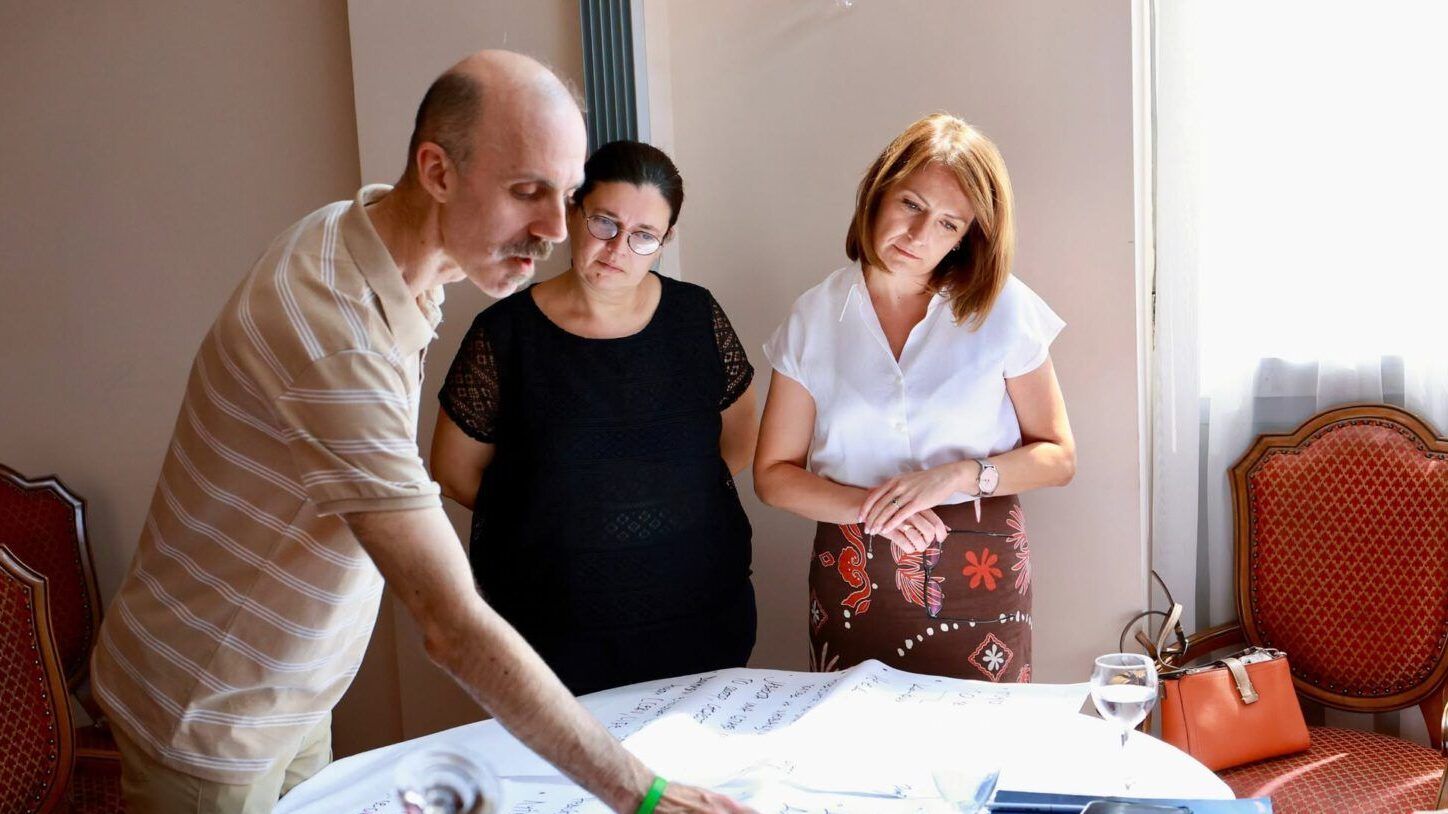
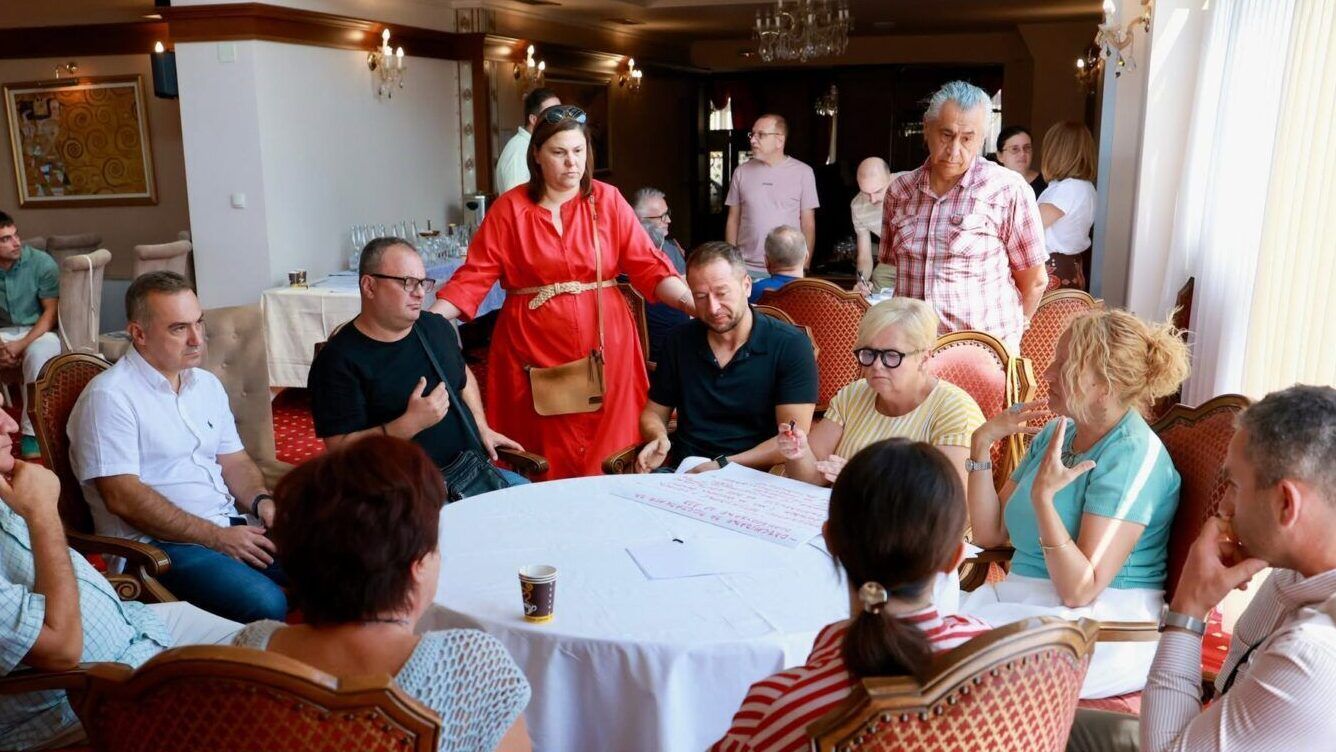
Metamorphosis Foundation, Rural Coalition, and the Center for Social Innovations Blink 42-21 invited citizens to engage in public consultations in their municipalities through the mZaednica application, part of the project “Digital Transformation at the Local Level – Engaged Community for Corruption Resilience (DIGILOK)”. The platform allows citizens to directly express their opinions, participate in surveys, and propose solutions for issues affecting daily life in their community, while helping municipalities timely identify citizens’ needs and priorities. Through mZaednica, citizens were also invited to voice opinions on how local budget funds should be spent, evaluating whether priority should go to infrastructure, public spaces, education, or support for youth and sports.
Women’s Civic Initiative Antiko from Skopje published a series of short videos titled “Civic Compass“, explaining what active civic participation means beyond the electoral process. In the second episode, they describe how a civic idea evolves into a concrete initiative, while the third episode explains the concept of a civic initiative and ways to use it to raise issues of public interest before institutions.
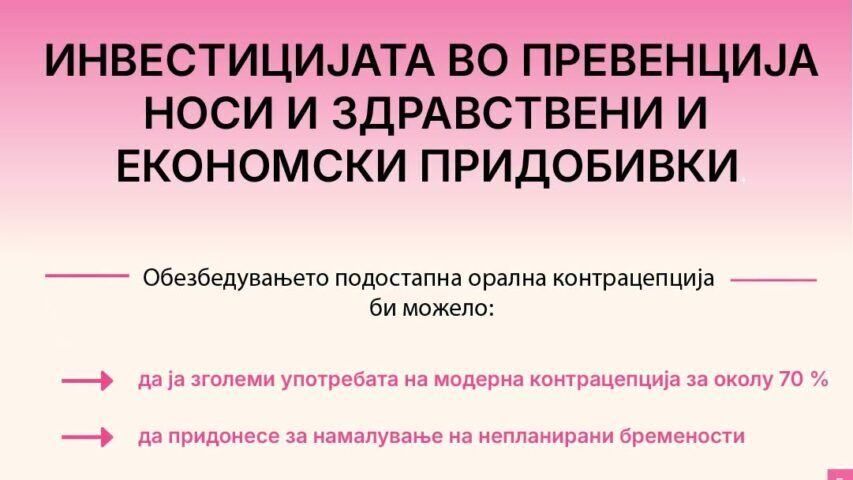
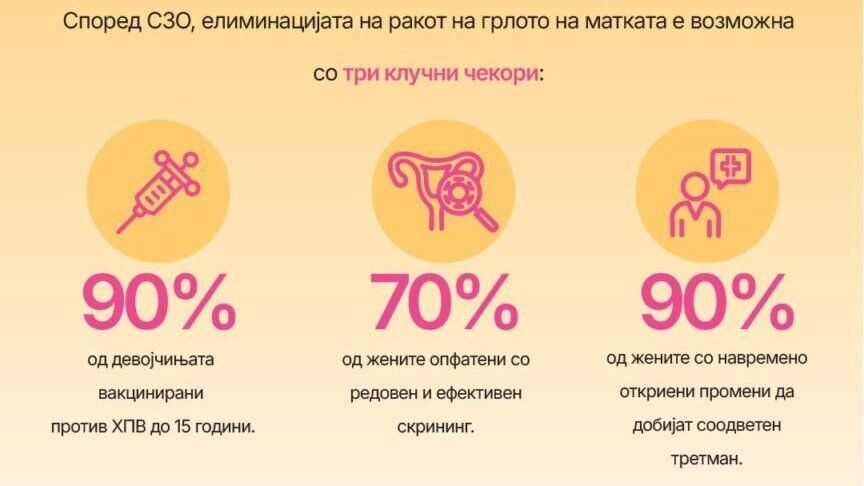
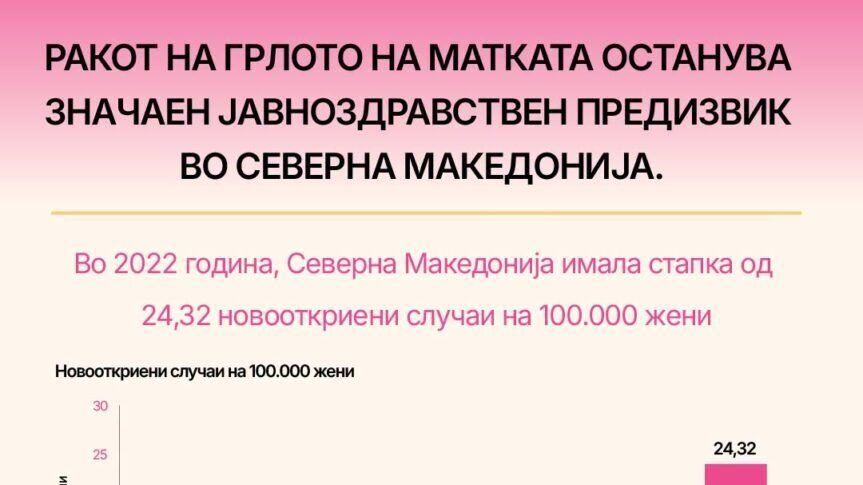
HERA, for the project “Improved Health Rights of Girls, Women, and Vulnerable Groups”, dedicated a series of informative posts last month to the prevention of cervical cancer, which remains one of the most serious threats to women’s health in the country. They remind that experiences from countries with organized prevention programs show that with timely HPV vaccination, regular screening, and accessible treatment, this type of cancer can be drastically reduced, being one of the few cancers that can be completely prevented. They emphasize that alongside recommendations, accessible services and a system actively inviting women for regular check-ups are needed, as early detection is often the difference between timely intervention and delayed diagnosis.
Civica Mobilitas continues to follow the work of organizations in the months ahead. Follow us in the next issue of “Civic Impulse” for a quick and informative overview of developments among active civic actors.