

Social justice is not celebrated, it is created!
The Day of Social Justice is not a date to be marked merely in a formal sense. It should remind us that justice is not an abstract concept, but a concrete reality that directly affects people’s lives — their wages, security, dignity, and future.
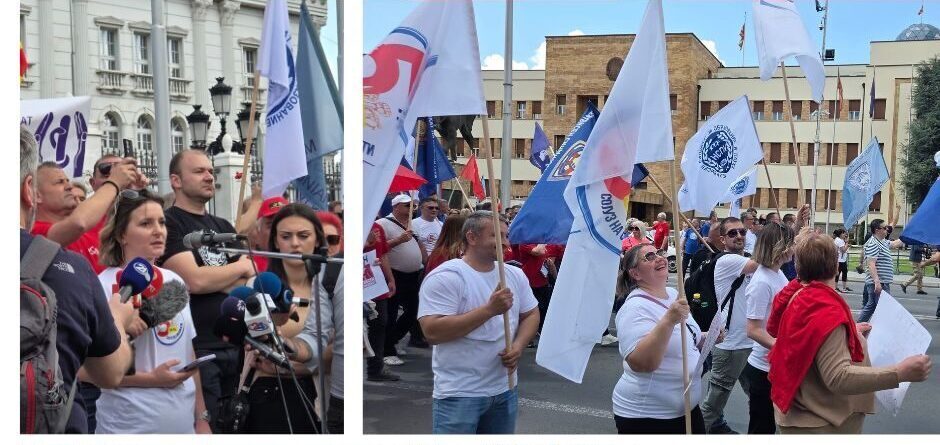
For us at “Glasen Tekstilec,” social justice is not a declaration — it is an everyday struggle. It is in the phone calls from workers who lost their jobs overnight. It is in the unpaid wages of hundreds of workers when an employer decides to shut down the company and leave the country. It is in fixed-term contracts renewed year after year with no security. It is in people’s fear of reporting injustice because they are afraid of losing their livelihoods.
In a society like ours, where economic insecurity is high and institutional protection is often slow and far from guaranteed, social justice becomes a matter of survival. Workers’ rights are not a luxury. They are the foundation of a life lived with dignity.
Over the past years, “Glasen Tekstilec” has worked directly with workers — most often women — who face precarious forms of employment, abuse of fixed-term contracts, non-renewal of contracts due to pregnancy or sick leave for an ill child, several months of unpaid wages, or workplace mobbing.
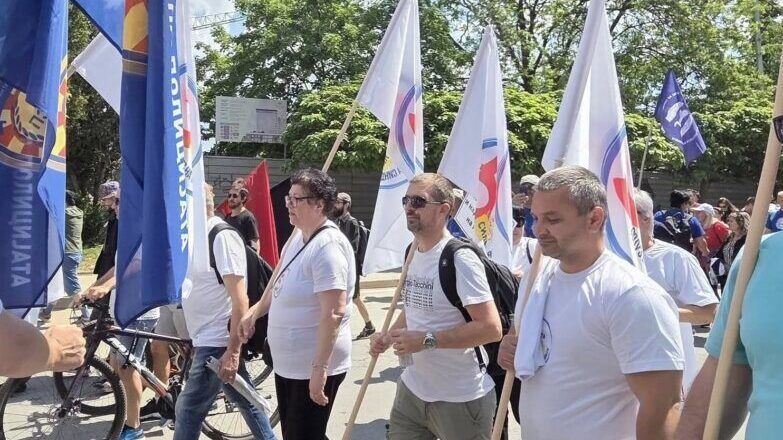
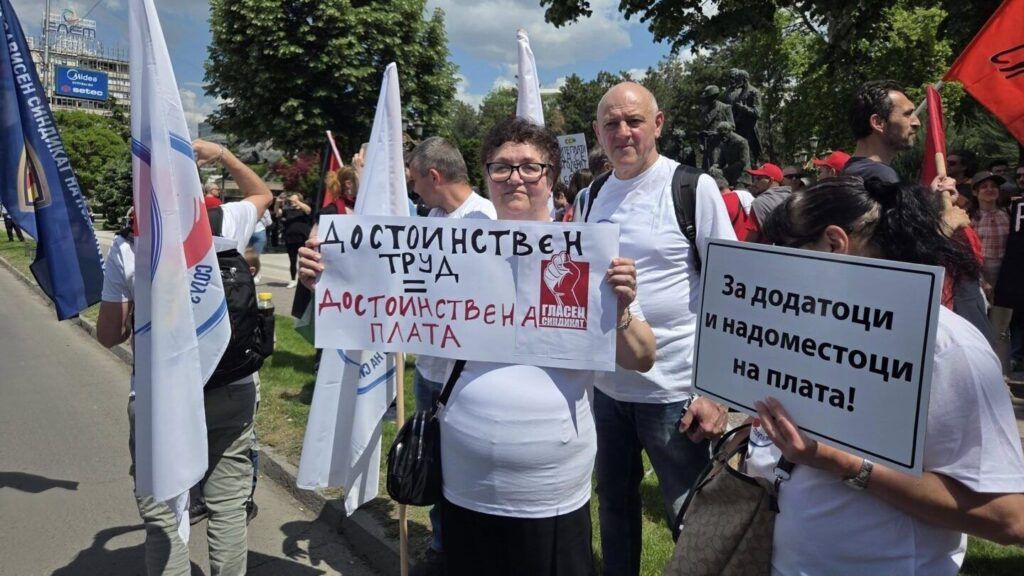
Through free legal assistance, counseling, and public advocacy, we try to restore balance where it has been disrupted. But each individual case is only a symptom of a broader problem — a system that too easily allows vulnerable groups to be left without protection and justice.
Social justice means a system that functions. It means institutions that respond not only under pressure, but by law and conscience. It means policies that take into account the real needs of citizens, not just statistics.
The gender dimension of injustice
We cannot talk about social justice without talking about gender equality. Women in our country are more often employed in lower-paid sectors, more often work in precarious conditions, and more often bear the burden of unpaid care work at home.
When a woman loses her job, it is rarely just an individual problem. It affects an entire family. When contracts are insecure, when there is no stability, when the system offers no predictability, this deepens economic dependency and inequality. That is also why we hear about domestic violence — because women are the ones who have no way out of violent environments, precisely due to economic dependence on their partner.
Why gender-responsive budgeting?
A budget is not just a table of numbers. It is a mirror of priorities. It shows what a local authority truly values and who it places at the center of its policies. That is why we are implementing the project “Through Women’s Activism and Initiatives toward Gender-Inclusive and Accountable Municipalities,” supported by the Swiss Government through Civica Mobilitas.
Over the past two years, we have been actively working on gender-responsive budgeting in the Eastern Region — in Štip, Vinica, and Delčevo — and as an organization, we are implementing the project in Delčevo.
Delčevo is a city many call “forgotten.” A city where, if you talk to people, you will hear that there is not enough work, that young people are leaving, that entire families are emigrating. Many go to work abroad for months at a time in Italy and Switzerland, while those who remain face economic insecurity and a sense of exclusion from decision-making.
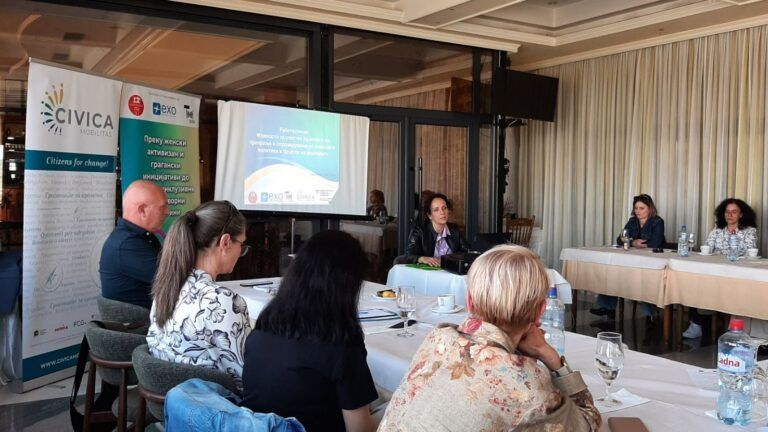
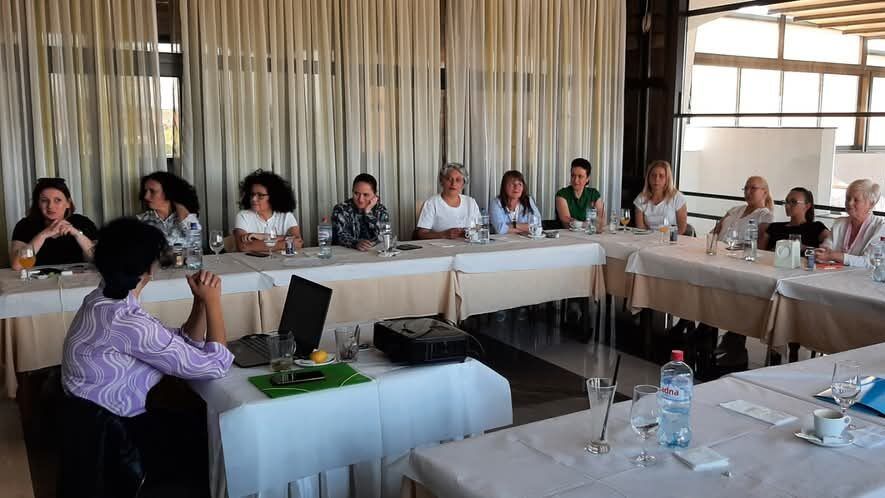
Over these two years, we have also heard things that should not be a reality in the 21st century — that there are still households without access to water, that there is no adequate transportation to other cities, and that basic services are not equally accessible to everyone. These issues are not merely infrastructural problems; they are questions of dignity, equality, and fairness.
When we talk about gender-responsive budgeting, we are talking about fundamental questions: Does the local budget recognize the specific needs of women? Are there programs for women’s economic empowerment? Is investment being made in services that will reduce the unequal distribution of care work? Are women included, and are their voices heard when priorities are set? Do public funds contribute to reducing or deepening inequalities?
In Delčevo, we work on analysis, dialogue, and awareness-raising — both with institutions and with citizens. Our goal is not confrontation, but accountability. Not criticism at any cost, but improvement of processes. To set an example that women — from the city and from rural areas alike — should be agents of change, actively involved in decision-making processes, asking questions and demanding accountability.
With the new local government, we have begun collaboration and a Memorandum of Cooperation has been signed, giving us hope that the problems that have accumulated over the years — problems that are fundamental and essential to quality of life — will finally be addressed in a systemic way. These issues directly affect gender-responsive, transparent, and inclusive budget-making.
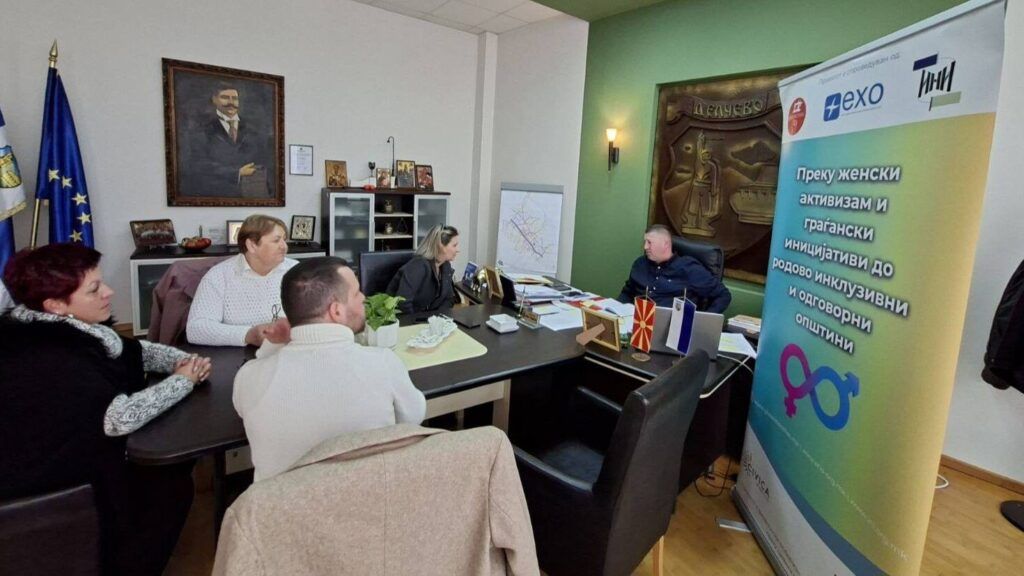
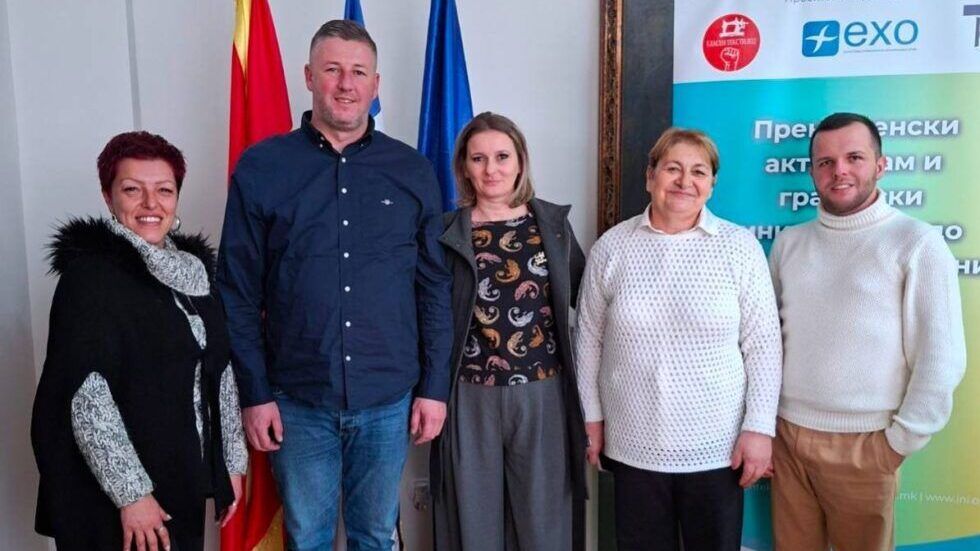
We believe that through this cooperation, conditions will be created for genuine citizen participation — especially of women and vulnerable groups — in decision-making processes, and that in the period ahead, these accumulated problems will begin to be resolved in a responsible and sustainable manner. Because if the budget is not just, the policies cannot be just either.
From individual struggle to systemic change
Social justice is not achieved with a single case won. It is built by changing the rules. Through transparency. Through the inclusion of citizens in policy-making.
Our work at “Glasen Tekstilec” shows that people want to believe in the system — but the system must give them reason to. When institutions act, trust grows. When they remain silent, injustice becomes the norm.
The Day of Social Justice should serve as a reminder that this struggle is not over. On the contrary, it requires constant vigilance, solidarity, and courage.
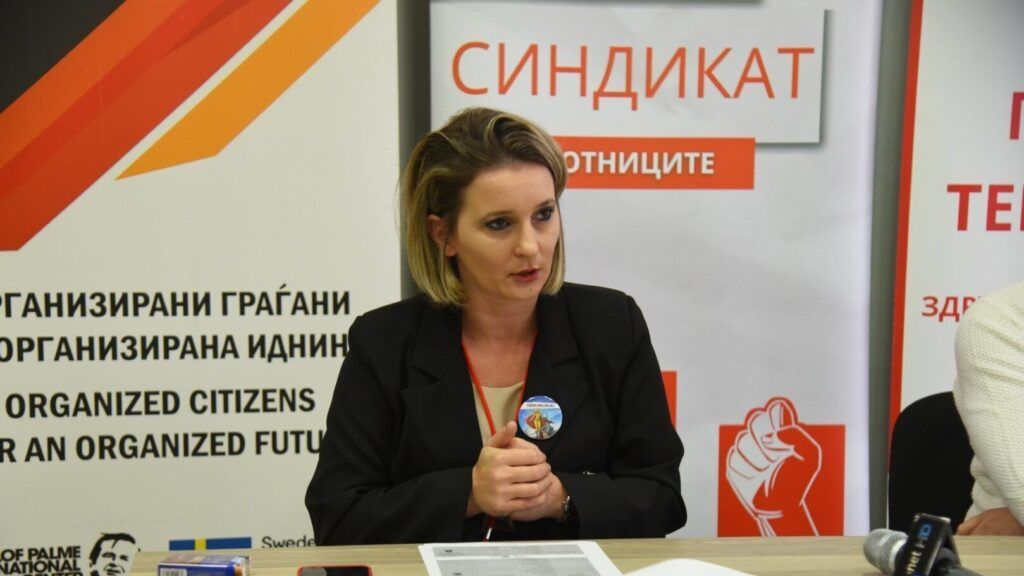
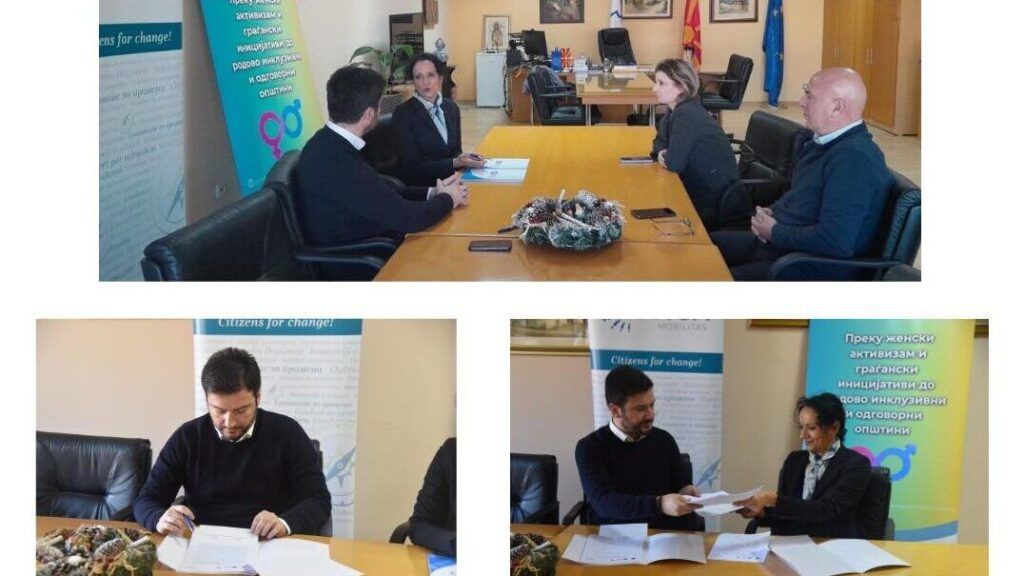
Social justice is not something given to us. It is created — through fieldwork, through support for the most vulnerable, through analysis of public policies, and through speaking out loudly against injustice.
Because justice must not be a privilege. It must be a right — for every worker, for every woman, for every community.
And as long as there are people fighting for that, there is hope that the system can and must be better.
The views expressed here do not necessarily reflect the positions of the Swiss Government, Civica Mobilitas, or the organizations implementing it.
![[Aggregator] Downloaded image for imported item #52203](https://civicamobilitas.mk/wp-content/uploads/2026/10/Cover_MM-Albania-600x400-1.jpg)
![[Aggregator] Downloaded image for imported item #52158](https://civicamobilitas.mk/wp-content/uploads/2026/10/Is-Political-Interference-Addressed-in-the-Frameworks-of-the-Prosecutorial-Councils-in-North-Macedonia-and-Bosnia-and-Herzegovina-pdf-1-724x1024-1-e1792394173877.webp)
![[Aggregator] Downloaded image for imported item #52160](https://civicamobilitas.mk/wp-content/uploads/2026/10/Raising-the-Bar-on-Integrity_Aligning-North-Macedonia-and-Bosnia-and-Herzegovina-with-the-2026-EU-Anti-Corruption-Directive-pdf-1-724x1024-1-e1792393418465.webp)