
CSO Code as a Tool for Criticism and Praise by One’s Own Community
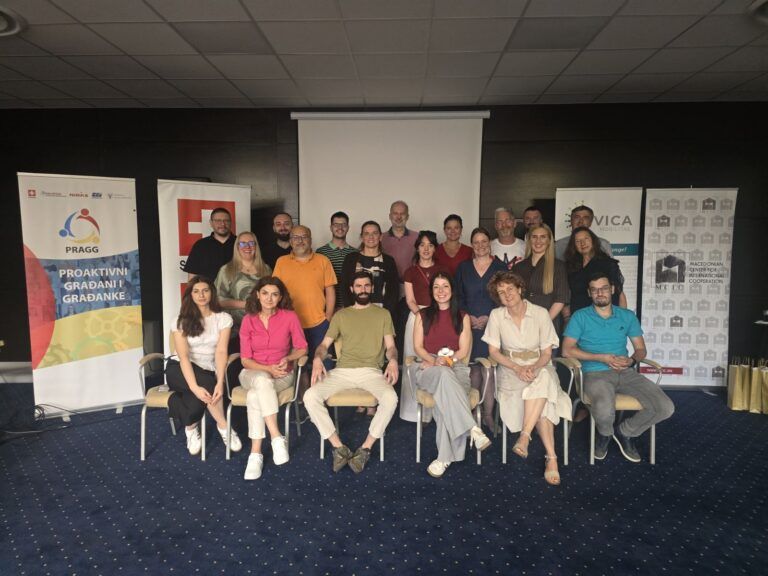
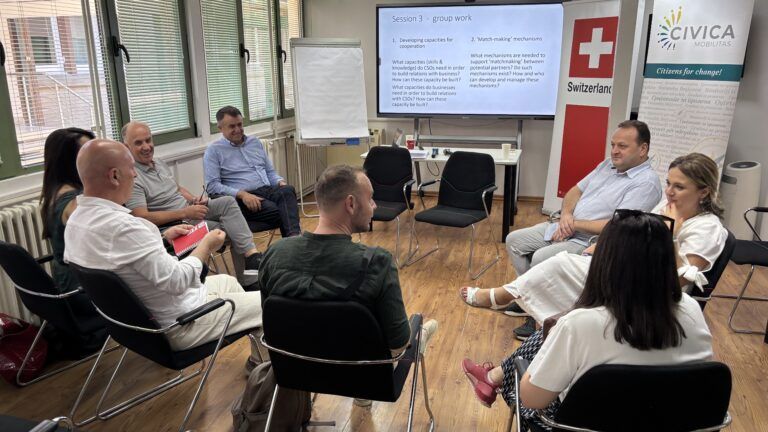
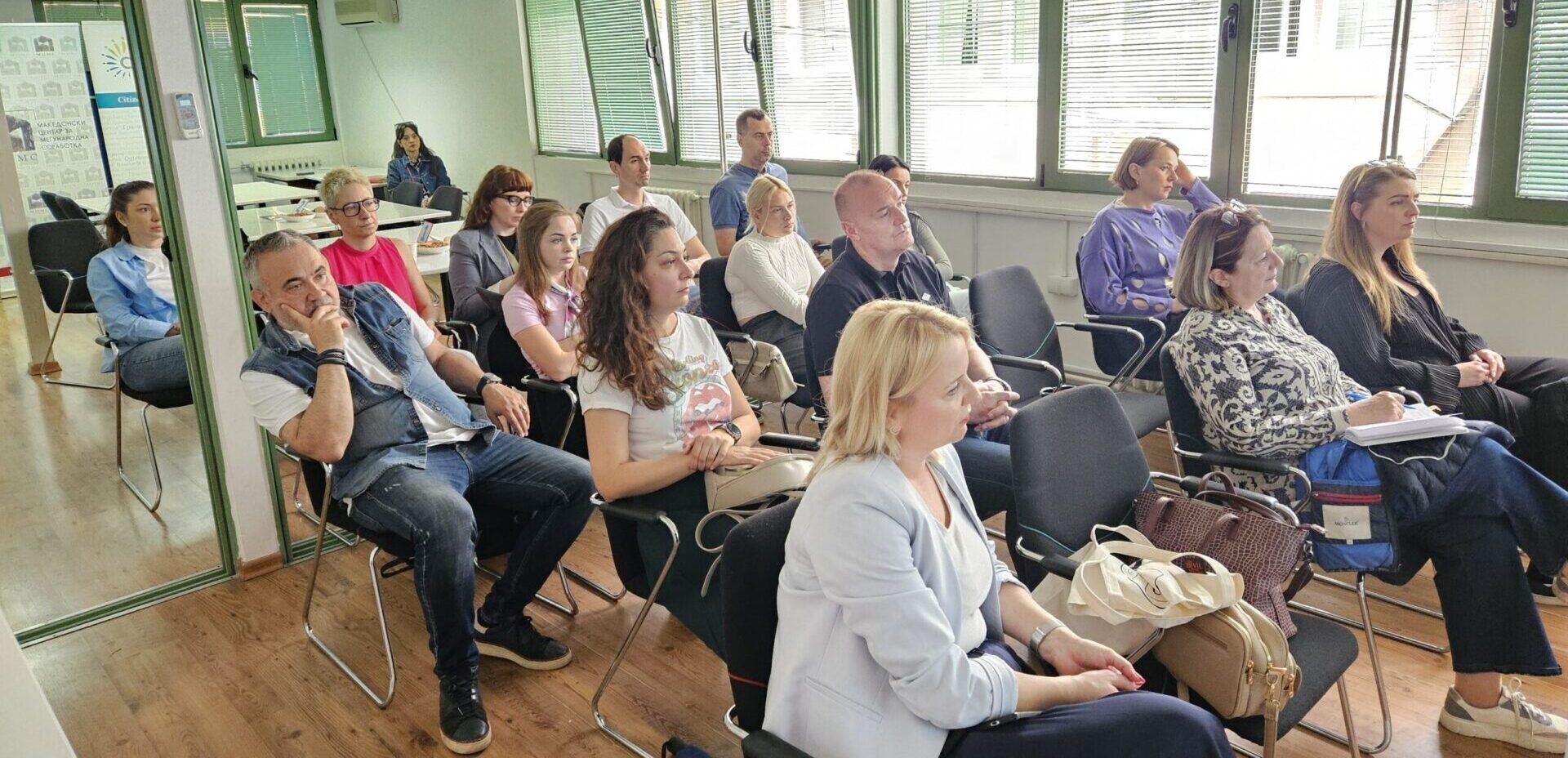
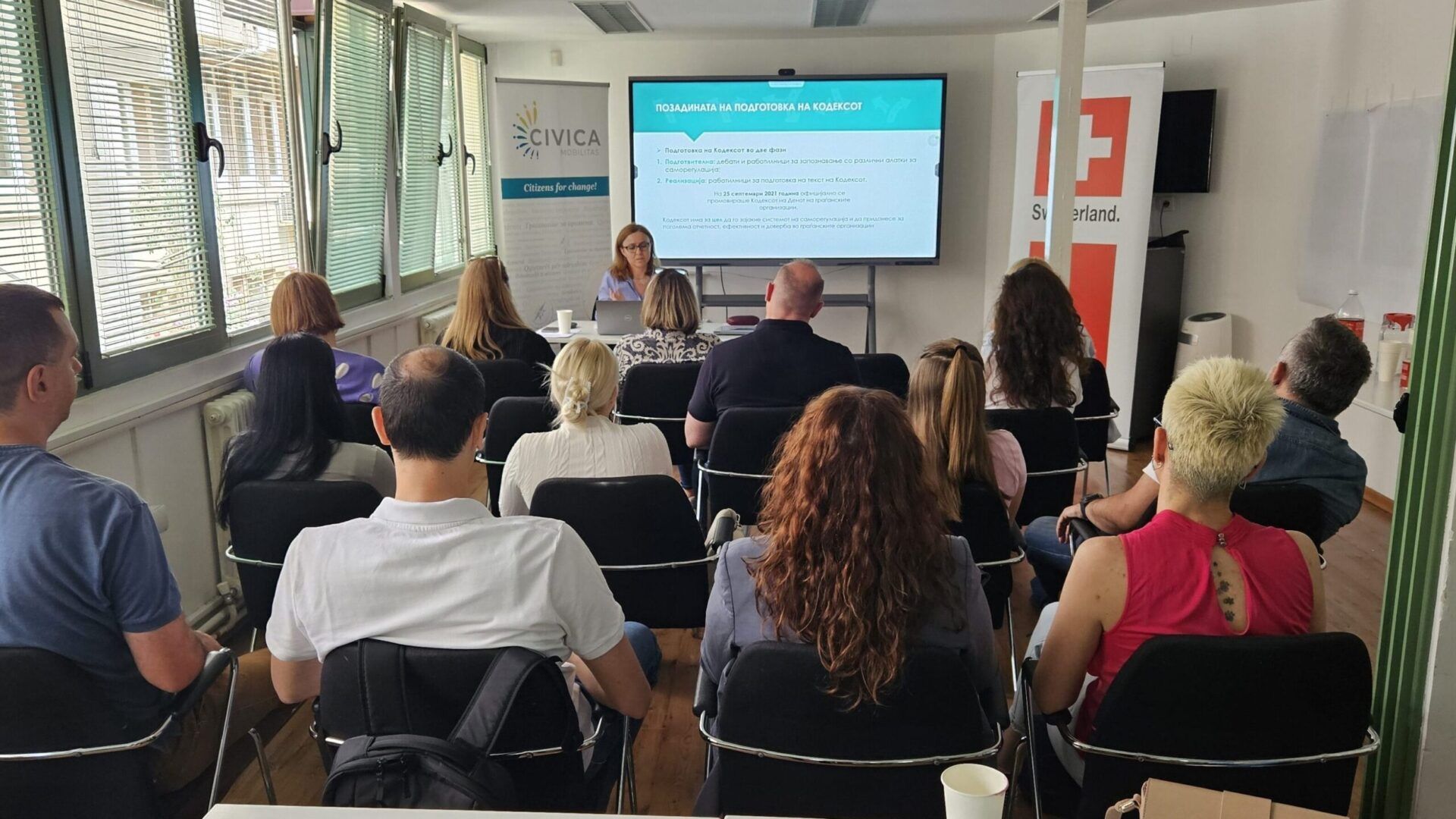
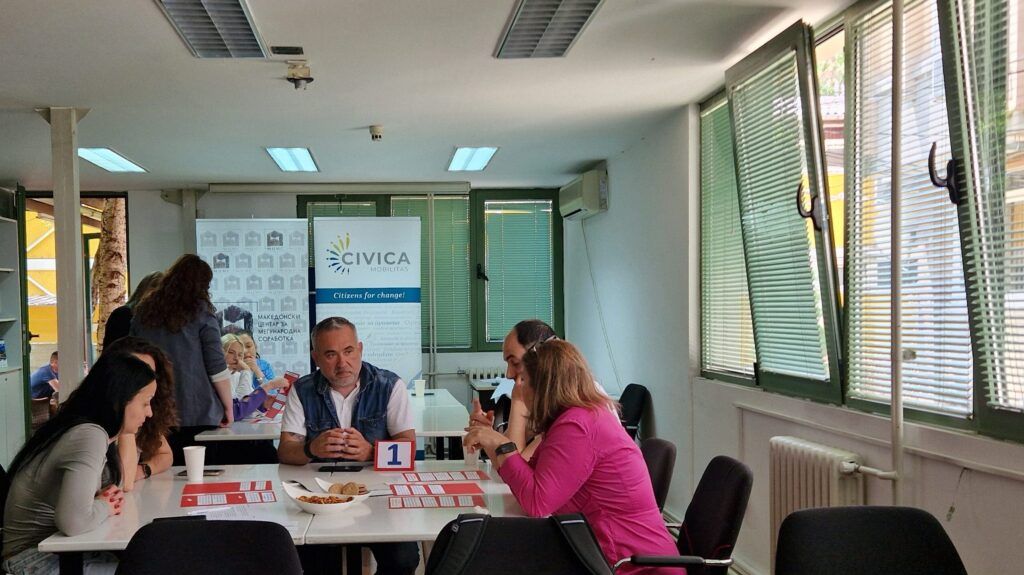
On 2nd June 2026, at the premises of the Macedonian Center for International Cooperation (MCIC), Civica Mobilitas team organized the first workshop on promoting the implementation of the CSO Code. The workshop brought together the Civica Mobilitas grantees from Skopje, Kumanovo, Tetovo and Gostivar to discuss the possibilities for strengthening the monitoring mechanisms of the Code, five years after its adoption.
The history and contents of the CSO Code was presented by Aleksandra Savevska from MCIC. She spoke about the goals of the workshop and the importance of self-regulation in the civil sector. Savevska stressed that building confidence with the citizens and the broader public remains one of the biggest challenges and that the Code is an instrument for the organizations to confirm their support to the public interest.
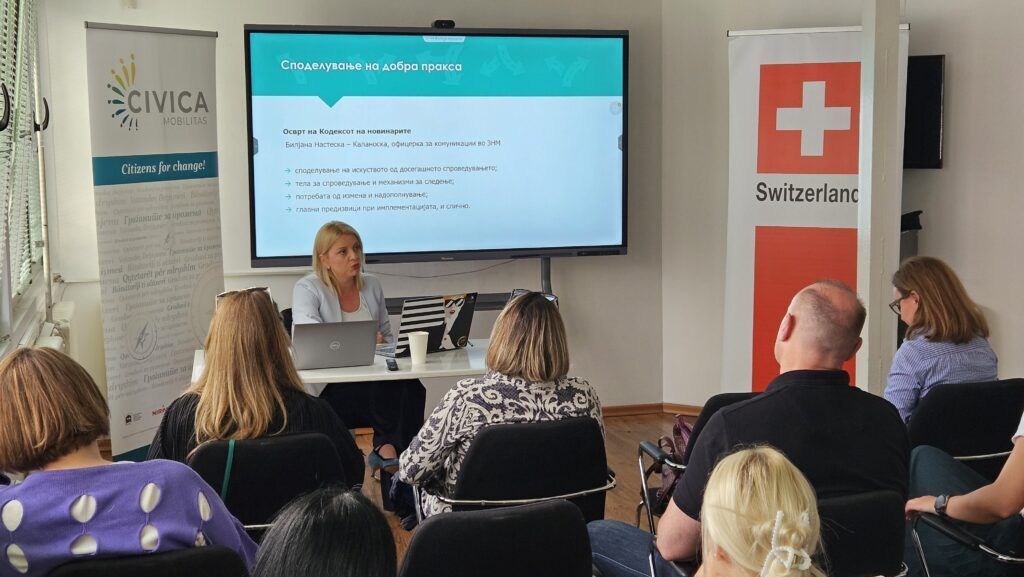
Biljana Nasteska-Kalanoska from the Association of Journalists of Macedonia (AJM) presented the Journalists’ Code as a good practice of self-regulation. She shared the AJM experience in the implementation of the Code so far, presented the implementation bodies and the monitoring mechanisms, described the challenges in its implementation and explained the need for its update. At the moment, AJM is working on revising the Code via an on-going project supported by Civica Mobilitas, a process that offers useful comparative views for the CSOs.
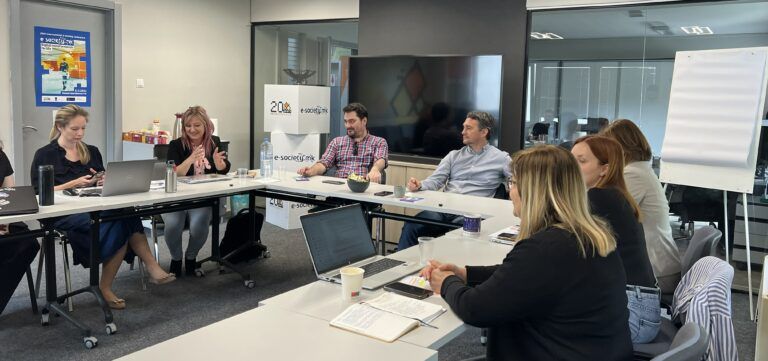
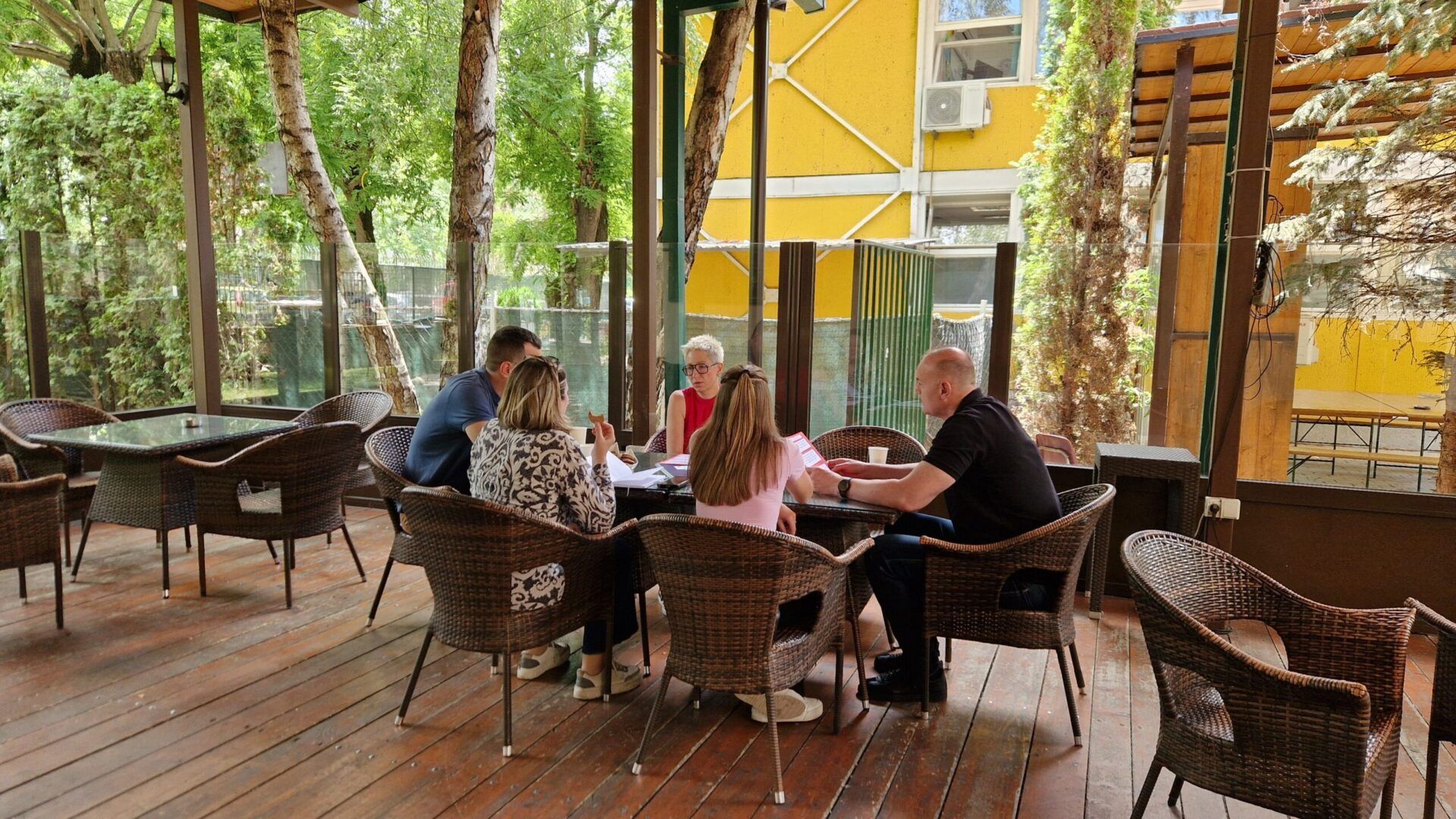
The central part of the workshop was dedicated to working in groups, led by Fanija Ivanovska from MCIC. The participants were divided in three groups, and each of the groups reviewed several pledges from the Code, with a task to identify no more than 10 necessary principles and standards fit for structured monitoring.
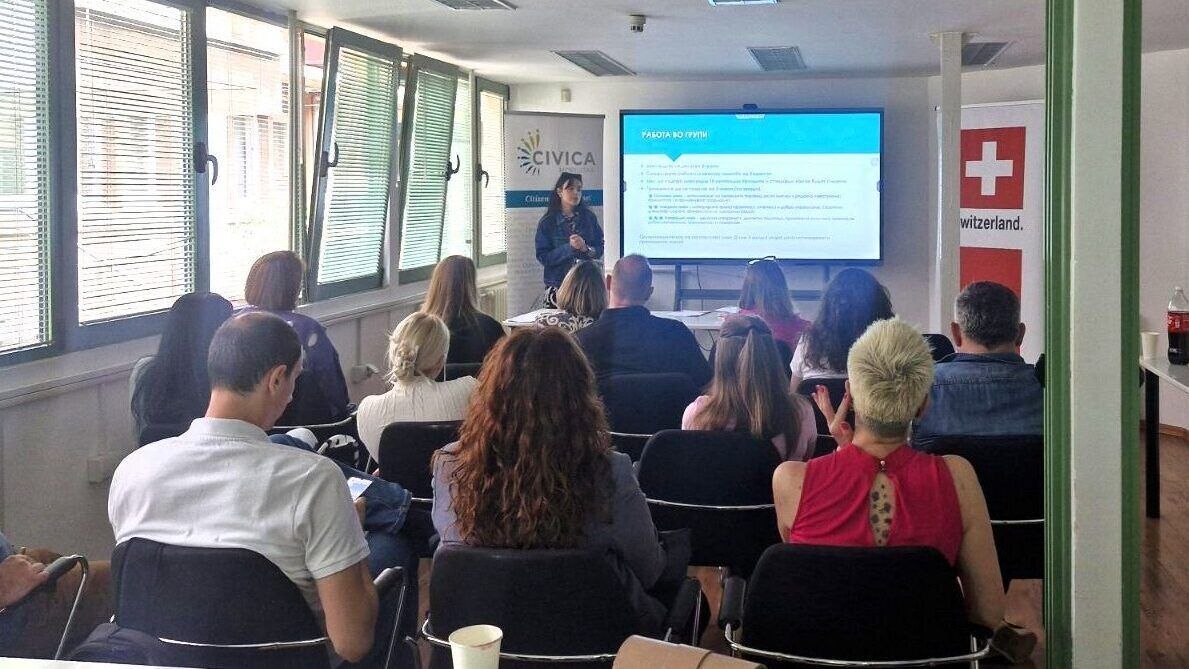
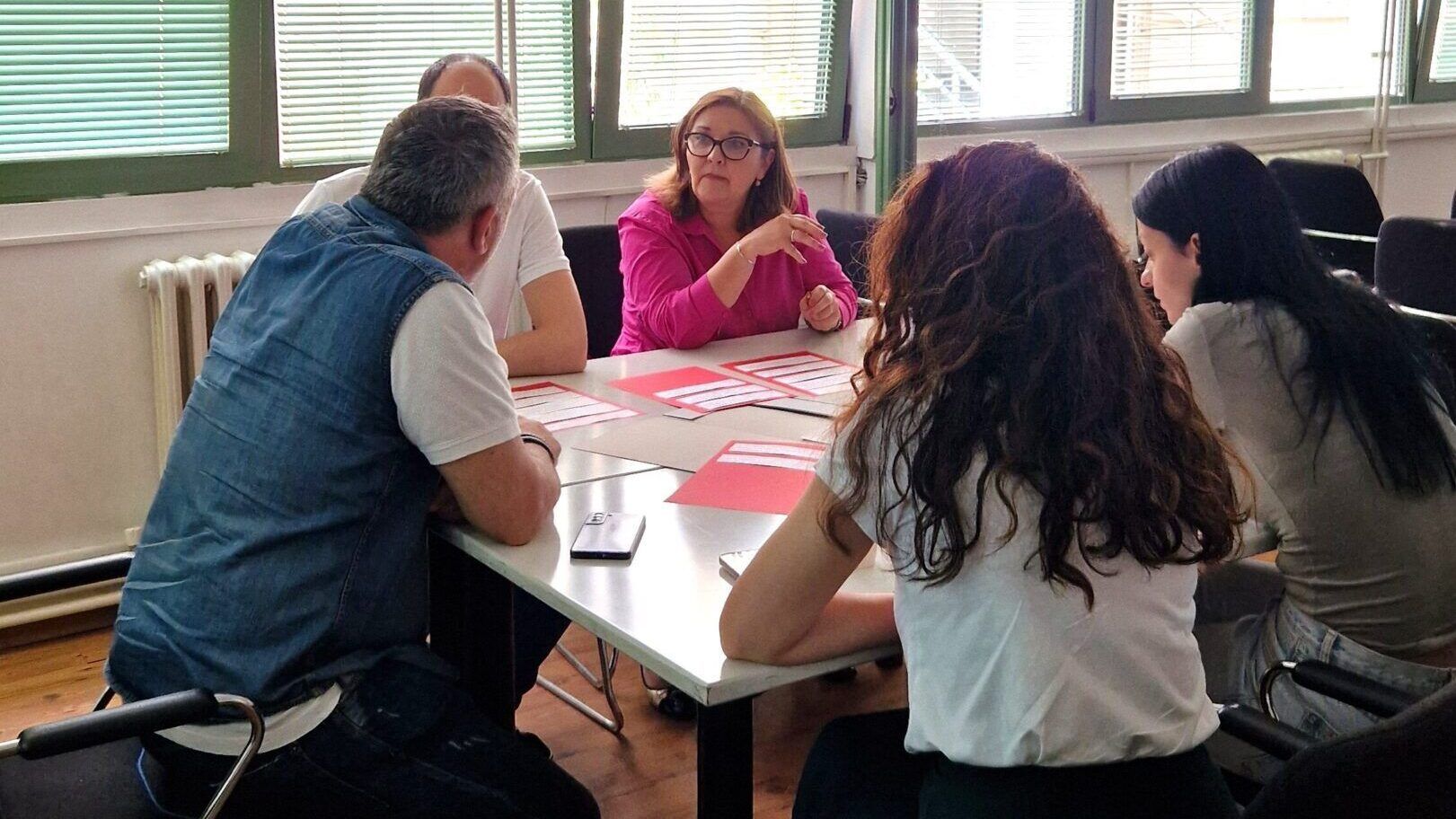
The general view of the groups was that the approximation should be gradual, starting from meeting the basic legal and formal requirements, via establishing systems for accountability and participation, up to reaching a status of an organization that is an example for the others. It was also stressed that the organizations that were on higher level have to also meet the standards of the previous levels.
“The workshop was a useful opportunity for exchange of experience and thoughts on how the CSO Code could more efficiently be implemented in the practice. The sharing of the experience of the Journalists’ Code was especially important, as it opened significant questions on the monitoring mechanisms and responsibility. The work in groups enabled us to hear different perspectives from the organizations. As a local organization, we recognize the need of clearer tools and bigger mutual support in order to improve the trust and credibility of the civil sector,” stated Ivana Cvetkovikj Stojcheva from “Mother” humanitarian association from Kumanovo.
The participant spoke about the crucial challenges related to the sustainability of the monitoring of the Code. It was concluded that a monitoring system for the implementation of the Code should be prepared and established, and it should include: specific group of standards for the signatory organizations, including the legal obligations for the CSOs and a monitoring mechanism that would provide a longer-term sustainability.
“The workshop once again showed that establishing of clear ethical standards is of vital importance at a time when the civil sector faces serious challenges. This Code is seen as a necessary step forward in differentiating the real CSOs from the so-called GONGO organizations (CSOs organized by the government) which polarize the space and undermine the authentic civil fight. Maintaining the public trust, accountability and transparent work are the basic pillars for HERA’s long-term work on the protection of human rights and social inclusion. Therefore, HERA fully supports these principles and remains strongly dedicated to the process of promotion of institutional integrity and cohesion of the civil sector,” said Iva Mihajlovska from HERA.
In the coming period, there will be two more regional workshops with Civica Mobilitas grantees in order to prepare the participatory framework for monitoring of the Code and its subsequent approximation. In this context, the organizations should see the accountability as a long-term and constant learning process with which they can not only improve the trust with all stakeholders, but also more successfully achieve their goals and mission.