
Our Power, Our Planet: Civil Sector the Leader of Changes
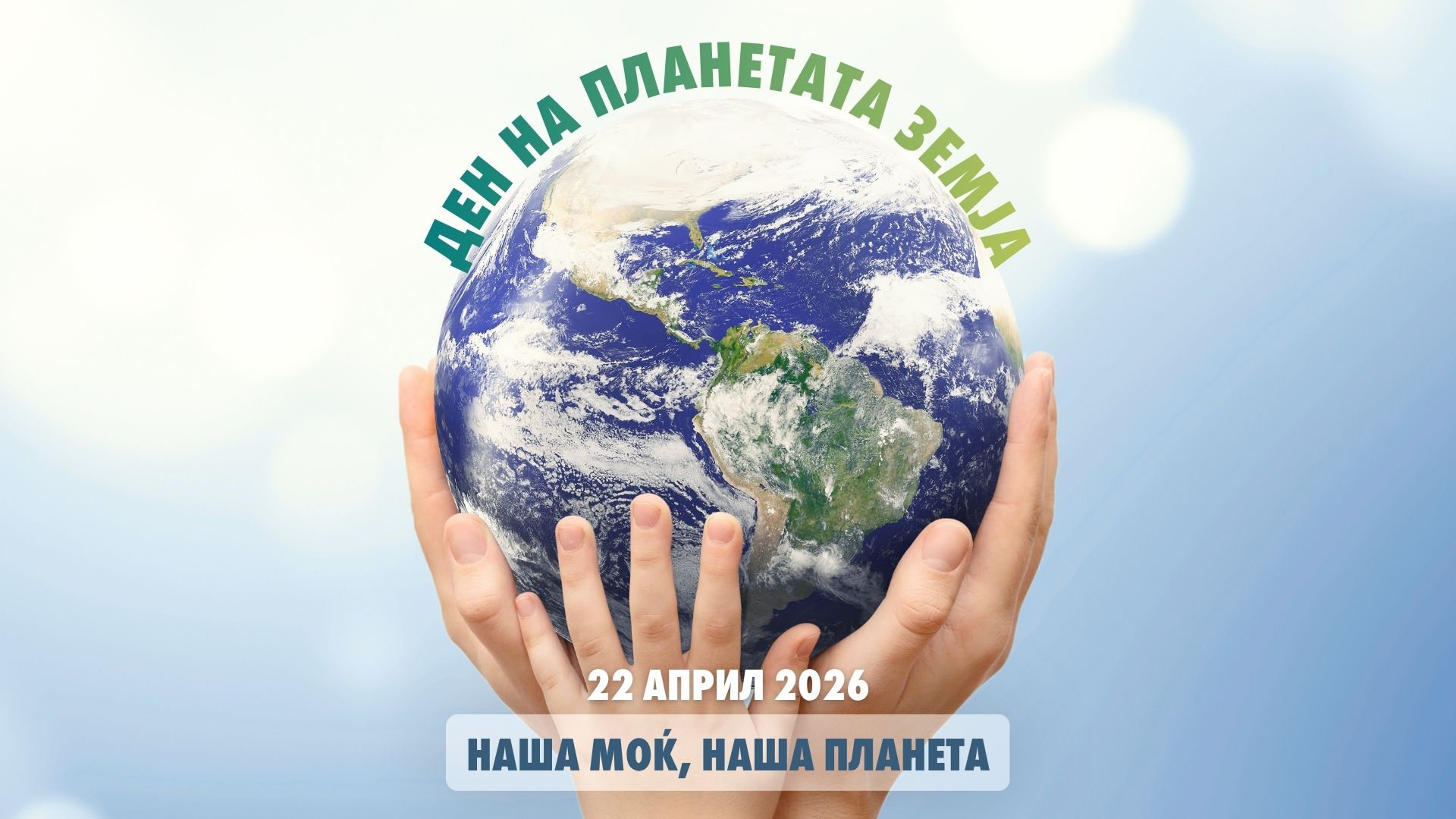
Every year, 22nd April reminds us that the planet is not protected only with big promises, but with daily work, decisions, practical solutions and communities which know that they have the power to make a change. This year’s motto of the Day of the Planet Earth, “Our Power, Our Planet” especially closely related to the work of the CSOs which use knowledge, activism and direct work with the citizens to turn environmental awareness into concrete action.
Civica Mobilitas has recognized and supported the role of CSOs in the fight to protect the planet via specific financial and programme support.
Within the programme, there have been 46 grants allocated to 34 CSOs, with a total budget of 75,729,198 denars. This is 7.9 percent of the total budget. Civica Mobilitas firmly stands behind this vision with a continuous support to the civil sector, and behind these figures there are organizations that work in schools, municipalities, settlements, local communities, with young people, with people with disabilities, with institutions and with citizens who want a healthier living environment and who prove on daily basis that our planet depends precisely on our power.
Bridge between Citizens and Changes
Civica Mobilitas grantees are aware about their role as a bridge between citizens and institutions, between knowledge and habits, between problems and solutions.
At the Center for Climate Changes (CCC) say that it is not enough to tell the citizen that he should select waste if he has nowhere to do that. This sentence summarizes the essence of the work of the CSOs, not only to raise the awareness, but also to create the conditions for acting. In the same spirit, the Centre for Civil Activism “Krik” stress that their role is to make the environmental awareness understandable and applicable, by working in the field, involving people with disabilities in green activities and building habits rather than knowledge only.
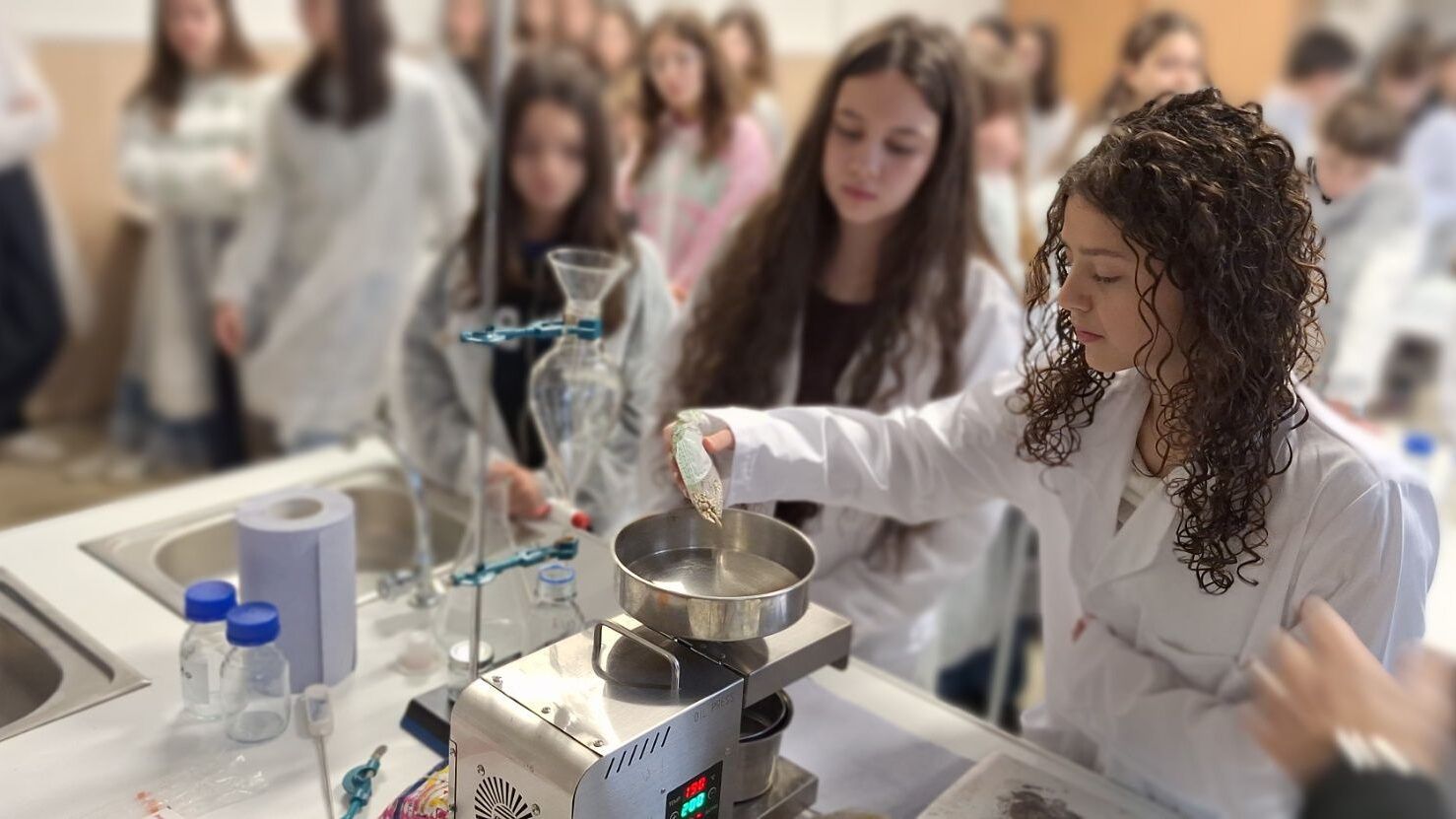
The Center for Environmental Resource (REC), Eco Logic and Florozon underline the importance of creating an environmental culture via informal education and innovative learning tools. This means a long-term education of students, teachers and communities on climate changes and environmental protection. “Natura” from Struga stresses that CSOs function as a mediator between the institutional system and the citizens, contributing to bigger transparency and participation in policy creation. The scout brigade “Krste Jon Struga” sees the role of the civil sector also through mobilizing volunteers and local leaders in creating long-term changes and pressure for the implementation of the adopted policies.
The Green Institute opens the topic that biowaste is not a problem, but a resource which can be reused. They connect the citizens with the institutions, they translate the complex environmental topics in a language understandable for the community and create conditions that the awareness becomes a habit.
Achievements that Speak for Themselves
The influence of the grantees is best seen in the specific changes that are created in the field, showing how this power is turned into a result.
CMA “Krik” via the Occupational Therapy Centre “Scream” develops practical models for recycling of paper and its reuse in creative and functional products. In this way, waste decrease is related to social inclusion, and green practices become part of the youth and social work.
“The idea is to connect ecology, environment protection and the very access to healthy environment with the youth and social work, which is rarely done in a systematic way in Macedonia”, say the people at CMA “Krik”.
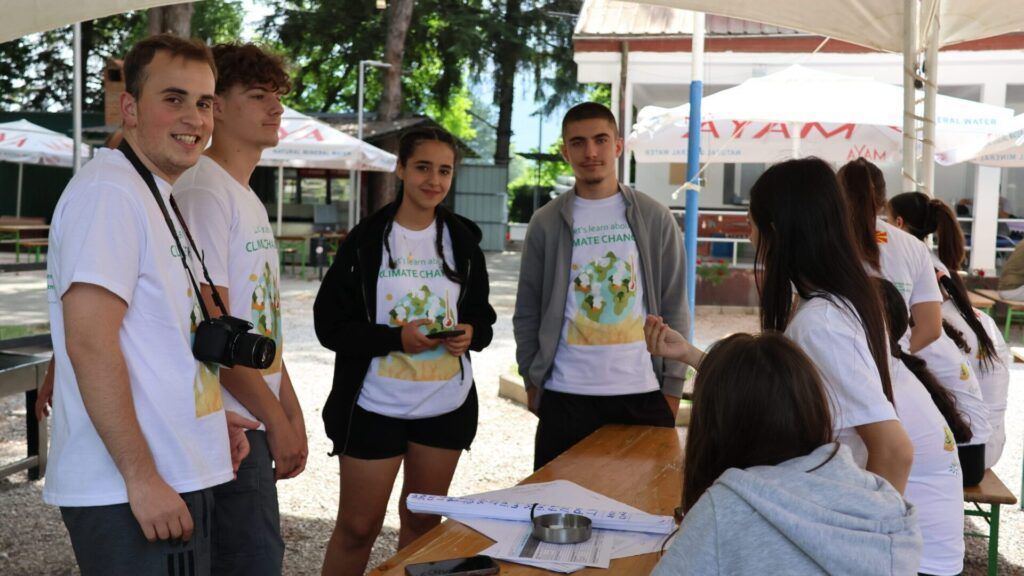
For years, REC has invested in education, training, manuals and campaigns for public awareness raising, creating a basis for generations that have a better understanding of the climate changes and their own role in environment protection. Eco Logic works on turning the knowledge into a daily care, via informal education, green initiatives and active participation of the citizens. Florozon stresses the partnership project with REC and Eco Logica on circular economy in organic waste management, being successful in approximating the topic of biowaste to the citizens, students and local communities.
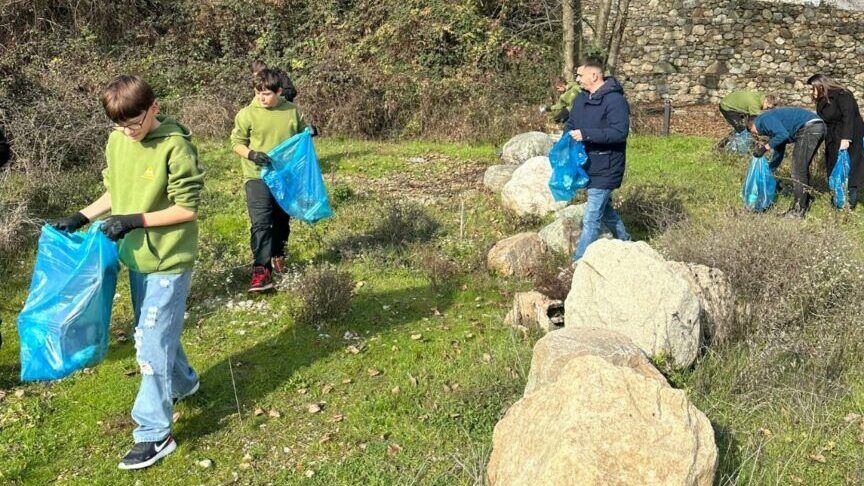
In Struga, IPO “Krste Jon Struga” has a long history of work related to protection of the Ohrid Lake, reed, biodiversity, water and air monitoring, energy efficiency and eco-tourism. Natura Struga adds to this local contribution with field actions for cleaning, educational programmes for young people and campaigns for climate and ecological challenges.
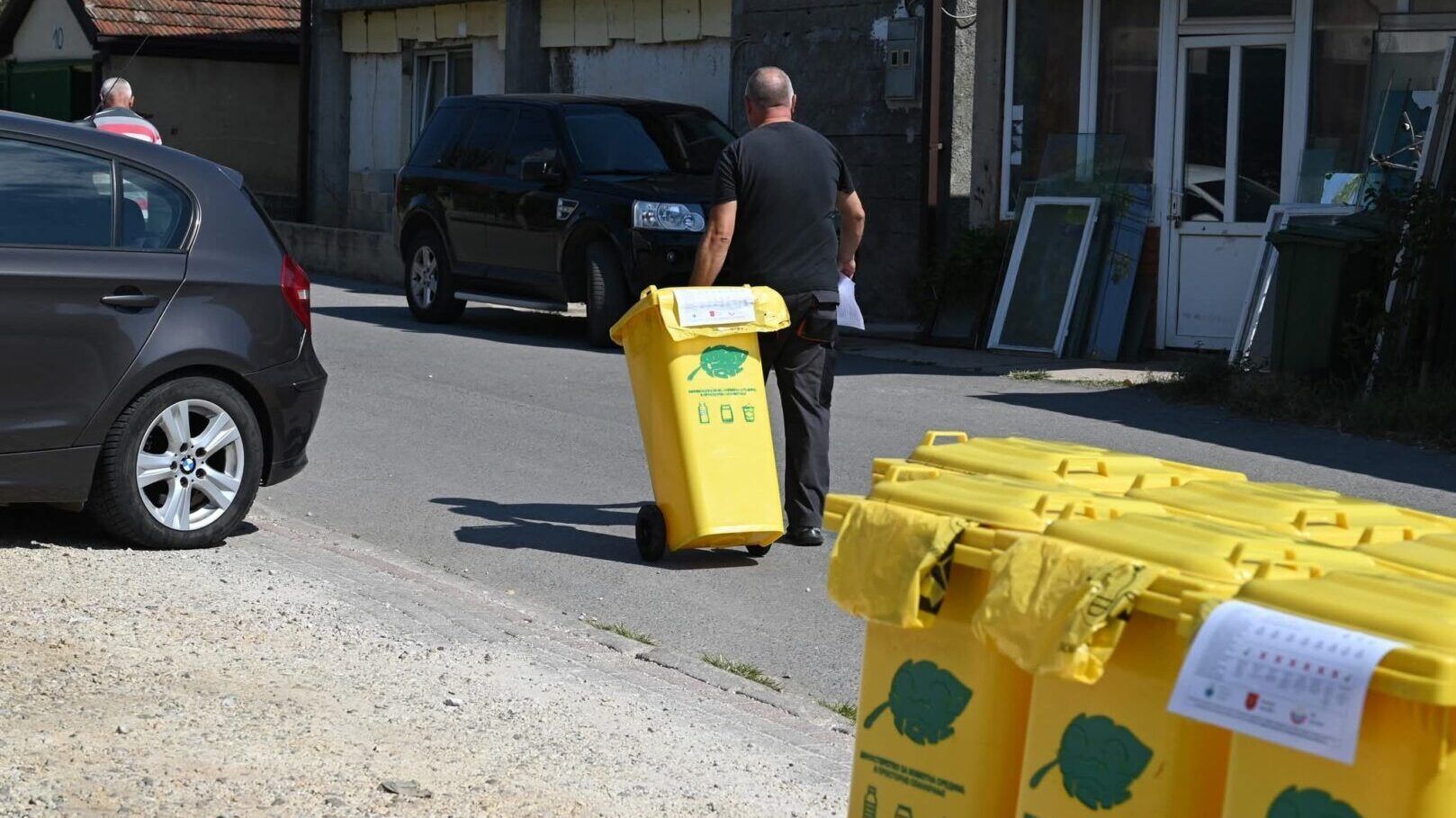
CKP shows how local systems can be turned from an idea to reality. In Gazi Baba, Tetovo and Aerodrom, the organization works on introducing primary selection of plastic waste. In the pilot settlements, as they say from the organization, “waste selection is no longer a plan on paper, but also part of the daily life”.
Looking towards the Future: From Local Success to Systemic Changes
The grantees agree that the next step is not only more activities, but bigger continuity, stronger cooperation and solutions that will last. We need systems that will function after the end of the projects, education that will create habits from the earliest age and institutions that will recognize CSOs as partners in the green transition. For “Krik”, the future is in extending the models that are already functioning and in integrating the green practices in social services and youth work. For REC and Eco Logic, the crucial issue is the continuous education of the young people, because there the values that shape the future are created. Florozon and Green Institute see the next phase in a more sustainable waste management, circular economy development and specific local solutions for the biowaste. IPO “Krste Jon Struga” and “Natura” from Struga underline the need for stronger cooperation among schools, municipalities, businesses, institutions and citizens, as well as for continuing the local actions that create a long-term care for the natural resources.
CKP names the essence of this future with three words: continuity, massiveness and trust between the citizens and the institutions. Continuity, because the environmental habits are built every day. Massiveness, because the successful local stories should be extended in each municipality. Trust, because the citizens will continue to select, participate and care only if they know that their effort really yields some result.
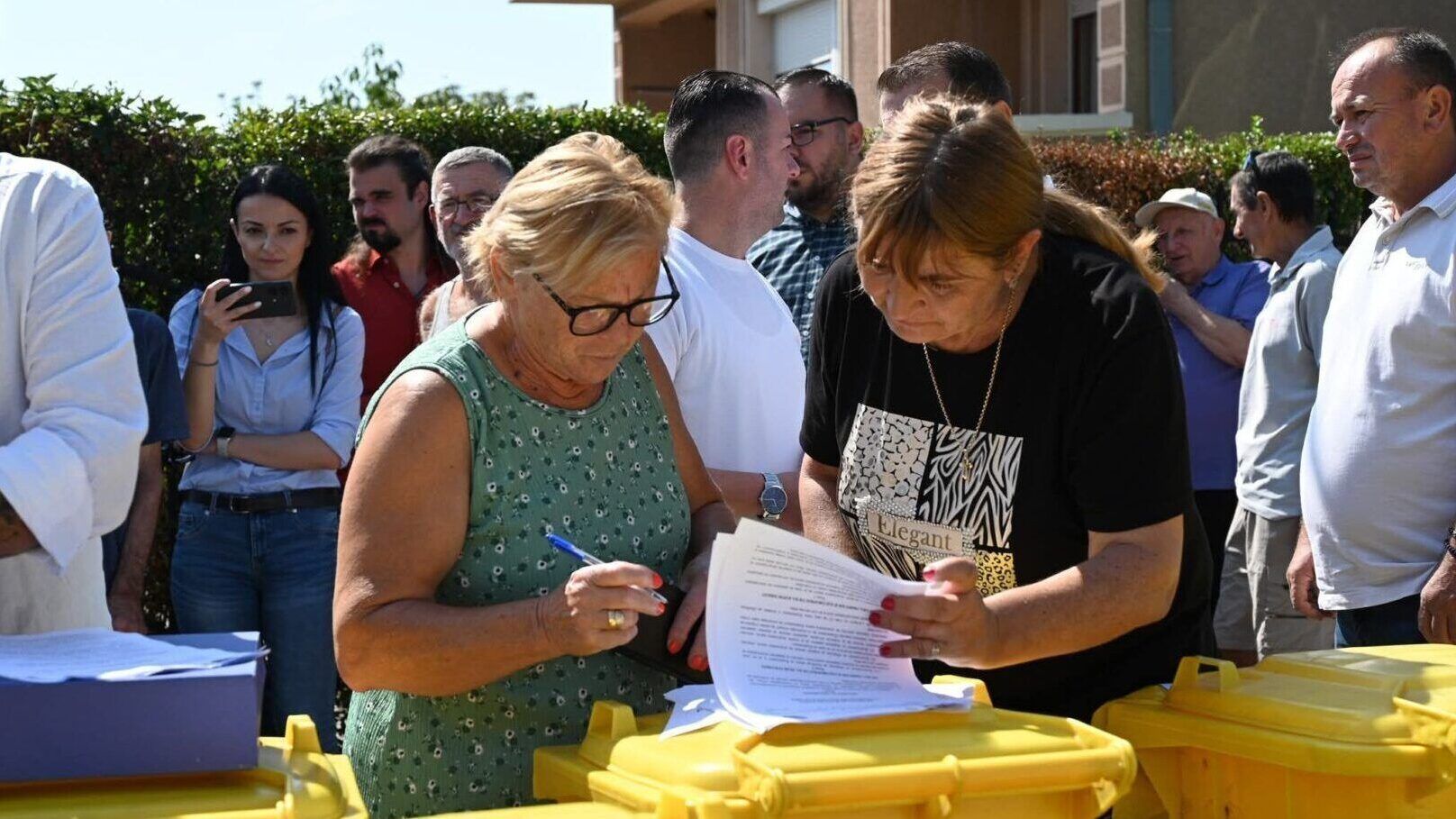
On the Day of the Planet Earth, the work of these organizations shows that the power for change already exists in our communities. It is in the young people who learn, in the citizens who select, in the volunteers who work in the field, in the organizations that create solutions and in the institutions that choose to cooperate. Our power is in joint action. Our planet depends on whether this power will be used every day.