

Fashion, waste and our choices: young people learned about sustainable fashion and textile waste management
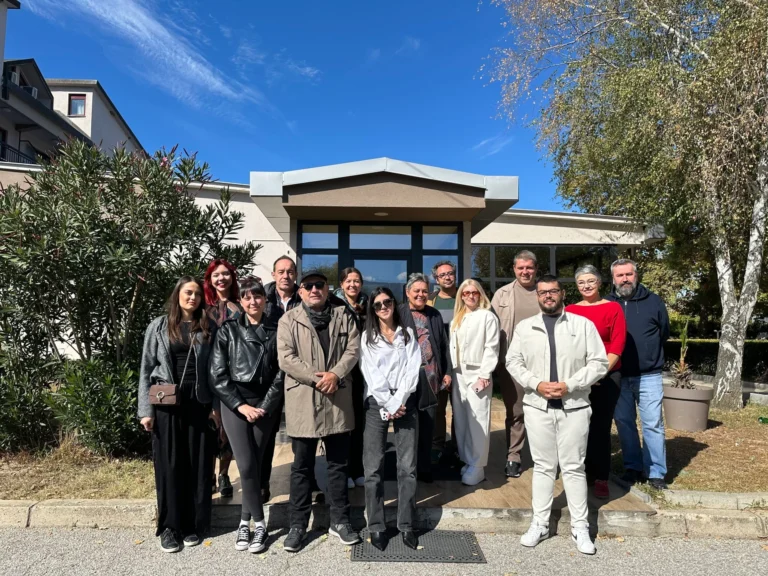
Today, the educational workshop “Fashion, Waste and Our Choices” was held at the premises of LET Station, organized in collaboration with Teksomak – a collective handler of textile waste. The event was attended by 20 young people interested in learning more about the impact of the fashion industry on the environment and the ways in which each of us can contribute to more sustainable management of textile waste.


Through an interactive discussion, the participants discussed contemporary fashion trends and consumption habits, the type of clothing we wear most often, as well as the lifespan of textile products. Special emphasis was placed on the question of what happens to clothing after we stop using it and what are the consequences of improper handling of textile waste. The workshop explained the role of collective waste handlers, the difference between a collective handler and a recycler, as well as the obligations and responsibilities that these entities have in the waste management system. The participants had the opportunity to learn where they can dispose of textile waste, how it is collected and selected, and what the next steps are in the process of its further treatment.

The event was also broadcast live on Facebook, allowing the wider public to join in the discussion. Both workshop participants and Facebook Live followers asked numerous questions related to recycling, textile reuse, and waste reduction opportunities, which contributed to a dynamic and useful exchange of information.
One of the most significant conclusions from the event was that young people show great interest in topics related to sustainable fashion and textile waste, but at the same time have limited information about how the system for collecting and further handling waste textiles works. The numerous questions asked during the workshop and the Facebook Live discussion showed that participants want to be part of the solution, but often do not know where and how to properly handle the clothes they no longer use. After the discussion, participants gained a better understanding of the difference between a collective handler and a recycler, the path that textile waste takes after its disposal, as well as the concrete steps that each individual can take to contribute to reducing the negative impact on the environment. This confirmed the need for continuous education and opening up space for such conversations, especially among young people.
The workshop “Fashion, Waste and Our Choices” was the eighth event organized within the framework of the “Green Friday” initiative. This activity rounds off the current cycle of the initiative, within which a series of educational, informative and activist events dedicated to environmental protection and encouraging sustainable habits among citizens, especially among young people, were realized. Although this cycle is ending, “Green Friday” continues. After the summer break, the initiative will return in September with new activities, events and opportunities for civic participation aimed at raising awareness and encouraging concrete actions for a greener and more sustainable community.

*The activity is within the framework of the project “Eco Initiative: Citizens and Local Government in Action for Environmental Protection!”, implemented by the Association LET Station, within the framework of the sub-granting program of the project “Good Environmental Governance of the Green Agenda for the Western Balkans”, implemented by the Center for Legal Research and Analysis, the Macedonian Young Lawyers Association and Front 21/42, and is financially supported by the European Union.