
The Civil and Business Sectors Need Partnerships for Sustainable Cooperation
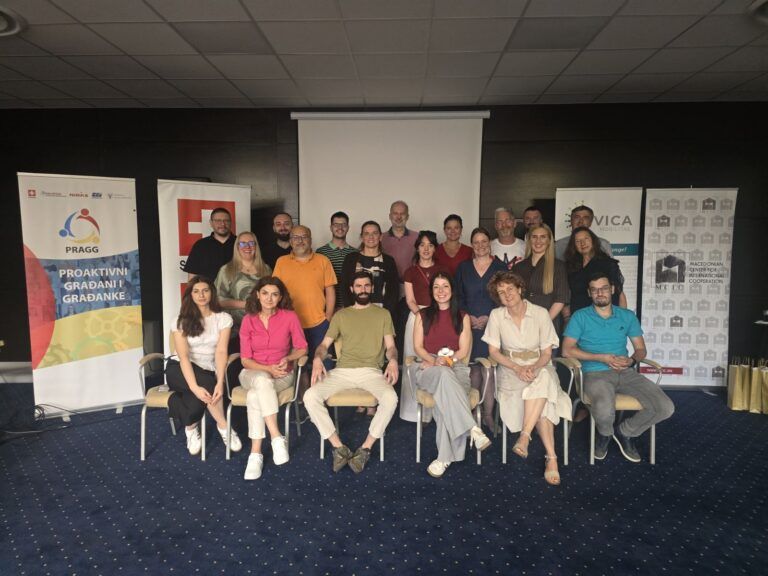
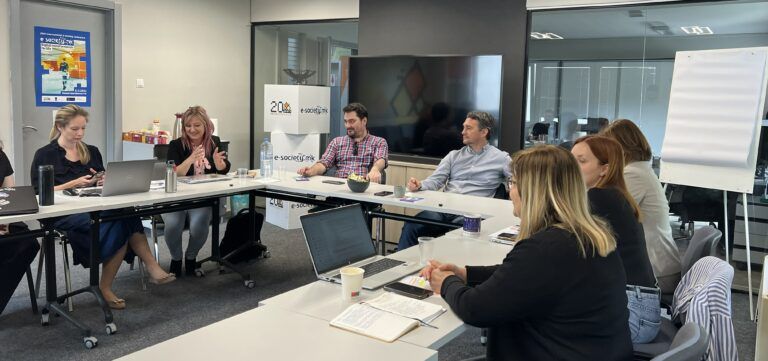
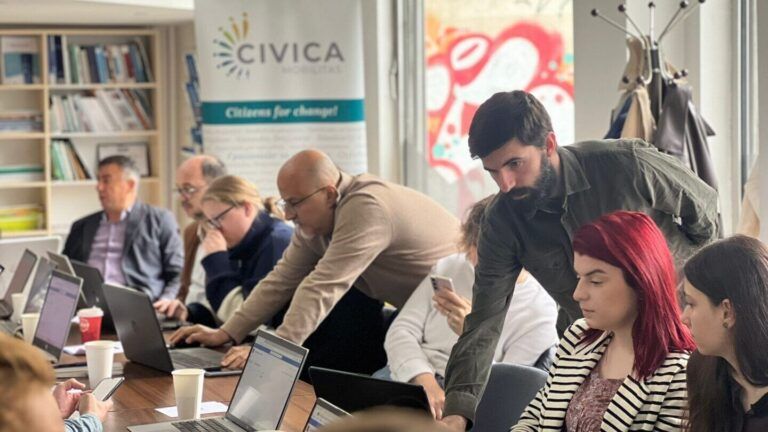
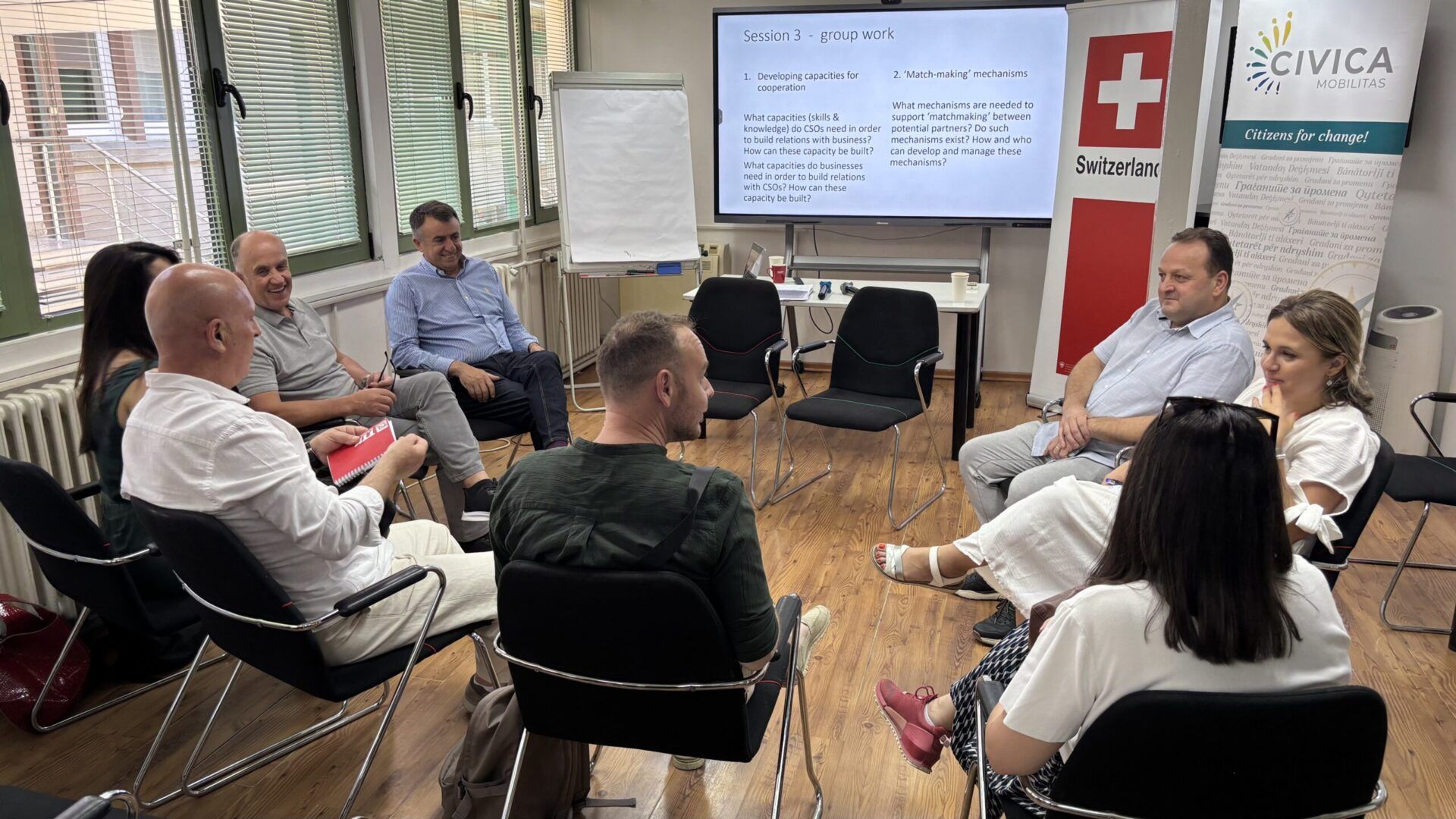
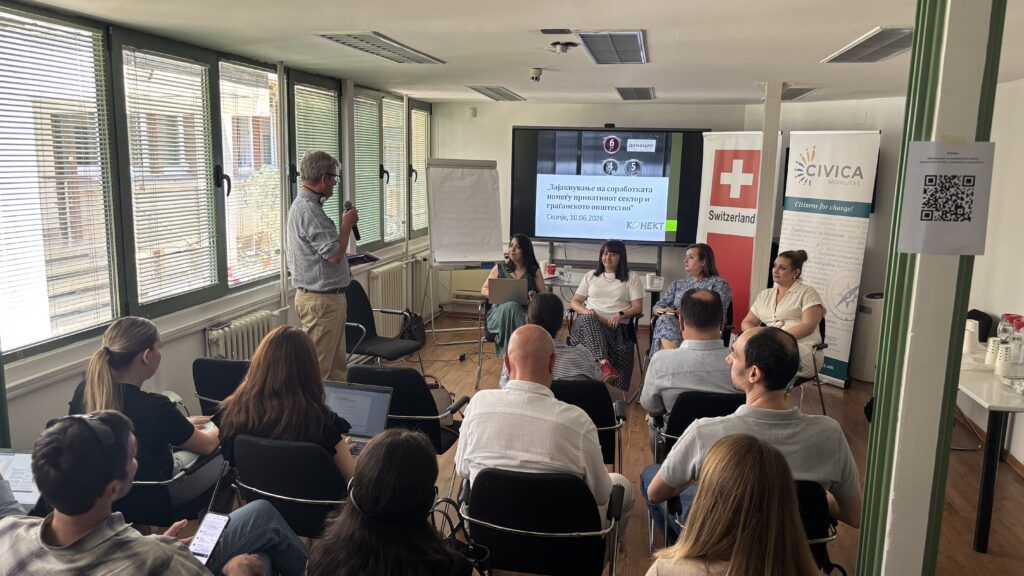
“From Short Term Donations to Long Term Partnerships”! This was the key message of the workshop “Strengthening the Cooperation between the Private Sector and Civil Society”, which took place on 10th June in Skopje. More than 20 CSO representatives discussed how the cooperation with companies can develop into a sustainable model that creates broader social impact, instead of remaining at an ad-hoc support to events and activities.
The participants worked and discussed with Simon Forrester, an international Civica Mobilitas expert who shared European practices for structured and long-term cooperation among the civil sector, business and institutions.
Forrester stated that the cooperation in a number of European countries is not limited to donations only, but it entails partnerships with clear rules and common goals. He gave the example of Denmark, where there is “Compact”, a document that sets joint principles for cooperation. “This is useful because the organizations can refer to it when they want to cooperate with companies”, he stressed.
He added that the corporative social responsibility has become more and more a framework for joint action, where in countries such as Danmark, Ireland and Italy there are partnerships developed in areas related to employment, education, social inclusion and local development.
The discussion about the state of affairs in North Macedonia was especially interesting. The participants shared their experiences which show that the companies most often support specific events and activities, while it is much less frequent for them to engage in longer-term partnerships which contribute to the development and sustainability of the organizations themselves.
The representatives of a number of organizations said that the cooperation with the local businesses if often built gradually, via personal contacts, trust and continuous communication. Examples of companies that provide financial support, training, products or services for implementation of activities of public interest were shared but also experiences that show how difficult it is for the organizations to explain and present their impact before potential supporters.
“It is difficult to persuade the people to give you funds for something that is abstract for them. That needs a lot of work, and as organizations we have no teams that work on philanthropy only”, said Margarita Gulevska from “Open the Windows”.
The discussion paid special attention to confidence as a precondition for successful cooperation. Ivana Hadzi-Mitova from Konekt spoke about her experience in connecting the companies and CSOs, stressing that many organizations still underuse the possibilities provided by the local business community.
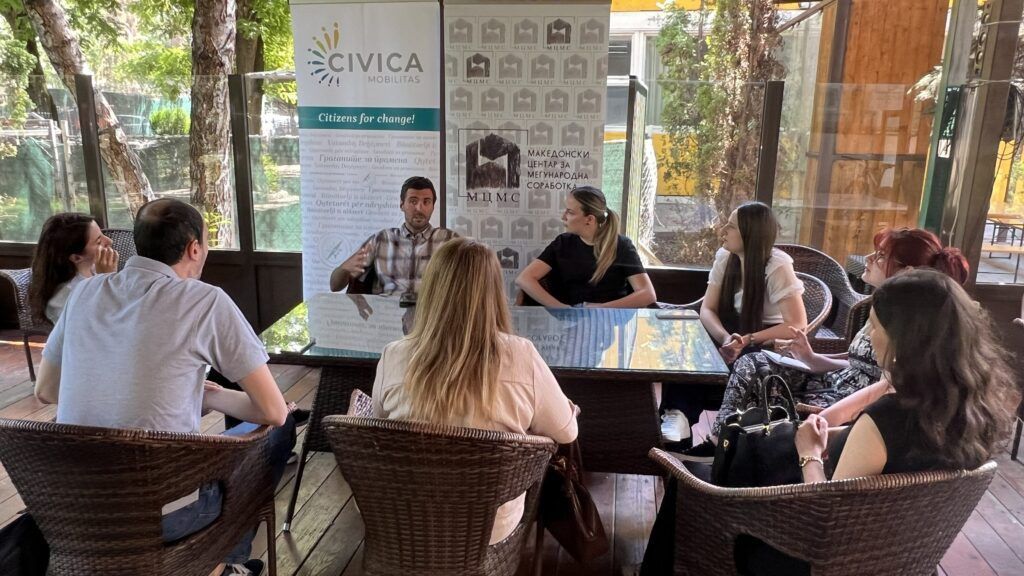
“We should not see the companies as a big bag of money. Communication, relation and confidence are crucial”, said Hadzi-Mitova.
She underlined that only small part of the companies in the country had cooperated with CSOs and that there was a significant underused potential for development of partnerships that would contribute to resolving local issues and improving the quality of life in the communities.
Elena Petrushevska from MASIT – Chamber of Commerce on Information and Communication Technologies spoke as a representative of the business sector. She said that the companies receive many requests for support on daily basis and therefore it is especially important for the organizations to have clearly defined goals, specific proposals and realistic expectations.
“It is necessary to speak more about the successful stories so that the public can see the benefits on both sides. One needs an open conversation and clearly defined goals”, stressed Petrushevska.
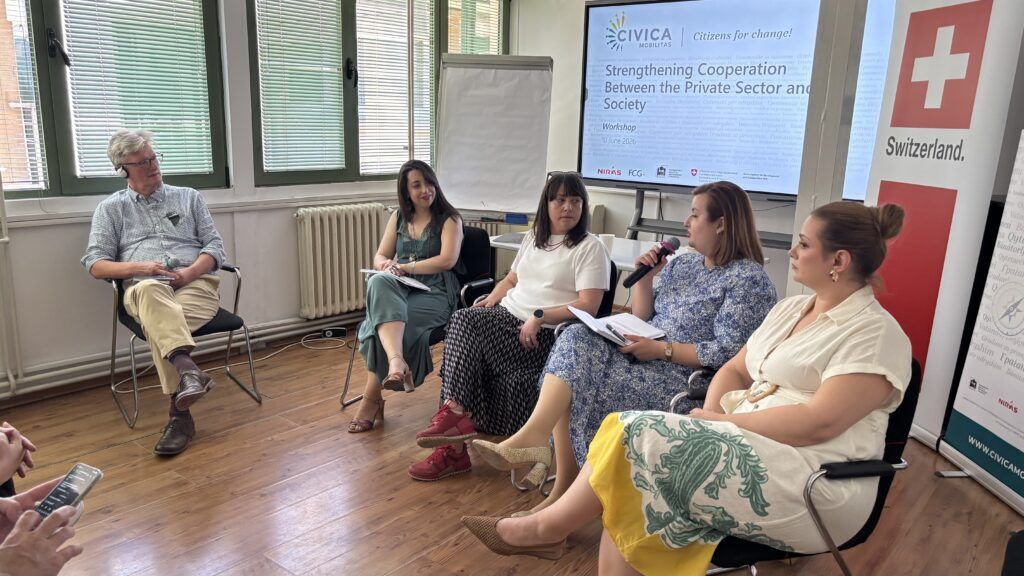
The discussion was also joined by Snezhana Kamilovska from MCIC, who said that CSOs and business sector should look for joint interest and develop partnerships also in the area of advocacy and public policy creation. According to her, the access to the chambers should be primary and, as she stressed, “they should be included in everything that we do”.
The participants agreed that in order to have more successful cooperation one needs better mutual understanding, more frequent communication and building long-term relations based on confidence and common values. It was stated that the need for CSPS to show their impact in a more understandable and more accessible way is especially important, and the companies should recognise them as partners in dealing with social challenges.
The workshop ended with networking of the participants and a discussion on the possibilities for new partnerships, joint initiatives and access to local and European sources of support.
“I really enjoyed the workshop and I can say that all three sessions were quite good and inspirational. I especially liked the fact that not only positive and already proven practices were shared but also challenges and experiences that have not always given the desired results. This honesty and exchange of different perspectives make the discussion richer and more useful for all participants”, said Sara Nikolovska from “Young People Can”.