
EPI: CSOs should have a structured and meaningful role in the RGF Monitoring Committee
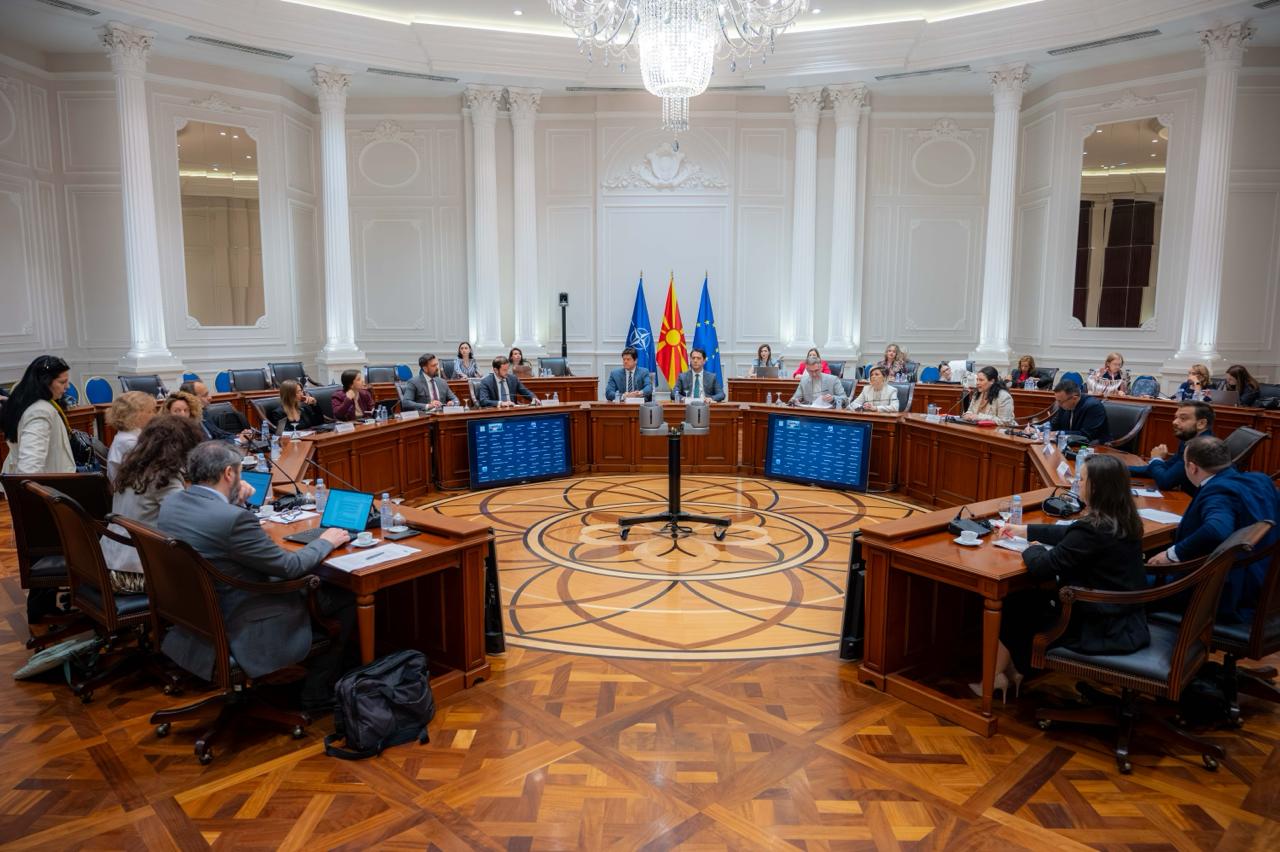
The European Policy Institute – Skopje participated in the second meeting of the Monitoring Committee for the Reform and Growth Facility (RGF), with representatives of the European Commission, the Delegation of the European Union, national institutions, civil society organisations and international partners.
The meeting focused on reviewing the implementation of North Macedonia’s Reform Agenda and discussing how different stakeholders can contribute to ensuring that reforms supported through the RGF deliver visible and measurable results.
EPI contributed to the discussion by presenting key messages and recommendations developed through its monitoring work and the National Consultative Mechanism for the Reform Agenda (NKM-RA), implemented as part of the regional “WB Reform and Growth Monitor” project. EPI noted that regional exchange can help identify useful models and good practices for addressing the shared challenge of structured civil society participation.
Our researcher, Fikrija Tair Selmani, emphasised that, for CSOs’ contribution to be meaningful, the valuable role of civil society as a constructive partner in the Reform and Growth Facility process should be further acknowledged and supported through structured participation. She also underlined that, through policy knowledge, field-based experience and evidence, civil society organisations can support institutions in identifying implementation challenges, improving the quality of reforms and ensuring that progress is reflected in concrete benefits for citizens, businesses and institutions.
She recalled that civil society participation in the Monitoring Committee is regulated by the Rules of Procedure, which allow structured participation as well as direct invitations. Following this framework, the invitation and selection process should be inclusive and transparent, based on credible criteria. Building on positive practices from the region, CSOs should be more systematically engaged in monitoring and policy dialogue processes, including through written contributions, comments and recommendations before and after Committee meetings, in addition to spoken input during the meetings.
She also emphasised that timely access to all relevant documents before and after meetings is essential for meaningful participation, including supporting materials, conclusions and follow-up documents. More broadly, the challenge goes beyond North Macedonia and is relevant across the region. The Monitoring Committee therefore has an opportunity to set a positive example of transparent and inclusive monitoring by including CSO representatives as members, with clearly defined roles, rights and responsibilities. Such an approach would contribute to the quality of dialogue and help ensure that reform implementation is monitored in an inclusive, evidence-based and results-oriented manner.
In this context, several recommendations were highlighted for strengthening civil society participation in the work of the Monitoring Committee:
- Establish formal CSO representation in the Monitoring Committee, with clearly defined roles, rights and responsibilities.
- Ensure inclusive and informed participation by providing timely access to relevant information and space for both written contributions and spoken CSO input.
- Strengthen transparency and follow-up by publishing key documents and explaining how recommendations are considered.
EPI remains committed to supporting an open, inclusive and evidence-based dialogue on the implementation of the Reform Agenda, contributing to efforts to ensure that the Reform and Growth Facility delivers tangible and sustainable benefits for citizens, businesses and institutions.
The post EPI: CSOs should have a structured and meaningful role in the RGF Monitoring Committee appeared first on EPI.
This post was originally published on this site