
ANDJELA MINIC: YOUNG PEOPLE SEE EU INTEGRATION AS A PATH TO A BETTER FUTURE
Interview with Andjela Minic: Young People See EU Integration as a Path to a Better Future
Interviewed by: Enis Shaqiri
BIRC Institute
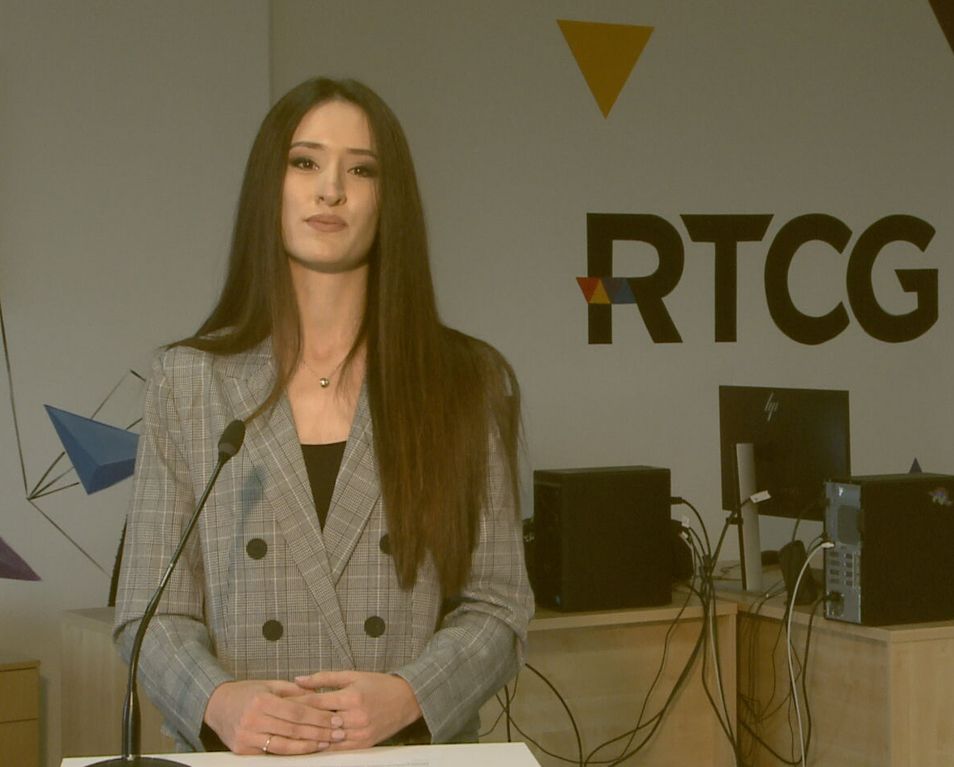
Andjela Minic is a journalist in RCTG( Radio Televizija Crne Gore). She has gained valuable experience working in Montenegrin media. Her professional engagement includes participation in numerous conferences and workshops focused on media standards, journalistic integrity, and the European integration process. In this interview for the BIRC Institute, she discusses the role of youth in the Europeanization process, the obstacles they face, and the opportunities for deeper interregional cooperation.
BIRC: Do you think young people have sufficient information about the process of European integration?
Andjela Minic : When it comes to Montenegro, I believe that young people have a relatively good level of awareness about the process of European integration. As a candidate country, often highlighted as the next EU member state, we are constantly engaged in public dialogue on this topic. European integration has been one of the most important issues in Montenegro in recent years, making it difficult to remain completely uninformed. It is particularly important that a large portion of information is shared through social media, which reaches young people in a way that is accessible and familiar to them.
BIRC :What are the main obstacles that prevent young people from engaging in the processes of Europeanization and democratization?
Andjela Minic : However, I believe that young people in certain, less developed areas of Montenegro do not have equal access to programs and projects related to democratization and Europeanization. Efforts should be made to ensure that such initiatives are equally available to all young people, regardless of where they live.
BIRC :How can interregional cooperation among youth be improved in the context of European integration?
Andjela Minic : Improving cooperation can be achieved through the involvement of all levels of government — both local and national — in partnership with organizations dealing with youth issues, as well as educational institutions. In this way, young people from different regions and countries could be engaged in projects related to Euro-Atlantic integration, thereby raising their awareness of the importance of EU accession.
BIRC :Are the current EU programs for youth (such as Erasmus+) sufficient to promote Europeanization in the Balkans?
Andjela Minic : Erasmus+ is a high-quality program in which a significant number of students have participated. However, since not all young people in Montenegro pursue university education — which is a prerequisite for participating in the Erasmus program — I believe it would be worth considering the creation of a similar initiative for high school students. This could spark their interest in further education and provide them with additional motivation to continue their studies after high school.
BIRC :. How can disinformation and anti-EU propaganda that influence young people be effectively countered?
Andjela Minic : Supporting quality media outlets that adhere to professional reporting standards and do not allow the dissemination of disinformation is essential. In addition, it is important to educate young people and present them with different perspectives so that, based on verified information, they can form their own conclusions. Media literacy should also be developed through the education system, enabling young people to become more resistant to manipulation.
BIRC :Do you think there is Euroscepticism among young people, and what are the main factors driving it?
Andjela Minic : In Montenegro, there is virtually no Euroscepticism. According to the latest research from November 2024, more than 80 percent of young people support Montenegro’s accession to the EU. “The results showed that as many as 81.2% of young people support Montenegro’s entry into the European Union. This figure clearly demonstrates that young people recognize European integration as an opportunity for a better future, greater employment opportunities, and higher-quality education,” states the research funded by the Montenegrin Ministry of European Affairs.
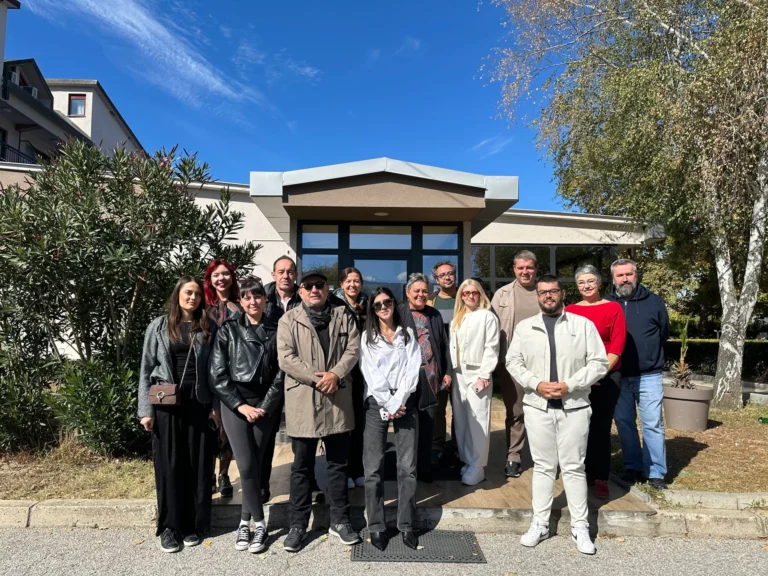
This interview was prepared within the framework of the project “Youth Inclusion for the Europeanization of the Balkans”, implemented by the BIRC Institute from North Macedonia, NGO GLAS from Montenegro, and CFID from Kosovo, with support from the Western Balkans Fund and co-financing from the European Union.
This interview was prepared with the financial support of the European Union. The content is the sole responsibility of the authors and in no way reflects the views of the European Union.
![[Aggregator] Downloaded image for imported item #51393](https://civicamobilitas.mk/wp-content/uploads/2026/10/share-default-768x403.jpg)
![[Aggregator] Downloaded image for imported item #52261](https://civicamobilitas.mk/wp-content/uploads/2026/10/regional-comparative-analysis-on-ppp-concessions.png)
![[Aggregator] Downloaded image for imported item #52259](https://civicamobilitas.mk/wp-content/uploads/2026/10/Quality-Label.png)
![[Aggregator] Downloaded image for imported item #52203](https://civicamobilitas.mk/wp-content/uploads/2026/10/Cover_MM-Albania-600x400-1.jpg)