
THINK TANKS: THE “FACTORIES” OF IDEAS THE BALKANS STILL REFUSES TO HEAR
Unfortunately, the political matrix in the Balkans operates differently. It is built primarily on the logic of preserving power and managing day-to-day political calculations. What the Balkans needs is not more politics, but institutions that are willing to listen to knowledge. If we want a region that truly moves forward, we must restore respect for ideas. Because development does not begin with budgets or election campaigns—it begins with a good idea, grounded in knowledge and transformed into creative solutions.
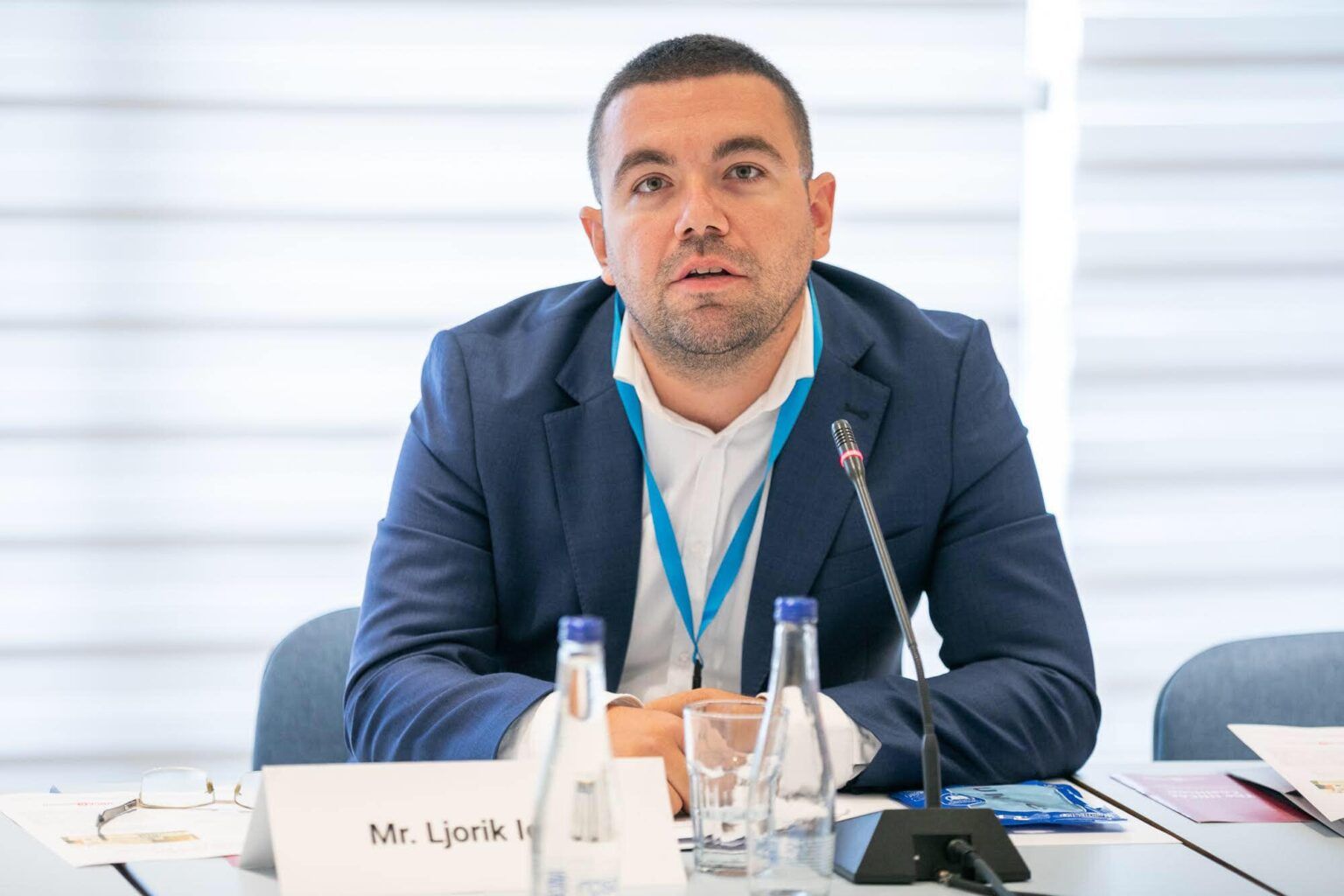
By Lorik Idrizi
During one of the sessions of the Aspen Institute program, I came across a definition that has stayed with me ever since: think tanks are factories of ideas. They do not produce political power; they produce knowledge and creative solutions. That is precisely why, across much of Europe, these institutions have become trusted partners of public authorities, contributing to the design of policies grounded in evidence, scientific research, and innovative thinking.
I believe that one of the Balkans’ fundamental challenges lies precisely here. Political parties, by and large, remain insufficiently open to analytical centers and institutes that generate ideas. They rarely regard their expertise as a valuable source for policymaking. When cooperation does occur, it is often symbolic—collaboration for the sake of appearances rather than driven by a genuine willingness to benefit from the knowledge and experience these institutions offer.
In Europe’s more mature democracies, think tanks serve as bridges between academia, civil society, and politics. They test ideas, analyze complex problems, compare international models, and propose practical alternatives. This creates a political culture in which policymaking is guided not only by intuition or electoral calculations, but also by evidence, sound argument, and creative solutions.
In the Balkans, unfortunately, the political matrix operates differently. It has been built largely around the logic of preserving power and navigating day-to-day political calculations. In such an environment, creativity is not encouraged; on the contrary, it is often perceived as a threat. Politics becomes inward-looking, losing its capacity to listen to new ideas capable of offering meaningful and innovative solutions.
This mindset does not begin in politics alone. It is cultivated much earlier. It starts within the family, continues through preschool education, school, and eventually university. From an early age, individuals are often taught to adapt to predetermined frameworks, to avoid challenging authority, and to refrain from thinking differently. This culture of conformity gradually suppresses creative energy, the courage to experiment, and the ability to generate innovative solutions.
Education and politics are the two pillars upon which the development of any society rests, while the family provides the social foundation that connects them. When education fails to nurture critical thinking, and politics fails to value expertise capable of generating creative solutions, society loses the very substance from which new ideas emerge. The education system cannot truly transform without political support, while politics, if confined to the logic of electoral survival, loses its ability to lead development.
This is why political parties across the Balkans must become far more open to centers of expertise and independent thought. Not to use them as institutional decoration or to legitimize decisions already made, but to integrate them as genuine partners in the policymaking process. Our region does not suffer from a shortage of experts. On the contrary, it is home to institutes and organizations with considerable experience, extensive international networks, and deep knowledge of European best practices.
Of course, these models cannot simply be copied. They must be adapted to the Balkan reality, to our institutional, economic, and societal challenges. This is precisely where the true value of think tanks lies: in their ability to translate international experience into practical, context-sensitive policies that work locally.
The Balkans does not simply need more policies; it needs institutions that are willing to listen to knowledge. If we want a region that moves forward, we must restore respect for ideas. Because development does not begin with budgets or election campaigns—it begins with a good idea, grounded in knowledge and transformed into creative solutions.