
International Roma Day through the Civil Society Prism
The International Roma Day is another possibility to check the progress of the society regarding the challenges that our citizens face, but also a possibility to recognise the contribution of everybody that works on daily basis to overcome them.
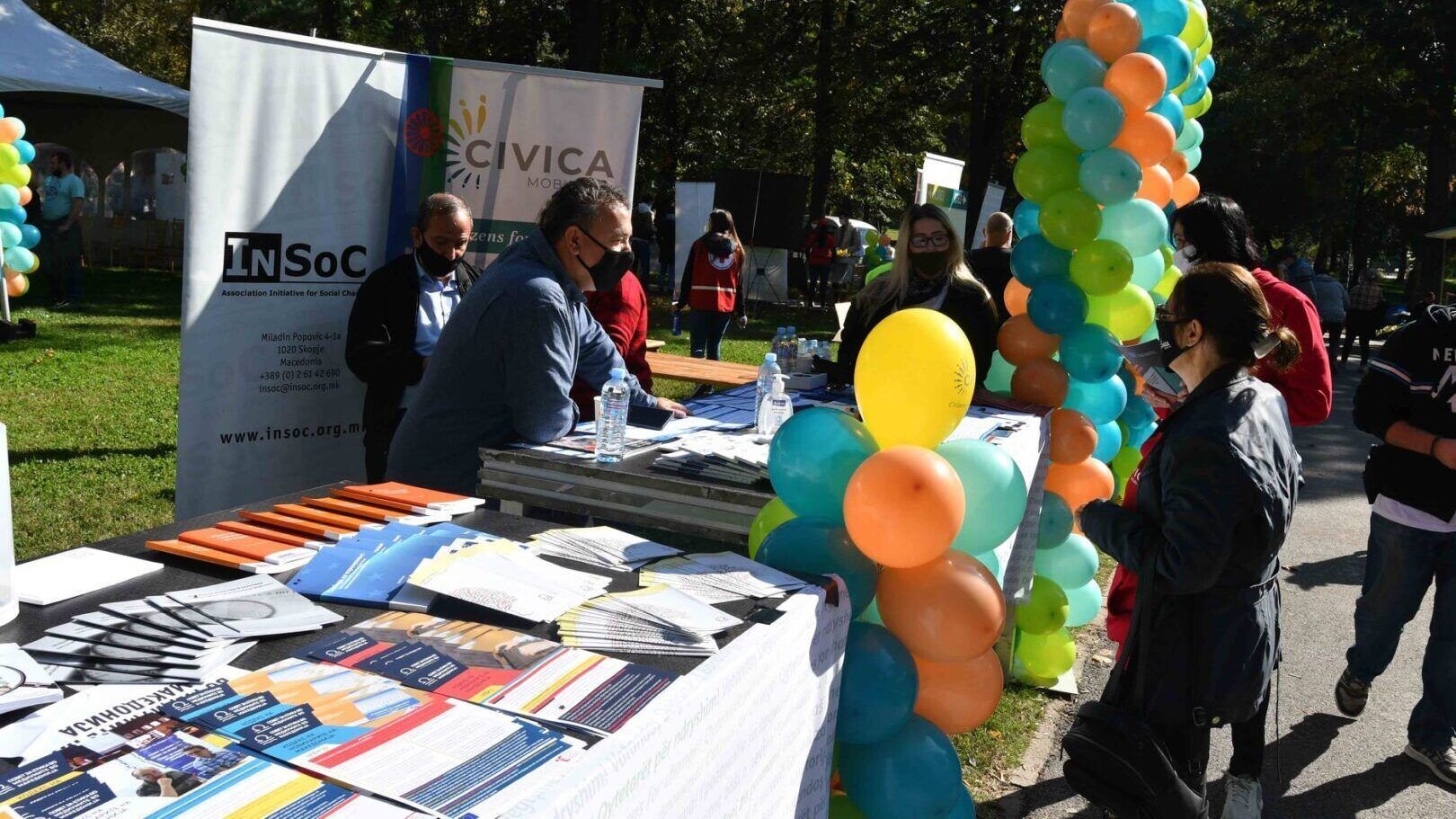
In this process, CSOs have the key role. They are a bridge between the community and institutions, providing information, support, advocacy and specific services where the system is often insufficiently available. With field work, education, psychosocial and legal support, accompanying the people to the institutions, economic empowerment, advocacy, research and public campaigns, they contribute to improving the access to rights and services, decreasing discrimination and bigger involvement of Roma in the social life. Or, as Samet Skenderi from InSok organisation, “CSOs always carry the weight of the daily challenges of the Roma community, but at the same time carry the light of hope”.
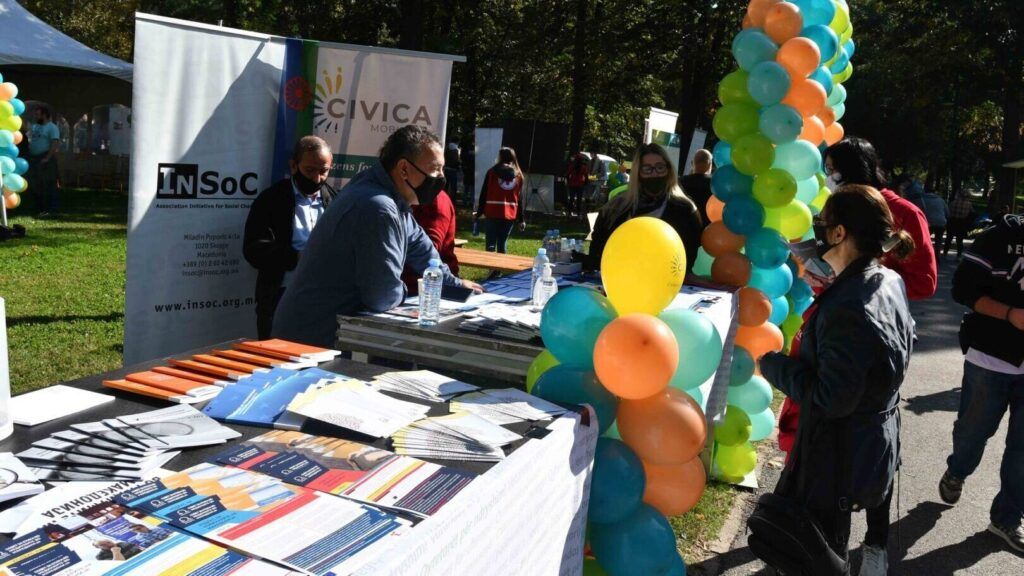
Past years have shown that the support of Roma organizations brings concrete results.
“Roma CSOs, including our association, have achieved significant results in the field, such as the increased level of information with more than 1,200 Roma women when it comes to sexual and reproductive health, support in hundreds of cases for fulfilling social and family rights, work on discrimination cases with accompanying them to institutions, as well as support in access to health services and reacting to irregularities, including illegal payments”, stress the employees at the Association Initiative for the Rights of Shuto Orizari Women”.
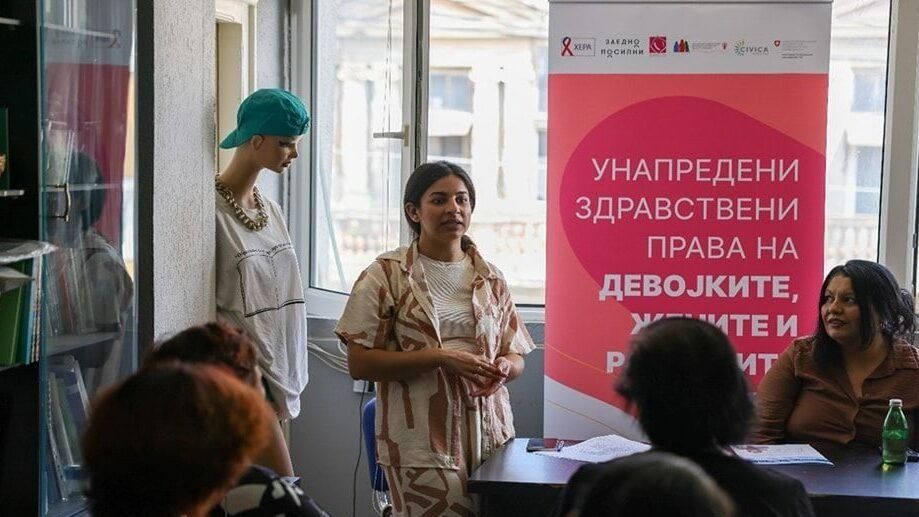
According to them, the initiatives for psycho-social support are also significant, as well as the efforts to create safe spaces for the victims of gender based and domestic violence. Such an examples is the opening and work of “ISI ARKA” centre in Shuto Orizari, which provides psycho-social support to victims of gender based and domestic violence, and via public campaigns and actions, they raise the awareness about equal access to health care and encourage institutional changes.
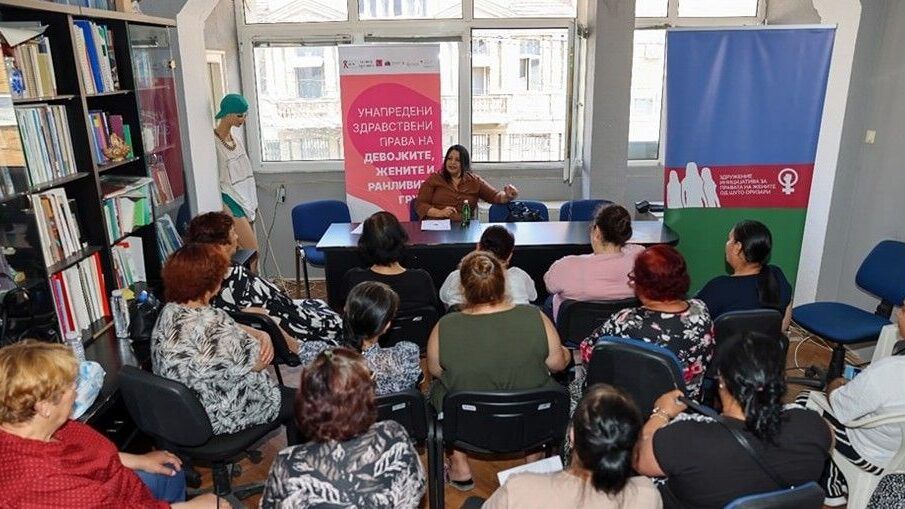
However, behind these achievements there is more than just figures. There are human stories – about women who have received support in fulfilling their rights, families that manage through the institutional system in an easier way, young people who were given more chances for education, citizens who have felt that they were not alone in their fight for dignified life. This is why the CSOs are not only implementors of activities, but also carriers of hope, trust and change.
“In the given social process, the continuous support from Civica Mobilitas programme is especially important, as through the years it has provided financial and institutional support to Roma CSOs from different regions in the country. Via grants, trainings and mentorship support, Civica Mobilitas enables that these organizations strengthen their capacities, develop sustainable initiatives and become influential stakeholders in public policy creation”, says Skenderi from InSok. He added that “thanks to this support, many Roma organizations managed to implement projects in the area of education, housing, health and fight against discrimination, which leads to lasting results for the community”.
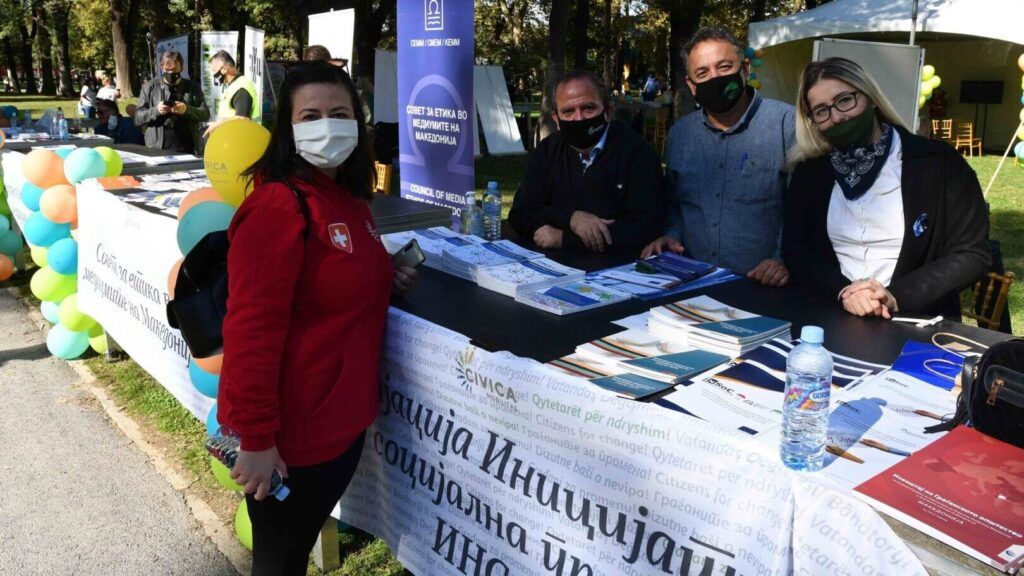
Figures confirm this. Civica Mobilitas has supported 21 projects in total, directly connected with the Roma communities and Roma CSOs, with a total budget of almost 19 million Denars, i.e. around 309,000 Euro.
However, this dedication does not start with Civica Mobilitas. From the very beginnings of its establishment, the Macedonian Center for International Cooperation – MCIC, or as of 1995, the first programme intended for supporting Roma – “Roma Empowerment”. Three decades later, this engagement has grown into a long-term institutional connection. Thus, up to today, MCIC has supported 119 projects intended for improvement and support of the lives of Roma in Macedonia.
Still, challenges remain serious. The Roma community continues to deal with poverty, unemployment, discrimination, limited access to quality health care, education and social protection. Further systemic advancement of the position of the Roma, strengthening the mechanisms for protection from discrimination and violence, bigger institutional accountability and bigger availability of services are needed.
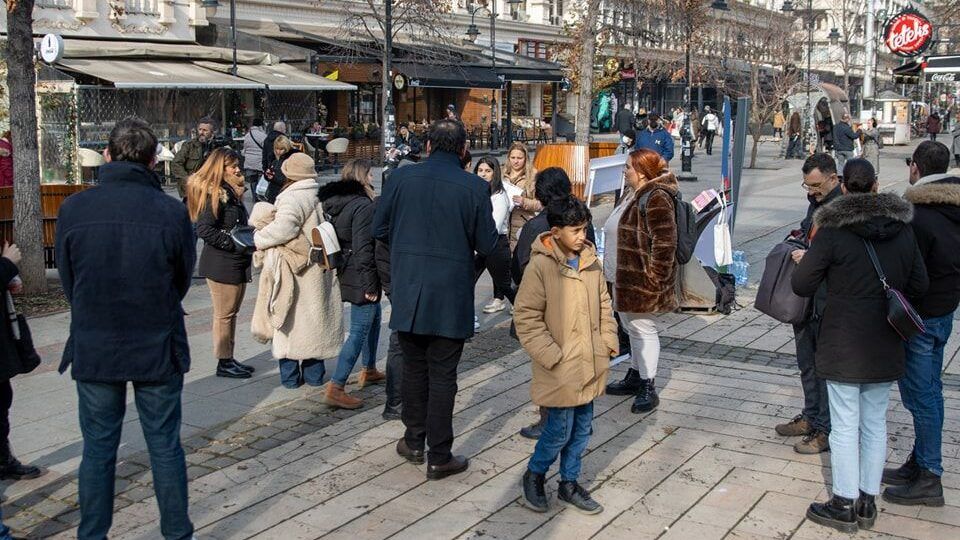
Therefore, on 8th April, apart from commending the Roma community, one needs to also commend CSOs that on daily basis, with dedication and perseverance work on more equal and more just society. Their work shows that the change is possible when there is solidarity, perseverance and real care for human dignity.