

“A Collective response is essential to overcome challenges and achieve sustainable results”
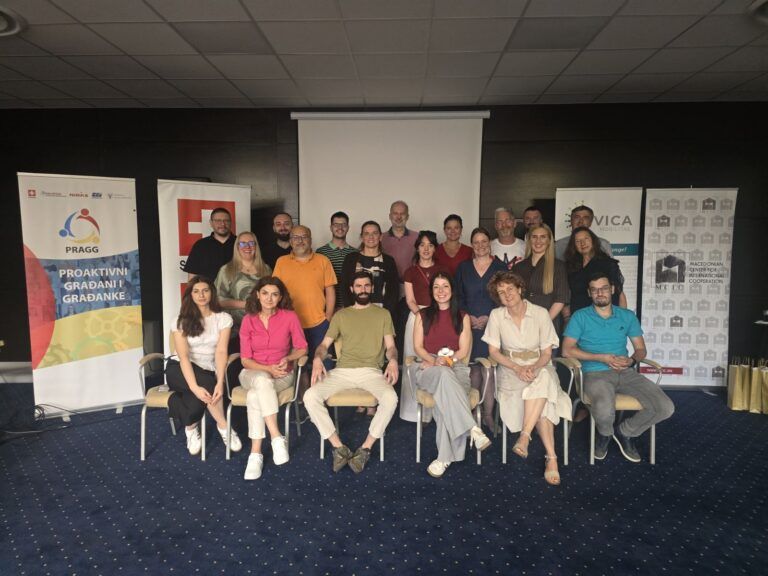
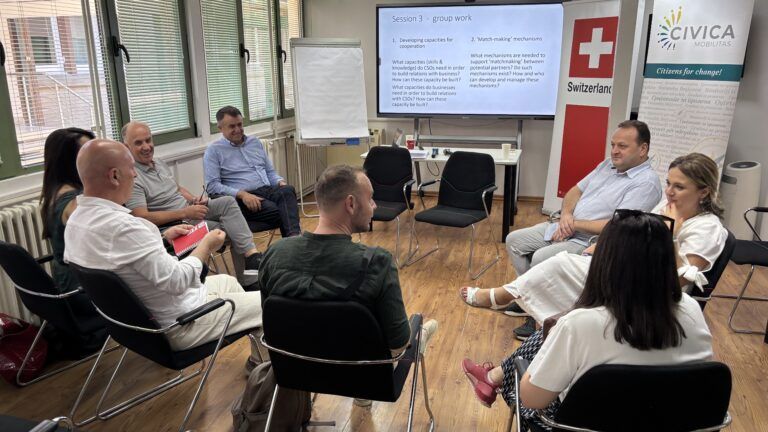
The exchange of experiences and discussions about challenges in implementing activities were the focus of the traditional Civica Mobilitas Networking Meeting held on December 4–5, 2024, in Skopje. Ninety-four representatives from 58 civil society organizations (CSOs), program grantees, and experts participated in the event.

“There is no democracy without a strong civil society at both the national and local levels,”emphasized Swiss Ambassador Véronique Hulmann during her address to the participants. She highlighted the importance of public trust in civil society, which provides credibility with decision-makers. According to her, Civica Mobilitas aims at this stage to enhance accountability between CSOs and citizens, foster dialogue with decision-makers like the Government and municipalities and strengthen advocacy capacities. These objectives are reflected in the awarded grants, given to organizations working together on shared causes and the changes they aim to achieve and promote.
“Your presence and active participation today and tomorrow are critical for the success of this meeting and the results we will incorporate into our future work,” said Darko Dimov, Civica Mobilitas Coordinator, in his opening remarks.
“Civica Mobilitas is a community that drives change,” stated Salija Beqir Halim from the Women’s Rights Initiative from Shuto Orizari. As a current grantee, she emphasized the program’s significance as a platform for supporting and networking CSOs. Highlighting the achievements of her organization, she underscored the value of partnerships and experience-sharing beyond financial support. “Together, we can build a just and inclusive society,” she concluded, noting the vital role of collaboration with Civica Mobilitas and other organizations in realizing a better society.
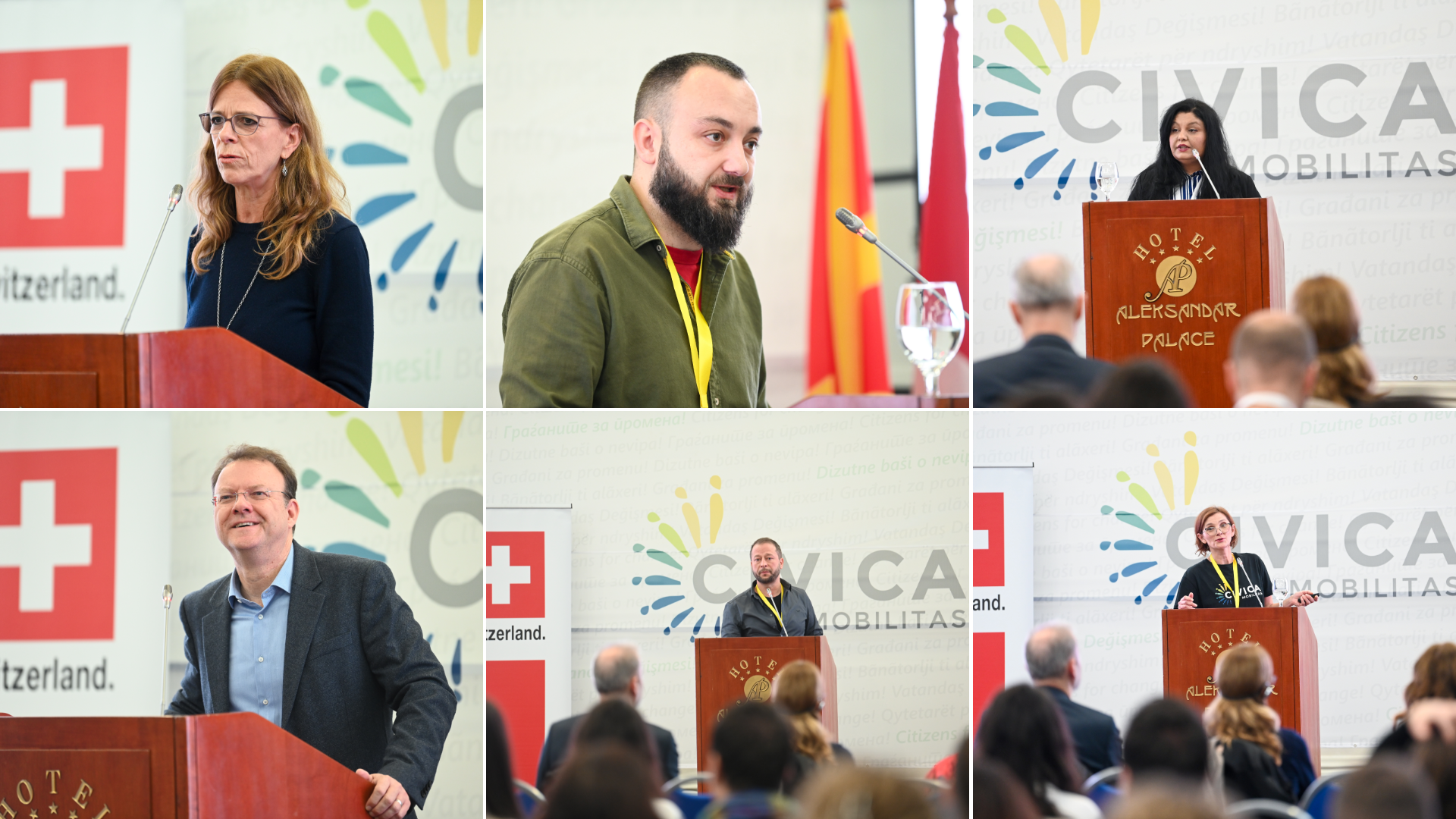
The discussions were underpinned by three reports on the state of civil society. Richard Allen, team leader of the TACSO 3 project, presented the EU Guidelines Assessment Report for civil society support in the Western Balkans for 2023. “We see a lack of government commitment to helping civil society,” Allen noted, emphasizing the need for governments to support CSOs with actions, not just words. The 2023 Enabling Environment Report for civil society development in North Macedonia, presented by Daniel Stanoeski from MCIC, highlighted a generally supportive environment with room for improvement, especially in institutional transparency and the inclusion of CSOs in decision-making processes. Natasha Serdarević introduced the Civil Society Code, encouraging organizations to adhere to its principles and expand the number of signatories.
Participants shared views on enhancing institutional transparency, structural cooperation, and decision-making processes. Ashmet Elezovski from the National Roma Center emphasized addressing economic crises, while Blagica Petreski from Finance Think noted the need to focus on the root causes of current challenges. Gjuner Nebiu from the Women’s Civil Initiative “Antiko” addressed the state of collaboration between the Government and civil society, particularly regarding the recent boycott of the Cooperation Council.

Ambassador Hulmann stressed the importance of strengthening communication with donors and sharing experiences and successes to sustain and expand support. She encouraged larger organizations to lead by supporting smaller ones and amplifying their voices. “A collective response is key to achieving lasting results and sustainable development,” she affirmed.
Participants also engaged in a political-economic analysis, initiated before the session by mapping key actors for project implementation. Led by Petrus Toines and Natasha Serdarević, the process focused on creating a shared project-level network to support future activities and grant objectives.

The analysis revealed that CSOs operate effectively in complex environments, leveraging formal and informal structures and hybrid spaces like social networks and online platforms. Their innovative use of resources and adaptability to societal dynamics enables them to achieve their goals.
The Civica Mobilitas team will document the contributions and outcomes from this meeting to inform future activities that promote civil society development and ensure sustainable social change.