Stories about Women Who Have Learned that Discrimination Is not “Normal”
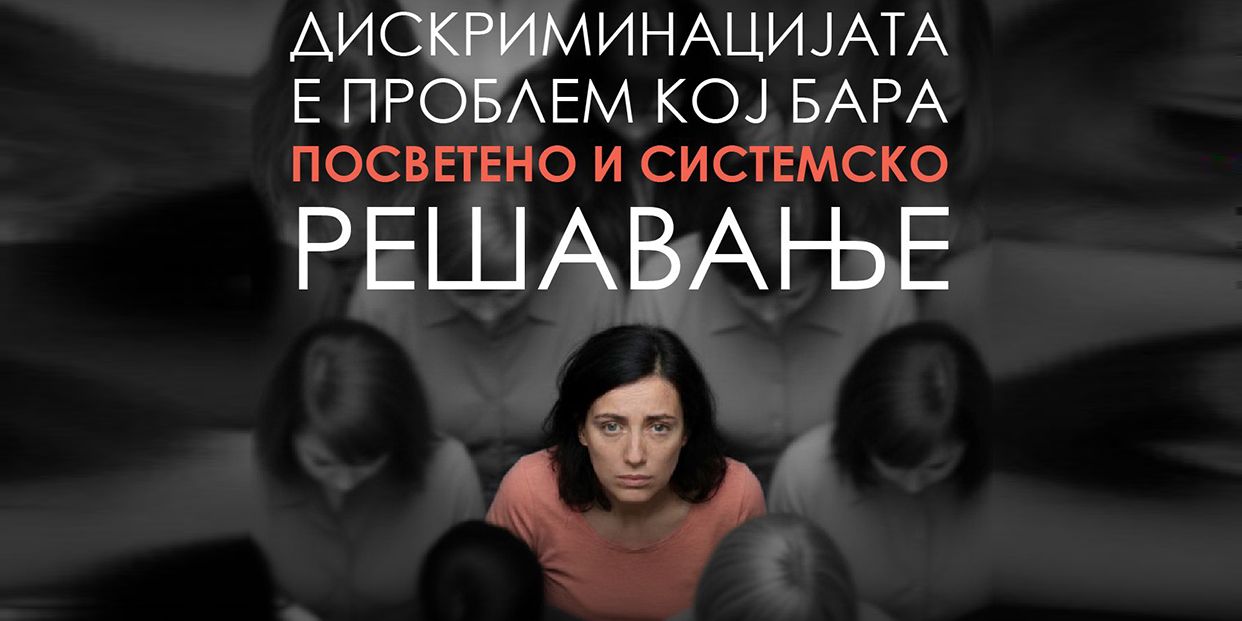
Discrimination against women is rarely recognized immediately. It is hidden behind “that is the way the system functions”, behind shame and fear of consequences. For many women, the first step is not an institutional report, but rather an inner struggle, i.e. if what they experience is injustice or just something that has to be accepted. The cases that CSOs work with show that discrimination as an occurrence can be manifested in different ways and in different environments – at work, in the institutions, on the street, etc. They also show something else, that the change starts when the women receive information, support and encouragement to speak up.
“Walking the dog in front of the building, one of the daily routines of a trans girl, has caused interested with an unknown man, who recorded ger on his mobile phone without her agreement. When she asked that the footage is deleted, the man denied that he had recorded her and refused to show her his phone. After this, upset and humiliated, she reported the case in the police, a step that she would not dare to take before. This was not the first time that she had felt humiliated. Previously she had been denied entrance to a restaurant, and a taxi driver that had called left the moment he saw her. For years, she had experienced situations like this as something that “had to be”, tell the people at the Helsinki Committee for Human Rights – HCHR, on one of the many experiences of the girls who had faced discrimination.
This trans women had not known for a long time that what she was experiencing actually had a name – discrimination. She knew even less that there were protection mechanisms and that she had the right to ask for help. Via multiple conversations with a paralegal from the Coalition Margins she had gradually started to recognize the different ways of discrimination based on gender identity. The support was not only informative, but also encouraging. The paralegal helped her understand that she was not alone and that her experience could not be described only as “hypersensitivity” but also as a real violation of her rights.

Although all situations had not had formal resolutions, for her the biggest change was the felling that she was protected and informed. According to HCHR, now she knows where she can address, as well as submit an appeal and no longer fear discrimination.
Similar feeling of helplessness was experienced by D.P (22), a young woman who moved to Skopje after her parents had found out about her sexual orientation. The new city for her meant an attempt for a new beginning, starting from work, independent life and attempt to build a feeling of security. However, when she asked for an urgent medical assistance one evening, due to strong pain in her stomach, she faced something that she had not expected.
At the emergency centre, instead of a professional behaviour, she experienced strange looks and insulting comments. She assumed that the reaction was connected with her appearance, short hair and muscular built, because of which she had often been mistaken for a male.
The nurse asked her questions that had no connection with her health condition and compared her with other patients. “Pain in the stomach? Hm… is it related to something that you have done? Or maybe it is hormonal with you… people like you?”
Upset and confused, D.P. tried to explain that he pain was becoming worse, but she was interrupted with a comment: “It is probably nothing. You girls that are not really… girls, you often exaggerate”, tell us the people at HCHR.
Despite her serious symptoms, the nurse gave priority to another patient. Later, the doctor confirmed that her case was actually more urgent, while the nurse showed no interest or awareness about the mistake that she had made.
Although this event made quite an impression on her, she decided not to submit a formal complaint, thinking that the process would be long and exhausting. Still, the discussion with the paralegal helped her to understand her rights and the possibilities for protection from discrimination in the health care system, and the feeling that somebody had listened to her and explained her her rights made her feel more secure. “It is important that now I know that this is wrong and that I have rights”, she shared.
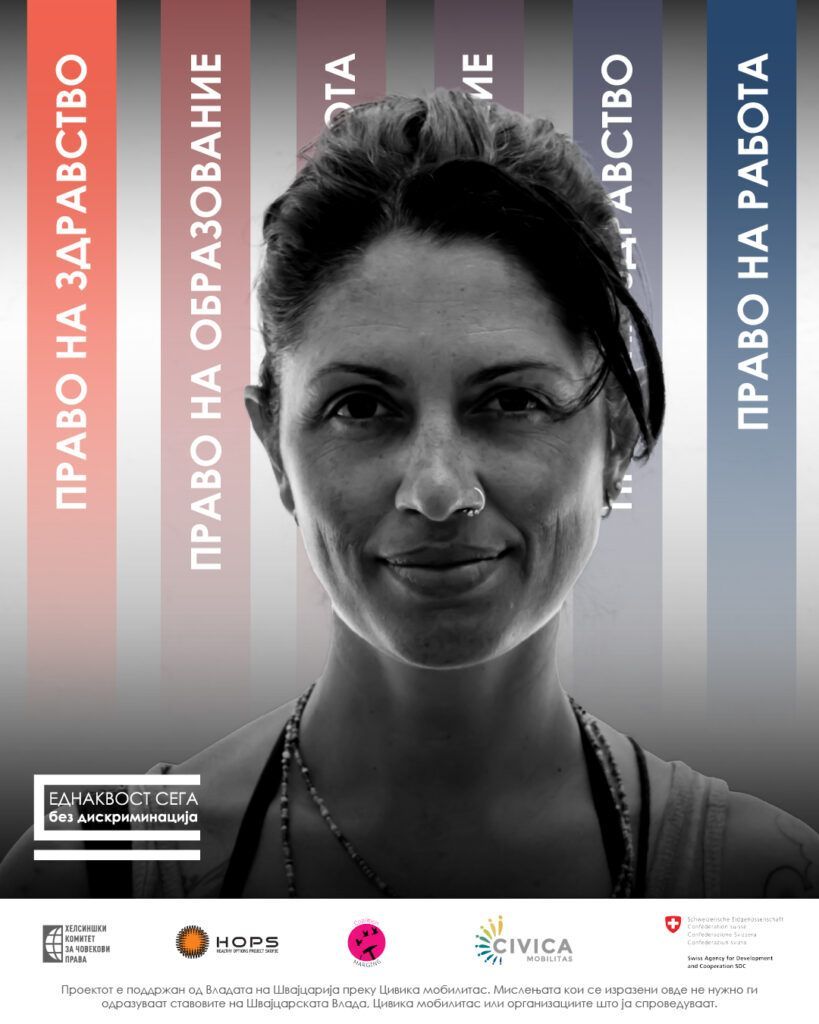
In the case of another trans women, the discrimination happened at a moment when she tried to find a job. Encouraged by an ad where it was stated that no prior experience was needed, she applied at the ad at a massage parlour. After the initial discussion, she was told to come for an interview. However, after she had sent her personal information, instead of a confirmation, she received a message: “Sorry, you are male”. Then she responded that she was a trans girl and asked if it was a problem. After this, the employee called her again and asked her questions about her gender identity, such as: “And what is that?” and “What do you mean, a trans girl?”.
Several hours later, she also received a message: “Hi, I am sorry, I spoke with the owner. He asks strictly that it is a girl. If you know one, you can recommend her.” This case was documented with the help of a paralegal and it is a clear example of discrimination based on gender identity in the employment process, an area that is crucial for economic security, and the access is often unequal for trans people. Although this case did not continue in a formal procedure on discrimination, the discussion process and the information helped her overcome the feeling of humiliation and rejection, obtain more self-confidence in protection of her rights.
Discrimination also has other grounds. A Roma woman, a single mother that had moved to Skopje to provide her child better education and life, faced humiliation when she tried to use hairstyling services. Instead of a greeting, she was insulted, yelled at and ridiculed in front of other people.
“When she opened the door, there was the hairdresser, the owner of the place and two more women who used the services at that moment. Immediately after she had entered, the client noticed strange and unpleasant looks by the two customers. Instead of a greeting or question about what she wanted as a service, the owner of the place looked at her angrily and yelled: “Get out of here! You just keep on begging!” tell us the people from HCHR.
Upset and scared, she did not dare for a long time to enter another hairdressing place. Although she had the chance to report the case, she decided not to do it because of previous negative experiences with the institutions. However, the contact with the paralegal did not end with the first conversation. With a number of meetings, she was provided with information, support and space to share her fears. She showed interest in the ways of protection from discrimination, asked questions about the procedures for reporting and shared other experiences from her daily life. Although the mistrust in the institutions remained, for her this process meant a significant temp – the feeling that somebody listed to her trusted her and treated her with dignity.
These stories are part of the work on the project “Equality Now – Empowerment of Marginalized Communities in Social Inclusion and Non-Discrimination” which is implemented by the Helsinki Committee for Human Rights – HCHR, in partnership with HOPS – Healthy Life Options Skopje and Coalition Margins, with the support of the Swiss Government via Civica Mobilitas. With free legal and paralegal aid, training and direct work with women from marginalized communities, the project contributes in strengthening of their information, self-confidence and trust in the mechanisms for protection from discrimination.
Not every story ends with a report. However, every story starts with the awareness that discrimination is not something that has to be accepted as “normal”. The way to justice is often long and difficult but being informed and supported is the first step to change. Sometimes, the first and most important victory is when women say: “Now I know that I have rights – and that I don’t have to be silent”.


![Sre]ni praznici(2)](https://civicamobilitas.mk/wp-content/uploads/2025/12/sreni-praznici2-768x432.jpg)