“Civil Sector Helps in Bridging the Gap between the Institutions and the People”
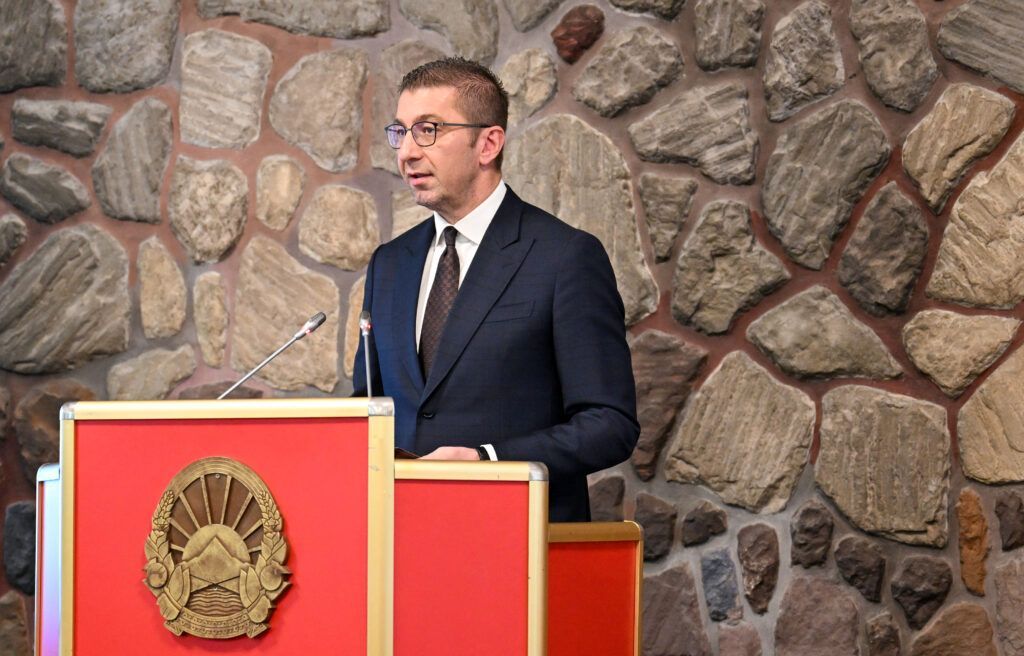
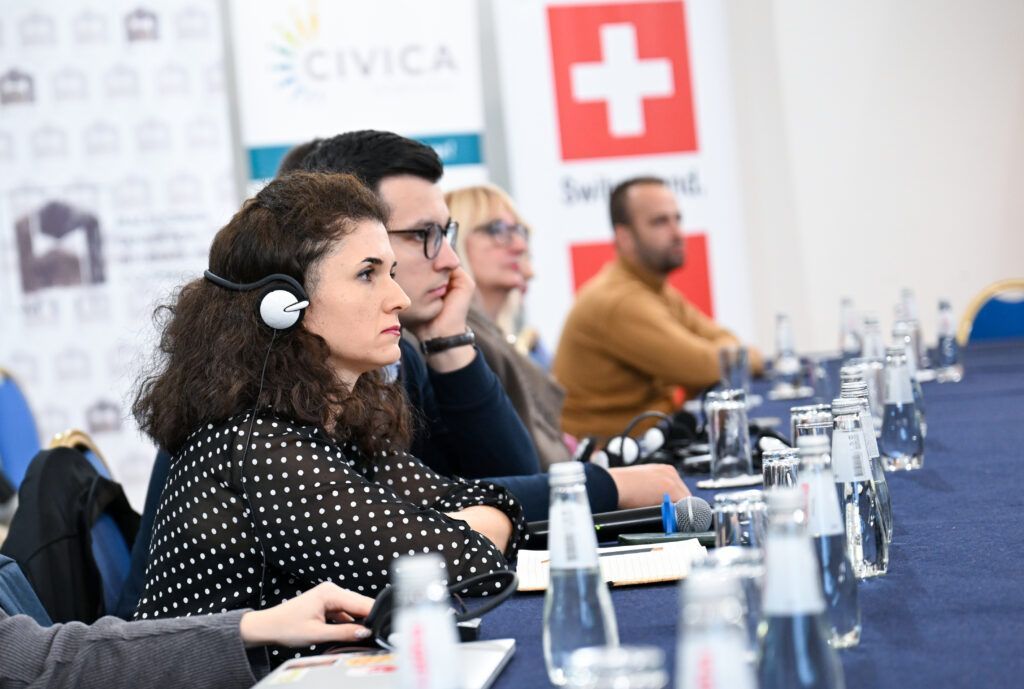
“No government, no matter how strong it is, can carry the changes itself. And no civil society, no matter how developed it is, can fulfil its role without institutions that are open, transparent and ready for dialogue”, said the Prime Minister Hristijan Mickoski at the opening of the National Forum – Fair of CSOs organized by Civica Mobilitas and the Government of the Republic of North Macedonia on 26th November 2025 at the Parliamentary Club in Skopje.
Prime Minister Mickoski spoke about the vision of the Government on the civil sector as strong, independent, professional and sustainable, a real partner on the creation and implementation of state policies. “Sector that strengthens democracy, protects the rights of the citizens, monitors the work of the institutors and helps in bridging the gap between the institutions and the people”, added he.
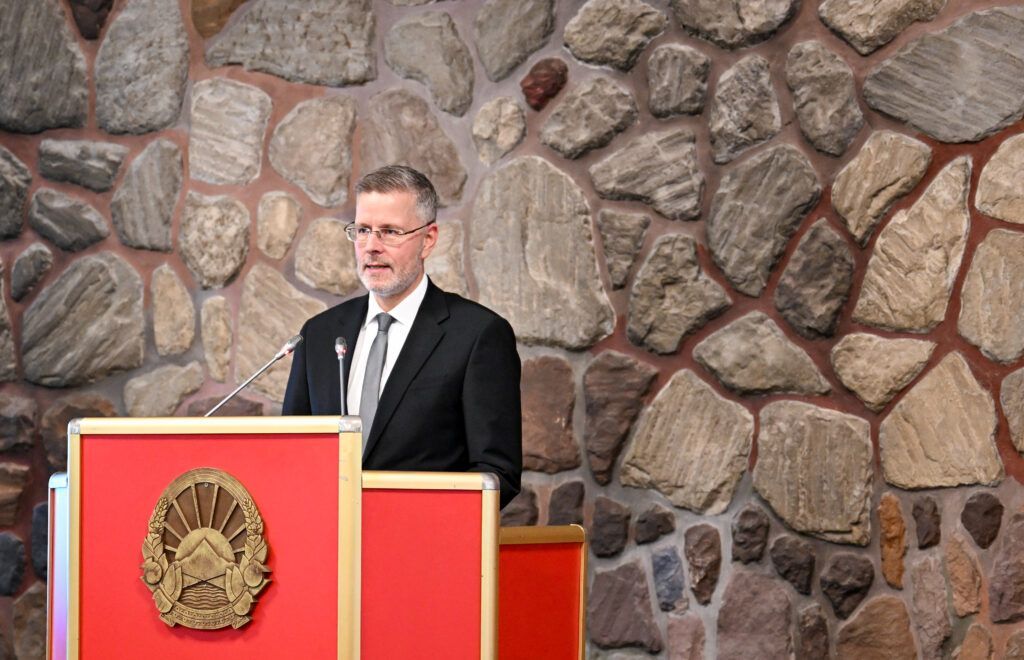
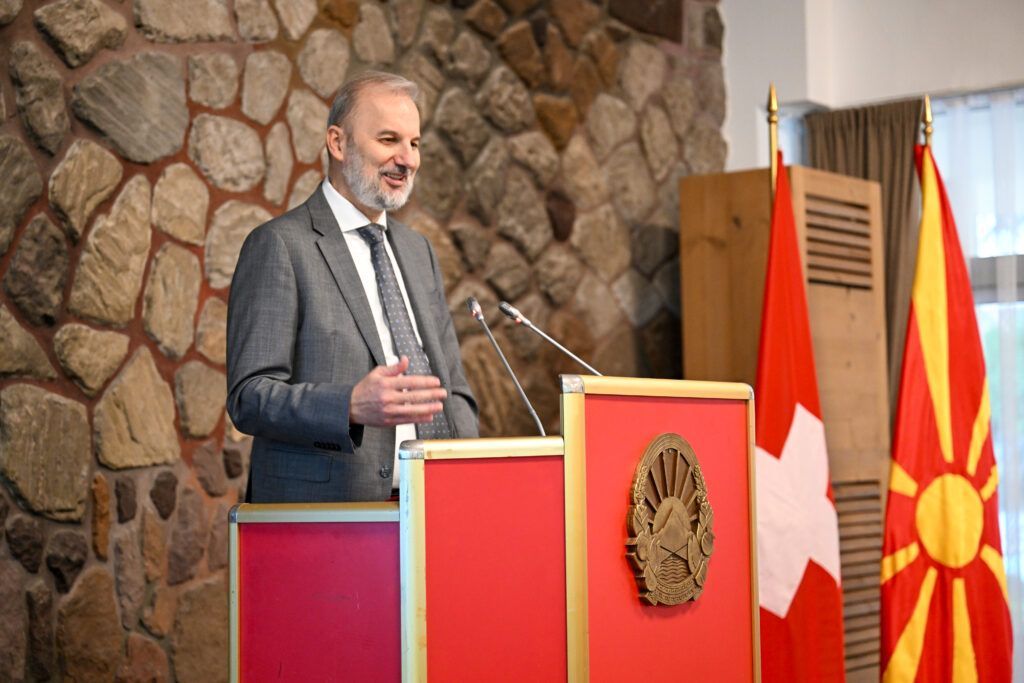
The participants were greeted by the Ambassador of Switzerland, H.E. Christoph Sommer. “In the essence of each functional democracy there is a strong civil society. It connects people with decision makers by advocacy for changes oriented to citizens, by giving the voice to those who might otherwise not be heard and by monitoring the work of the state institutions with respect to the access and quality of public services, as well as efficient and transparent use of state budget”, said he. According to Ambassador Sommer, the civil society organizations come from the needs and aspirations of their communities. “They are often a source of innovative solutions that can be promoted and applied in order to improve the policies and services in a number of sectors. In a more and more fragmented and polarized world, they stand for fundamental freedoms and they can have a valuable integrative role,” added he.
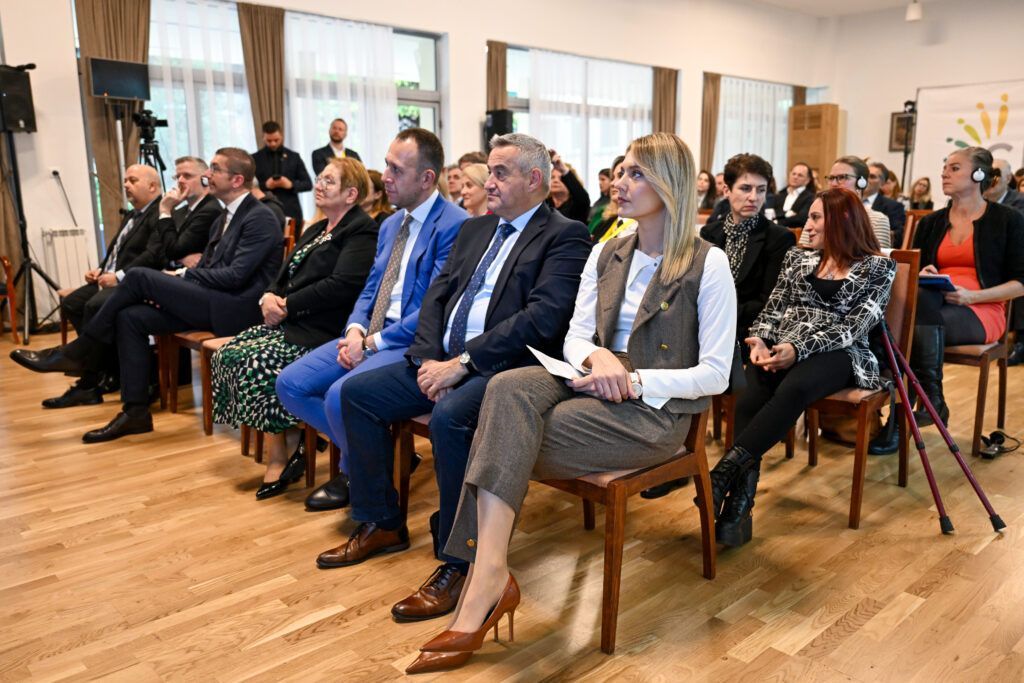


Aleksandar Krzhalovski, MCIC Director and Civica Mobilitas Team Leader spoke about the trust and cooperation in general, as well as about the achievements of CSOs. He stressed the high levels of mistrust in the society, as well as the need of knowing each other and improving the cooperation that will improve the confidence in the whole society. “The cooperation always gives the best results in a long term. However, it is not unconditional, but rather with checks and reactions”, he said and added that one of the roles of CSOs is precisely this, to contribute with its proposals and cooperation for better solutions of the government for all. “I believe that you would agree that the Government and CSOs need each other, because only by real cooperation the society can move to lasting prosperity”, stressed Krzhalovski.
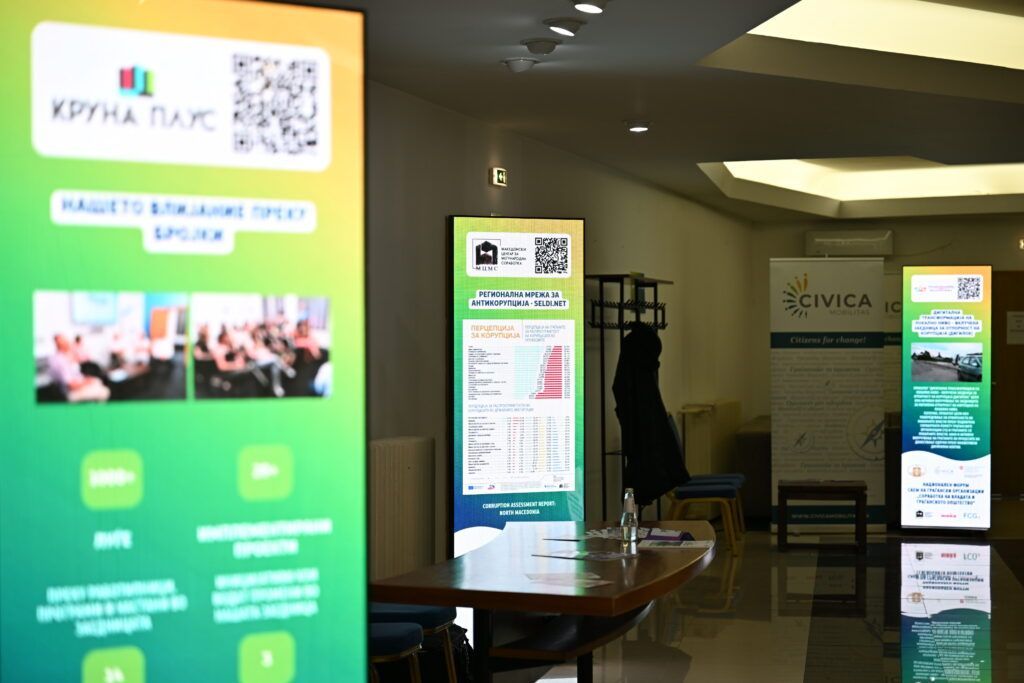
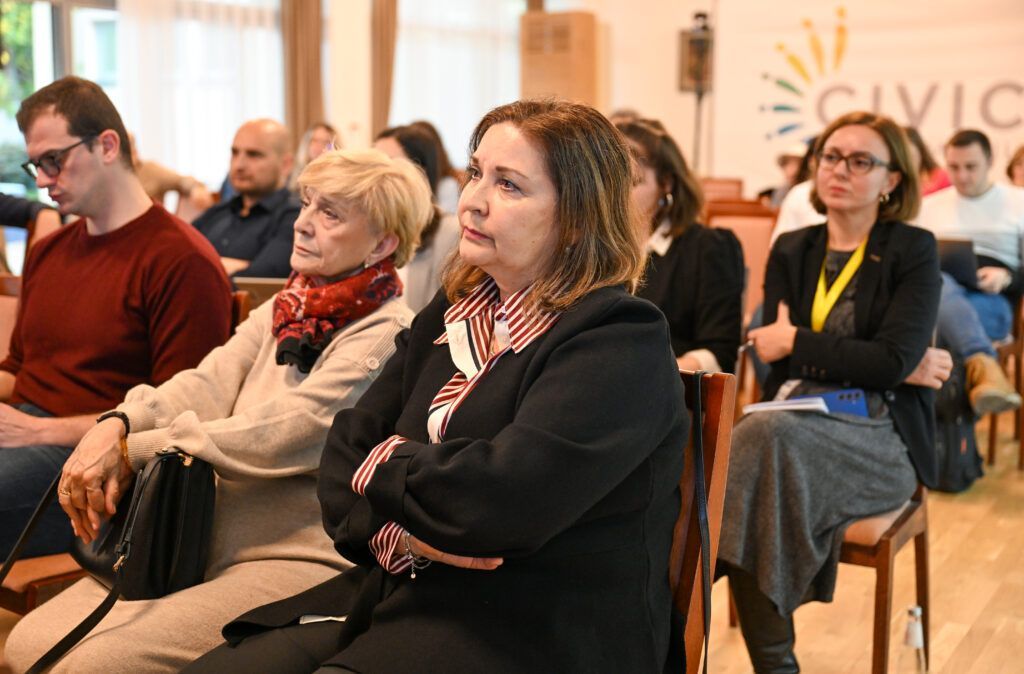
At the National Forum-Fair of CSOs, which has been supported by the Swiss Government as part of Civica Mobilitas, there were 250 representatives of institutions and CSOs. The programme of the event included debates and discussions on various topics, such as: education and science, social policy, demography and youth, environment, health, digitalization, good governance, local self-government and enabling environment. Part of the programme was also the session of the Council for Cooperation between the Government and the Civil Society. Apart from this, there were 35 organizations in the exhibition space, most of them digitally.


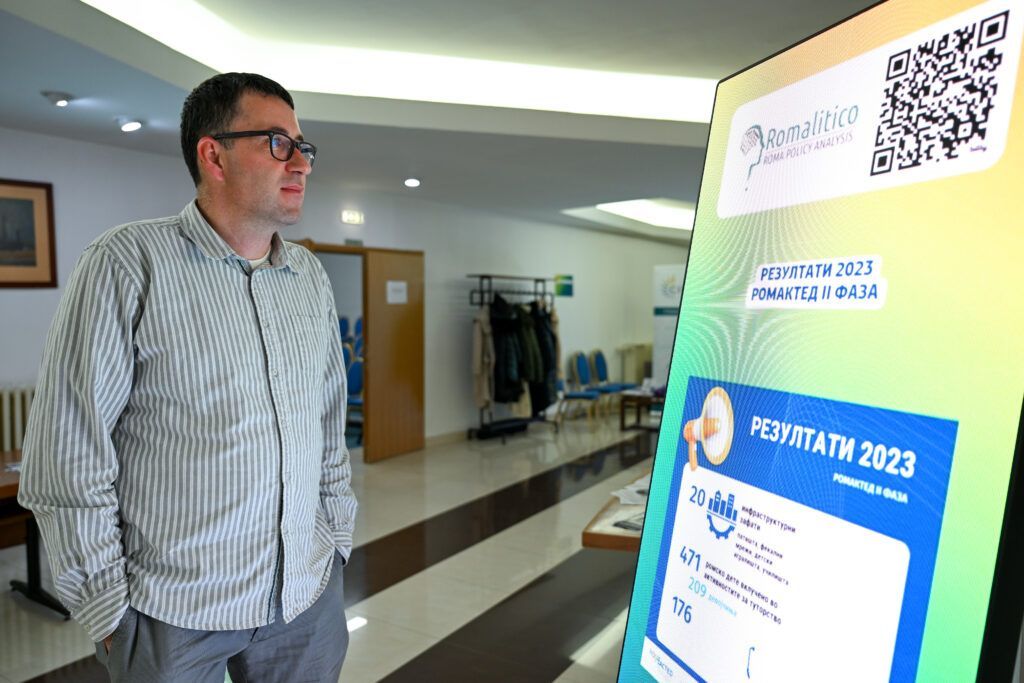
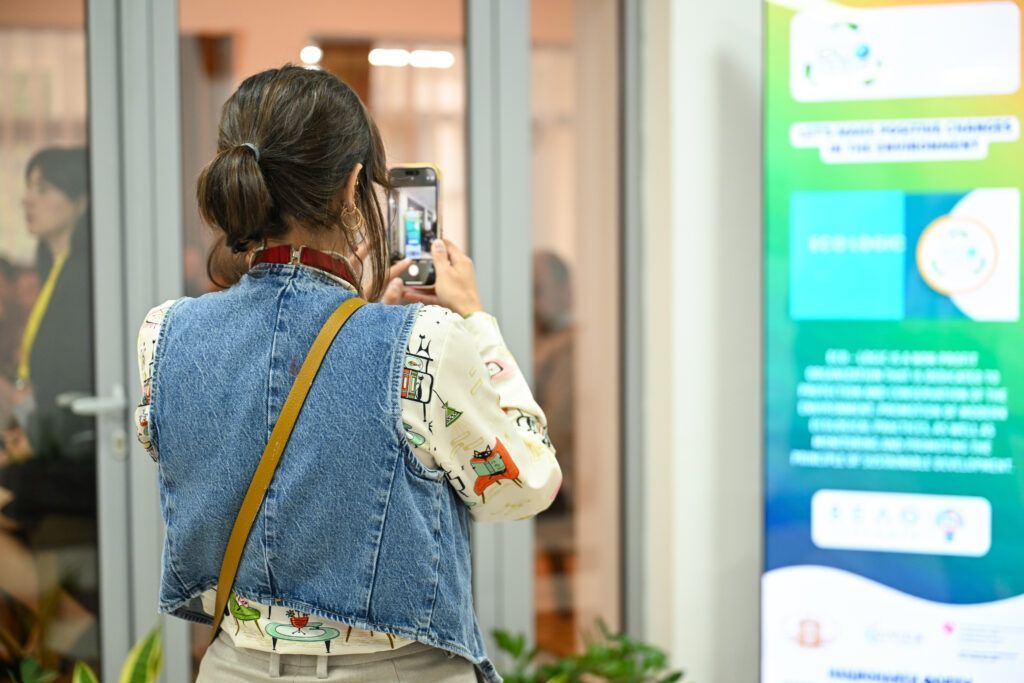
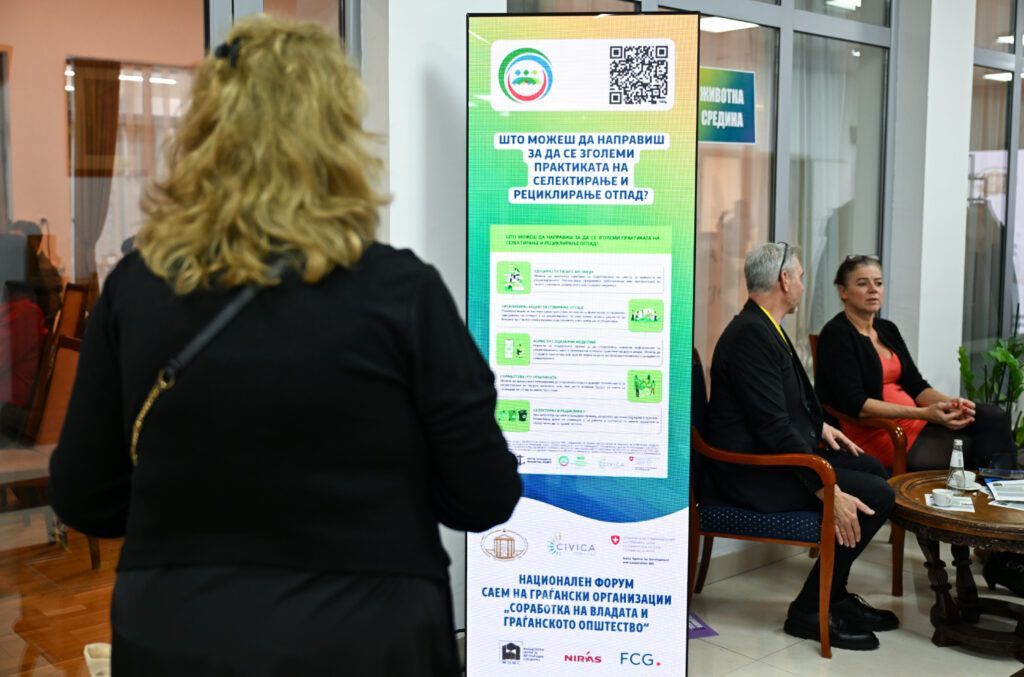
At the panel on education and science, there was an address by the Minister Vesna Janevska, and it was moderated by Gordan Georgiev from the Forum of Reasonable Policies, which opened a number of crucial topics on creating an inclusive, quality and long-term sustainable reform in education by including CSOs.
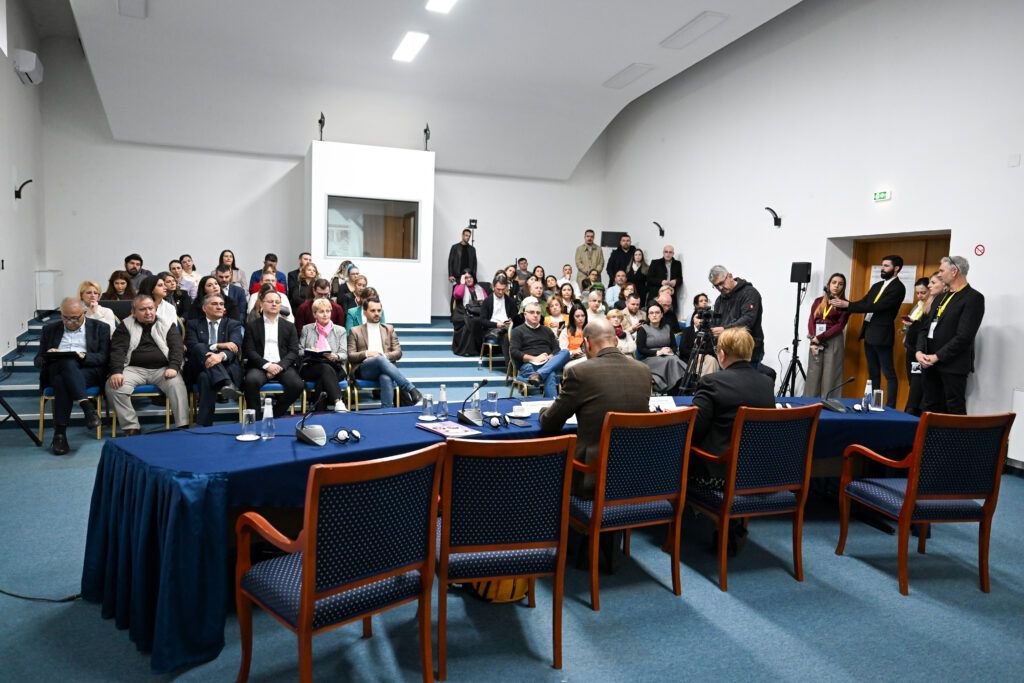
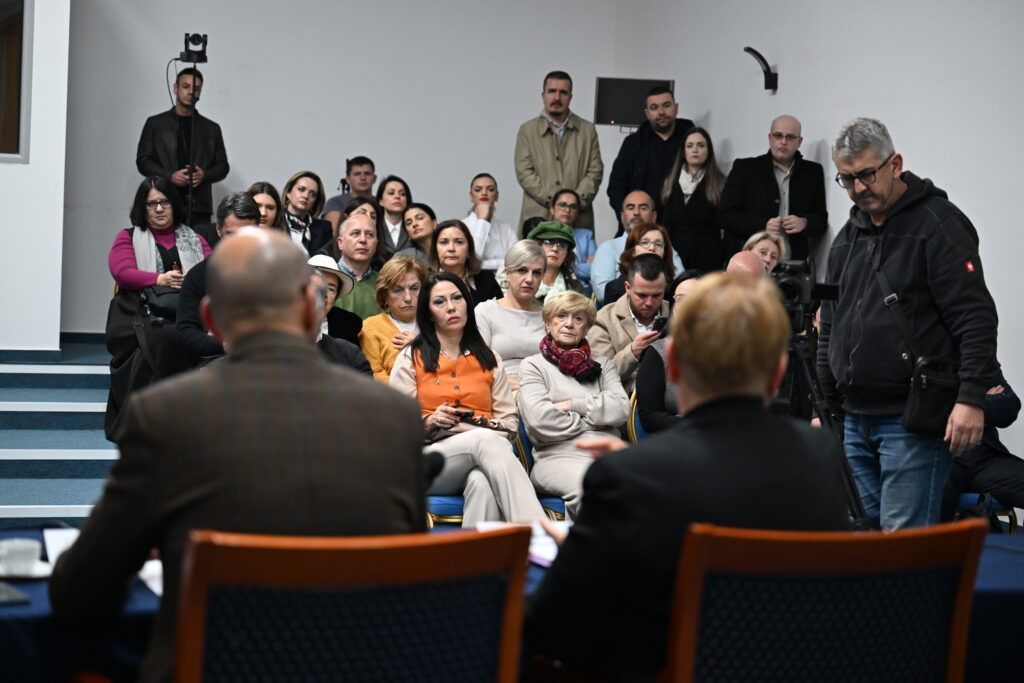
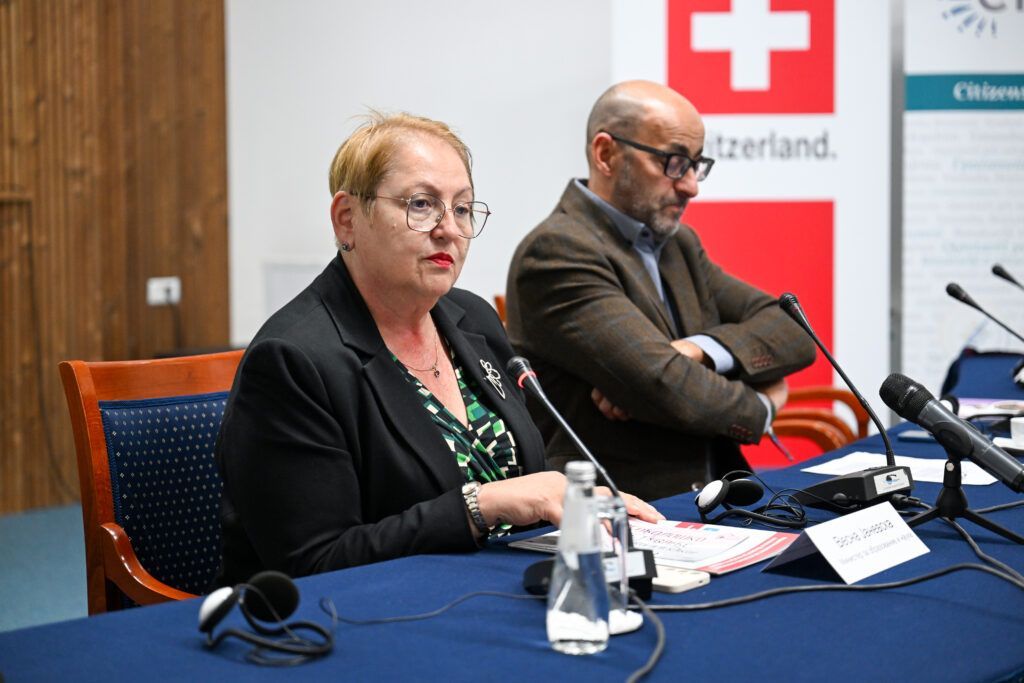
Minister Janevska stressed that the civil sector has remained a crucial partner in reform processes and that the Ministry remained “fully open for cooperation”. She said that she often met CSOs and that their contribution was very important for improving the legal regulation. “This way of work will continue further, because the civil sector is the first to identify challenges and therefore it always has the biggest number and the most substantiated proposals that can be integrated in the policies of the ministry,” she added.
Janevska announced that in the new education strategy there will be priority given to the one-shift and all-day long classes. “This is one of our main points. The goal is continuity and systemic change rather than a project approach”, she said. Apart from this, inclusivity also remains a top priority. In the new law there are municipal resource centres planned, to provide support to schools and families. Part of the centres have already been rehabilitated and functional, and it will continue with the others.
Regarding higher education, Minister Janevska informed the participants that the Law on Higher Education, together with two other systemic laws, will be placed on ENER around 25th December, which will be followed by public debates at all six state universities before being sent to the Parliament. “We are strengthening the criteria for selection into academic titles. If we want higher standards, we will motivate the candidates to invest more”, said Janevska, announcing increased investments in science.
When asked by civil sector representatives, the Minister confirmed that dual education continues to be developed, with a plan to open the eighth regional centre in the Vardar region. The curricula are made together with the Centre for Vocational Training. There are also announcements for additions to the general high school programme, for which there is already a draft version with two parts. The financial literacy had already been introduced as an obligatory subject in part of the gymnasia and vocational schools.
The participants were also interested in the criteria for selection of organizations that participate in consultations, on the need for teachers to recognize children victims of domestic violence, and they also offered cooperation with trainings for teachers, to which Janevska stressed that she was open for dialogue and improvements to the materials. In this context, there was also an idea for a mobile learning application based on Duolingo model, which was unanimously supported by CSOs and the Minister. There was a brief discussion on the issue of so-called “phantom children”, i.e. students that are not formally in the system, to which Janevska responded: “Finally, we have a programme where we can include all”.
The participants at the National Forum were very interested in the issues related with social policy, demography and youth, where the introductory words were given by Gjoko Velkovski, Deputy Minister at this ministry, and the session was moderated by Emilia Gjeroska from Pro Local from Bitola.
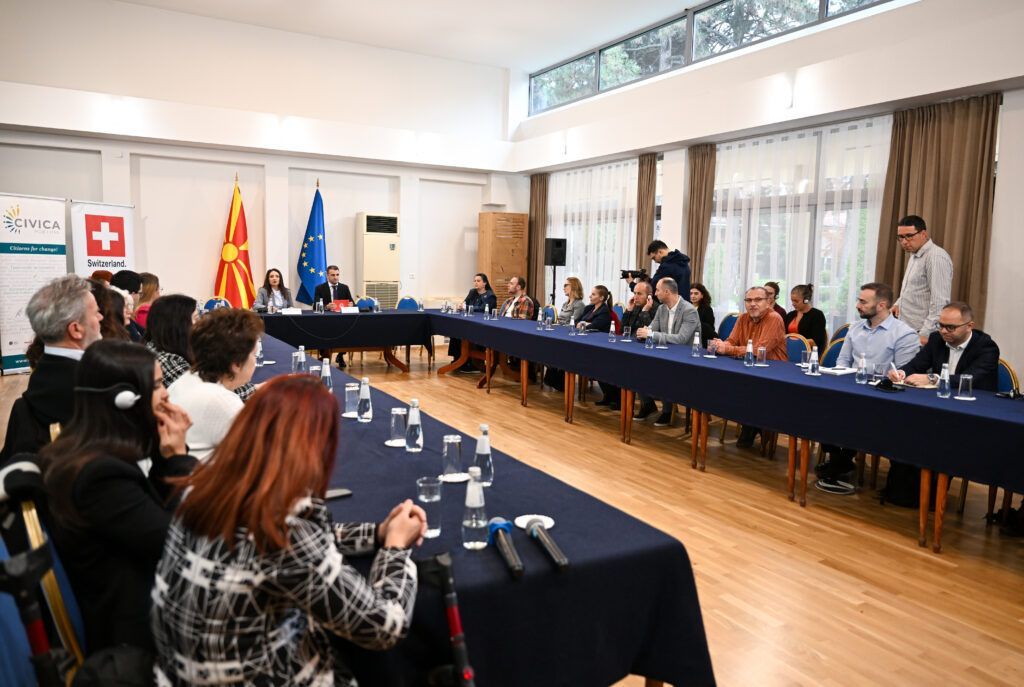
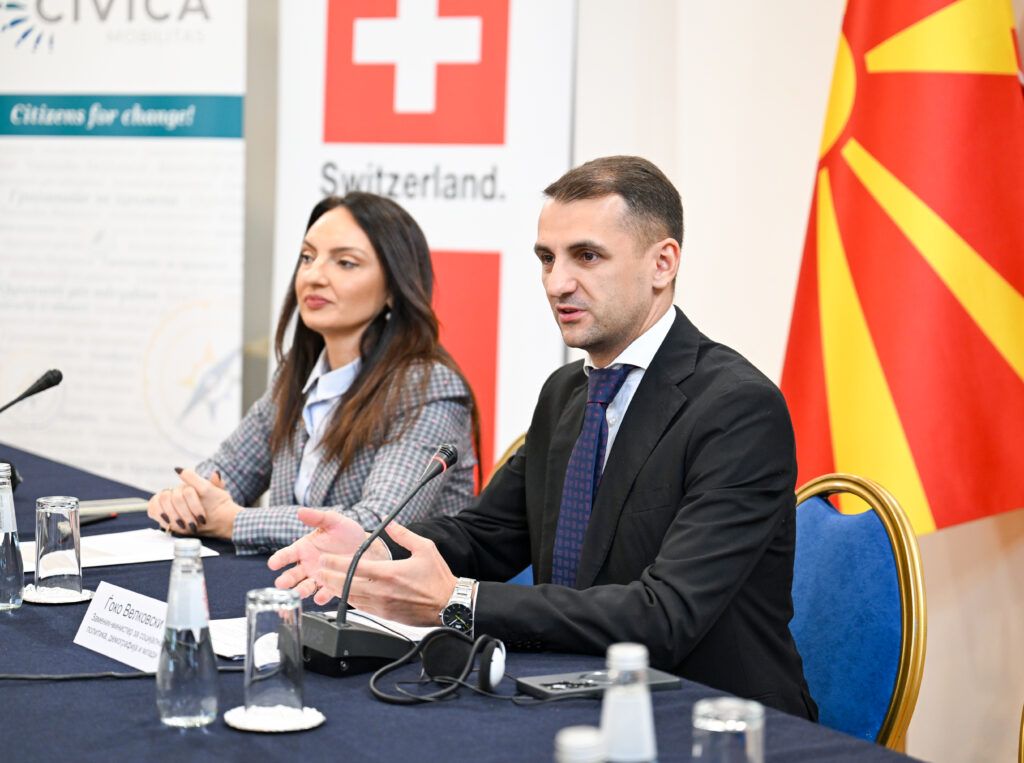
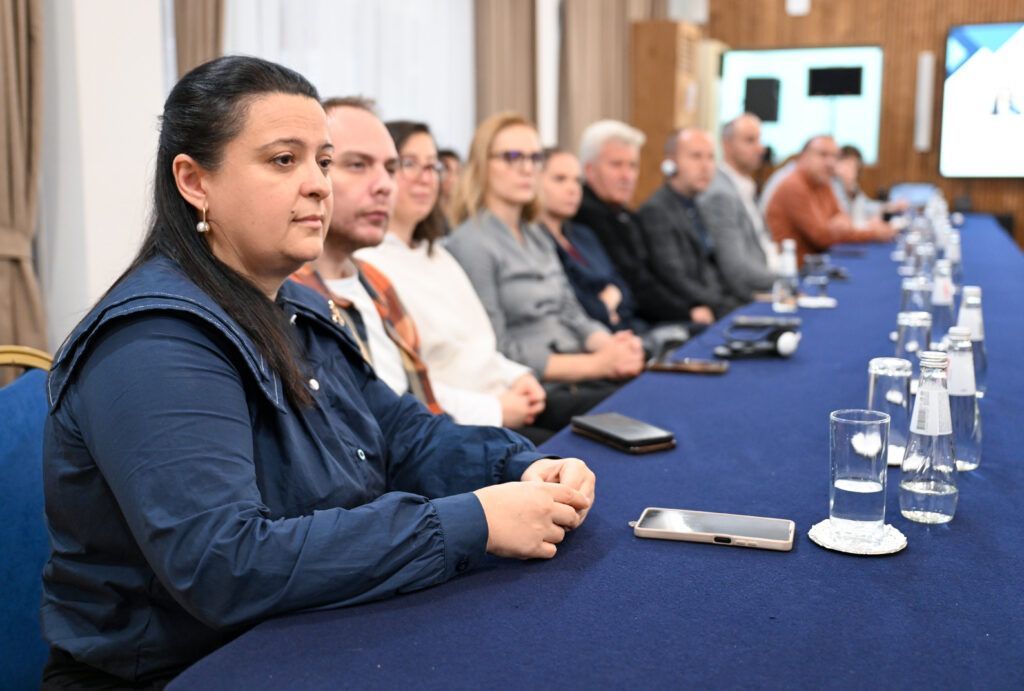
He spoke about all areas which the Ministry covers. Regarding the social services, Velkovski stressed that by including licenced service providers and deepening the cooperation with the civil sector, the ministry provides home care, personal assistants, day centres, small group homes and a number of innovative services that are brought closer to the real needs of the citizens. “In partnership with the European Commission, there is also a project for monitoring and evaluation, focusing on the continuous improvement of the quality of services,” he said.
CSO representatives were interested in how the process of CSO licencing can be faster, as it sometimes lasts for a year. During that time, the obligations that the organizations have undertaken have to be paid, and they amount up to EUR 15,000. The Deputy Minister stressed that they would revise the system and that there was a discussion on changing the current rulebook. They would provide that all stakeholders are included in the discussions in order to make a document that will meet everybody’s needs. Velkovski said that they appreciated the work of the service providers a lot and that their remarks are felt as an obligation.
Part of the questions concerned the functioning of the youth centres and the violations of the law on the side of the municipalities that did not establish them, as well as the young people moving out of their places of living. According to Velkovski, the salary is no longer a key factor in the decision to move out, but rather the system in which the young people function. “The system covers a lot of elements: kindergartens, cultural life, access to services, etc. We should strive to build the system and respect it”, said he and expressed their preparedness to use the CSO tools. In that respect, they would also use the Pro Local analysis of the work of the youth centres, and in cooperation with the youth organizations, they also plan to make changes in the Law on Youth so that it is functional. “Let us together formulate the changes for the law to be functional, because we do not need it otherwise”, he said.
At the panel discussion on environment, there were discussions on the key challenges in the sector, such as waste management, approximation to European policies and the issues with water supply. The speakers were Ana Karanfilova Maznevska, Head of the Waste Department, Biljana Petkovska, Head of the Environment Department and Lindita Shaqiri, Head of the EU Department. The panel was moderated by Biljana Stanojevska Pecurovska from the Center for Climate Changes.
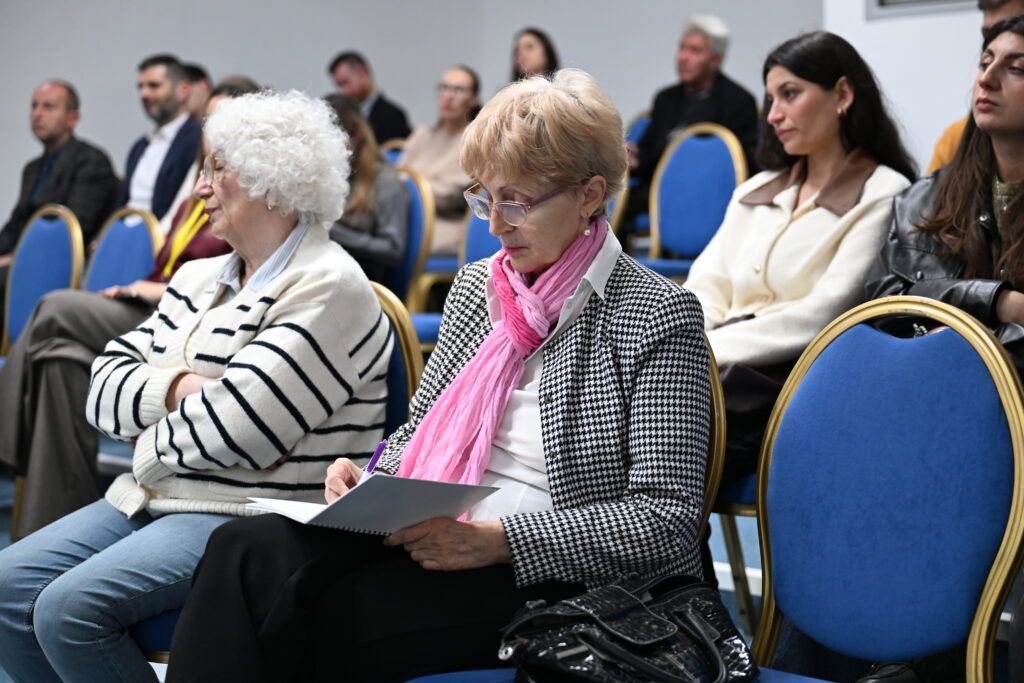


Pecurovska opened the issue on the untimely waste collection by “Communal Hygiene” – Skopje public enterprise from June to October. Karanfilova Maznevska stressed that although the Ministry adopts the regulations, the supervision of the public communal enterprises is within the competence of the local inspectors. She added that the Ministry regularly points out at the inconsistencies and plans to inform the Government on the notices shortcomings, as well as that there are activities prepared on introducing a primary waste selection, a process which, as she said “the EU countries started in the same only, only 30 years before us”.
With respect to the quality of the reports on the environment impact assessment, Biljana Petkovska stated that the procedures are strictly regulated by law and that there are changes prepared when it comes to the project designs. Shaqiri stressed that the sector had intensively worked on Chapter 27 and the approximation of the legislation. “The environment chapter is one of the most comprehensive ones, but also one of the most expensive ones. We work on legislation approximation, in cooperation with the public and the civil sector”, she added. The Environment Law should be adopted in 2026.
The representatives of the three sectors informed that there were a number of ongoing projects financed by the EU, as well as a project supported by the Swiss Government, on water resource management. The questions of the participants concerned the issues of water supply in a number of villages around Kratovo, and it was explained that the local system was managed by a private company. The citizens were also interested in the state of affairs of the procedure for proclaiming the Ohrid Lake a monument of nature.
The Ministry representatives stressed that the e-Government system provides coordination among all stakeholders and announced that part of the issues on which additional information was needed would have written answers to the CSOs.
Part of the National Forum – Fair of CSOs was also the session of the Council for Cooperation of the Government with the Civil Society. It was attended by the Secretary General, Igor Janushev.
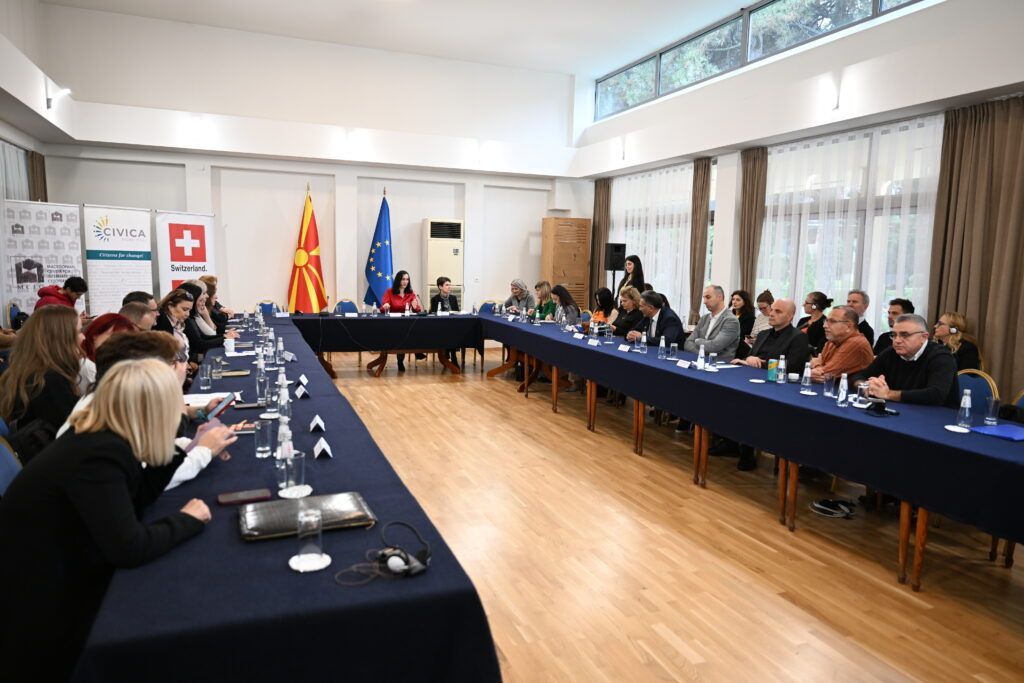


“One of the basic principles of the Government in its work on advancing the cooperation and relations with CSOs is the principle of openness and transparency, as necessary instruments in building equality before law and accountability of the decision makers. The Government has shown its open and honest approach in the involvement of the CSOs in the processes of public policy creation, via the reestablishment of an independent, representative and effective Council for Cooperation between the Government and the Civil Society”, stressed Janushev.
The members of the Council discussed on current issues related to the enabling environment for CSOs (Law on Associations and Foundations, state funding of CSOS, using the Unique National Electronic Register on Regulations ENER, etc.). There were also representatives of the Council nominated in the working group on changes and amendments to the Law on Associations and Foundations. As a member, the Council nominated Nikica Kusinikova from Konekt, and as a deputy member Emilia Gjeroska from Pro Local Bitola.
The questions asked on the enabling environment where the CSOS function were discussed at the panel under the same name with Aleksandra Cvetanovska, Special Advisor to the Minister, Ministry of Justice, which was moderated by Viktor Mirchevski from Konekt.
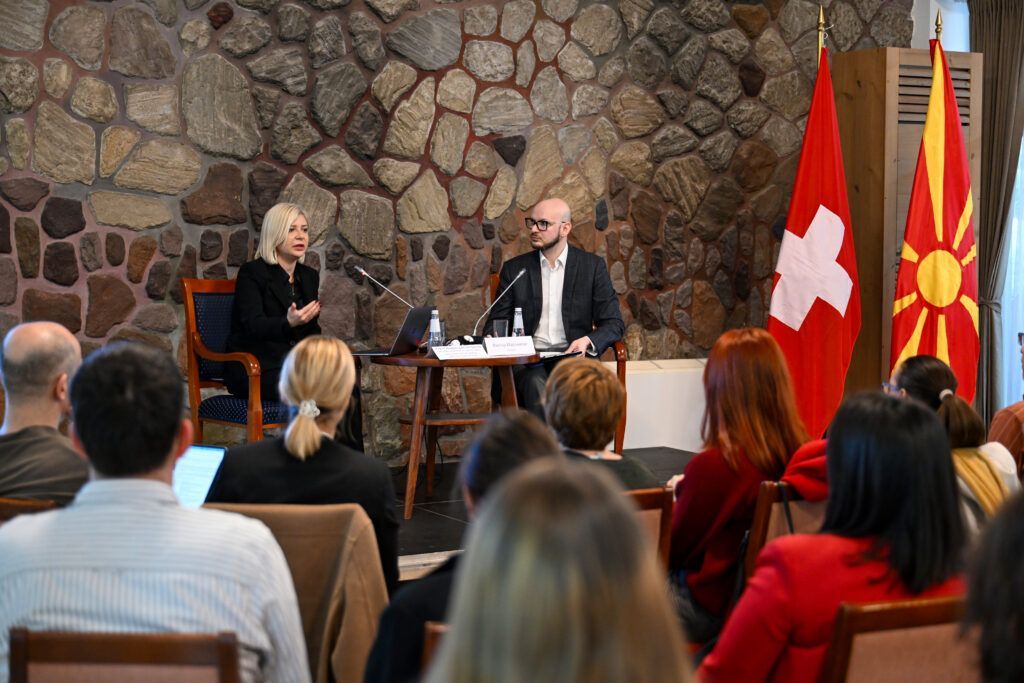
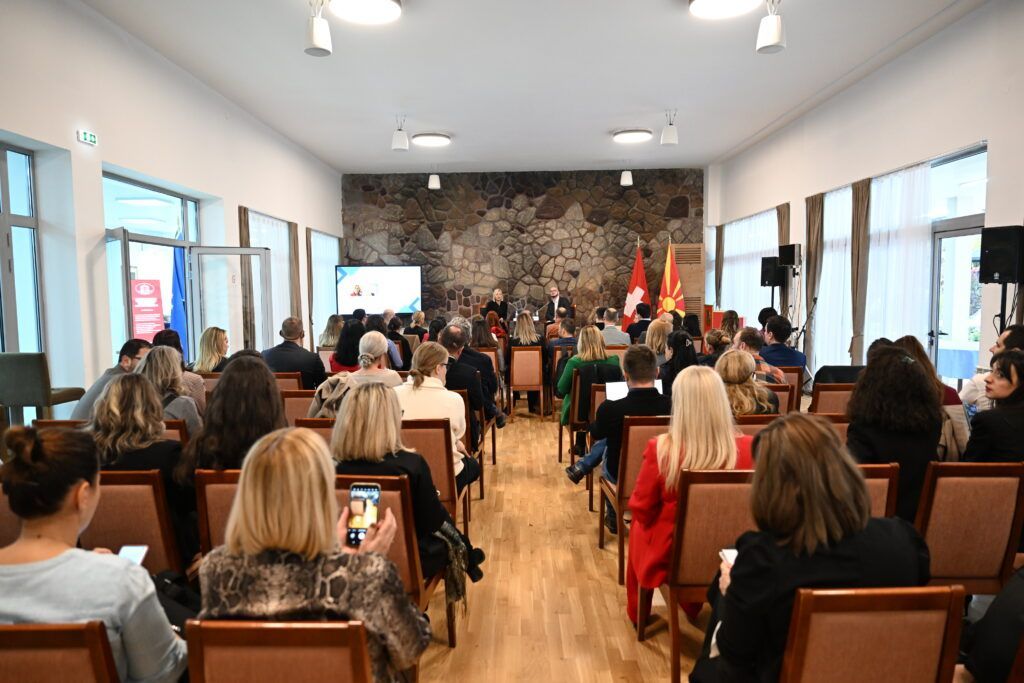
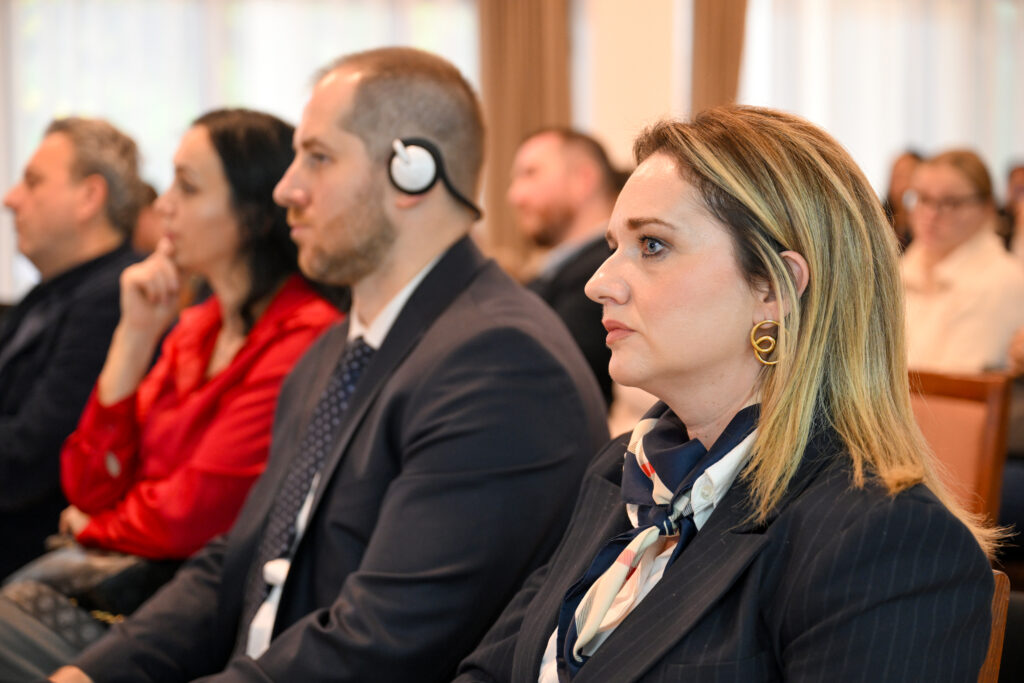
Cvetanovska said that the Ministry of Justice was always open for cooperation and not only declaratively, but also essentially, by including the CSOs in the working groups on changes or creation of new laws. “At the Ministry we always listen to the voice and expertise of CSOs”, she said.
She informed that there was work underway on preparing the new Law for Associations and Foundations (ZZF), and that there was a working group with CSO representatives included in the process. The expectations were that the law would be finalized by the end of January. Parallelly to this, there would be several regional public debates on the draft law in order to include as many CSOs as possible.
“At this moment we are openly discussing the structure of public financing, determining the areas of public interest and economic activities of CSOs. At the next meetings, we will cover all other parts of ZZF. There will be particularly clear regulations on the selection of the committee for assessment of the project proposals”, said Cvetanovska. According to her, the law will also include % of CSO financing.
At the health panel, the speakers were the Deputy Minister of Health Jovica Andovski, the Director of the Health Insurance Fund Sasho Klekovski, and the panel was moderated by Andrej Senih from “Stronger Together”.
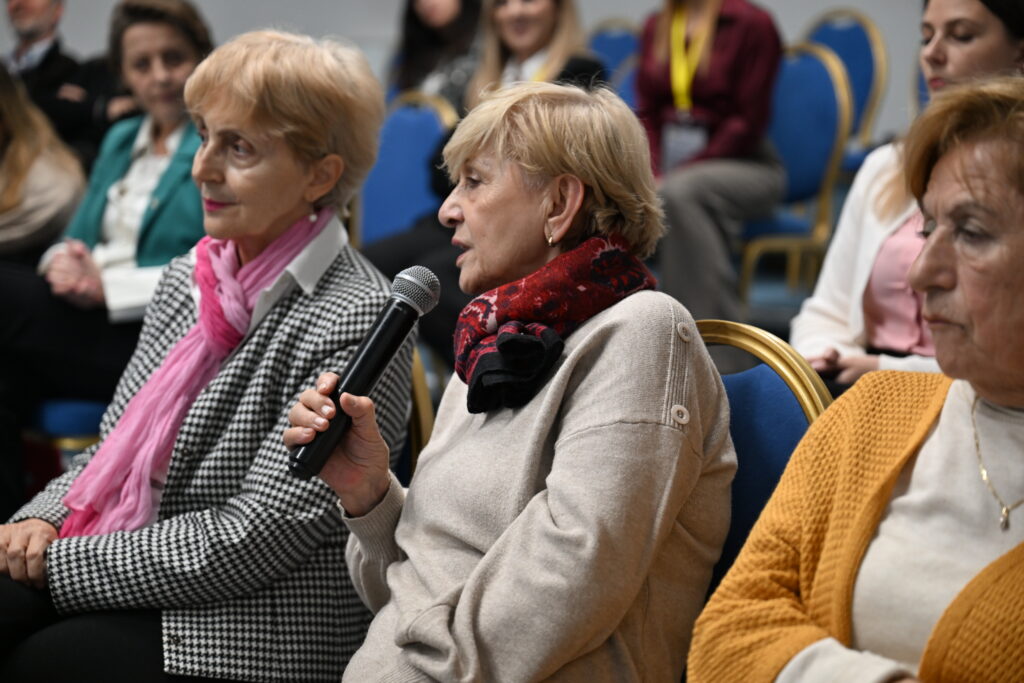
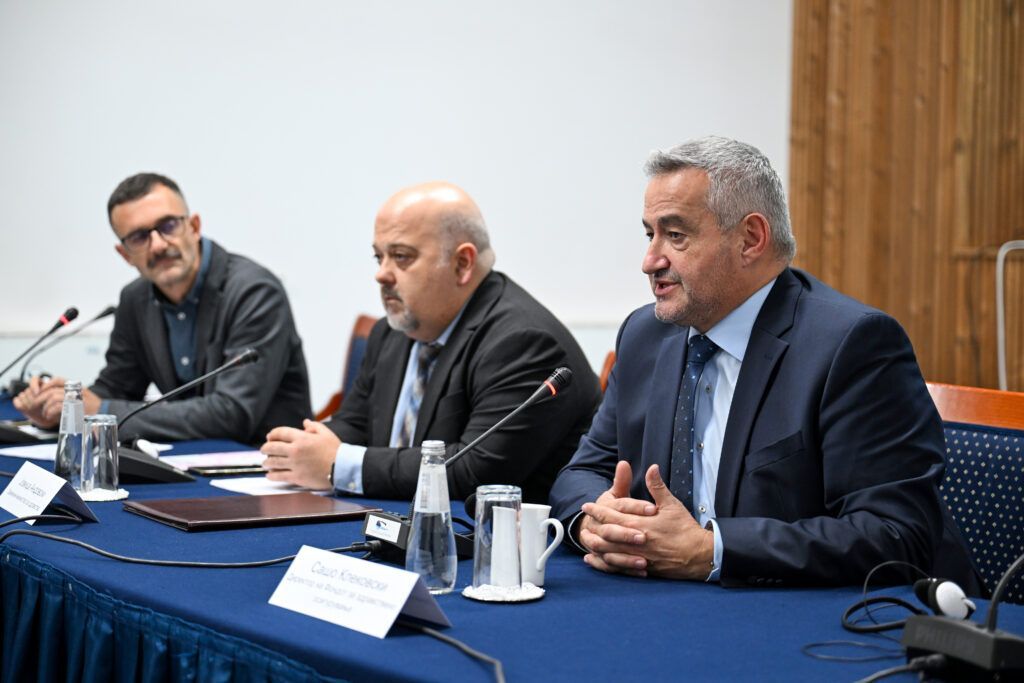
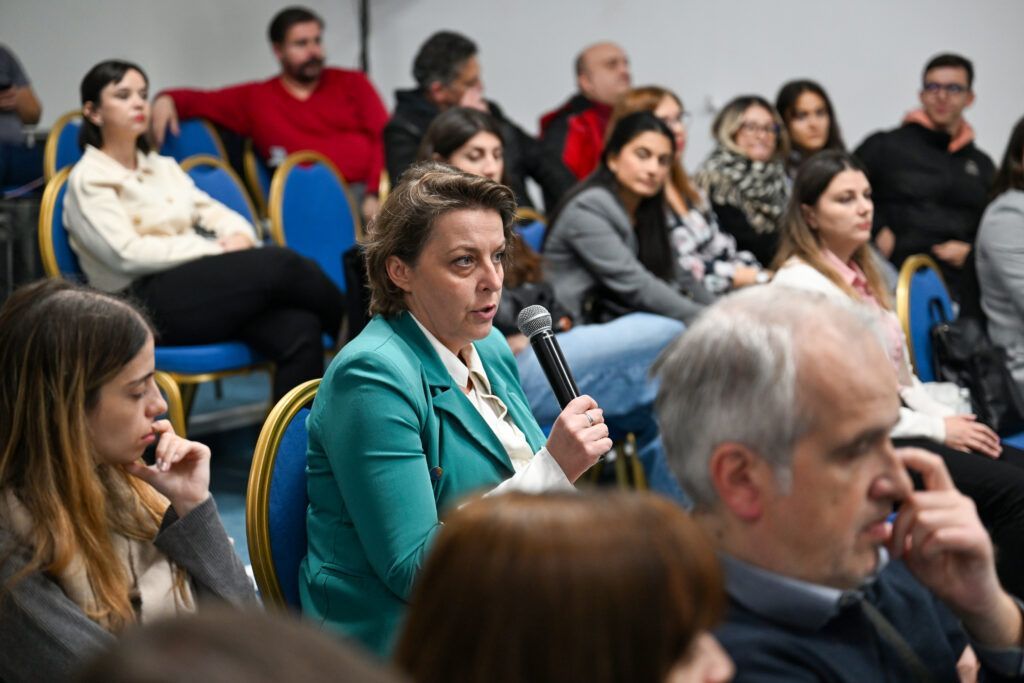
“The system needs your knowledge”, said Andovski to the people present. He stressed that the system cannot be built without openness, transparency and active involvement of CSOs and he said that the panels and public consultations were a “space for solution”, and the expertise of the organizations was necessary for a better health care system.
Answering the question on increasing the percentage for health insurance contribution, Director Klekovski stressed that the current level of contributions is insufficient for the health care that the citizens expect. He made a comparison stating that Macedonia was among the last in Europe when it comes to contributions per citizen.
“One of the key priorities has to be prevention”, said Klekovski. He then stated that the national diabetes programme will be changed from the Ministry of Health to Fund competence in 2027. Taking about prevention, Borjan Pavlovski from ESE association warned that there was a low coverage of cervical cancer screening of about 30% in three years. Andovski responded that together with WHO they worked on full redesigning of the screening programmes, but also that more funds were needed for a higher coverage, better infrastructure and active support in calling the women. The participants agreed that the prevention programmes have to obtain higher budgets every year.
The participants were also interested in providing reagents for prostate cancer PET-scan, introduction of HIV therapy at the Fund to provide a long-term and sustainable care, lack of gynaecological services in rural environments and the possibility of mobile teams; rehabilitation services and improvement of the model of mobile doctors and nurses, as well as the renewal of existing, but non-functional old clinics in rural areas.
Andovski announced that the Health Strategy plans a reorganization that can bring new solutions because the mobile services, i.e. the former programme with 100 mobile doctors does not exist anymore. In the discussion there was also mention of the Rehabilitation Centre on which Andovski informed that despite the discussions at working groups, there have been no funds in next year’s budget for this centre. The representatives of HERA and HOPS asked for explanation if the 2026 budget plans increase of the funds for health prevention, as well as if there would be a national programme on damage decrease, including measures for minors, because, as Blagorodna Koceva Simjanov from HOPS states, the state still has no systemic approach for them. Andovski again stressed the need for a coordinated work with CSOs, which should help in the creation of a “joint template for budget items”, which could successfully be adopted at the Ministry of Finance.
Good governance issues were discussed at the panel with the Vice Prime Minister Arben Fetai, which was moderated by Snezana Kamilovska Trpovska from MCIC.
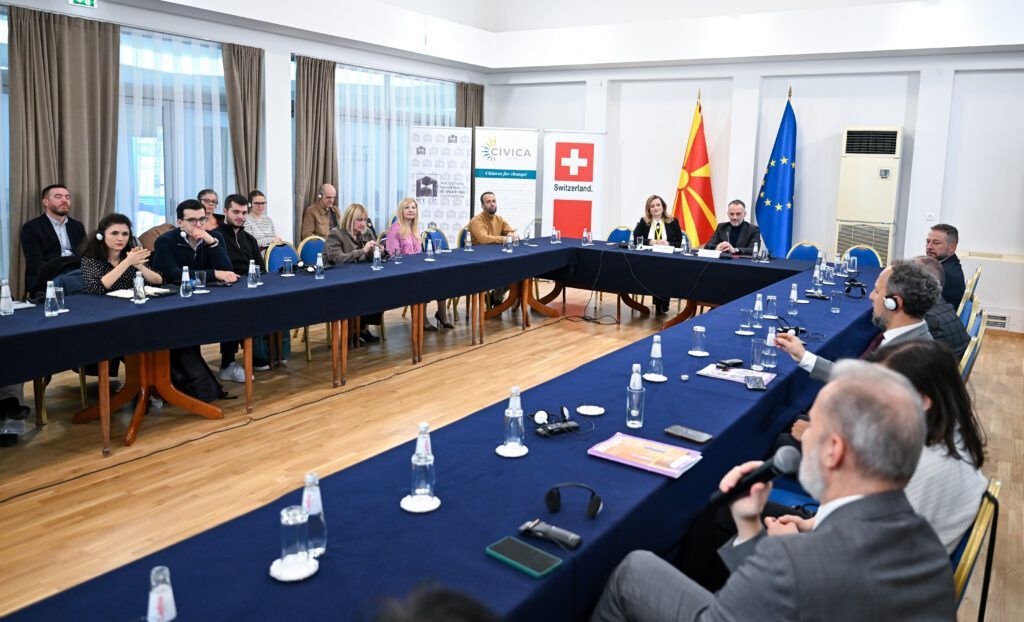

In her introduction to the discussion, she referred to the data of the new Report on Corruption Assessment for 2025, according to which there is a 5% increase of corruptive pressure and the involvement in corruption compared to 2023. Besides this, the susceptibility to corruption is on the rise, and therefore 45% of the citizens are prepared to accept or offer bribe in certain circumstances, and this time it has been at the highest level since 2014. There is a drop of optimism with the citizens when it comes to corruption eradication. Only 33.2% believe that corruption can be decreased or eradicated, while two thirds (66.6%) think that it is impossible.
Vice Prime Minister Fetai spoke about the achievements in this area, stressing the mechanism for monitoring of the transparency strategy, and he announced the preparation of the new strategy, the register of state real estate and the register of vehicles, the preparation of new strategy for fight against corruption, etc. “CSOs should not be the cover for democracy but rather its heart. When you raise your voice, you are not against the Government, but for the citizens. The citizens receive better services, and we have legitimacy to continue. Criticize – demand accountability. Ask for transparency every day. I am happy to support you”, he said.
Speaking about the changes to the Criminal Code, Fetai announced that there is a new criminal code that should be adopted by the end of the year and it is completely approximated with the EU acquis. In this context, he spoke about the judicial system and said that “without verdicts, the fight against corruption is an illusion”. He believes that the Kochani fire tragedy has awaken the justice system and that despite the Kochani victims, resolution is also needed for other tragedies that happened to the country, such as “Durmo Turs”, “Modular Hospital”, “Besa Trans”, etc.
When asked which three lessons on systemic changes we have learned after the tragedy of Kochani, that the state is ready to implement in order to prevent future tragedies, Fetai said that it would be appropriate sanctions for the perpetrators, functioning of the other related institutions such as the inspectorates and the functioning of the whistle blower system.
When it comes to the work of the commission for registration of state property, Fetai called the CSOs to put pressure on more transparent work of the commission.
At the panel on digitalization, the participants were addressed by the Minister on Digital Transformation Stefan Andonovski, and the discussion was moderated by Mila Josifovska Danilovska from Metamorphosis.
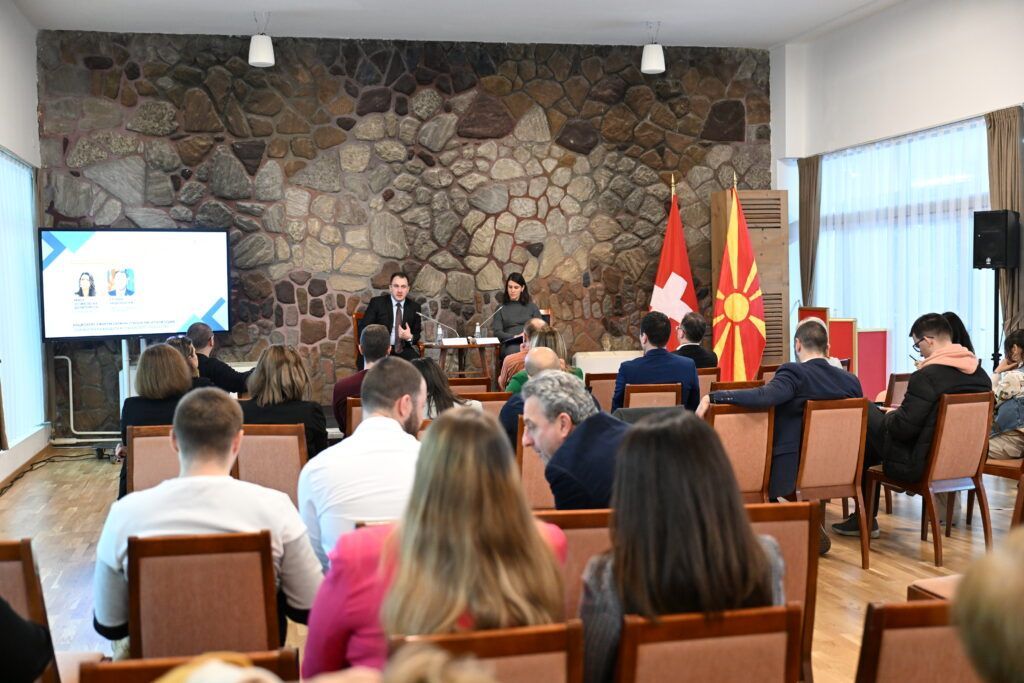
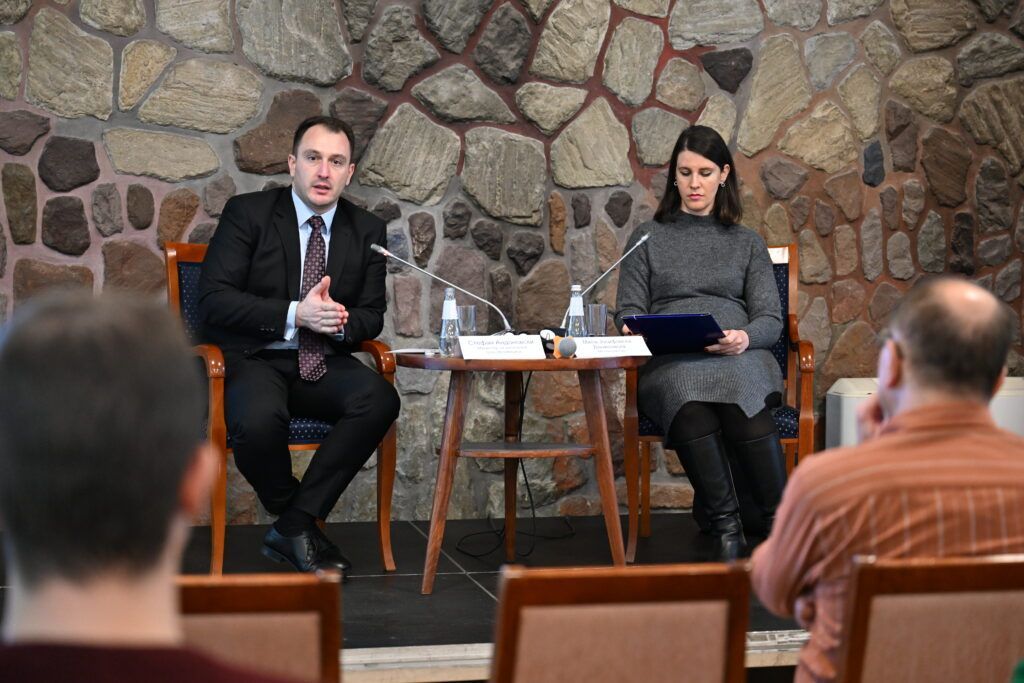
In his speech, Andonovski stressed that digitalization as a strategic transformation is not only a technological process, but an essential change in the way in which the state functions and public services are provided. “In the past year and a half, we have proven that the successful digital transition is possible only with a close and open cooperation among the institutions and CSOs”, he said.
According to the Minister, the cooperation with CSOs is a story for long-term partnership, where it can be achieved more, together with fast and efficient moves and focus on solutions.
Speaking on artificial intelligence, Andonovski said: “My intention is not overregulation of AI, especially because now in Macedonia we do not have it for usage from formal aspect. Undoubtedly, we need a flexible frame for ethical development safe use of AI.”
When it comes to the future cooperation with CSOs, Andonovski stressed that they planned that the CSOs are equal partners in the future European consortia. “Only with partnership approach, open dialogue and joint actions we can create digital services that are quality, inclusive and safe for all citizens”, said Andonovski.
At the panel “Local Self-Government”, apart from the Minister of Local Self-Government Zlatko Perinski, there were also the mayors Aleksandar Stojkoski (Gjorche Petrov), Sonja Stamenkova (Makedonska Kamenica), Fisnik Mela (Debar) and it was moderated by German Filkov from the Center for Civil Communications.
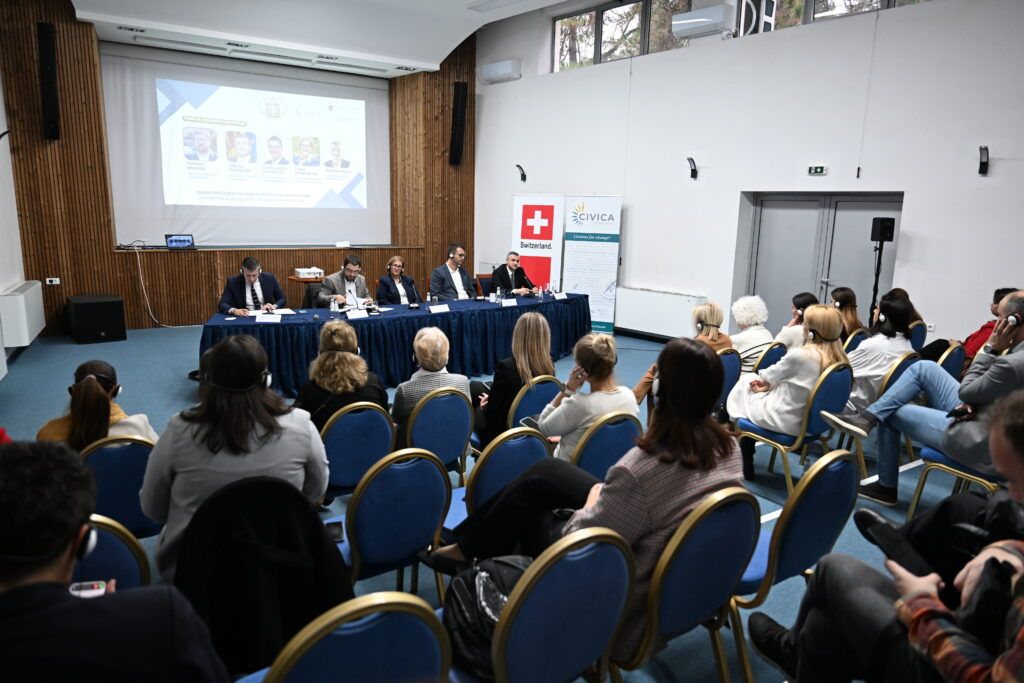
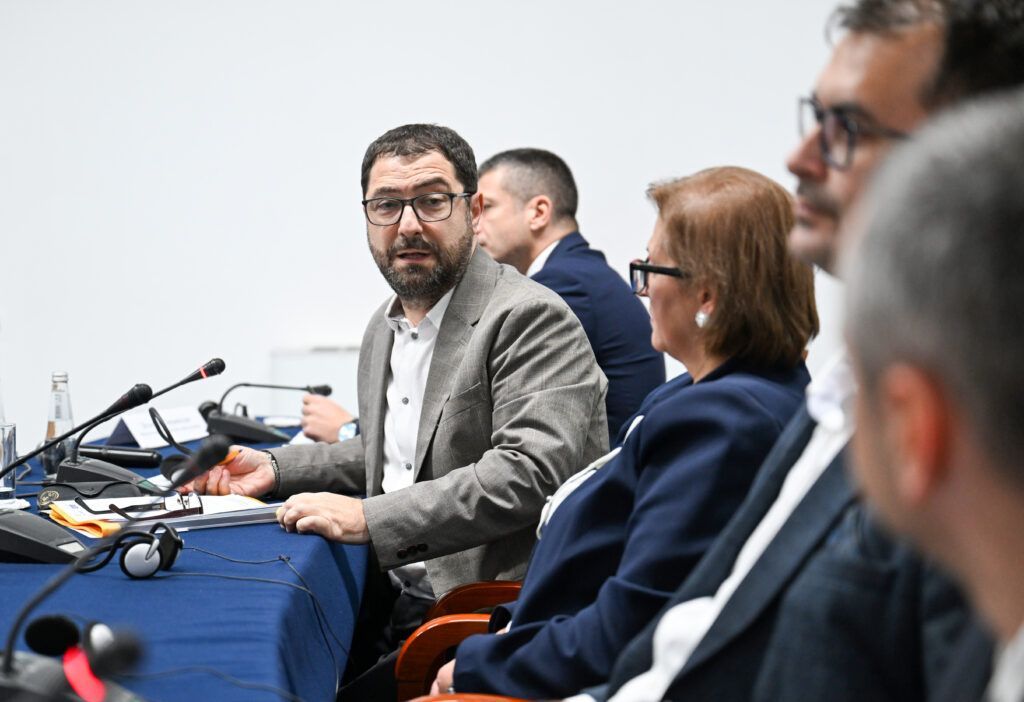
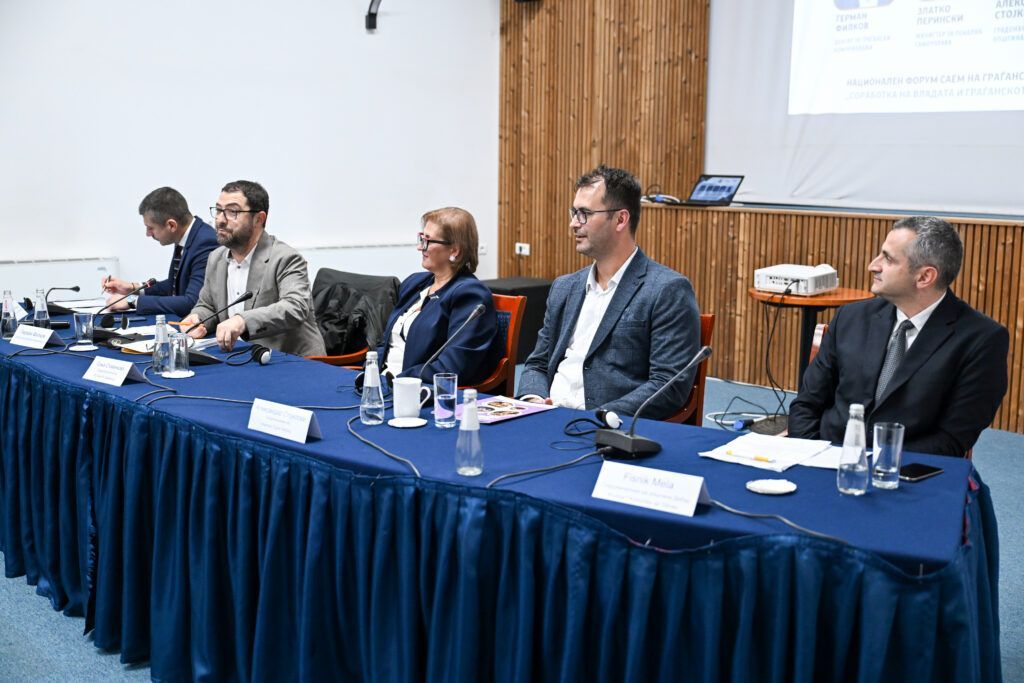
Minister Perinski stressed that the civil sector is a “key ally for more efficient and more inclusive municipalities”, stressing that the goal is that their expertise becomes part of the newly established Resource Centre. He told the organizations that they should actively cooperate with the local authorities, stating that the budgets are now additionally strengthened (refreshed) and part of the funds are directed to capital goods. Perinski announced that there would be a pool of experts established who would help the municipalities with specific solutions, especially when it comes to small municipalities with limited resources.
The mayor of Makedonska Kamenica, Sonja Stamenkova, stressed that the municipality will continue to have the title of “richest municipality”, but it also means increased obligations. She said that there are already active CSOs that successfully use European funds, and that the municipality plans special funding (separate allocations) for the CSOs and sport clubs.
Fisnik Mela, the mayor of the Municipality of Debar said that his experience as a former member of the municipal council helps him in the creation of transparent criteria for financing of CSOs. He stressed the role of the Youth Info Centre, which provides support to start-ups and project initiatives in cooperation with CSOs.
Aleksandar Stojkoski, the mayor of Gjorche Petrov, said that in the last two years the municipality has introduced new practices, among which public calls for financing. He announced that there would be changes in the books of regulations on sport clubs. Stojkoski thinks that the existence of a national register of projects and organizations would provide for more transparency: “There should be a centralized database so that we see who has worked so far. At the next mandate, my focus will be education and children”, he added, calling the organizations for stronger cooperation.
Filkov said that the idea of a national register can additionally strengthen the cooperation between CSOs and municipalities.
The participants stressed that it is also needed to strengthen the role of the local neighbourhoods. Stamenkova said that the citizens often ask for solutions of micro problems directly from the mayor, but because it cannot function in such a way, these processes would be improved and problems will be channelled via active local neighbourhoods. In Makedonska Kamenica there is already an on-going selection of a mixed, gender balanced composition of men and women presidents of local neighbourhoods.
Fisnik Mela added that in Debar the local neighbourhoods had been reactivated, but he warned that there was always a risk of conflict of interests. Minister Perinski was clear in his view that the local neighbourhoods would not become legal entities. “They are recognized by the Law of Local Self-Government, but they do not have a legal form, and according to me, they should not have one, because this would make the functioning of the municipalities more difficult.”
The representatives of the CSOs indicated successful examples of cooperation with the local authorities. Savka Todorovska stressed the municipalities of Gjorche Petrov and Centar, with whom they had joint programmes for free legal and psychosocial support. Gjuner Nebiu from “Antiko” proposed that the local self-government creates a mechanism that would connect 80 women entrepreneurs with the business sector.
The panel ended with a joint message that the real partnership between the municipalities and the civil sector is a precondition for development of the local democracy and better conditions for the citizens.
The National Forum – Fair of CSOs has confirmed its role as a significant platform for dialogue, exchange of ideas and joint creation of solutions. Via open discussions, questions and recommendations, the participants showed the power of partnership between state institutions and civil sector.
The event showed that CSOs are not only a corrective of the institutions, but also policy creators, knowledge carriers and movers of social changes. On the other hand, the institutions have confirmed their preparedness for bigger cooperation, accountability and involvement of the expertise of the organizations when policies of public interest are adopted.
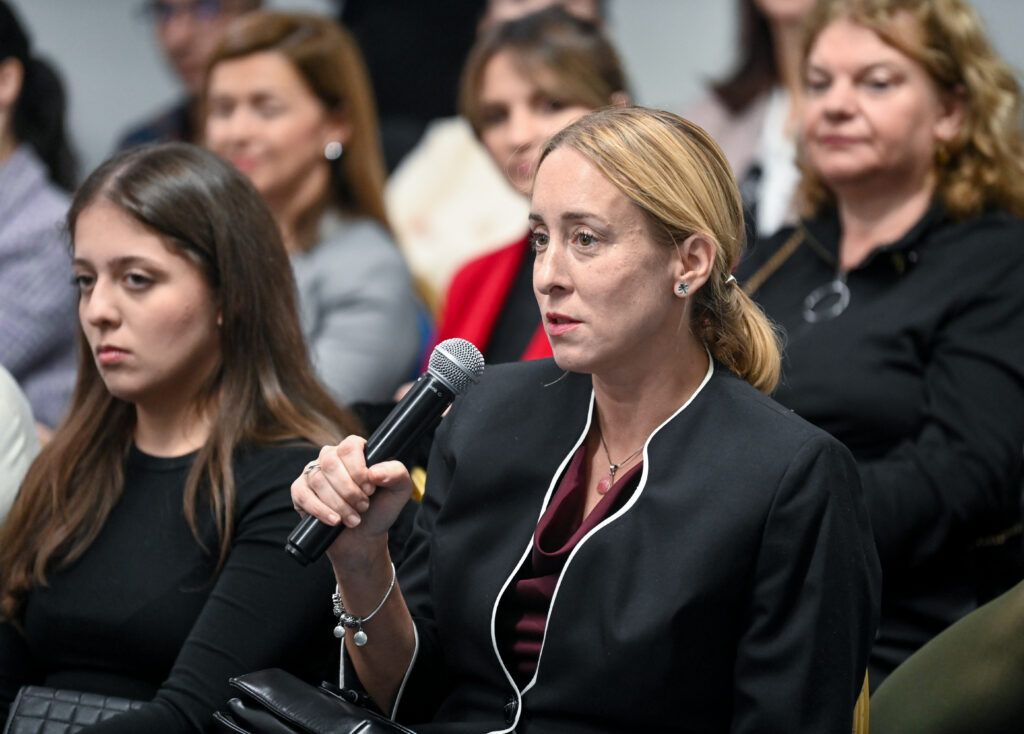
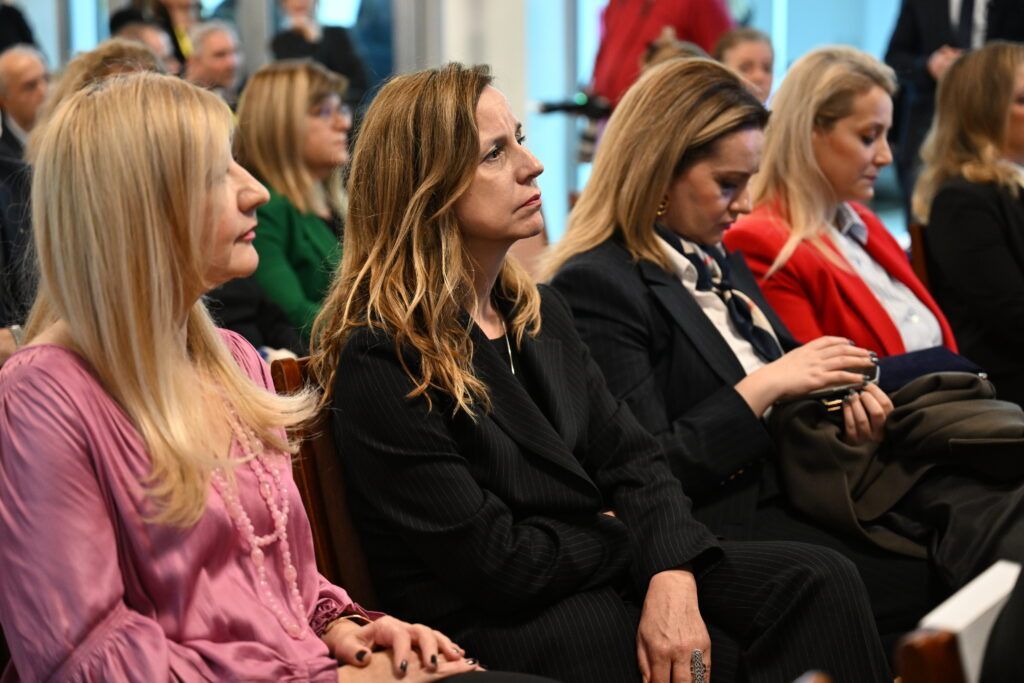
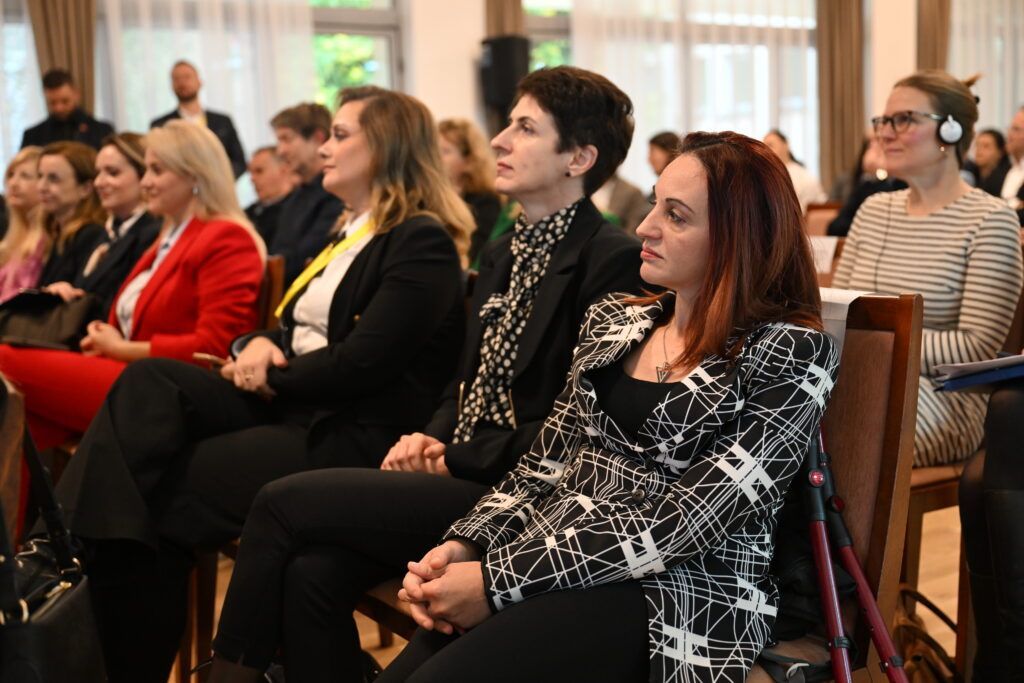
Only with mutual respect, continuous dialogues and real partnership, the state and the CSOs can build more efficient services, more democratic institutions and better quality of life for all citizens.
Civica Mobilitas will continue to create spaces where the voice of the citizens is heard, valued and transformed into lasting public policies.
📣 Заврши Националниот форум – Саем на граѓански организации, што Цивика мобилитас втора година по ред го организира…
Posted by Civica Mobilitas on Friday, November 28, 2025


![Sre]ni praznici(2)](https://civicamobilitas.mk/wp-content/uploads/2025/12/sreni-praznici2-768x432.jpg)