
Public Interest before Hidden Ownership
Around the world, the existence of the so-called “shell” or empty companies has been known for quite some time; without a known owner and without employees they have transferred huge amounts of money for fictional services among themselves, in order to hide the trace of this money which most often came from illegal and untaxed businesses.
However, after the discoveries of “Panama”, “Paradise” and “Pandora” papers, which revealed that hundreds of people in public offices have abused their position for the benefit of companies which they or people close to them own and control secretly, it has become clear that it has to be known who is really behind the companies.
It was the crucial moment when the world agreed that they should know not only who has been registered as a manager or owner of the companies, but who is really being them, who controls them and has benefits from them. That is how the real owners were found.
Many countries have established registers of real owners of companies – i.e. people who, in final instance, own or control the company or its property and funds, or who have material benefits from the property/funds of this company.
However, this is not the end. Besides the initial idea – to prevent hiding the company ownership, making illegal profits and financing terrorism – revealing real owners in the companies has also become a tool to prevent tax evasion, abuse in public procurement, concessions and other public funds, financing political parties and campaigns, etc.
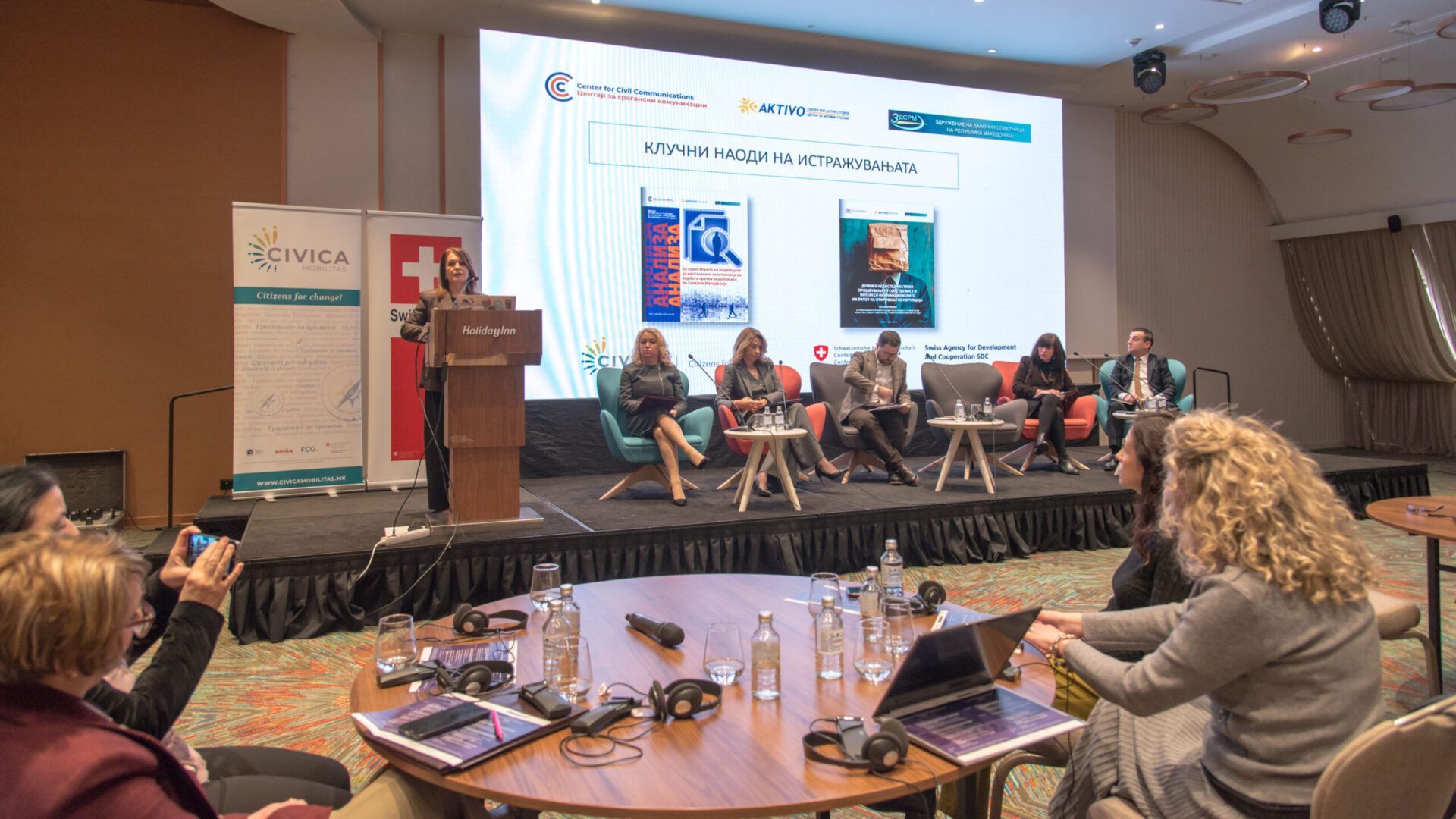
Encouraged by these global trends, CSOs, Center for Civil Communications, Aktivo from Veles and the Association of Tax Advisors of the Republic of Macedonia (ZDSRM) analysed the use of the data on real owners in the fight against corruption and checked the possibilities for crosschecking of these data with many other data bases as a tool to discover and prevent corruption and abuse of public funds by officials. More specifically, what the possibilities and obstacles are and what should be done to use more the data on real owners in the fight against corruption.
The analysis has shown that despite the formal establishment of the Register of Real Owners in the country five years ago, its potential has remained largely unused in the system for fight against corruption. According to the research, 23 out of 360 officials for whom there was data cross checking made, have fully or partially hidden the data on company ownership. The limited access, data inconsistencies, poor verification mechanisms, lack of institutional interoperability and insufficient public supervision have significantly limited the preventive and investigative value of the data on real owners.
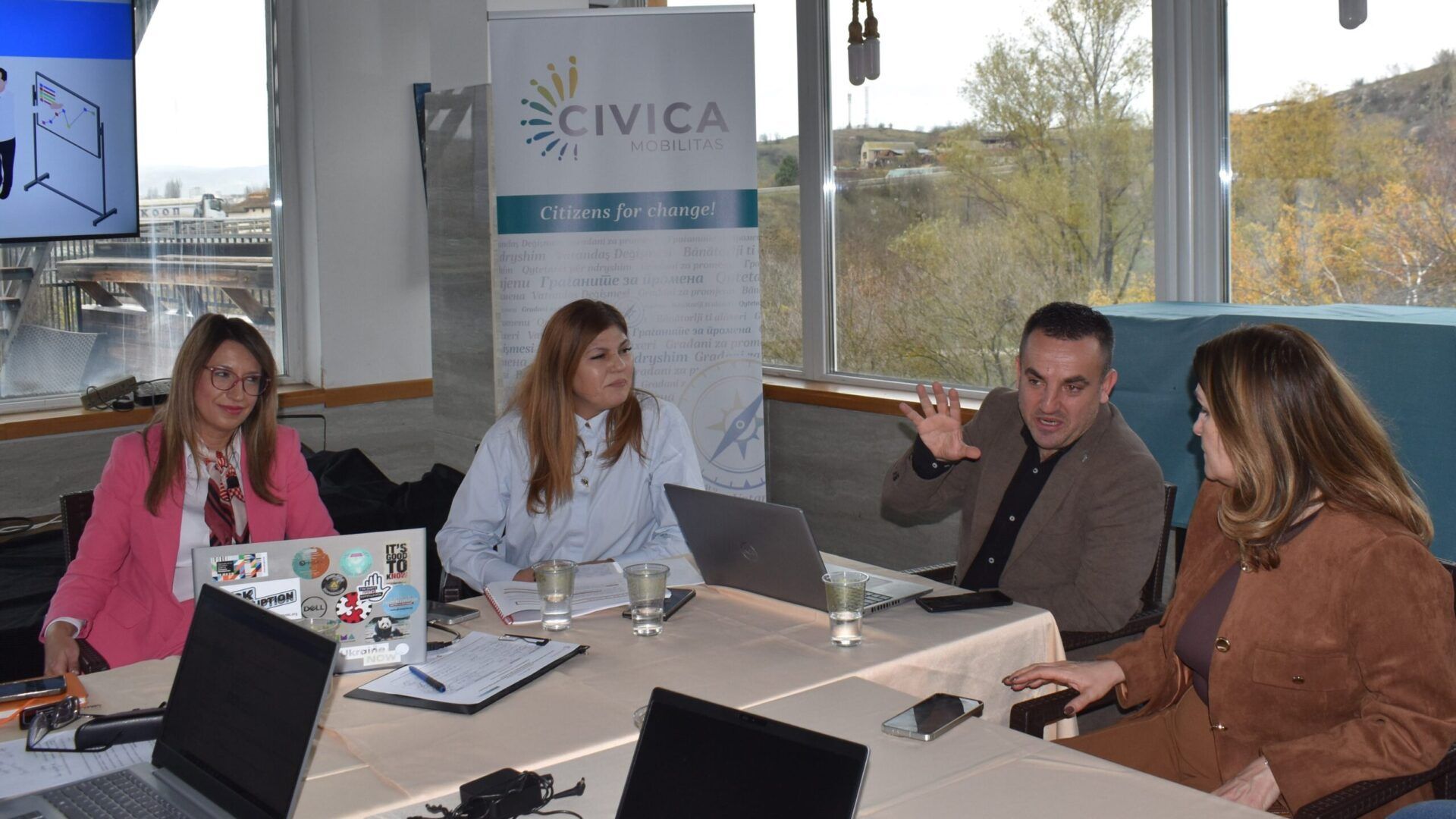
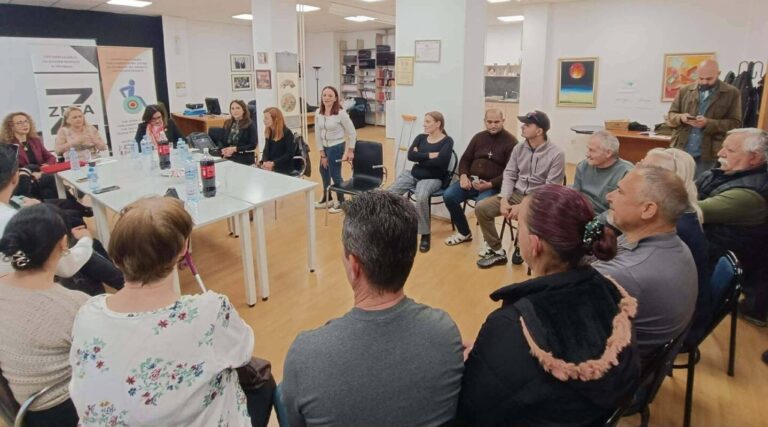
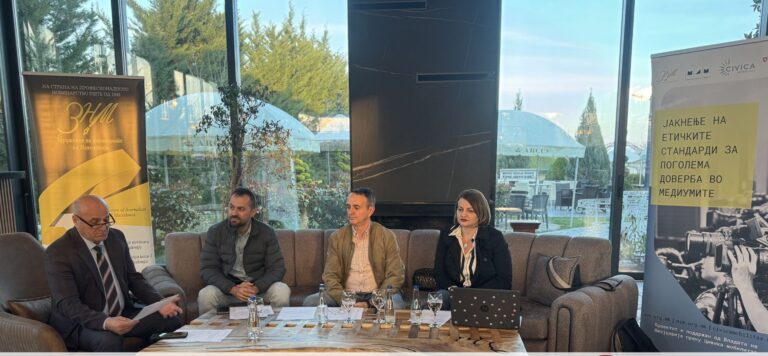
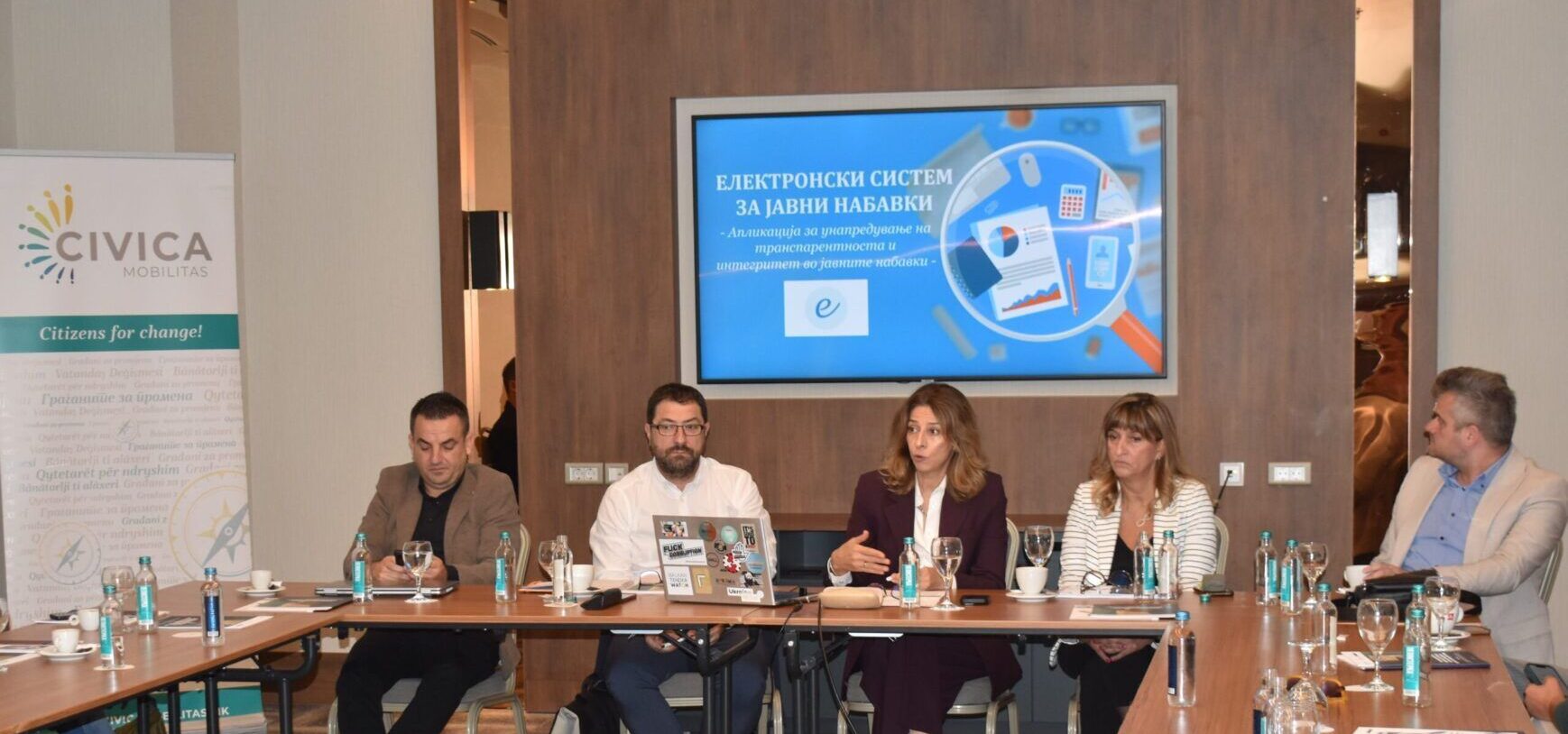
The findings on the obstacles, but also on the possibilities were shared with the media representatives and other CSOs that work on topics related to anti-corruption, at specific workshops where representatives of the Bureau for Public Procurement and the State Commission for Prevention from Corruption also participated in presenting the possibilities for cross data analysis.
There was a big step forward made with the revealing of the data on the real owners of the companies that are awarded public procurements, and thus, only in the first three months of the Electronic Public Procurement System (ESJN) the names of the real owners of more than 3,000 companies that had been awarded a public tender were published.
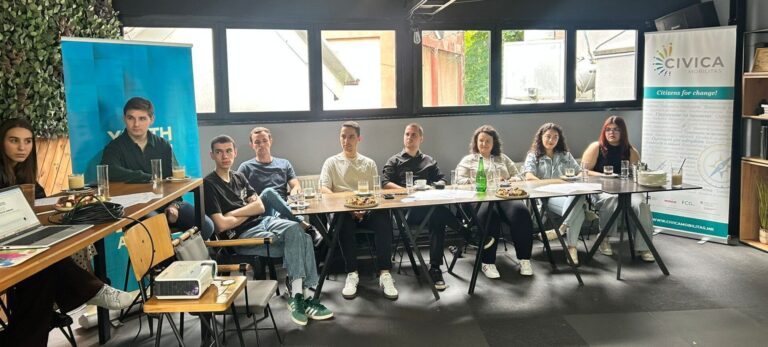
Some thirty representatives of the key stakeholders in this area discussed from their respective aspects the measures and steps that could be made and that are being made for further use of these data. The discussion and the meeting of these key stakeholders at one place has been enabled by the three partner organizations by organizing the Thematic Forum on Using Data on Real Owners in the Fight against Corruption.
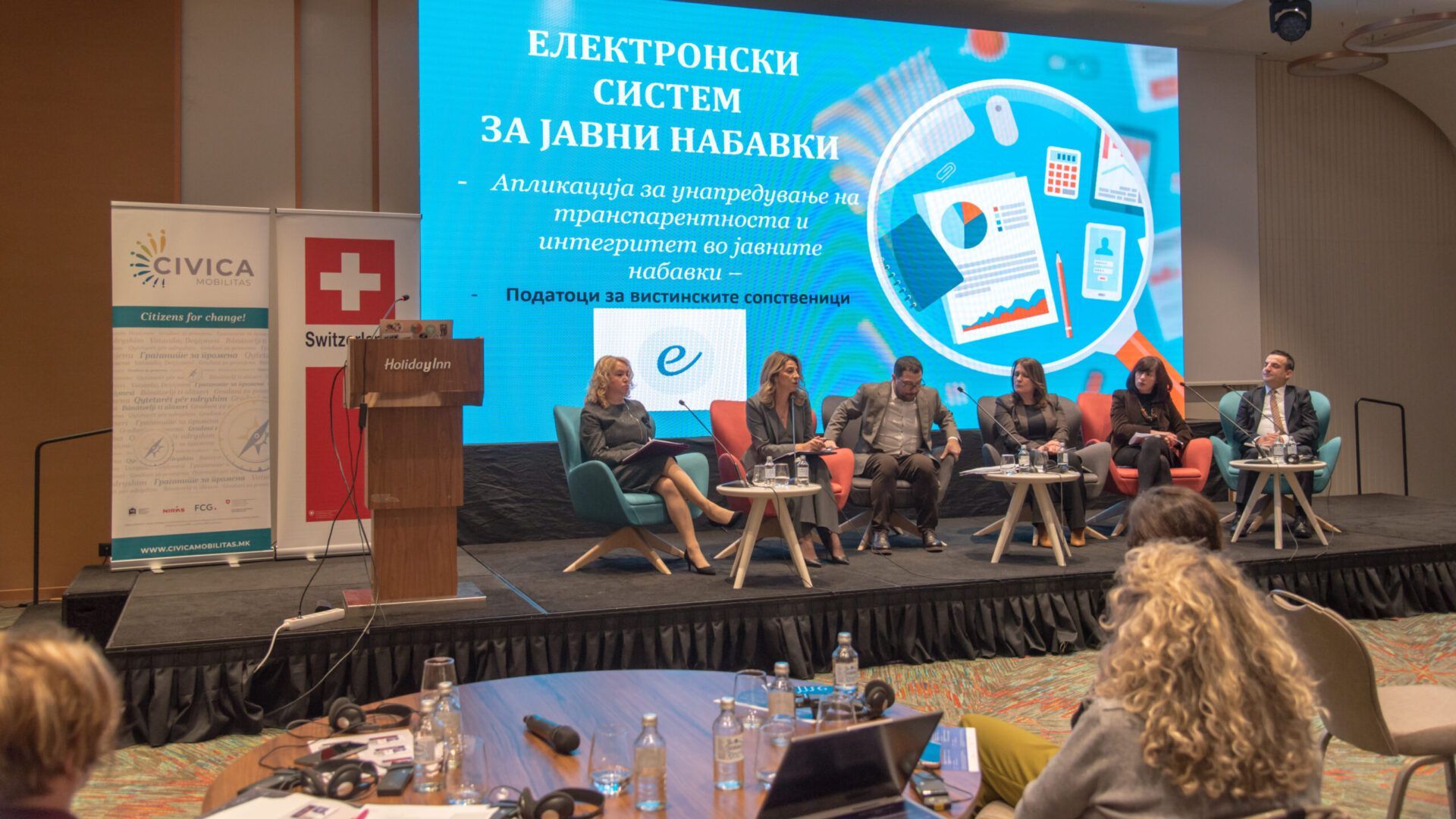
“The transparency of the data on real owners is not only a regulatory condition, but also a foundation stone of the ethnical management and fair competition”, stressed the Deputy Prime Minister for Good Governance Arben Fetai, calling for better interoperability and data verification.
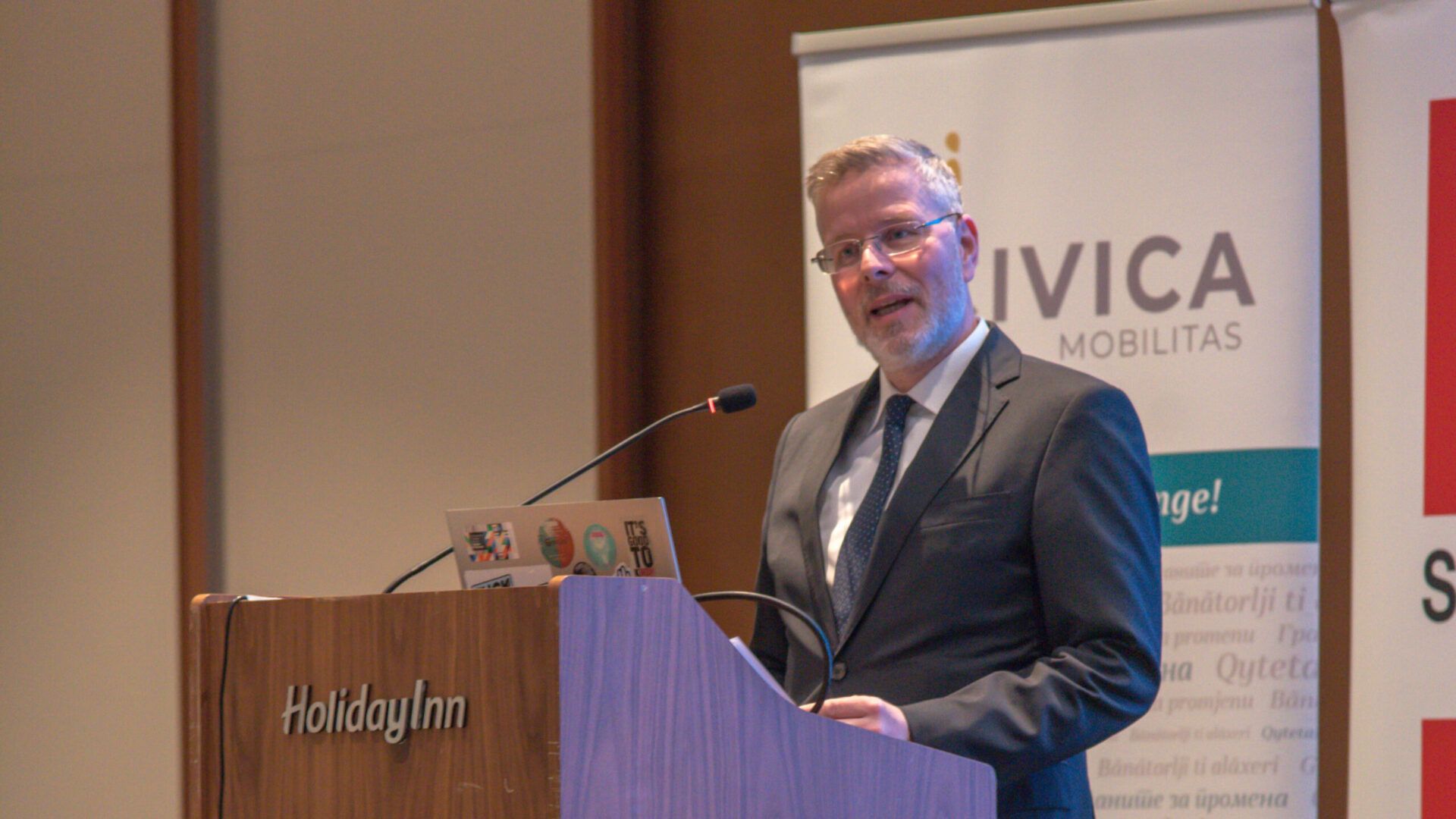
The Swiss Ambassador, H.E. Christoph Sommer, stressed that it was precisely via international exchange of these data that significant funds obtained in an illegal manner had been discovered and regained, underlining the “special role of CSOs and investigating journalists in revealing corruption”.
The project “Using Data on Real Owners to Decrease Corruption” supported by the Swiss Government via Civica Mobilitas has contributed to specific institutional efforts, broader public debate and preparation of public policy recommendations so that data on real owners become a real tool in corruption prevention and protection of public funds.
The readiness and dedication to change on the side of the institutions involved will be taken into consideration in the public policy document with recommendations for improvement of the use of information on real owners to promote the anticorruption efforts in the country.
At a time when public interest has been endangered from many sides – corruption, abuse, cyber-attacks – the need to defend it is event bigger, via functional, organised and systemic mechanisms, but also via involvement of citizens, media and CSOs who will have easily accessible and related data.